What to Expect
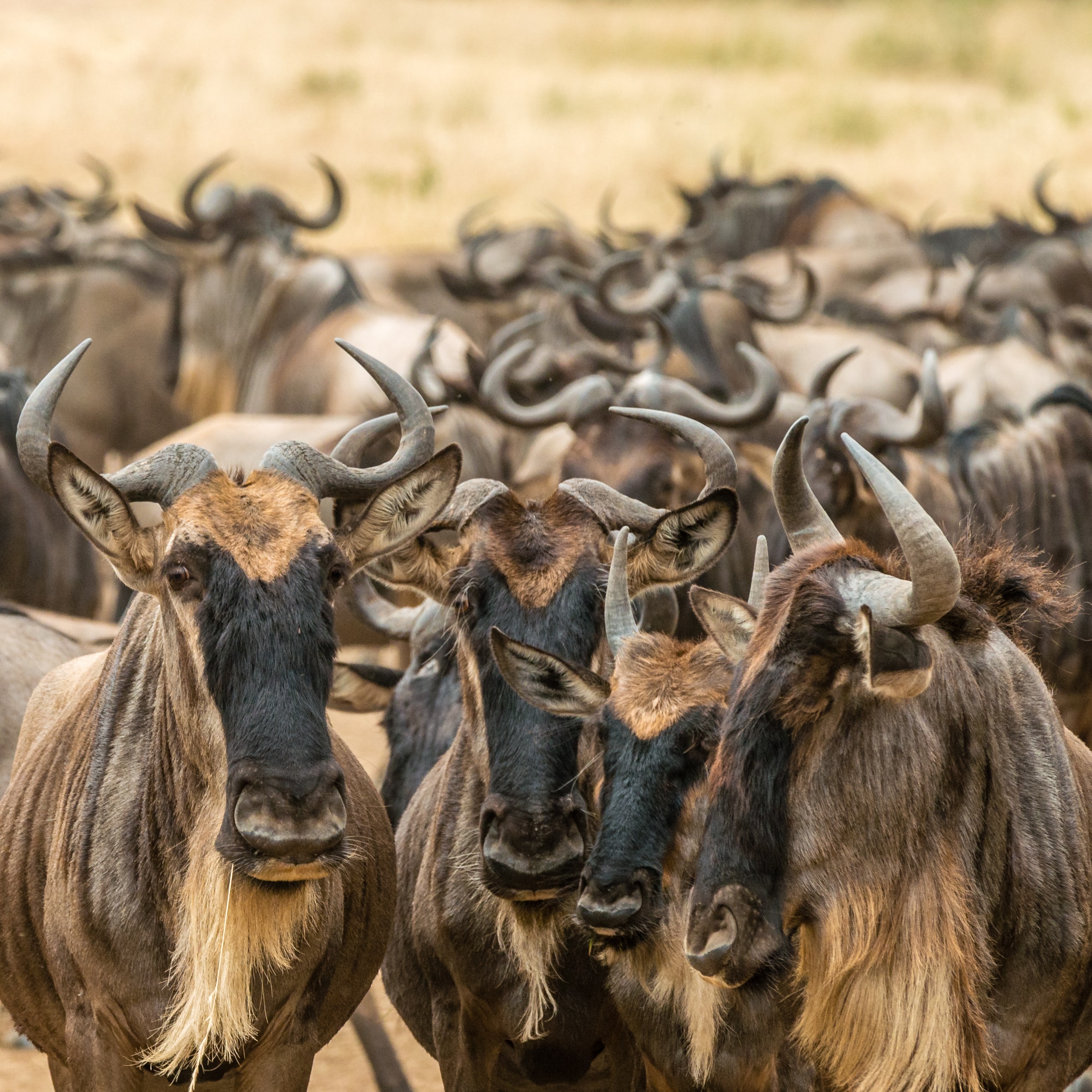
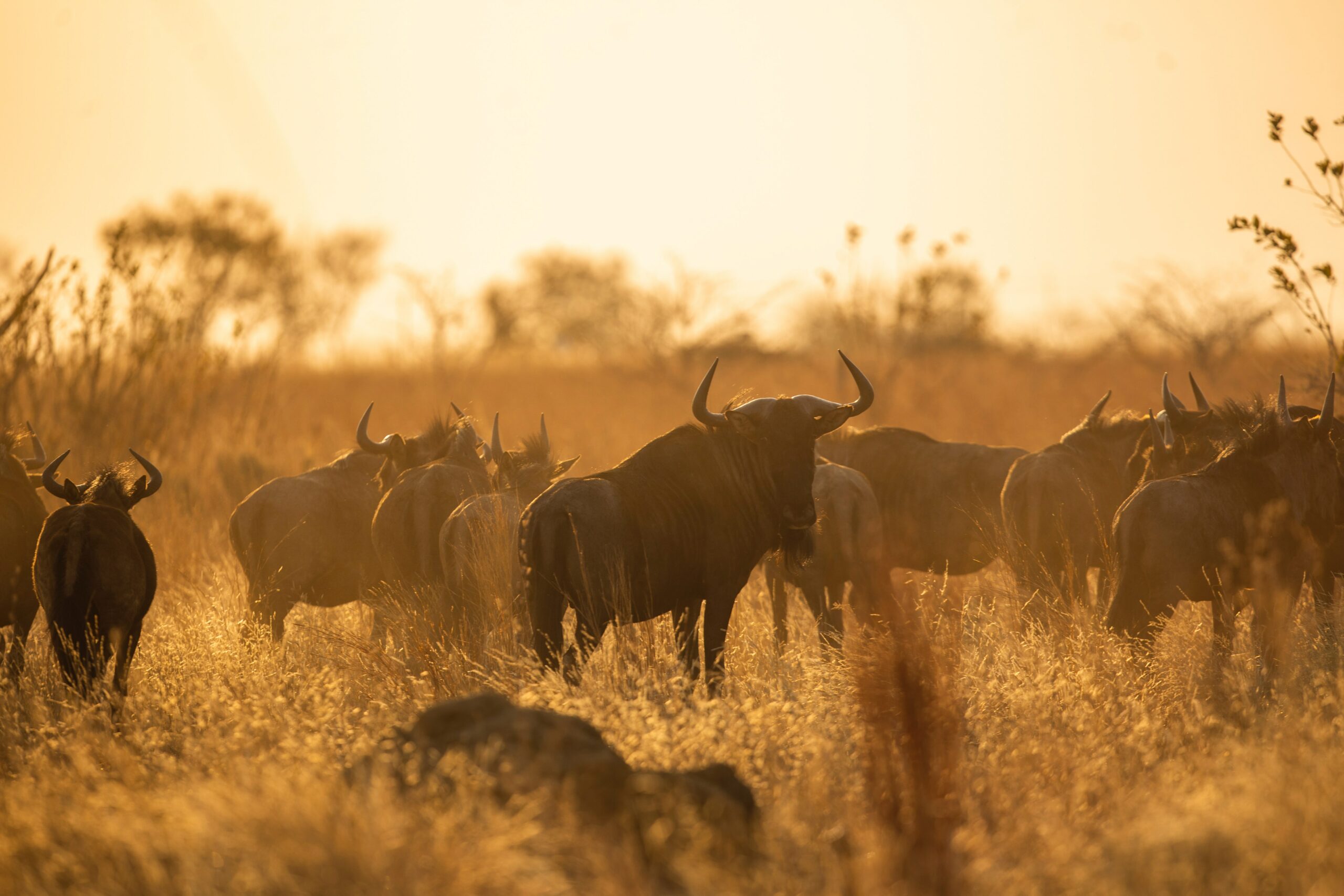
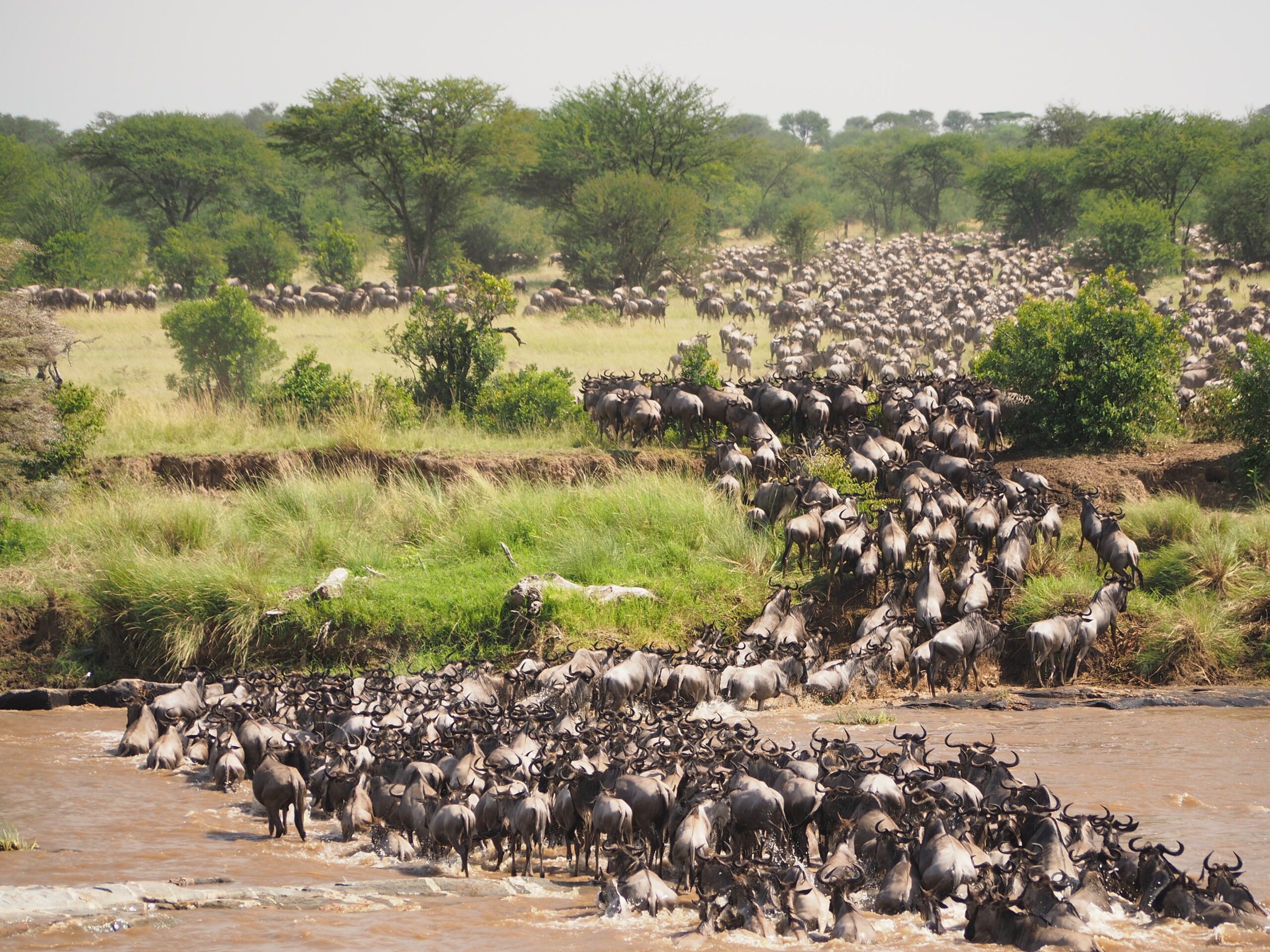
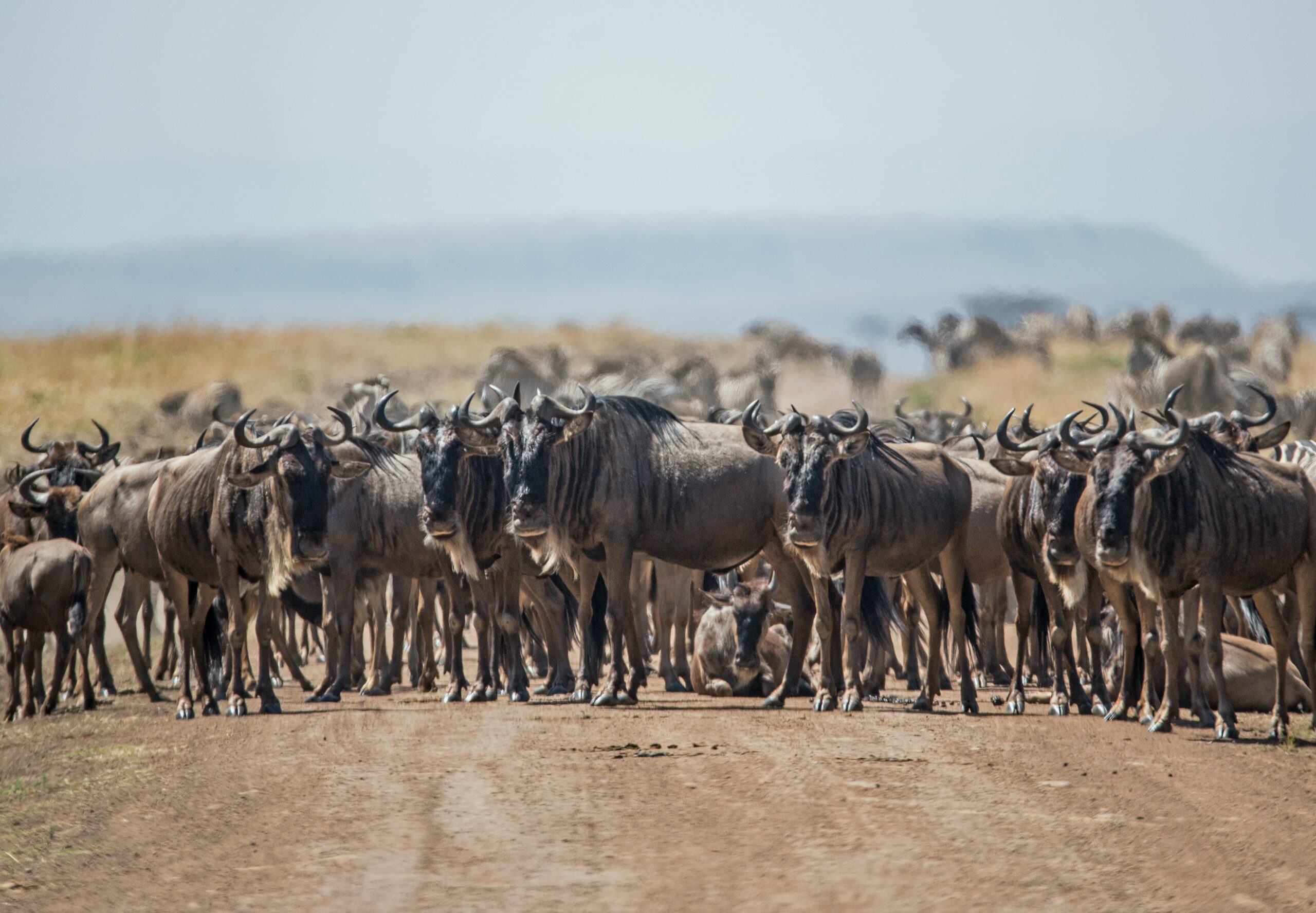
The annual wildebeest migration through the Serengeti and Maasai Mara is quite literally one of the greatest shows on earth! Accompanied by large numbers of zebra, the wildebeest move throughout the year, following the rains and subsequent better grazing.
The precise timing of the migration varies from year to year, depending upon weather patterns, and therefore available water and grazing, but generally you can expect the herds to move clockwise through Tanzania’s Serengeti and Kenya’s Maasai Mara.
Tanzania’s short rains usually fall in late October and November. The longer, and heavier rainy season is April and May. The short rains bring the herds south to the vast Ndutu Plains, where they congregate for much of January, February and March. Calving occurs mostly in February, and by early April the herds commence their northerly migration, moving through the central Serengeti and up the Western Corridor, spreading out, then bunching at the Grumeti River before crossing.
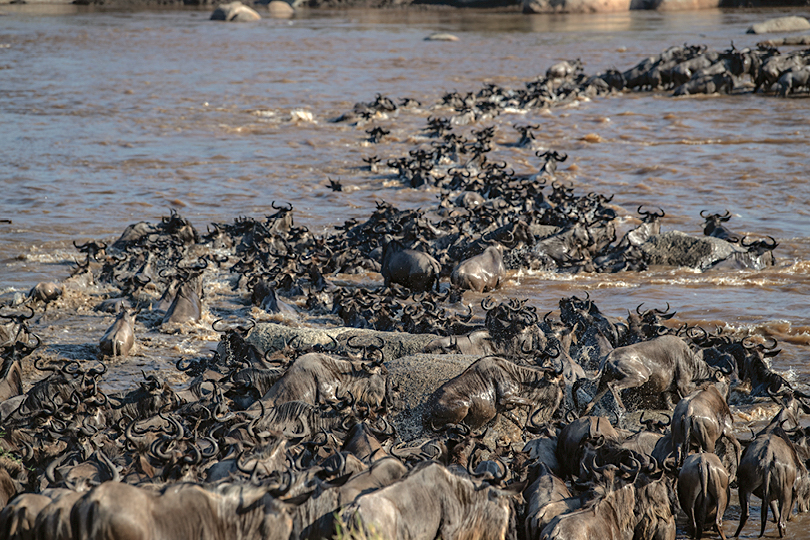
Through June, July and August huge columns of wildebeest and zebra move northwards, spreading across the north west corner of the Serengeti until they reach the banks of the Mara River. The dramatic spectacle of the river crossing plays out in September and October as the herds push forwards to Kenya’s Maasai Mara, before turning south once again in November. They move down the eastern flank of the Serengeti throughout November and December to return to graze, mate and calve on the Ndutu Plains, so starting the migratory cycle once again.
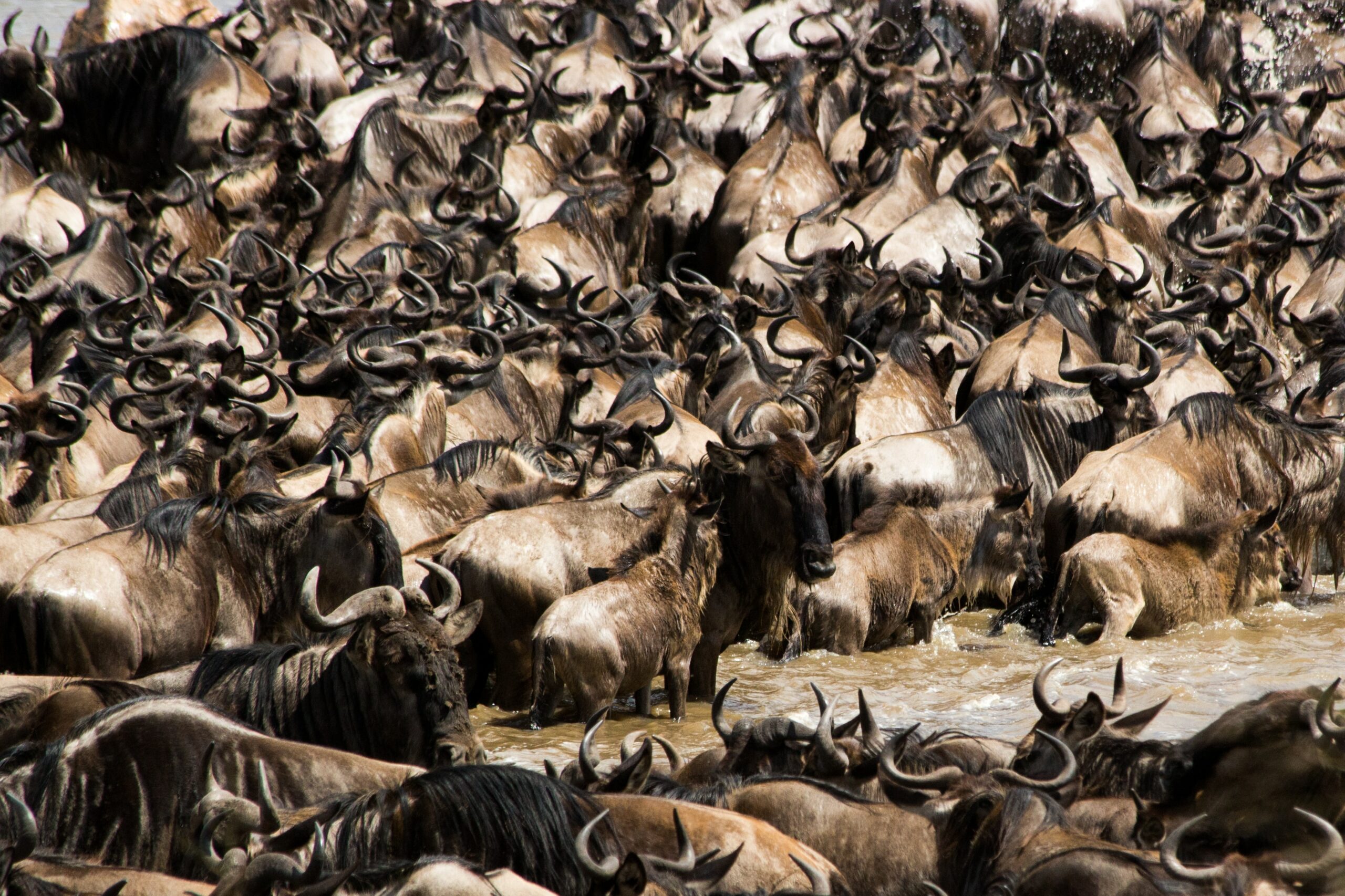
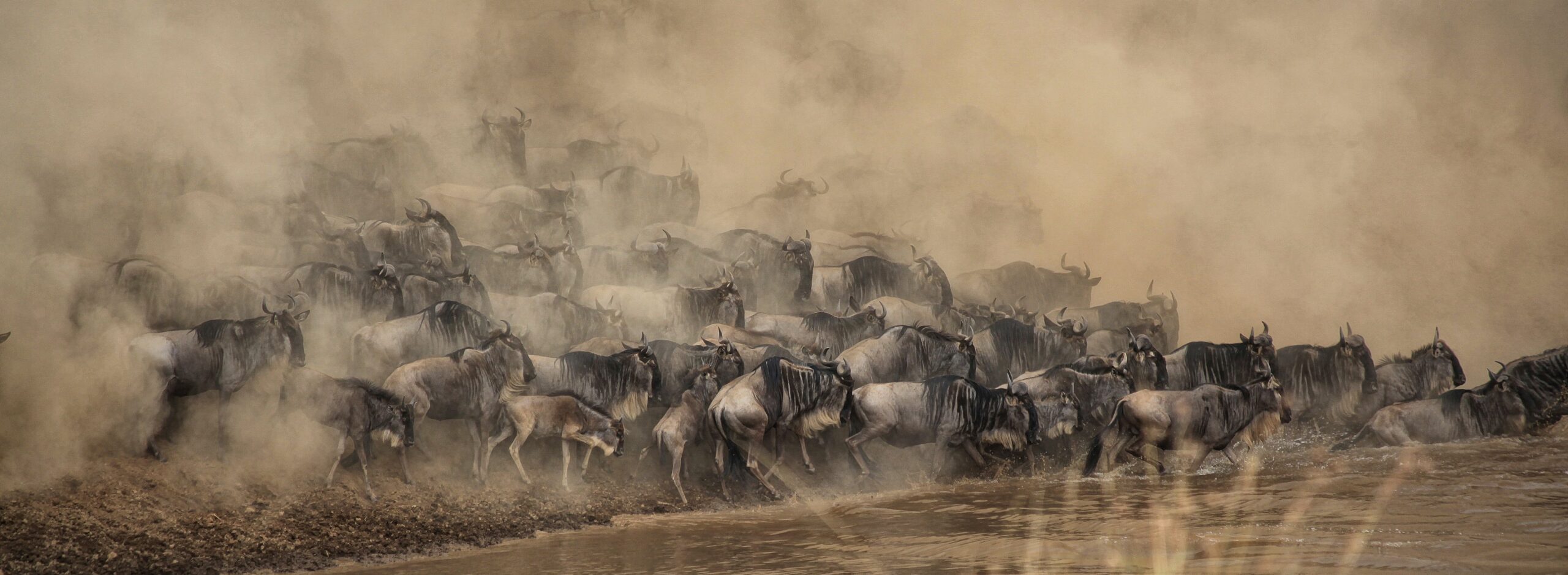
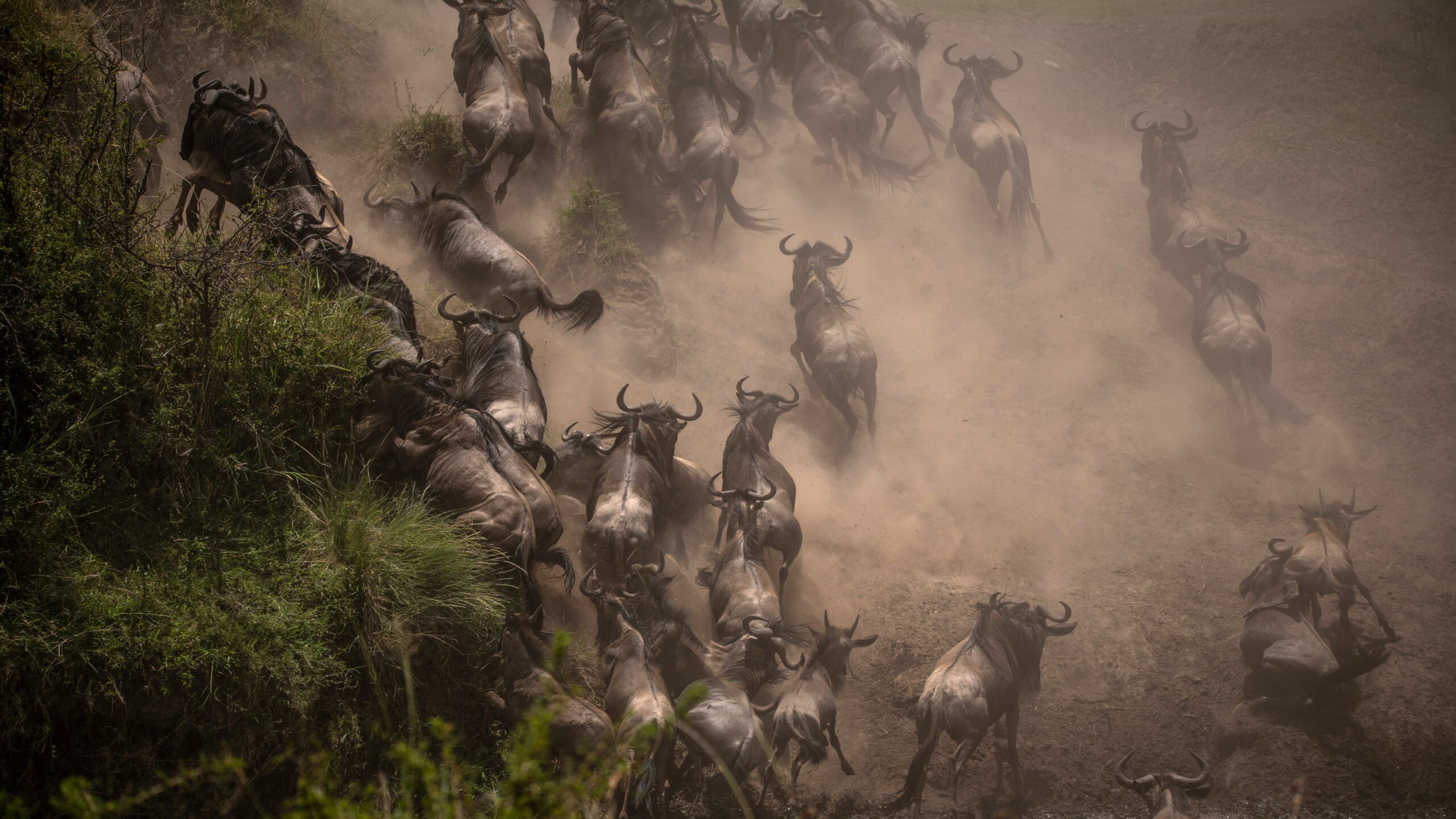
Whilst we can’t say precisely when the herds will be in each location, when booking a Migration Safari, you can expect to see huge herds of wildebeest, plenty of zebra and various antelope species. But it’s not just about the visual spectacle. The migration can be a sensory overload of bellowing, thundering hooves, dust in the air; columns of animals disappearing into the shimmering horizon, and for many visitors, unforgettable sightings at river crossings as seething masses of wildebeest plunge down steep river banks, where crocodiles lurk, waiting to feast on unfortunate victims. Choosing a Migration Safari is opting to experience nature at its glorious, and often gruesome best!
Where to Witness the Great Migration
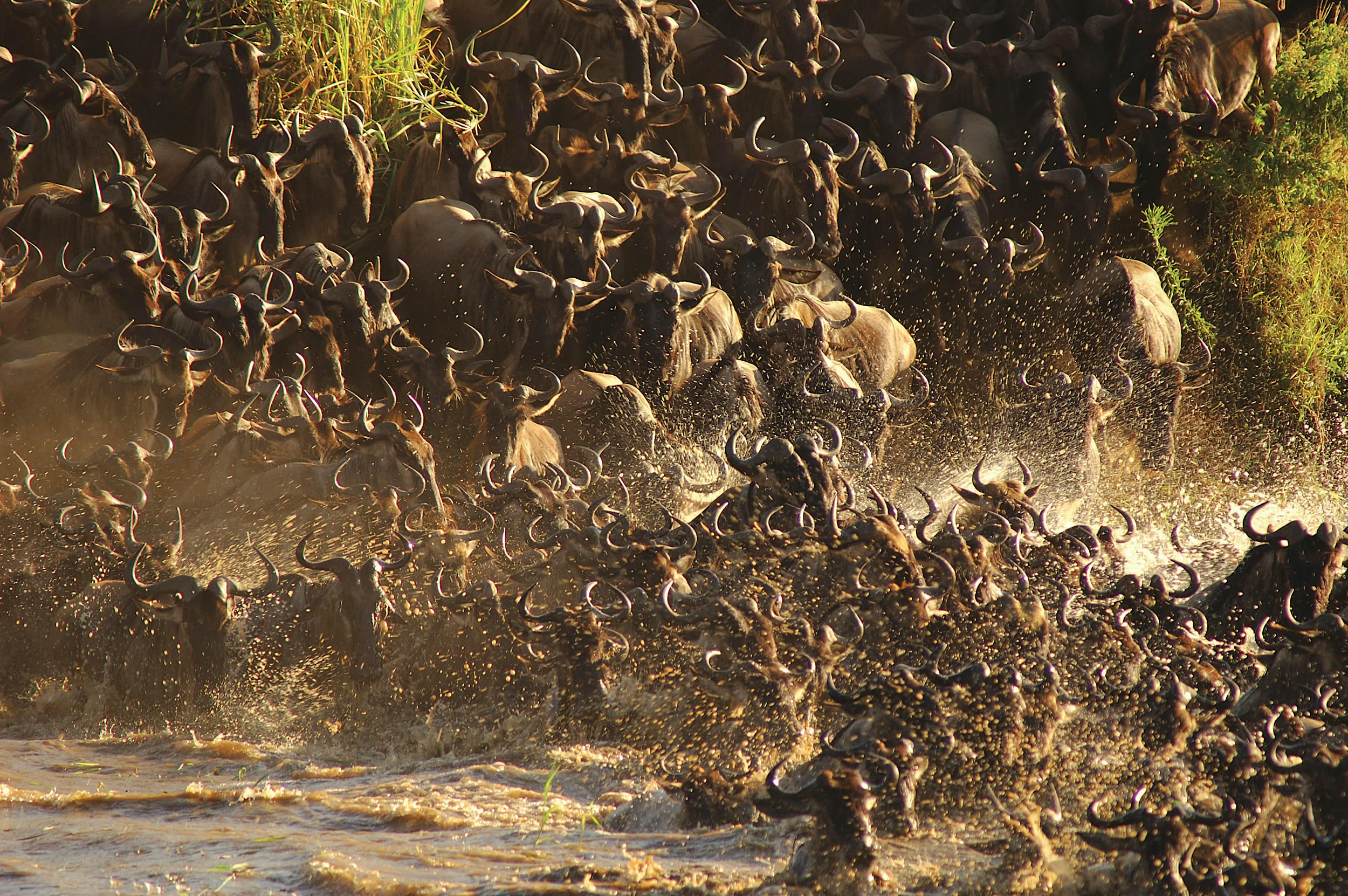
Serengeti National Park, Tanzania
- January – March: Southern Ndutu Plains
- April – May: Central Serengeti, Seronera region and Western Corridor.
- June – September: Grumeti River and up into the north west of the Serengeti
- October & November: Large numbers will cross into the Maasai Mara, but there are always herds grazing in the northern Serengeti at this time of year.
- December: Herds start moving south again down the eastern flank of the Serengeti towards Ndutu Plains.
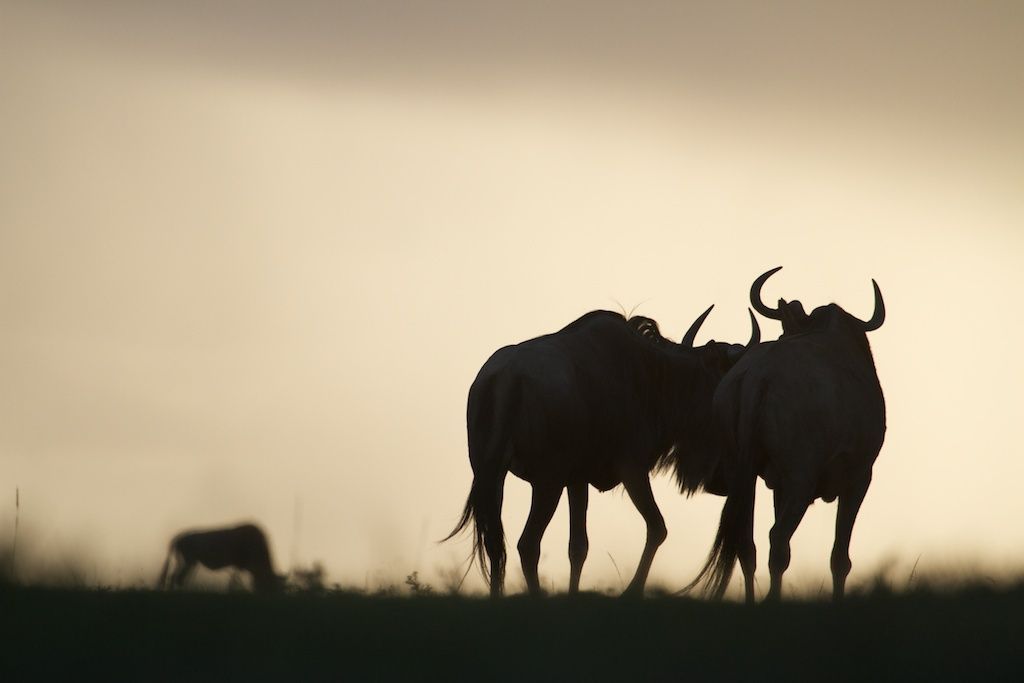
Maasai Mara National Park, Kenya
Mara River crossings, in both directions, can be experienced throughout September and into October. This is peak season in Kenya’s Maasai Mara, with normally dry and sunny weather, and large numbers of tourists. Be prepared for numerous vehicles at the river, or wherever there’s action! Early September is the busiest time, so avoid this if you can.