What to Expect
Southern and East Africa offer arguably some of the world’s most exciting birding destinations. From the pristine waterways of Botswana’s Okavango Delta to the vast open spaces of Namibia’s Kalahari and Namib Deserts; from the wetlands and grasslands of Zambia to the bushveld of South Africa; there are nearly 950 species of which 150 are endemic or near-endemic. Birders from around the world come to see a great variety of African birds, as well as the many migrant species – annual visitors from other African countries, Arctic, Antarctica, Central Asia, China and Europe. Coupled with dramatic scenery and extraordinary wildlife safari opportunities, a Birding Safari in Africa is truly a bird lover’s paradise.
Where to Go for a Birding Safari
Zambia : South Luangwa National Park
Wonderful birdwatching throughout the year. You can rise to the call of the ground hornbill and set off on your birding safari accompanied by the cry of a fish eagle! Over 400 bird species have been recorded here, including 39 birds of prey. There are few better birding safari destinations in Africa!
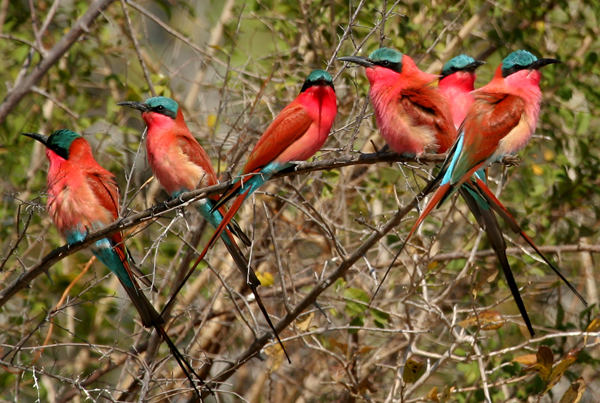
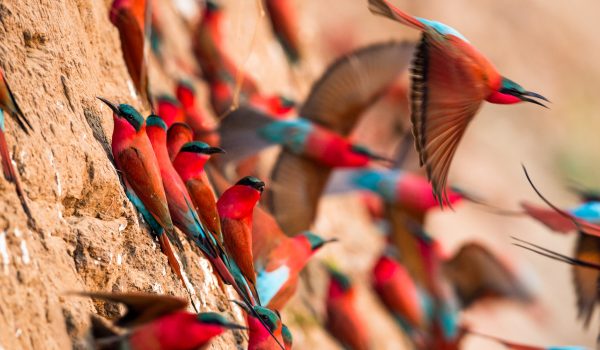
During August and September, migratory colonies of carmine bee-eaters nest in the steep banks of the Luangwa River.
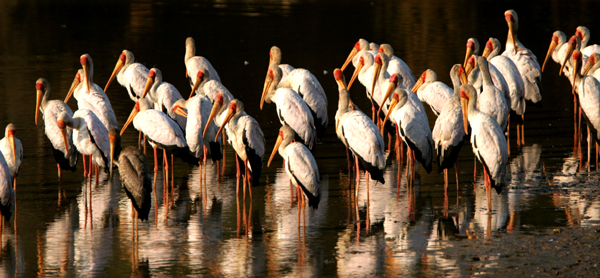
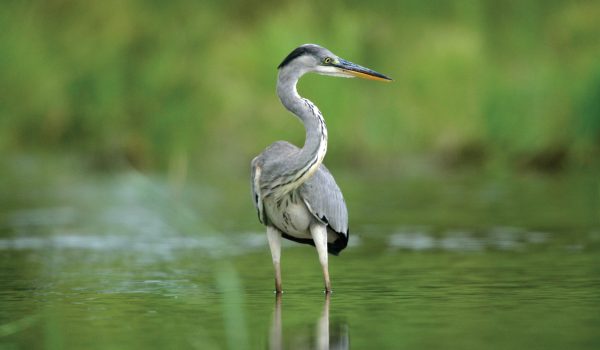
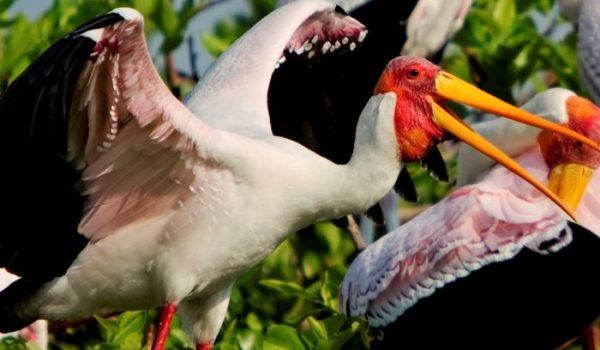
During September and October, at the end of the dry season, hundreds of water birds arrive. Expect to see yellow billed storks and pelicans gathering to fish in the last puddles of water, Goliath herons, and huge flocks of elegant crowned cranes. Dozens of migrant species arrive before the rains, from the red chested cuckoo to the steppe eagle and steppe buzzard.
The “Green Season” months of November – May offer equality impressive birding opportunities. Migratory birds include storks, Angola pita and cuckoos.
Peak breeding months are January – March, when trees are heavy with the nests of the weavers, herons and storks.
South Africa
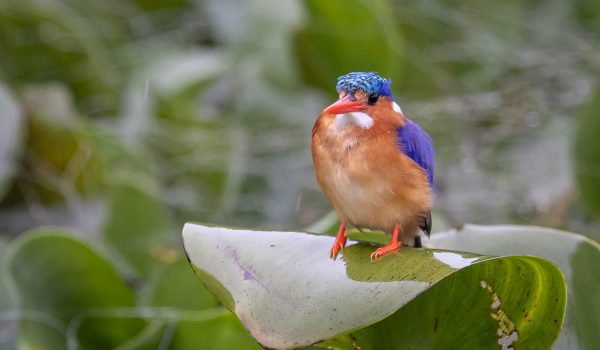
South Africa is a large country with an incredible array of habitats, ranging from lush coastal forests and fynbos regions of the Cape to the wetlands and acacia savanna of the Mkhuze Game Reserve in Zululand.
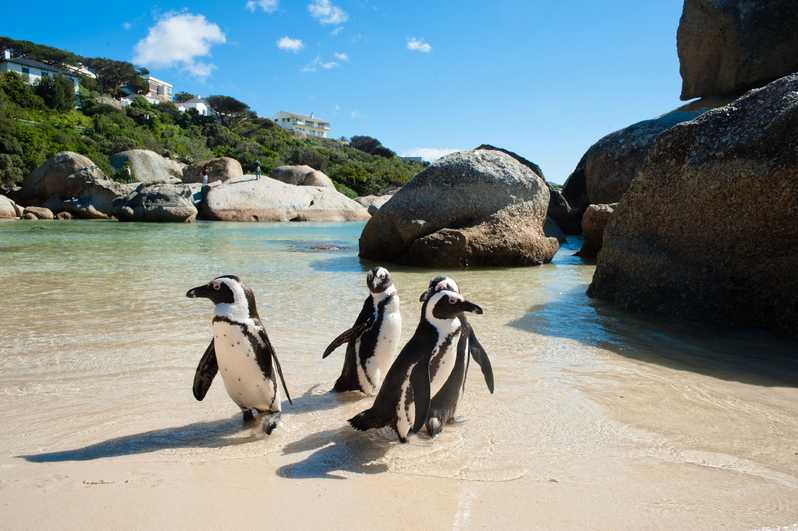
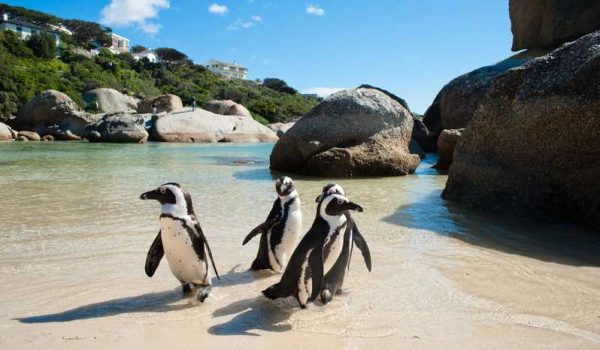
For pelagic seabirds, head to the nutrient-rich waters of the Cape where pelagic tours are offered during the winter months of May to September. Endemic African Penguins can be found in the Cape throughout the year.
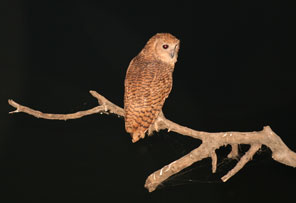
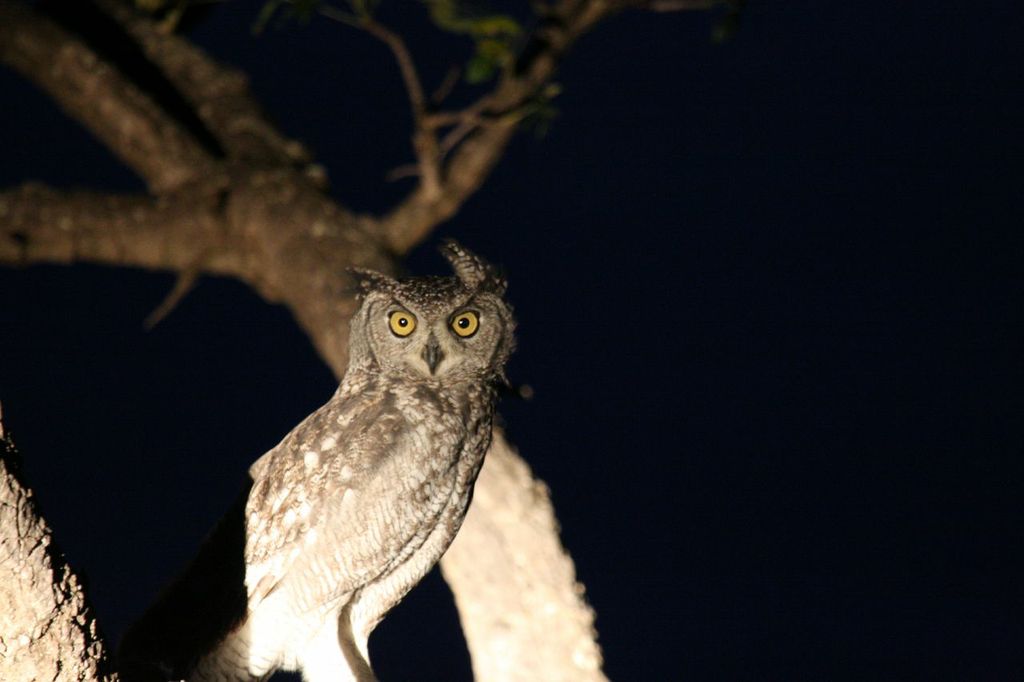
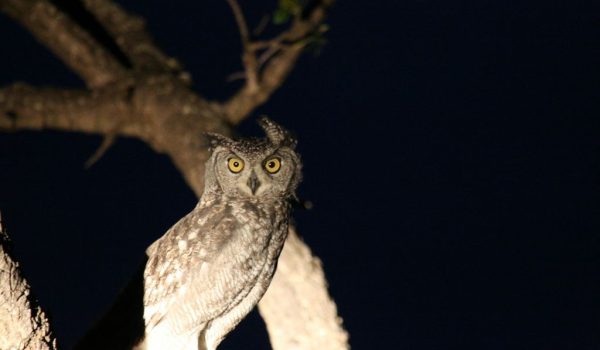
The Kruger National Park is home to more than 500 species, including the Kori Bustard, Pel’s Fishing Owl, Martial Eagles and the Ground Hornbill. The best birding here is in the north.
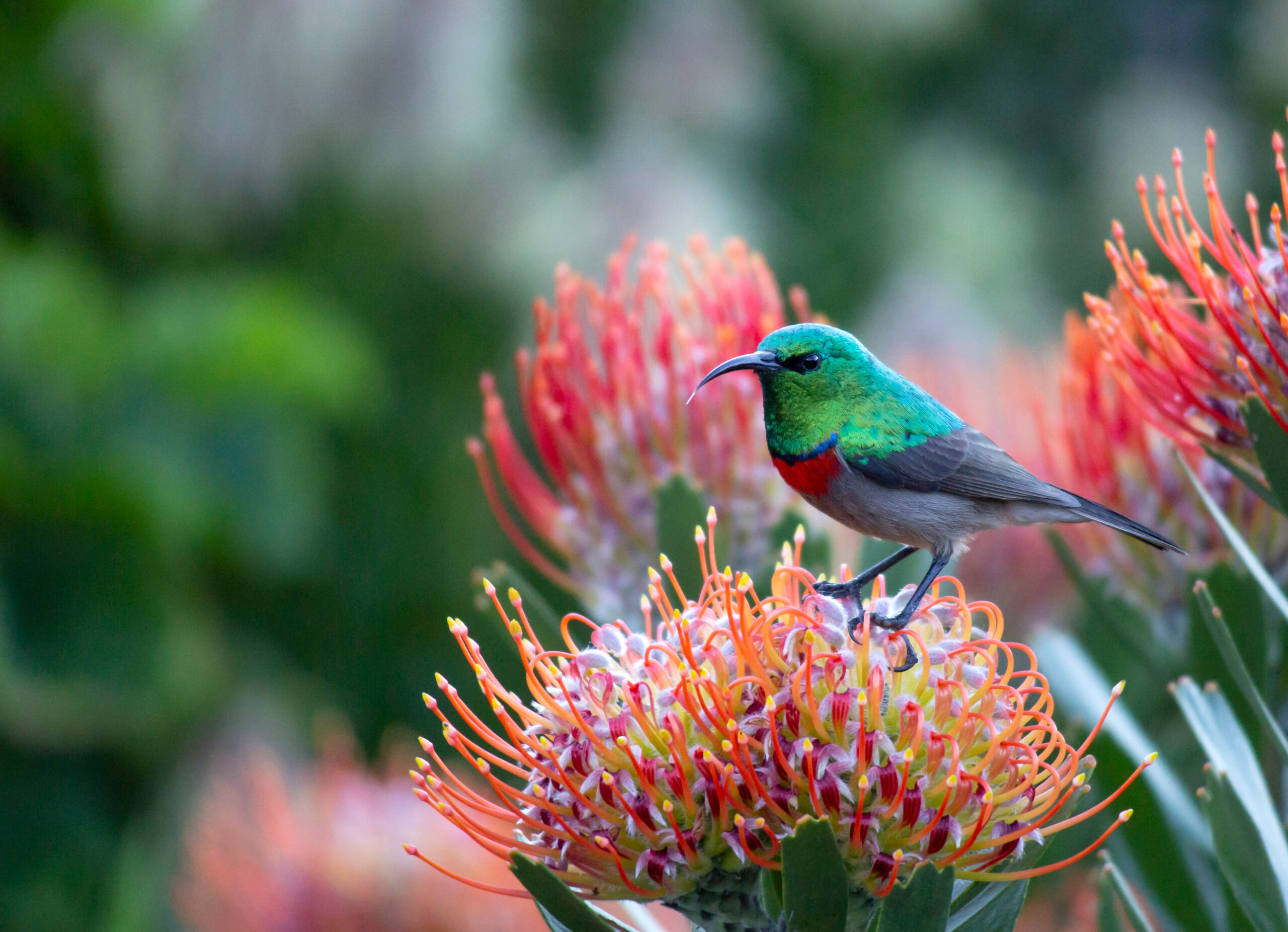
The Isimangaliso Wetlands and Mkhuze National Park in the north east of Zululand is perhaps the greatest birding locations in South Africa. Look for endemics such as Neergaard’s Sunbird, as well as Southern Banded Snake-Eagles, and the elusive Pel’s Fishing Owl.
Namibia
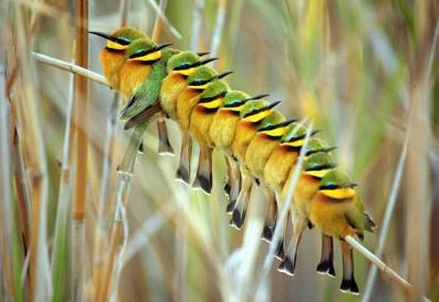
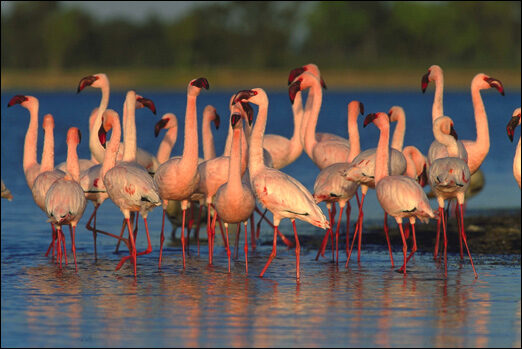
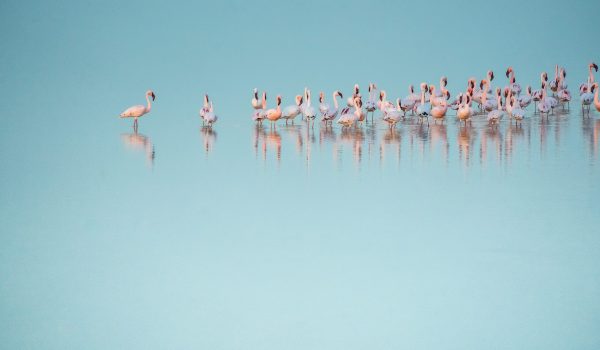
Namibia is a birdwatcher’s paradise, offering a diverse range of habitats that attract both migratory and resident bird species. From the coastal wetlands of the Namib Desert to the savannas, mountains, and the wetlands of Etosha National Park, the country is home to over 620 bird species, including several endemic and rare birds. The Namib Desert hosts unique desert-adapted species like the Lesser Flamingo and Namibian ostrich, while Etosha National Park is a major draw for birders, with large populations of waterfowl, raptors, and migratory birds, particularly around the salt pans and watering holes. Large flocks of Greater and Lesser Flamingos gather in Etosha’s salt pans to breed during April and May. The National Park is a birding paradise with around 400 different species found here. Look out for White-Tailed Shrikes, Rockrunners, Swallow-Tailed Bee-Eaters and a variety of raptors.
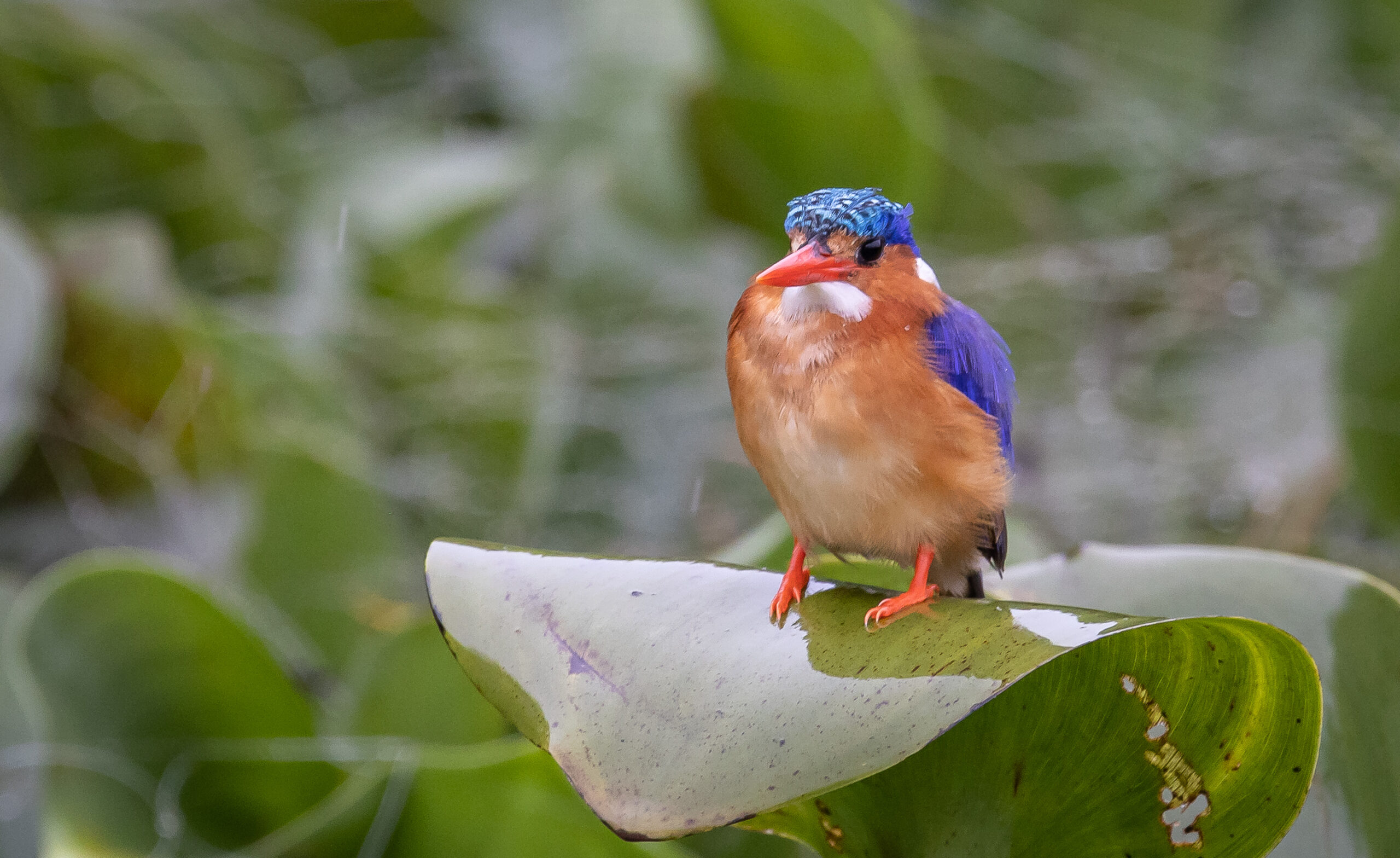
The Zambezi Region offers lush, tropical environments attracting a variety of species, from kingfishers to herons. The Coastal Region, including Walvis Bay and Swakopmund, is known for its seabirds, particularly the African penguin and Pelican species. Whether you’re a novice or an experienced birder, Namibia’s diverse ecosystems provide numerous opportunities to spot both common and elusive species, making it a top destination for birding enthusiasts.
Uganda
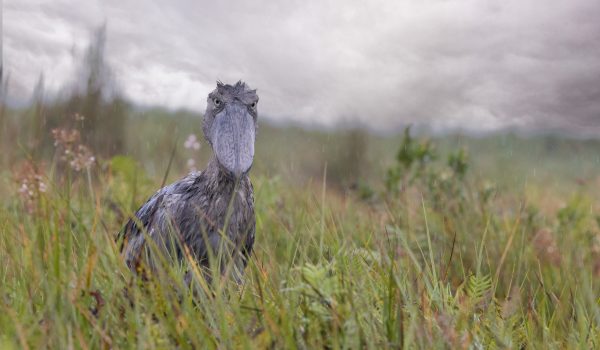
Birding in Uganda is best from June to September, during the drier months of the year, when some of the country’s more remote birding locations are more easily accessible, and African migrant species such as the Barred Long-Tailed Cuckoo and Blue Swallow are in the country. Breeding plumage is spectacular, with August being the main month of nesting season. There are many excellent birding locations in Uganda – Kibali National Park is home to 375 species including 6 Albertine Rift endemics. The Queen Elizabeth National Park is a birdwatcher’s haven with 600 species across a variety of habitats. The Mabamba Swamps at Lake Victoria is probably the best spot to see the prized Shoebill.
Botswana
Although Botswana has no endemic species, the diverse environments, from desert to delta, make this an excellent year-round birding safari destination!
The Okavango Delta is best visited during Botswana’s Green Season, from October to March, when the migrants from Europe and northern Africa have arrived, and many of the resident species are nesting and in their breeding plumage.
The Delta is a stronghold for Wattled Cranes and Slaty Egrets, as well as Pel’s Fishing Owl and the White-Backed Night Heron.