What to Expect
Malawi is one of Africa’s smallest countries, located at the southern end of Africa’s Great Rift Valley. Known as the Warm Heart of Africa, Malawi’s star is rising – it’s friendly, relaxed, affordable, beautiful and diverse.
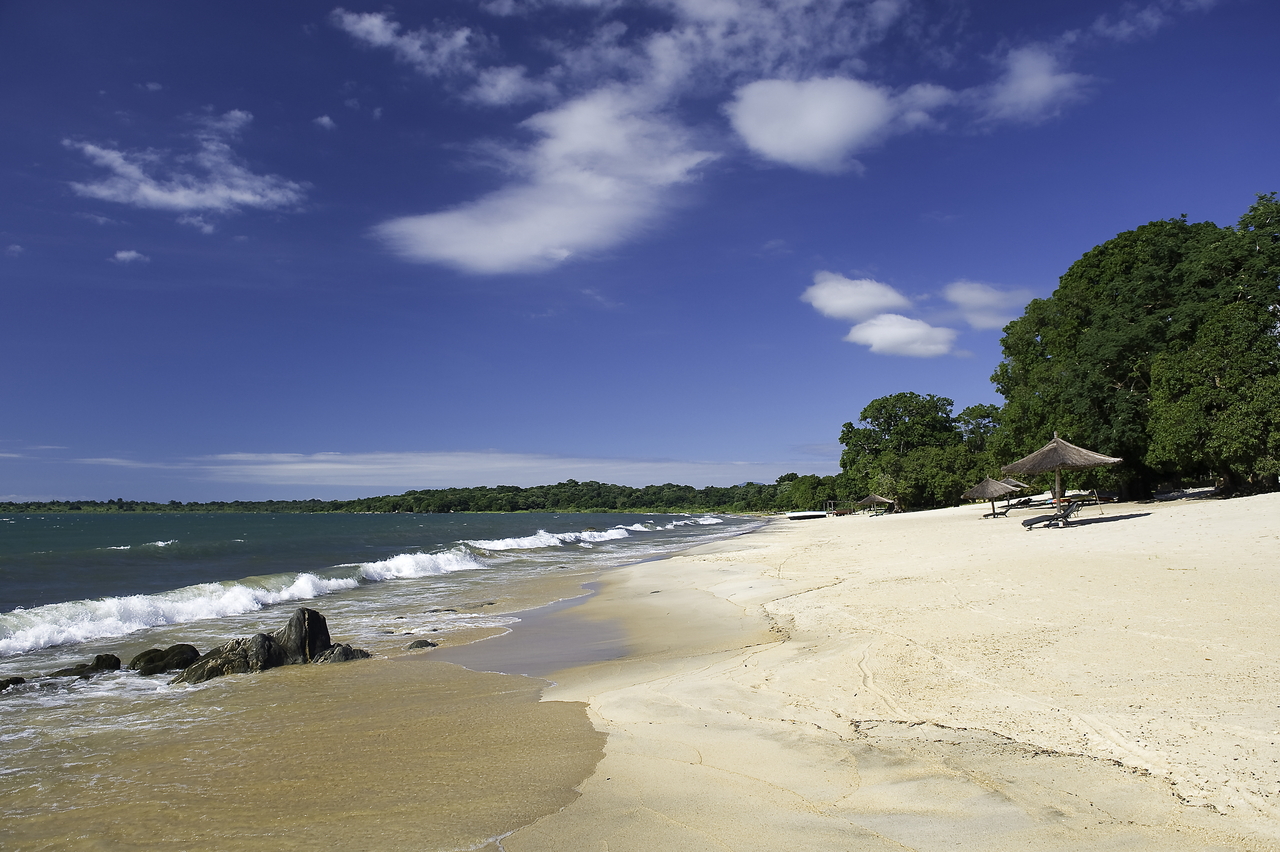
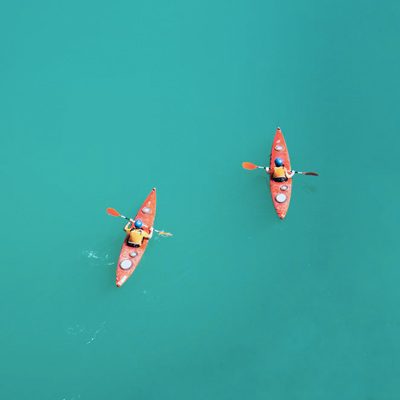
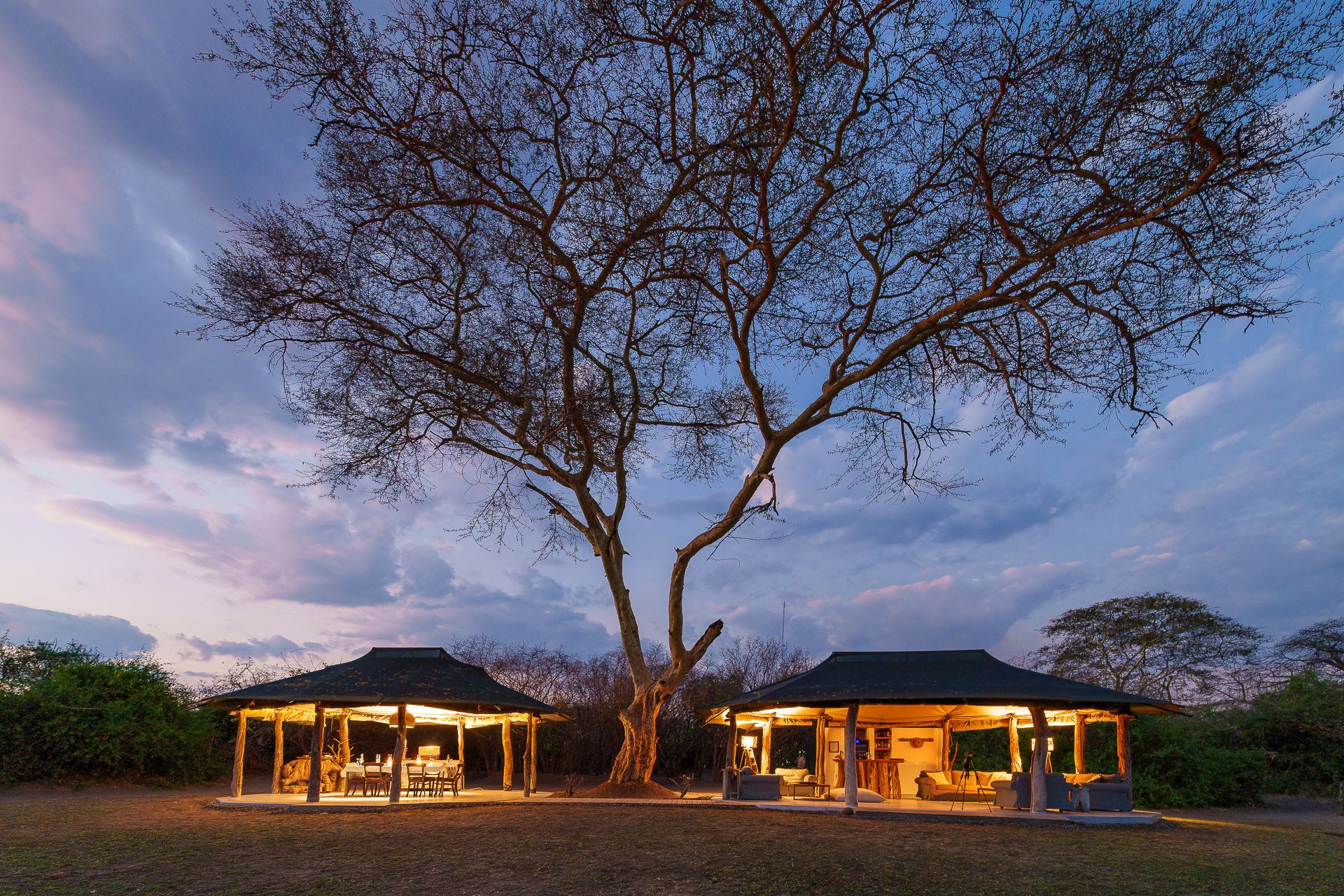
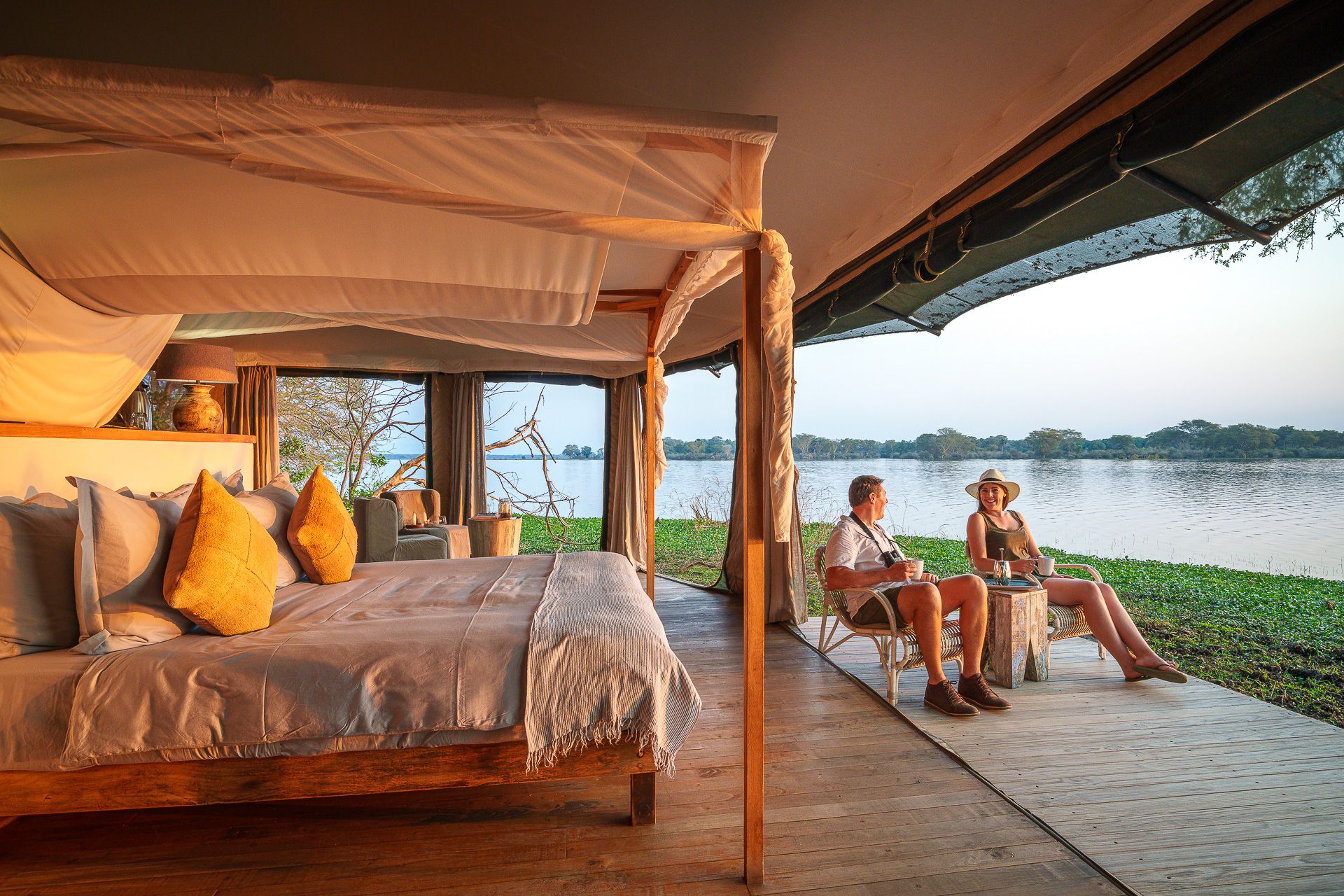
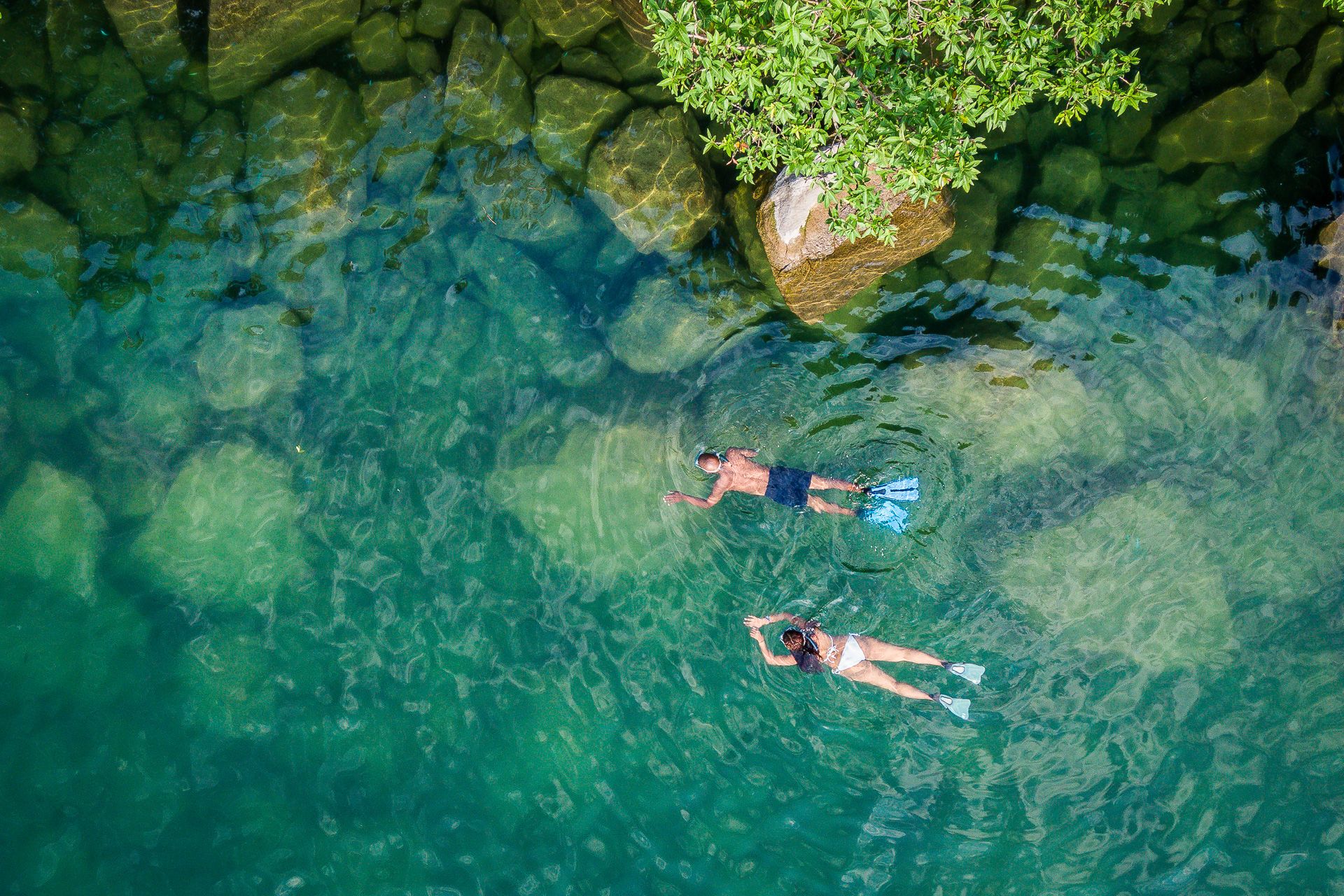
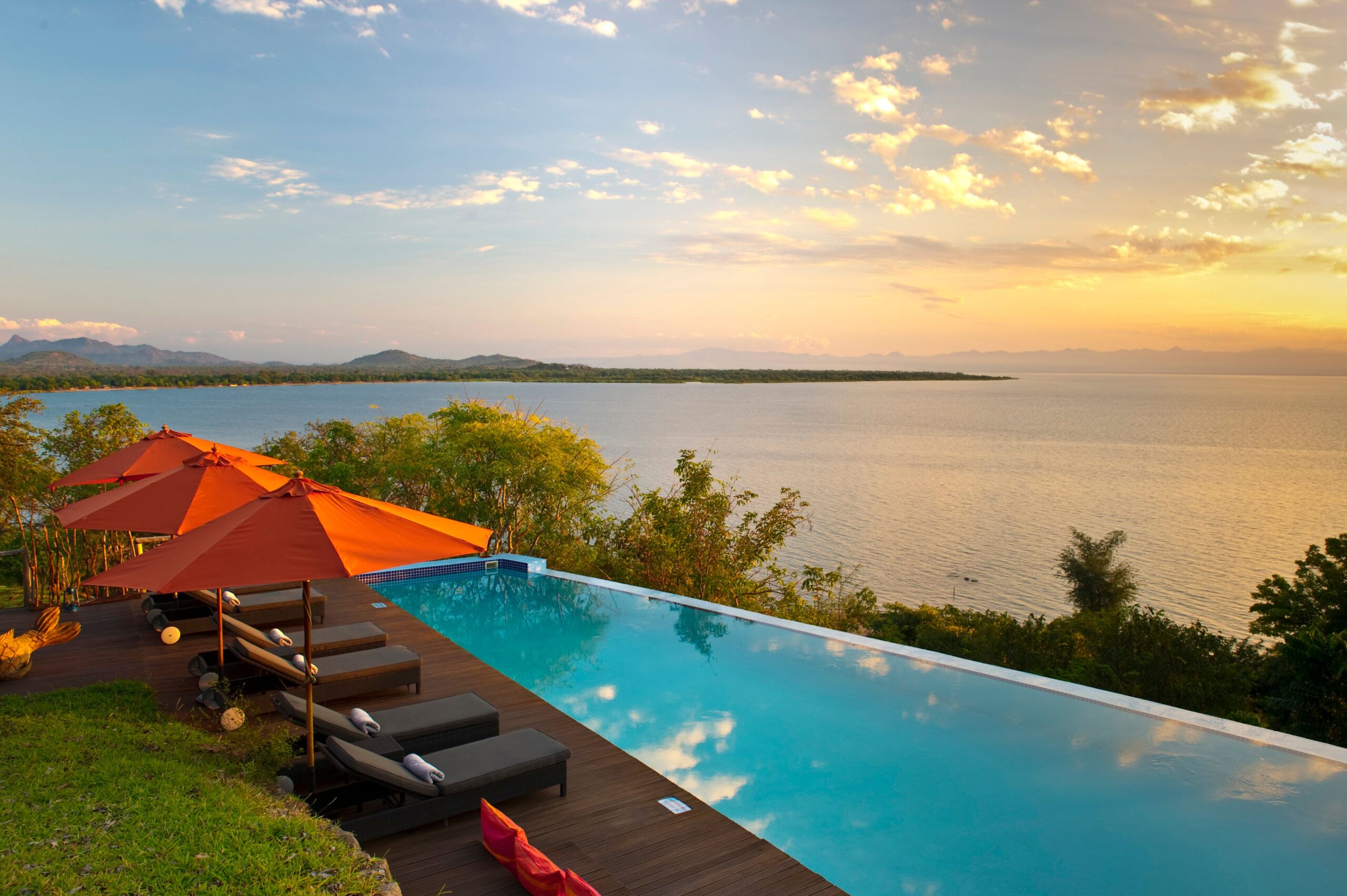
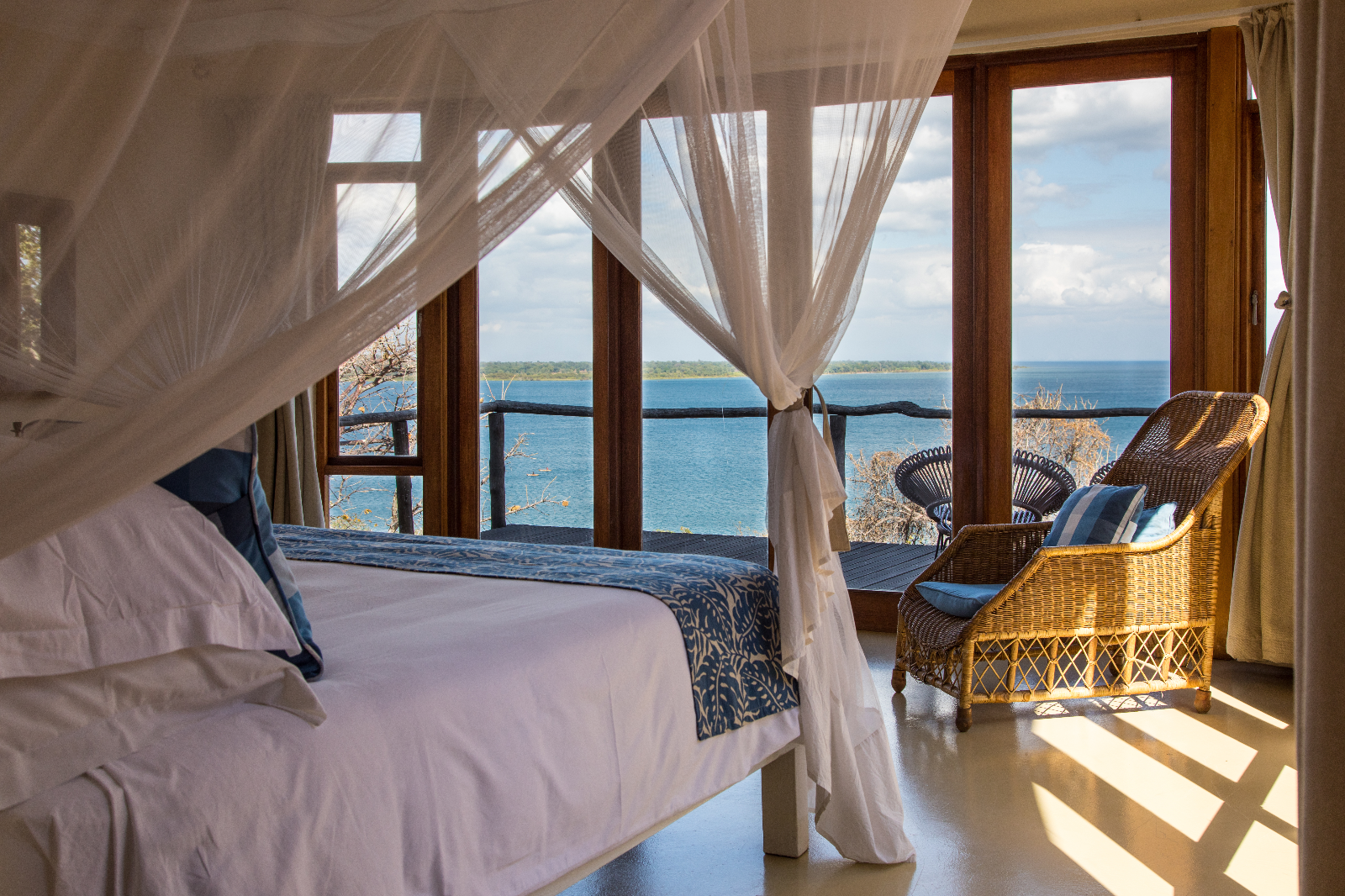
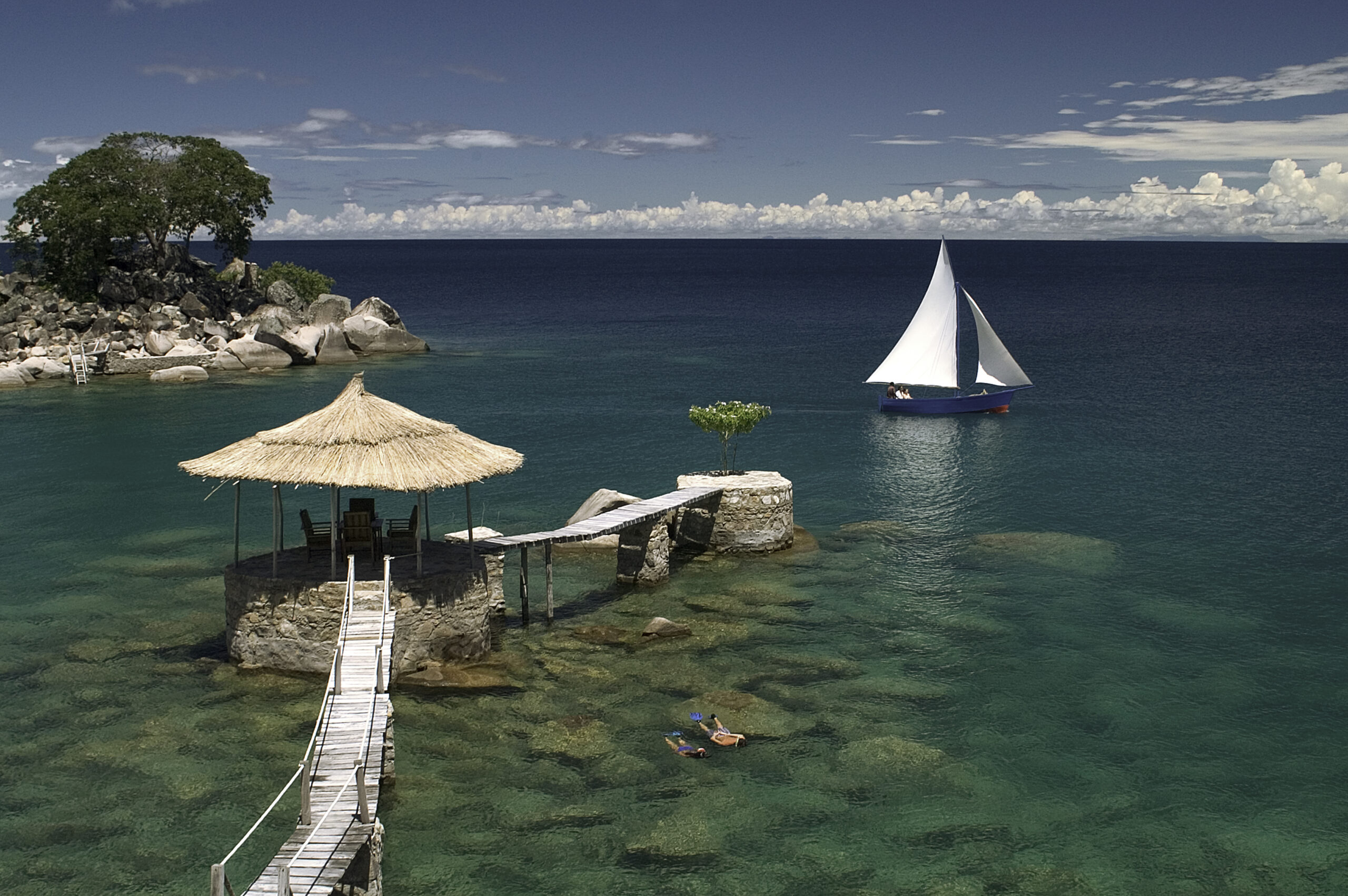
The physical and spiritual backbone of the country is Lake Malawi, stretching for over 300 miles and covering more than 20% of the country in water. The 3rd largest freshwater lake in Africa, Lake Malawi offers crystal clear waters teeming with brightly coloured fish, and secluded sandy, palm-fringed coves. Malawi’s beach lodges are all about barefoot luxury, with water activities such as sailing, snorkeling and kayaking.
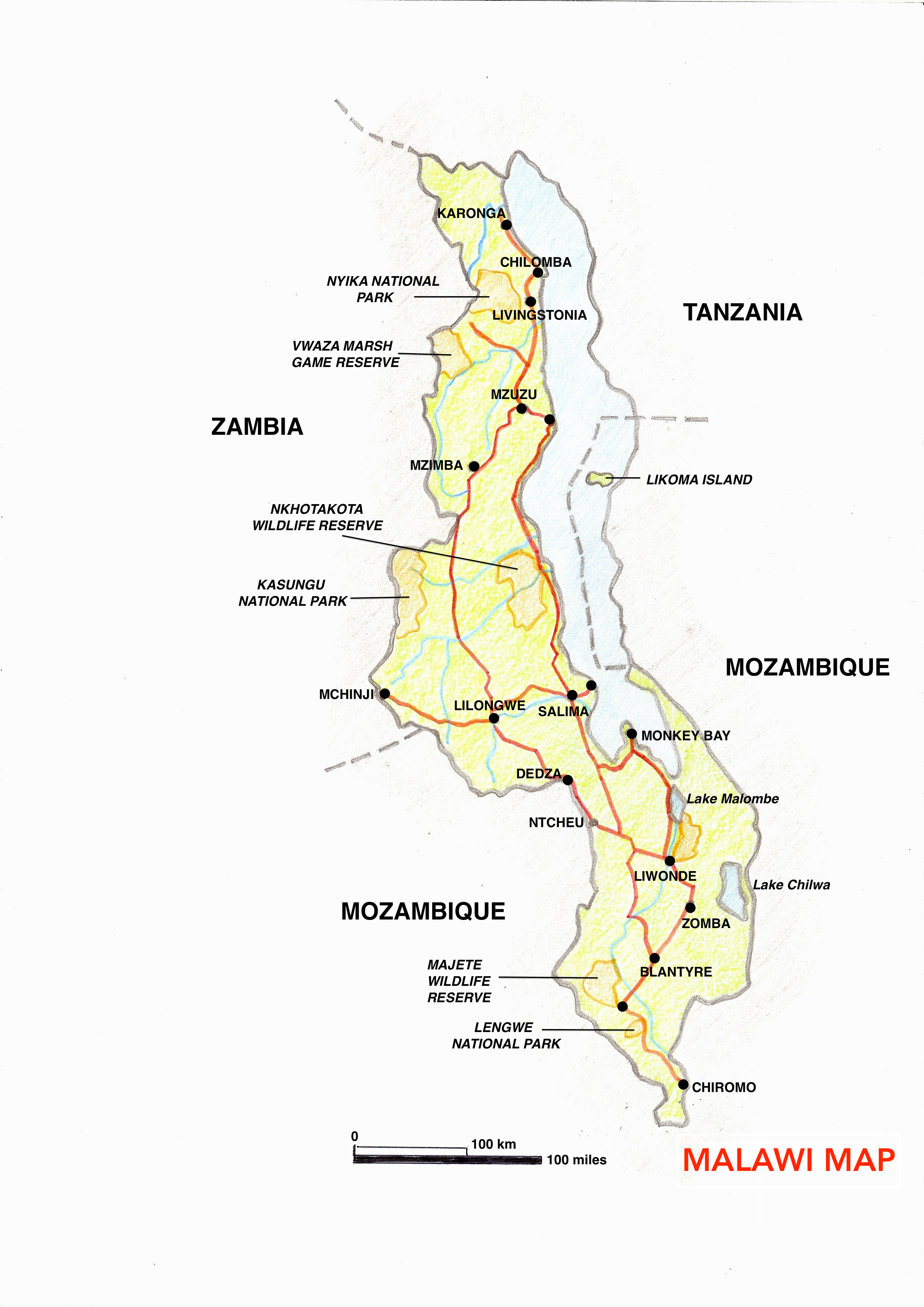
Safari experiences are now starting to match its other attractions – with massive wildlife and conservation programmes underway at Majete Reserve, Liwonde National Park and Nkhotakota Wildlife Reserve, Malawi is emerging as one of the most exciting and complete destinations in Africa!
So it’s official – Malawi is one of our HOT destinations! Put it on your bucket list.
Currency: Malawi’s currency is the Malawian Kwacha (MK). US$ are widely accepted. Credit cards (mainly Mastercard and Visa) are accepted at most lodges but there aren’t a lot of ATM machines and local traders will prefer cash. Please take small denomination US$ notes with you.
Language: English is widely spoken. Mawawi’s second official language is Chichewa.
Food & Drink: Excellent fish dishes are widely available but especially near Lake Malawi. The standard of food in most of Malawi’s lodges and camps is very good, as is the local beer. Imported South African wines are excellent, and reasonably priced. Bottled water is readily available.
Dress: Generally informal, although we recommend that swimwear and very skimpy clothing is limited to beach resorts. Neutral and muted layered clothing (not bright/white) is preferred for safaris. If your Malawi vacation includes time in the uplands, particularly during the winter months (April – September), it can be cold at night, and you will need to pack a warm sweater / jacket. Hats and gloves are recommended for early morning and evening game drives.
Travel To and Around Malawi
Malawi has good accessibility by air, with most international flights using the capital city Lilongwe’s Kamuzu International Airport (LLW). Some regional flights from Harare and Johannesburg use Blantyre’s Chileka International Airport (BLZ).
The road network throughout Malawi is mostly tarred, although roads can be narrow, and potholes can be expected. There are private companies offering light aircraft scheduled and charter flights between the international airports and beach / safari destinations. Guided private road transfers also provide an opportunity to see more of the beautiful Malawi countryside.
Malawi's Top Attractions
What To Do in Malawi
- Lake Malawi Beaches
- Likoma Island
- Liwonde National Park
- Majete Game Reserve
- Nkhotakoma Wildlife Reserve
- Nyika Plateau
- Beach Vacation
- Snorkelling, kayaking, waterspouts
- 4x4 Safaris
- Birding Safaris
Where to Go
Lake Malawi National Park
At almost 365 miles (580km) long, and 47 miles (75km) wide, Lake Malawi covers a total surface area of 11,400 square miles (over 29,500 km²). Expect pristine beaches with golden sands, swimming and watersports, snorkelling and diving opportunities, sailing and kayaking, game safaris, birdwatching opportunities, and access to some of the most beautiful, traditional fishing villages. There are several great beach lodges both on the mainland and on islands.At the southern end of the lake is Lake Malawi National Park, a UNESCO World Heritage Site which protects 94 km², including a land area around Cape Maclear, and the lake up to 100m from the shore.
Likoma Island
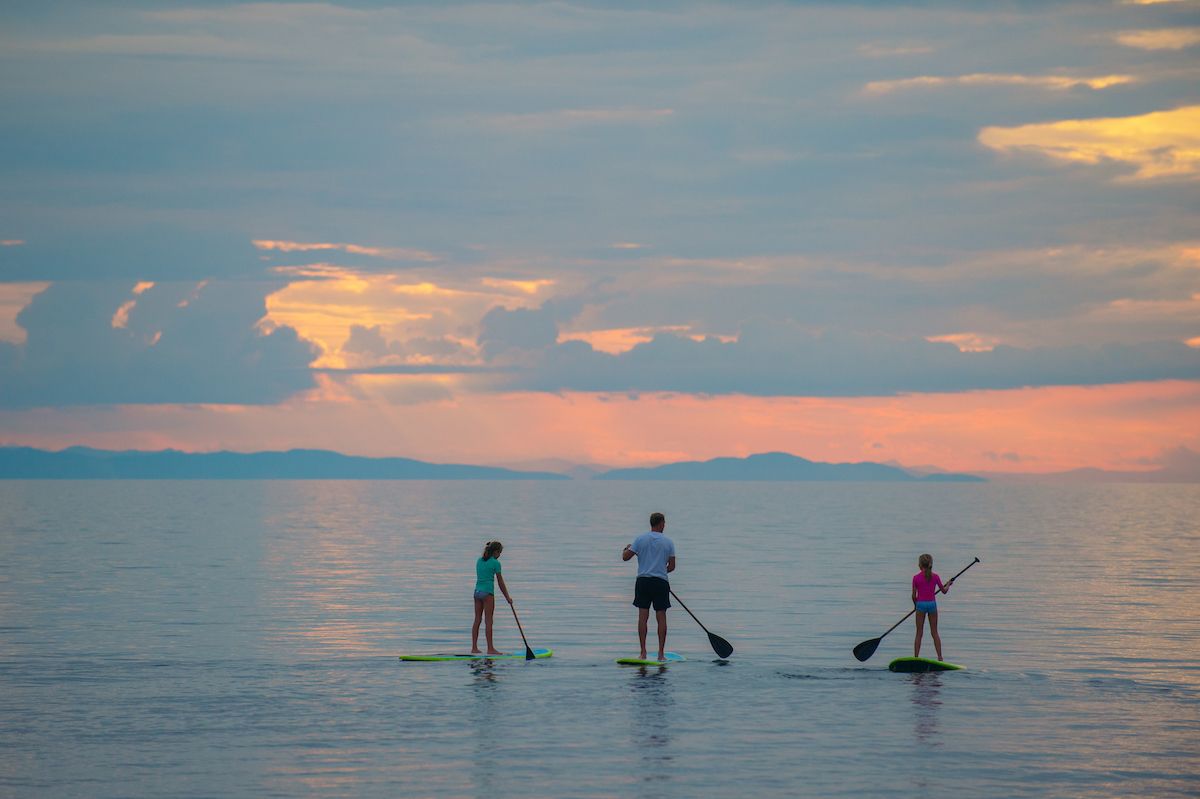
Located closer to Mozambique than to the mainland of Malawi, the tiny, unspoilt Lipoma Island is an hour’s scenic flight from Lilongwe, and boasts golden beaches, rocky promontories, the impressive St Peter’s Catheral and massive baobab trees. Likoma is a beautiful and romantic barefoot luxury escape, with crystal clear waters perfect for kayaking, swimming, SUPing, snorkeling and diving.
Liwonde National Park
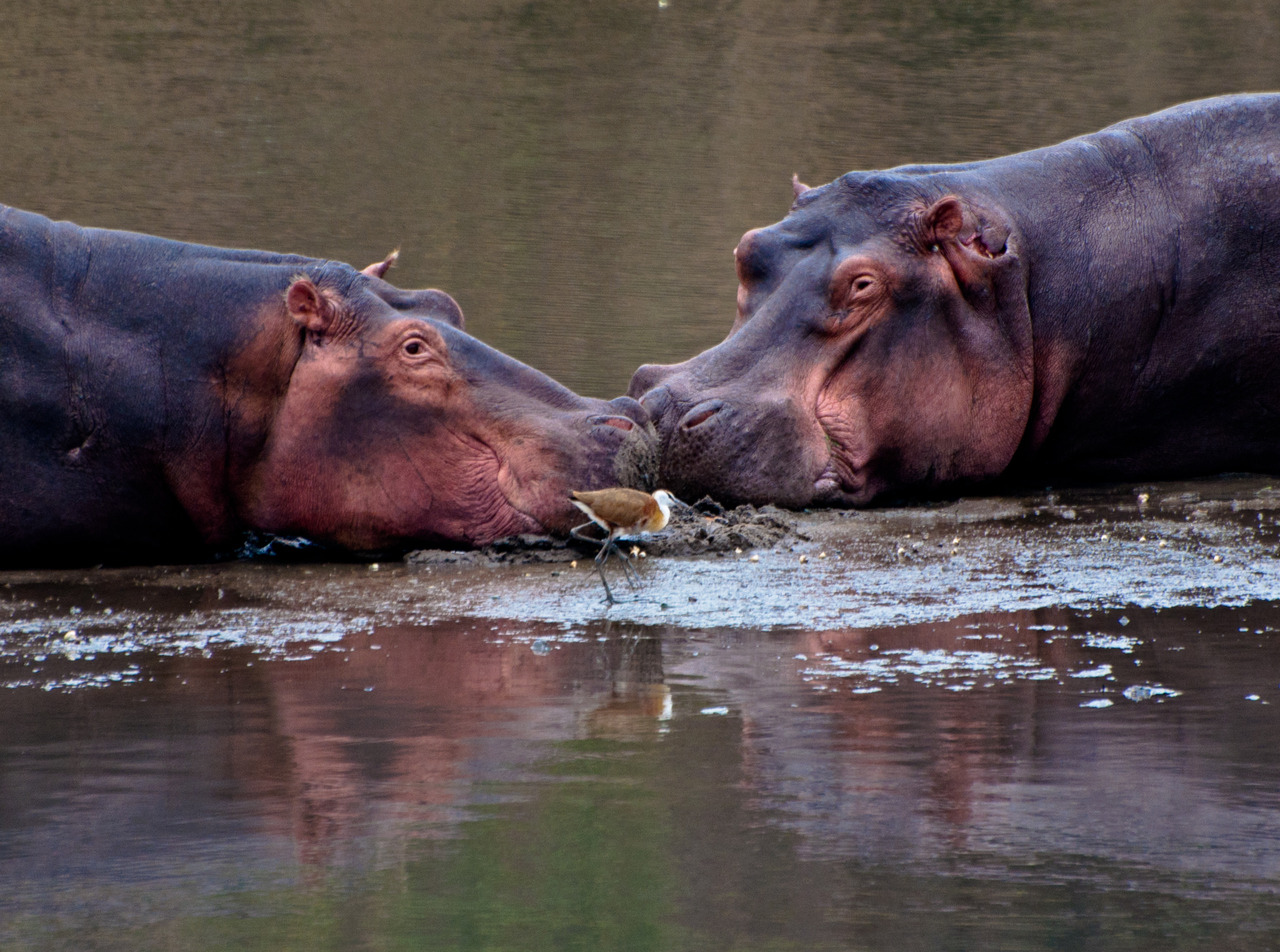
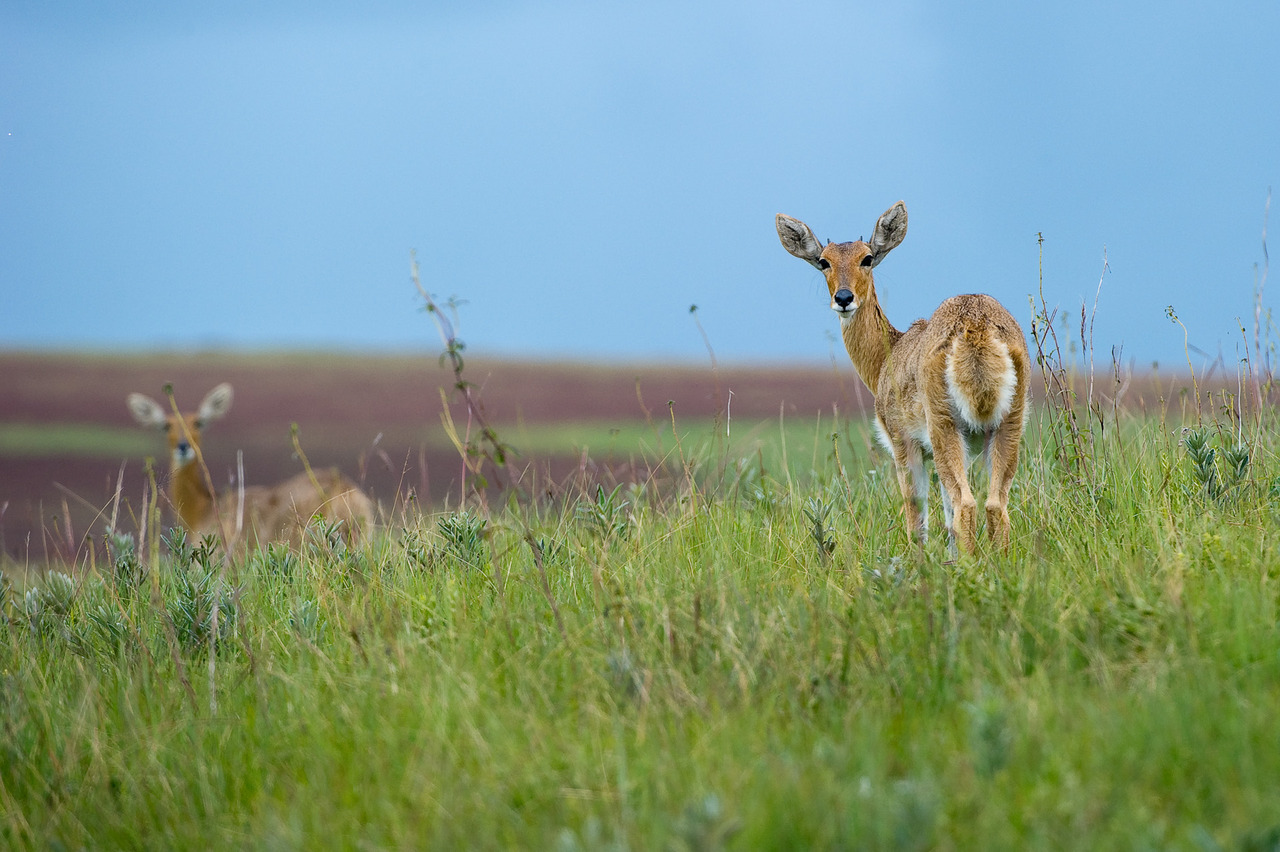
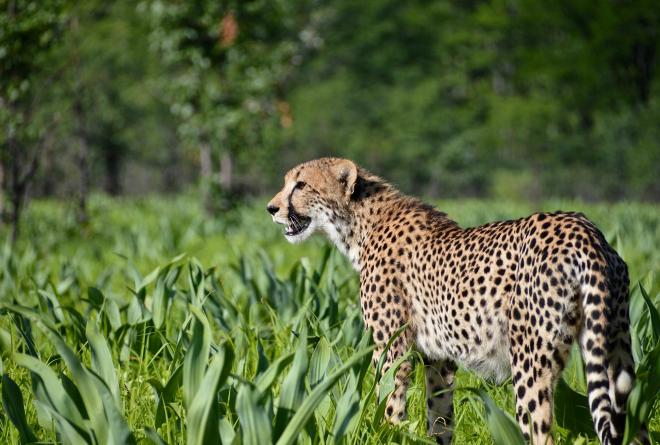
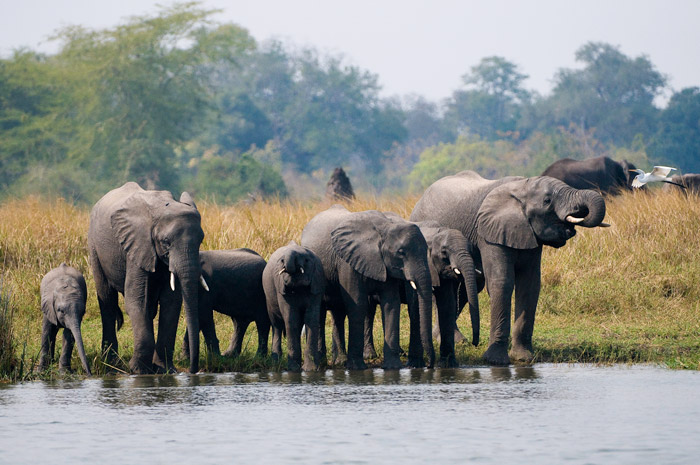
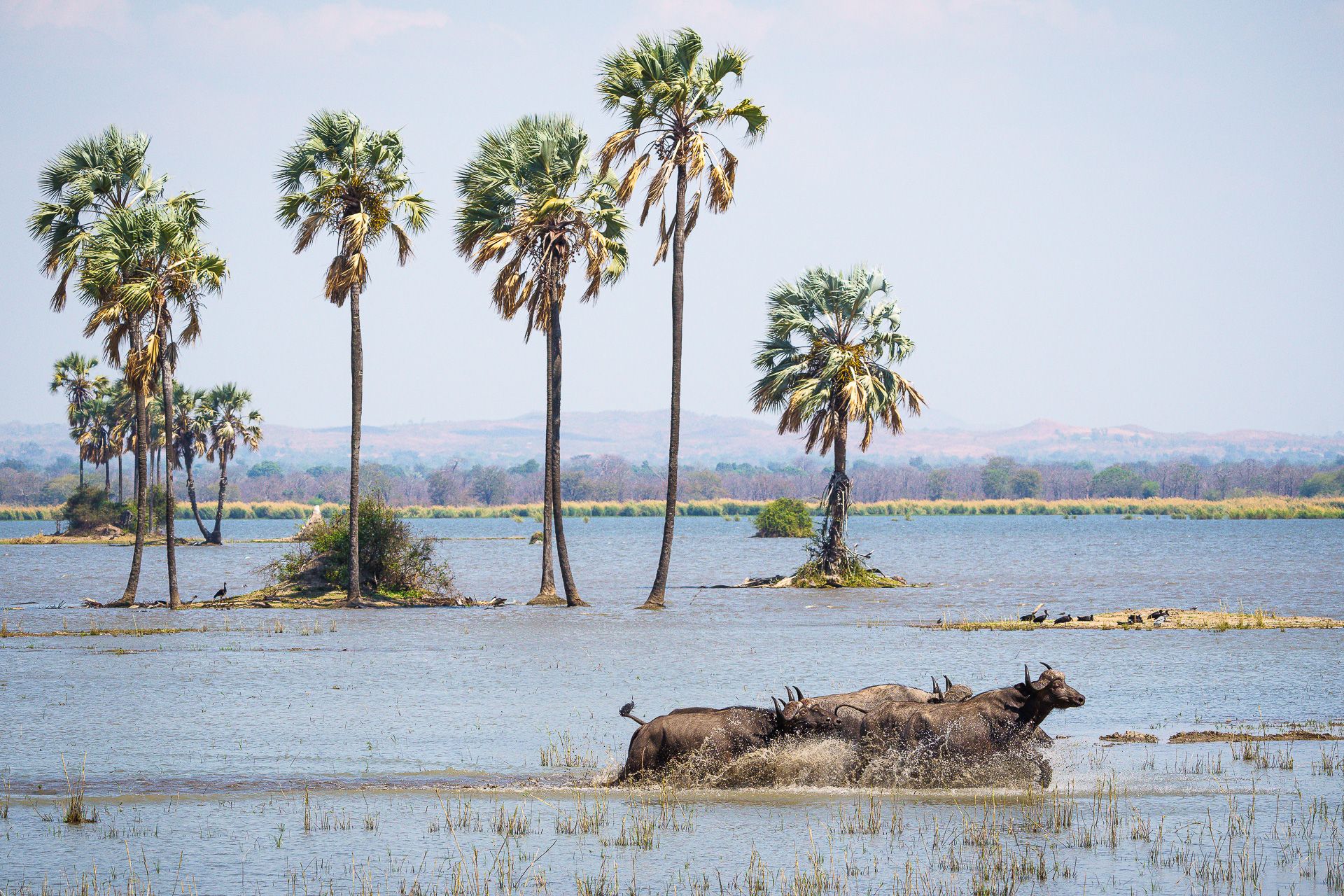
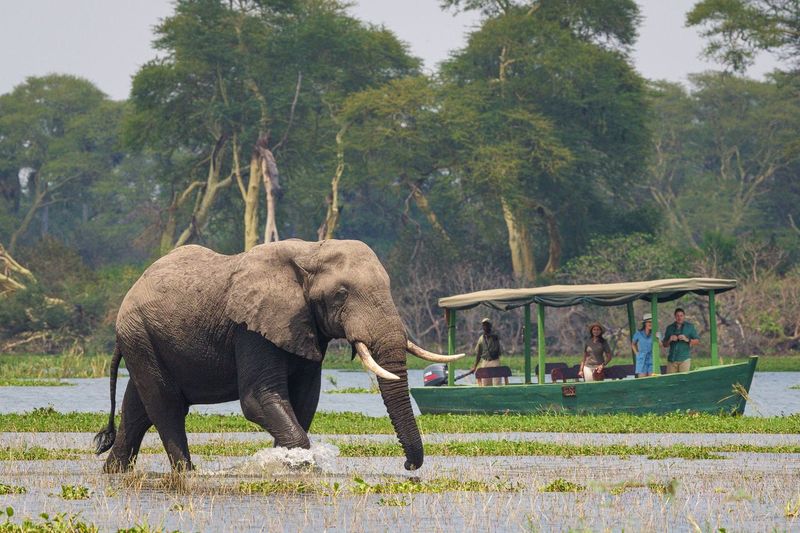
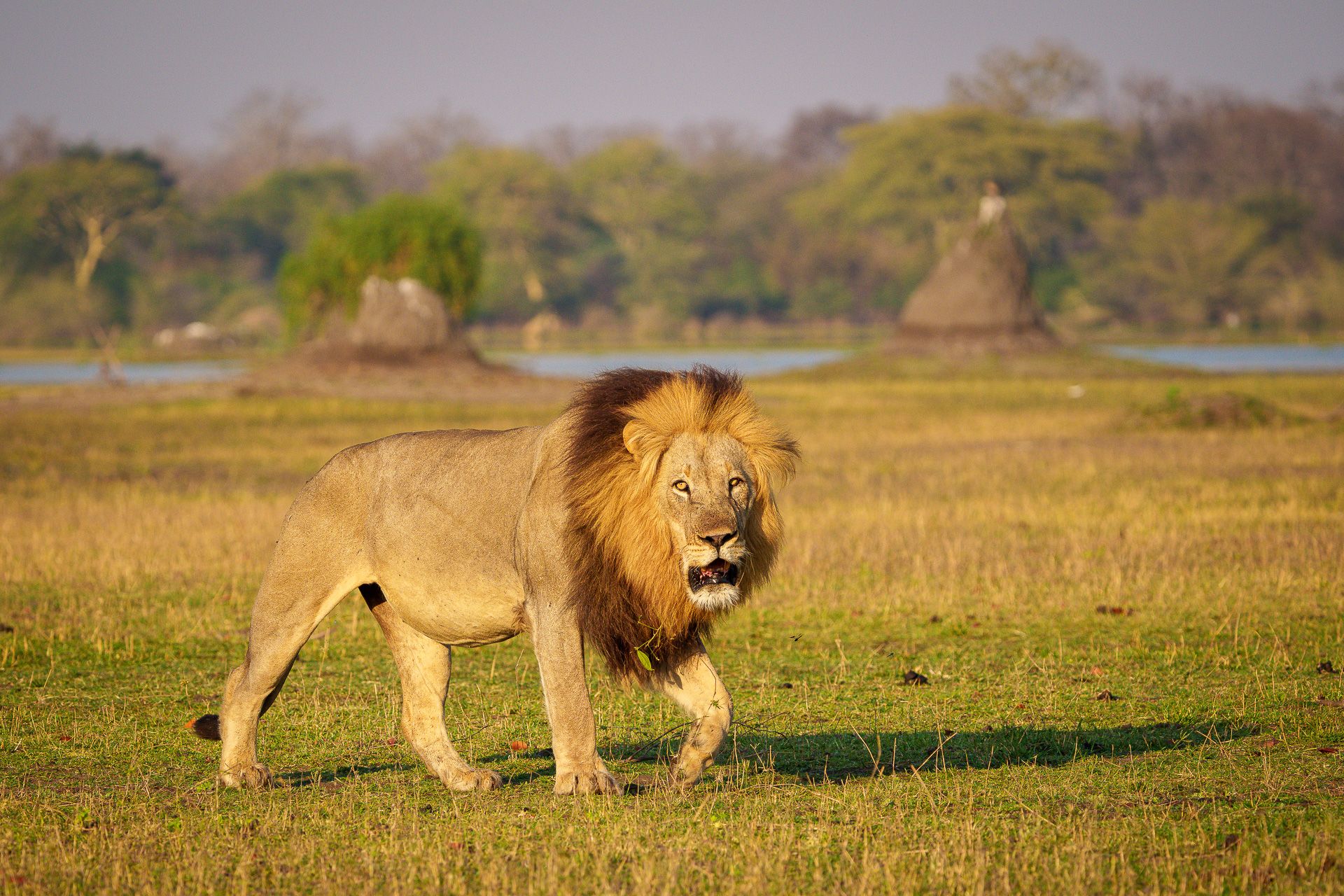
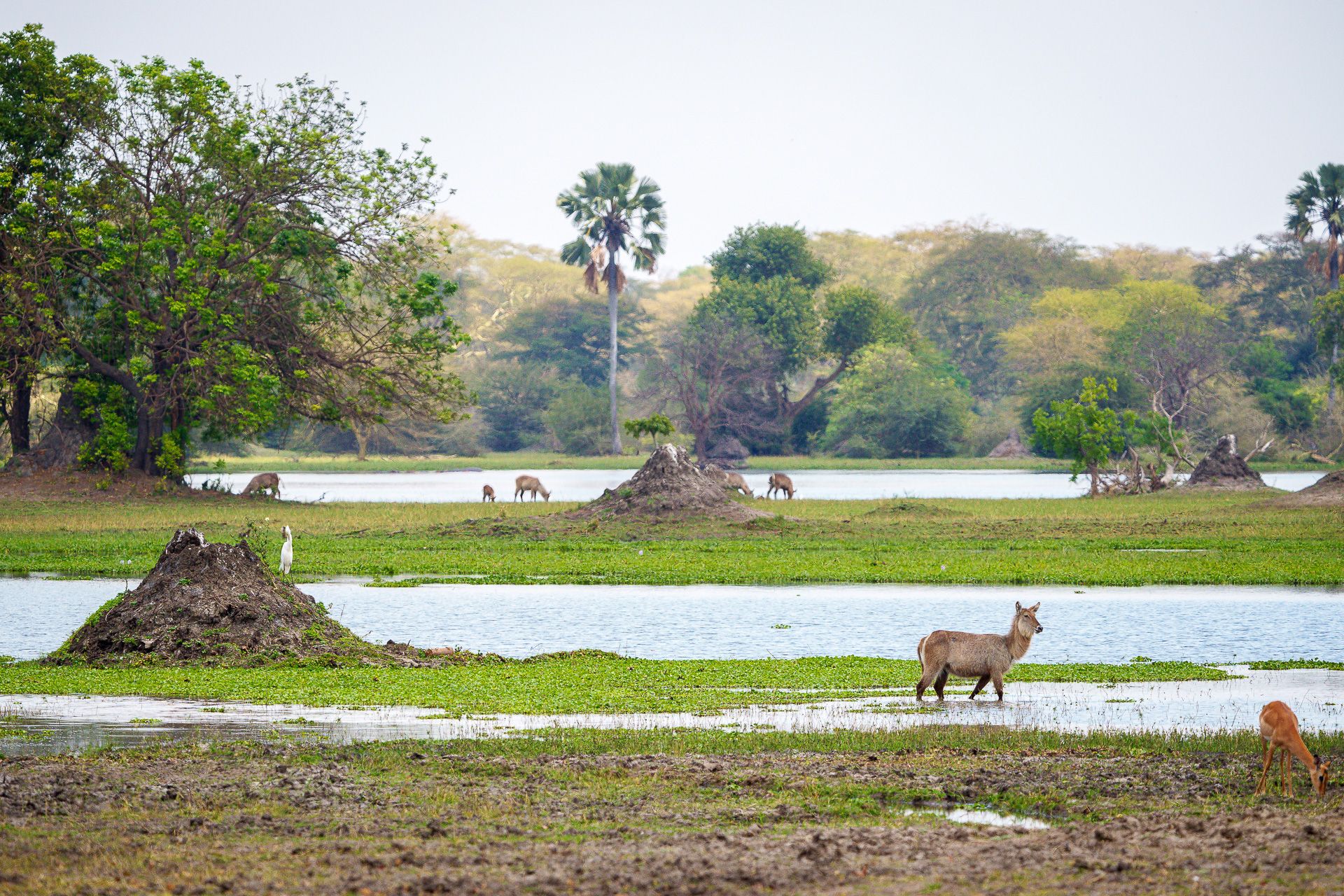
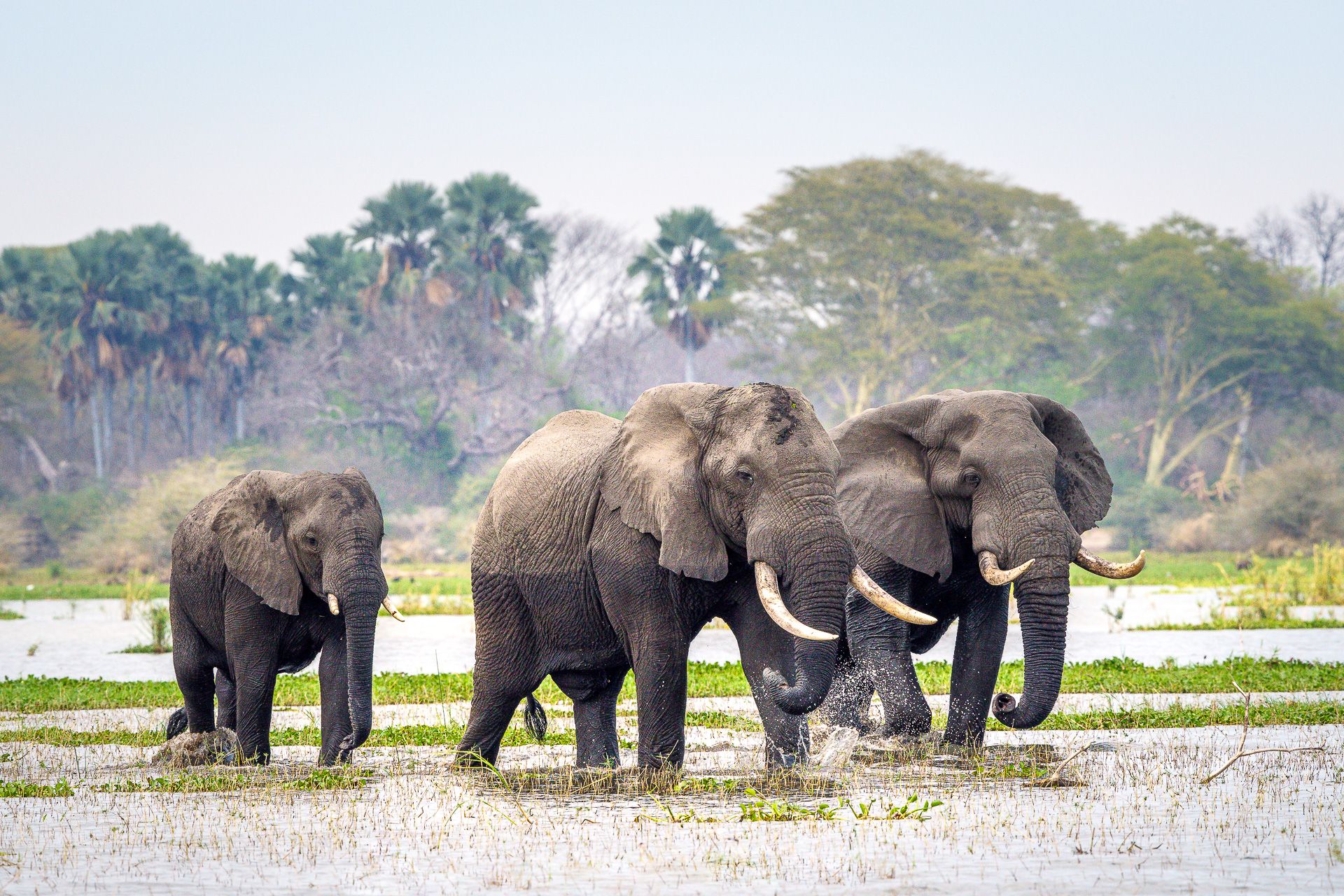
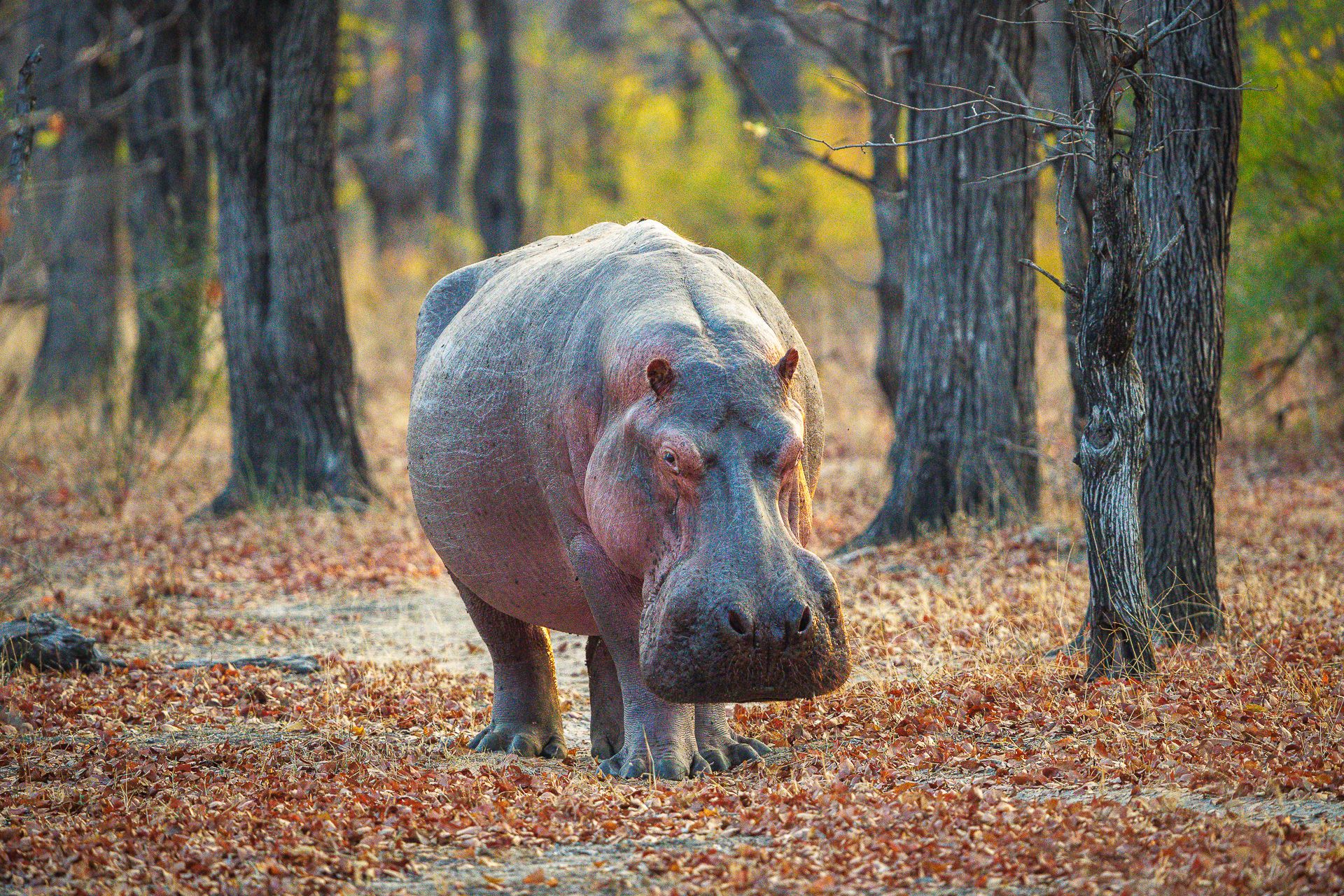
A particularly pretty national park, located just south of Lake Malawi, on the bank of the Shire River. At just over 550 sq kms, Liwonde is one of the most spectacular wildlife areas in Malawi, with dense wildlife concentrations, including around 900 elephant! Predators including Lion, Cheetah and Wild Dog have been successfully reintroduced here. The park is teeming with crocodiles, hippos, antelope, zebra and buffalo, and with more than 300 bird species, it’s also a birders paradise!
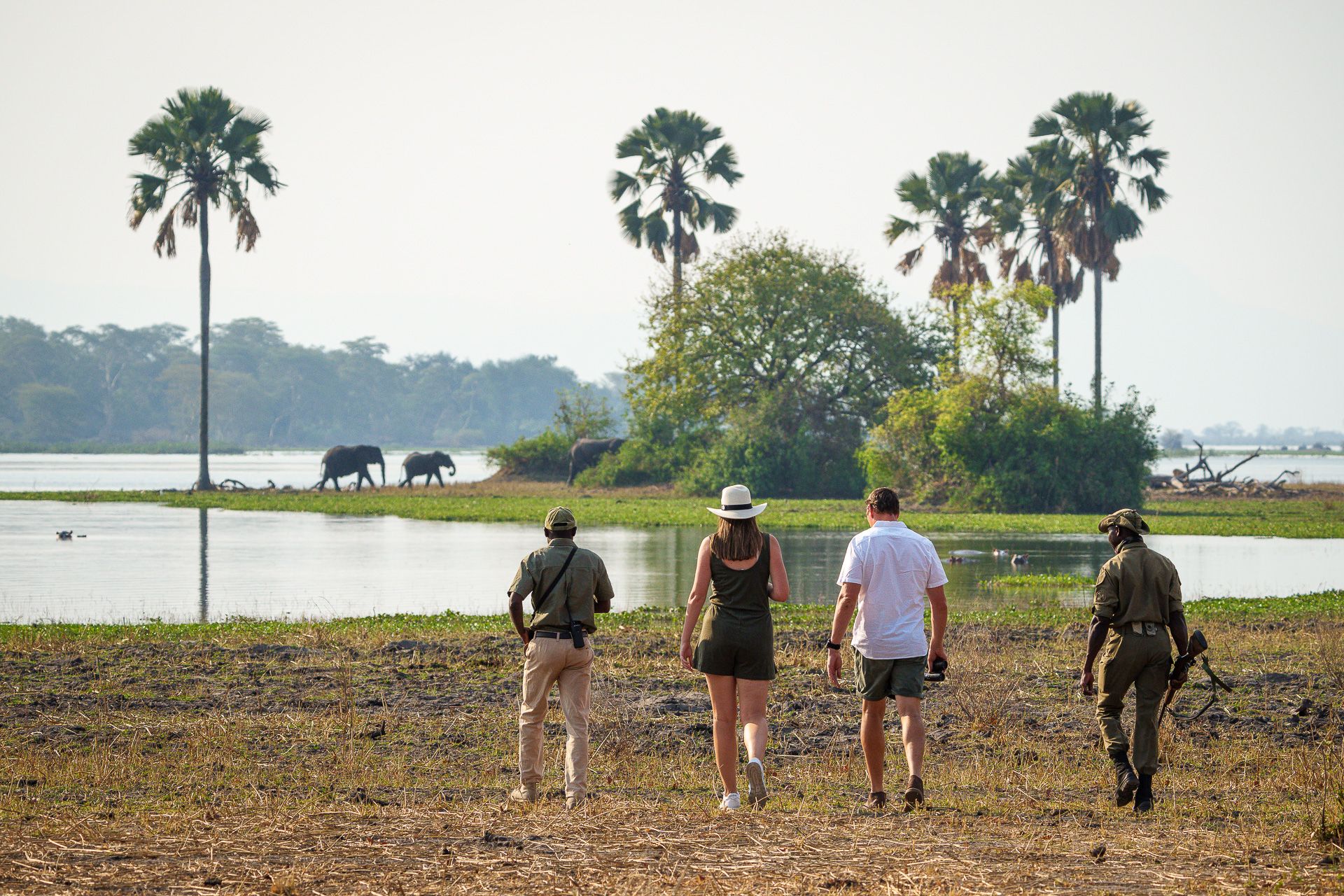
Activities in Liwonde include game drives, boating safaris, walking safaris and helicopter rides. Liwonde is a conservation success story, and a bucket list destination for safari aficionados wanting a top quality, unpretentious safari away from the crowds!
Majete Game Reserve
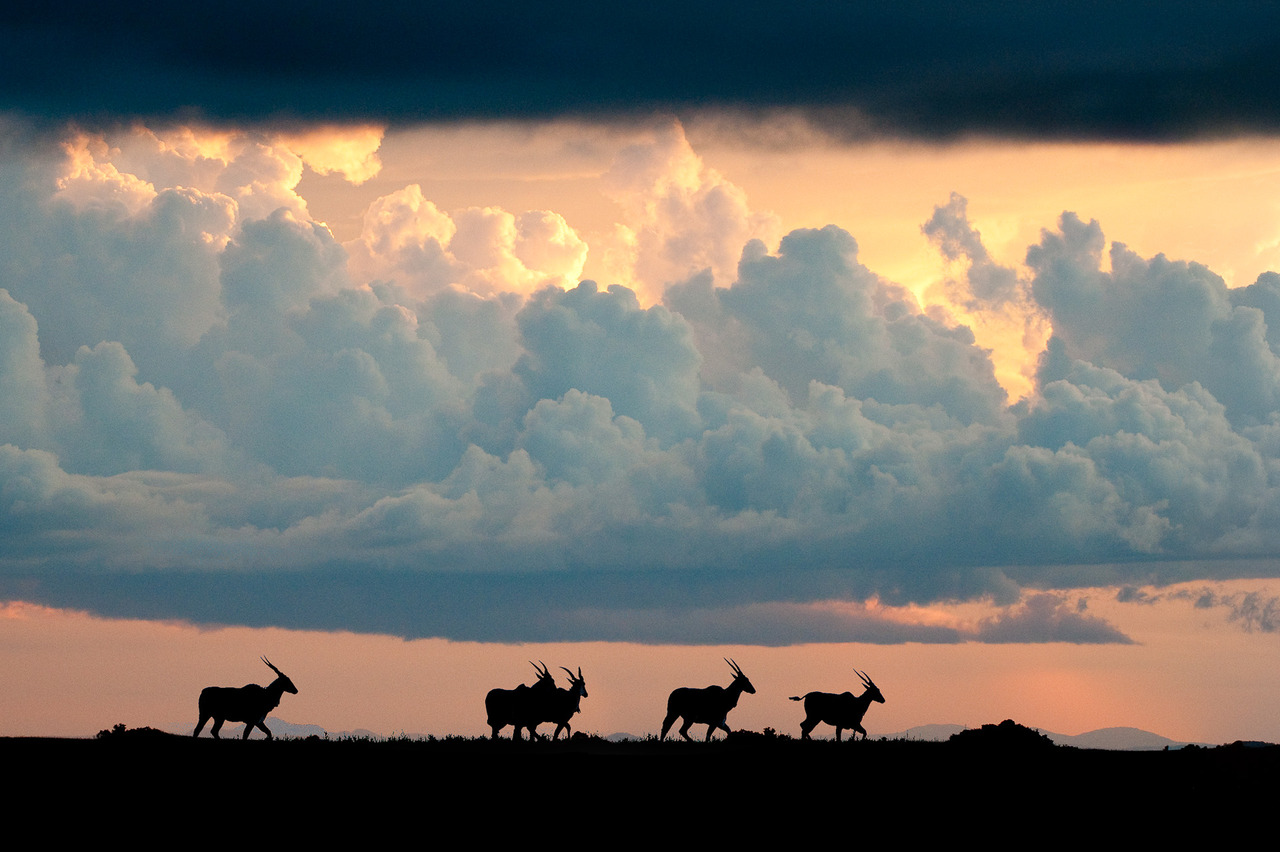
Located in the south of Malawi, about an hour’s drive from Blantyre, Majete is the only reserve in Malawi where you can see all of the Big 5, as well as giraffe, eland, zebras, wild dog, cheetah and hippo. Majete is a great destination for those looking to combine a safari with a beach vacation in Malawi, thanks to the outstanding rehabilitation and repopulation work done by African Parks and their non-profit partners. More than 300 bird species have been listed here, including raptors, vultures and large numbers of migratory birds between July and November each year. Activities offered in Majete include 4×4 game drives, walking safaris and seasonal boating safaris.
Nkhotakoma Wildlife Reserve
Malawi’s premier elephant sanctuary, Nkhotakoma is located in the east of Malawi, close to the lake, with rugged terrain, many rivers and woodlands. There’s an abundance of birdlife here, and it’s classified as an Important Bird Area (IBA). It’s a nature lovers paradise, where you can enjoy guided walking safaris, fishing (catch & release), kayaking and birding.
Nyika Plateau
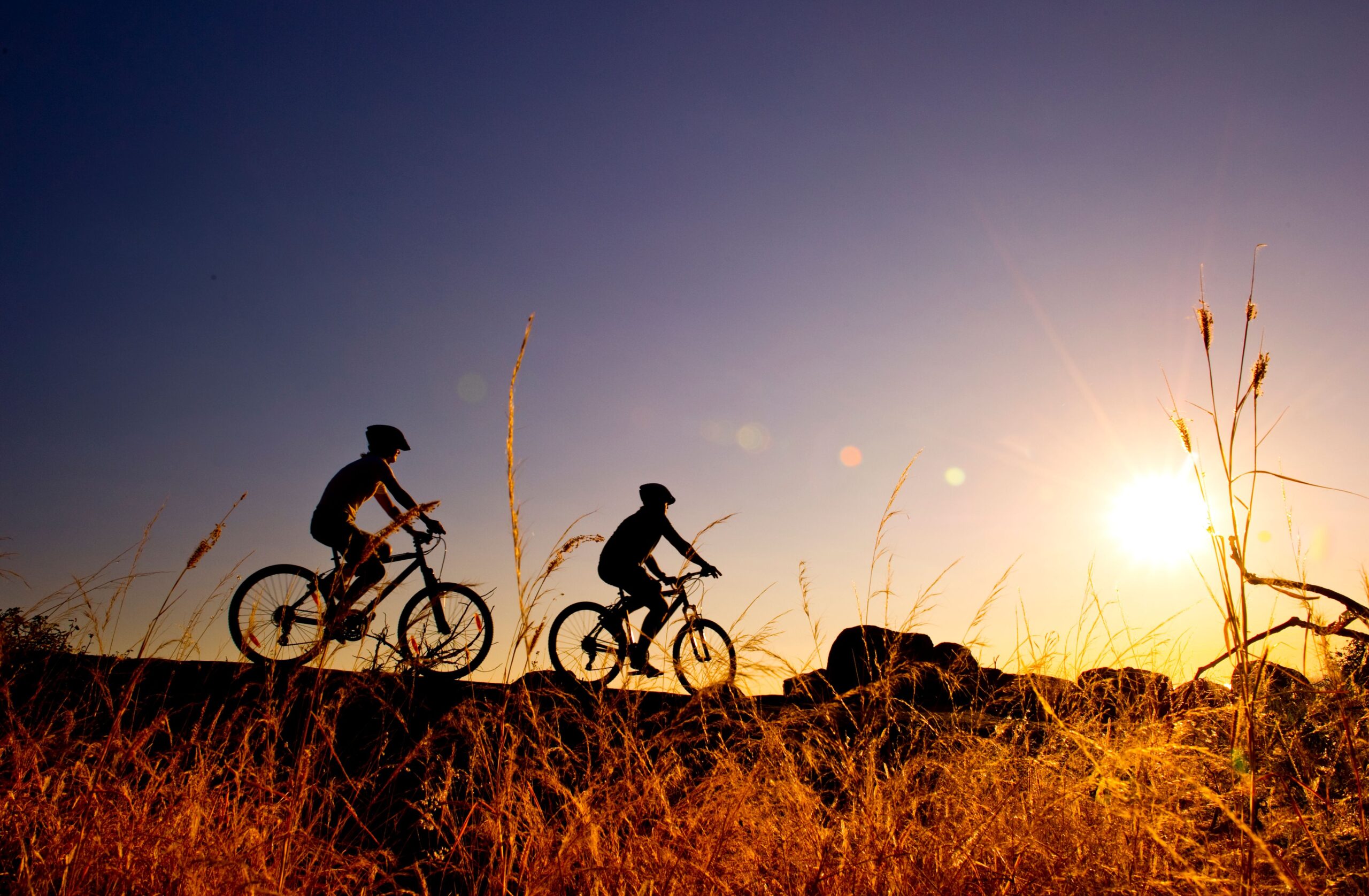
At over 3 200 sq kms, Nyika Plateau is Malawi’s largest national park, offering off-the-beaten-track spectacularly rugged landscapes, in the north of the country. The Afro-Montane vegetation supports large numbers of antelopes and zebra, as well as smaller mammals such as warthogs and bush pigs. There’s a healthy leopard population here too, although sightings of these elusive cats are not guaranteed. Nyika is a birder’s paradise with over 400 species. Activities here include mountain biking, hiking, fishing (catch and release) and nature drives.
Climate & When to Visit Malawi
|
|
Jan |
Feb |
Mar |
Apr |
May |
June |
July |
Aug |
Sept |
Oct |
Nov |
Dec |
|
Malawi |
✓ |
✓ |
✓✓ |
✓✓ |
✓✓✓ |
✓✓✓ |
✓✓✓ |
✓✓✓ |
✓✓✓ |
✓✓ |
✓ |
✓✓ |
The best time to visit Malawi is during the dry winter months, from early May to mid October. By late October it starts to get very hot and humid before Malawi’s rainy season, which usually starts in early November, and lasts until April. Some roads in the national parks may become impassable during the summer rainy season, and the risk of malaria is higher at this time.
Whilst the winter months can be quite cool high up on the northern Nyika Plateau, you can expect warm, sunny and dry days on the shores of Lake Malawi. Winter also offers the best game viewing, when vegetation is dry and the wildlife concentrates around the permanent waterholes, lakes and rivers.