What to Expect
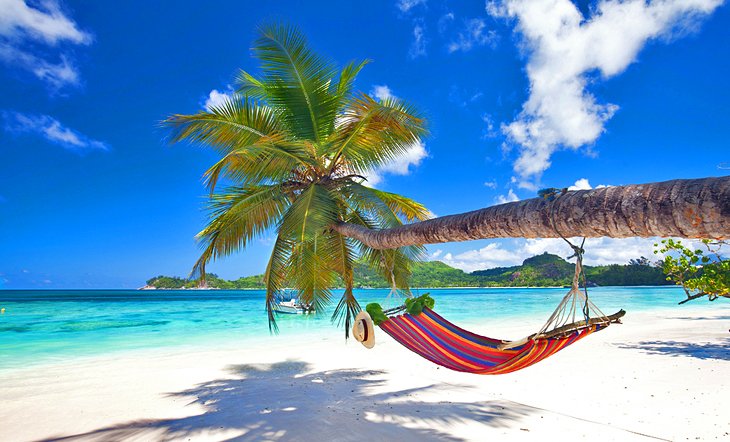
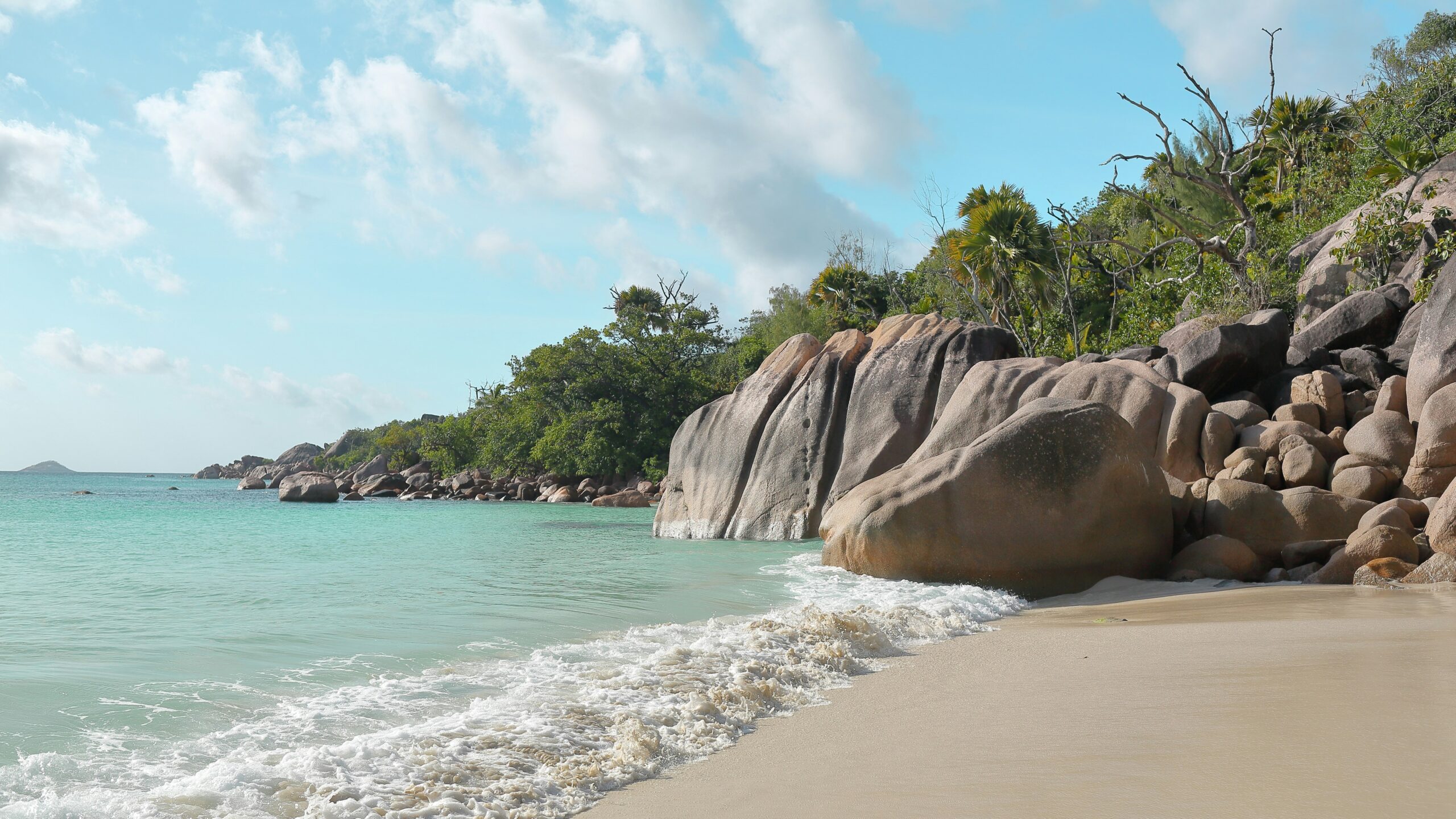
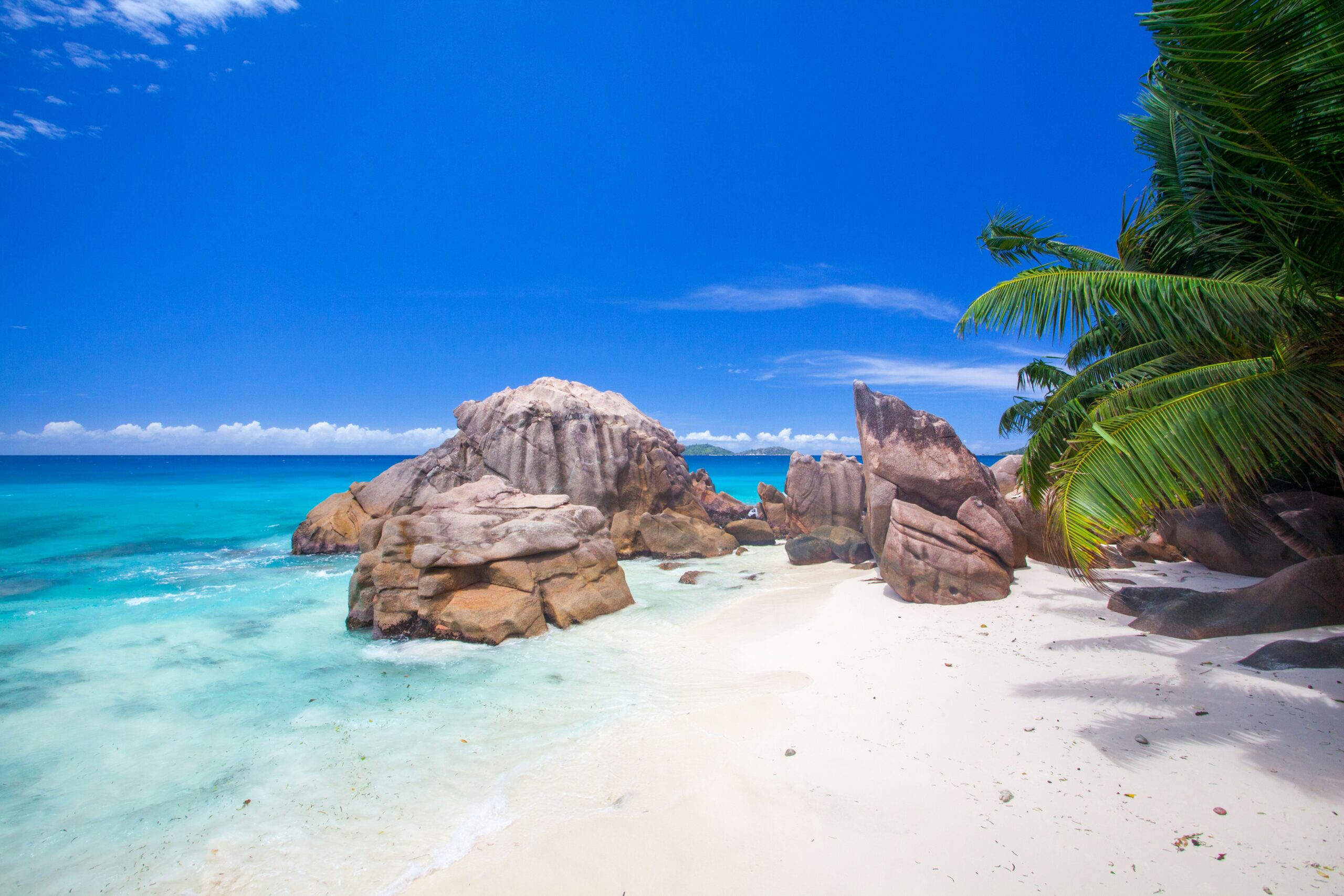
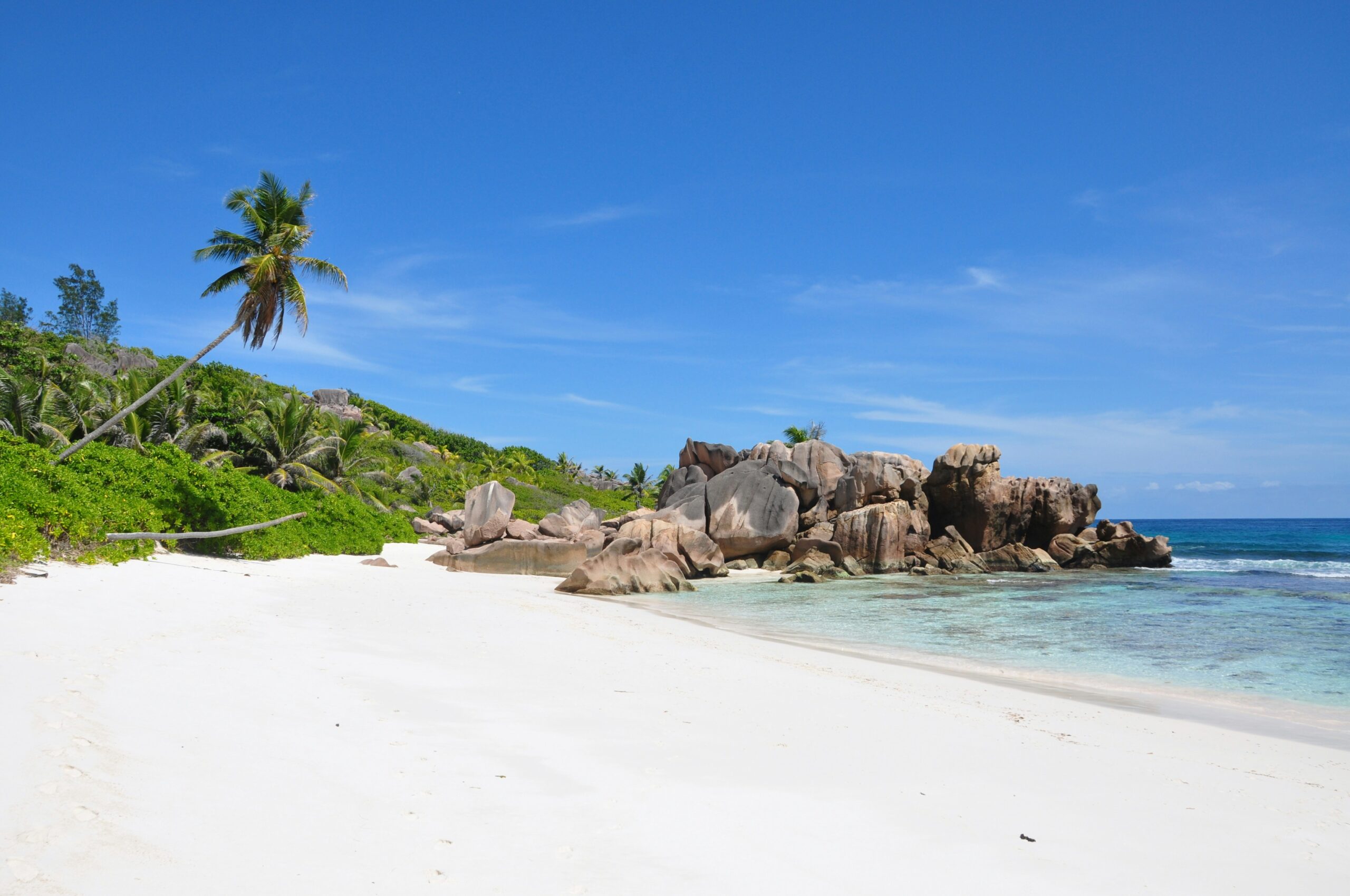
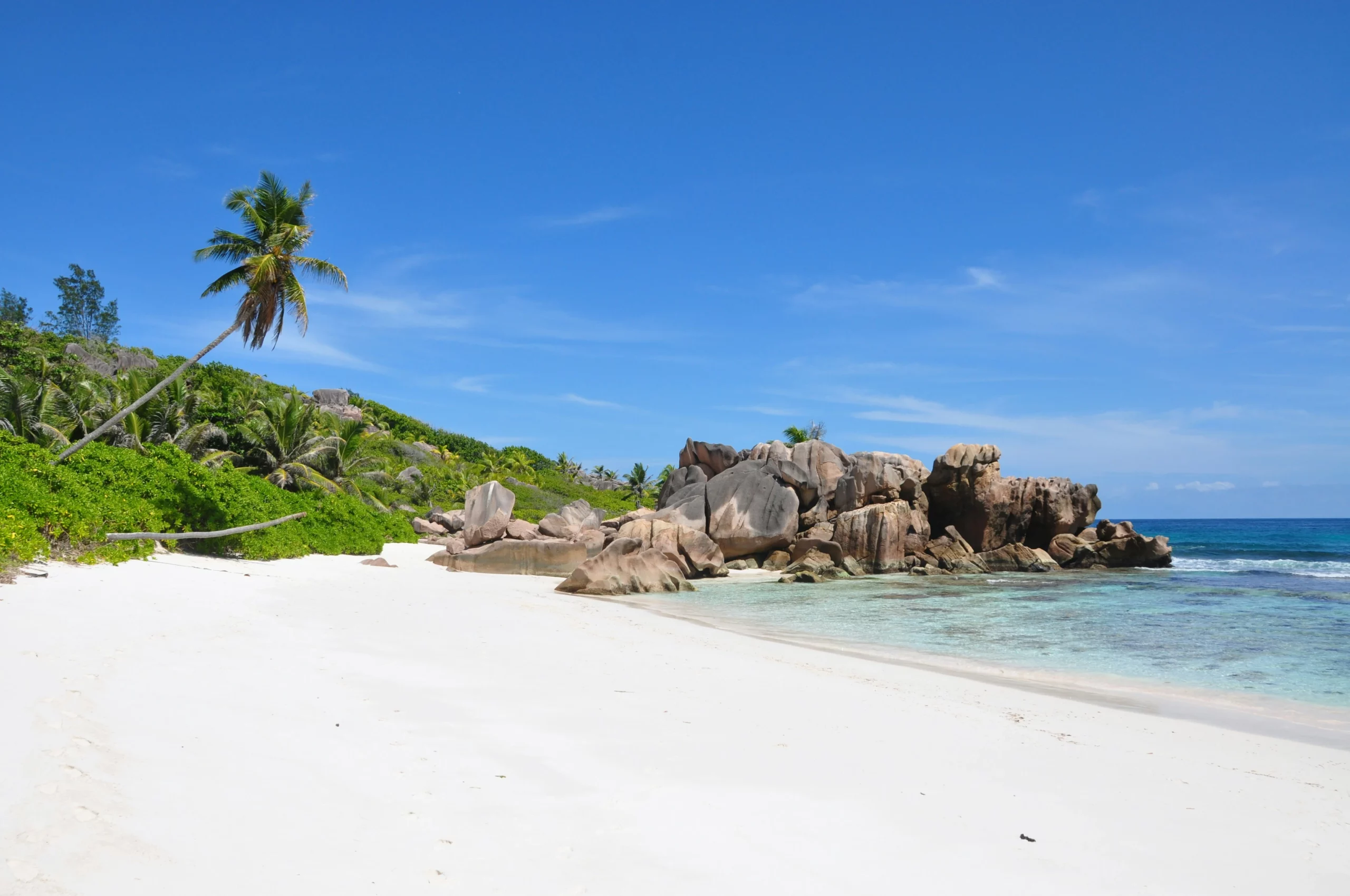
Welcome to the Seychelles, a tropical island paradise in the heart of the Indian Ocean. This idyllic country comprises 115 granite and coral islands located between 480 and 1,600km from Africa’s east coast. There are 41 “inner” granite islands and a further 74 low-lying coral islets. Known for its picture-perfect, palm-fringed pristine beaches and azure waters, Seychelles is an exotic and beautiful destination that offers an unforgettable escape! Each island is a place like no other, with its own distinct character, history, ethnicity, culture and architecture. Seychelles is about the diversity of activities and all that there is to discover – deep-sea fishing, island hopping, diving and snorkelling, eco-tourism, hiking, spa and wellness, golf. This is an island paradise where massive granite boulders are scattered alongside powder-soft sandy beaches, where more than 1,000 endemic species of flora and fauna are protected in lush nature reserves, and where a melting-pot of influences has shaped a unique and welcoming Creole culture. The archipelago is a haven for snorkeling, diving, fishing and many other watersports. This small island nation boasts the highest protected landmass in the world – 48% of the islands’ surface area and an additional 32% of its marine territory is protected!
The Seychelles archipelago stretches across the Indian Ocean between 480km and 1,600km from the east coast of Africa. This puts it outside of the cyclone belt; and with annual temperatures ranging from 24 to 32ºC (75 – 90ºF), the Seychelles really is the perfect beach vacation destination.
International tourists typically reach the Seychelles by air, flying into Seychelles International Airport (SEZ), located on the main island of Mahé, which serves as the gateway to this island country. This airport is well-connected to several major cities around the world via direct and connecting flights.
Key airlines operating flights to the Seychelles include Emirates, Qatar Airways, Etihad Airways, Turkish Airlines, and Kenya Airways, offering connections from hubs like Dubai, Doha, Abu Dhabi, Istanbul, and Nairobi. Air Seychelles, the national carrier, also provides flights to regional destinations such as Mauritius, South Africa, and India. Seasonal charter flights and other carriers like Condor and Edelweiss Air bring visitors from Europe.
From Mahé, visitors transfer to other islands in the archipelago via light aircraft, helicopter, sea planes or ferries. Each mode of transport has its own charm, ensuring your island-hopping adventure is as memorable as the destination itself.
Money: The local currency is the Seychellois Rupee (SCR), although Euros and US$ are widely accepted. Most banks are open from 08h30 – 16h30 Mondays – Fridays. Banks are usually closed on Saturdays and Sundays. Credit cards (in particular MasterCard and Visa) are widely accepted .
Language: The main language is Seychellois Creole (Seselwa). French and English are also widely spoken.
Food & Drink: The food and drink in Seychelles is a fusion of favours from many cultures, including African, French, Indian and Chinese. Because of its location in the Indian Ocean, fresh fish and seafoods are prominent staples here, often accompanied with rice. Fish dishes are cooked in several ways, such as steamed, grilled, wrapped in banana leaves, baked, salted and smoked. Aromatic spices and curry dishes are also a significant aspect of the country’s cuisine.
Palm wine, rum and local beer (Seybrew and Eku) are popular alcoholic drinks in Seychelles.
Dress: Seychelles is a conservative country. Dress is generally informal, but modest. Please be mindful when visiting small villages or interacting with locals. Pack plenty of beachwear – swim suits, sarongs, sandals, natural fibre loose fitting dresses, shirts and shorts.
Travelling Around the Seychelles
Island hopping in the Seychelles is relatively easy, thanks to well-established transportation options designed to cater to both locals and tourists. However, because the archipelago is spread across a vast area of ocean, your itinerary and the appropriate choice of transport needs to be well considered. Ferries, domestic scheduled flights, charter flights and helicopter transfers, private motor boats and yachts and sea planes are all available. Each island has its own unique appeal and many visitors choose to have a two-island vacation to enjoy the very different natural beauty and atmospheres.
Seychelles' Most Popular Islands
What To Do in Seychelles
- Mahé
- Praslin
- La Digue
- Desroches and the Amirantes Islands
- Silhouette Island
- Private Resort Islands
- Some of the World's Most Beautiful Beaches
- Eco Tourism, Hiking, Pristine Nature
- Scuba Diving & Snorkelling
- Water Sports : Surfing, fishing, sailing
- Sailing Cruise around the islands
- Creole Culture & Cuisine
Where to Go
Mahé
Mahé is the main island of the Seychelles archipelago, and at 157 km², it is also the largest. Seychelles International Airport is located here, with all international flights arriving into Mahé. Whichever islands you choose for your Seychelles vacation, it’s worth considering spending a day or two in Mahé.
The Seychelles’ tiny capital city, Victoria, is located in the north east of the island. Rich in history, and with some interesting markets, and a miniature “Big Ben” clock, a half-day tour of Victoria is fascinating, colourful and fun. With just 25,000 inhabitants the tiny city is easy and safe to walk around. Visit the Sir Selwyn-Clarke Market for stalls laden with fresh seafood and tropical fruits, souvenirs and pareos (sarongs), visit the rainbow-coloured Hindu Sri Navasakthi Vinayagar Temple and the National Museum of History for an easy guide to Creole culture. The city’s Botanical Gardens provide welcome shade on hot and humid days.
Mahé is a hilly island, and the picturesque drive from west to east can take up to an hour, through forests and mountains. With 75 or more beaches, the island offers superb swimming, snorkelling, and scuba diving.
Morne Seychellois National Park: The iconic Copolia Hike is a manageable 90 minute round trip. The 500m high summit opens onto a granite slab with expansive views of the capital Victoria, and across azure seas to the neighbouring islands of La Digue and Praslin, and to the man-made resort, Eden Island.
Beaches: Most visitors enjoy the beaches at their resort/villa location, but it’s worth noting that Mahé has about 75 beaches, great for swimming, snorkelling and scuba diving. Some of our favourites include Grand Anse, Beau Vallon, Anse Takamaka, Petite Anse, Anse Royale, Anse Soleil and Sunset Beach.
Praslin
Praslin is the 2nd largest island of the inner Seychelles and is 44km (27 miles) to the northeast of Mahé. Praslin is just 4km (2.5 miles) wide and 11km (7 miles) long, and with two almost parallel roads running from north to south, it’s an easy island to explore. Similar in topography to Mahé, Praslin is a wonderfully beautiful, relatively hilly granite island, with lush vegetation hanging over white sandy beaches and clear lagoons. The main tourist hubs are at the Côte d’Or beach, Grande Anse and Baie Sainte-Anne.
Praslin is a popular day trip from Mahé, and frequently features as a second island stay for those having a split-destination island vacation. The UNESCO World Heritage Site Vallée de Mai Nature Reserve is home to ancient groves of Coco de Mer palms, which have the largest seeds of any plant. Popular day trips from Praslin include nearby Curieuse Island, home to over 250 breeding giant tortoises; as well as to La Digue, Cousin and Aride Islands.
Praslin is a wonderful choice for those who enjoy pristine nature, beautiful beaches, snorkelling, diving, boating.
What to Do: Vallée de Mai Nature Reserve, Praslin National Park, Fond Ferdinand Nature Reserve, Golf, Helicopter flights over the island, watersports
Beaches: You’re spoilt for choice on Praslin, but some of the best are Anse Lazio (particularly for sunsets), Anse Georgette, Anse Volbert, Anse Consolation and Côte d’Or Beach.
La Digue
Situated 6.5km southeast of Praslin, La Digue is Seychelles’ fourth-largest island, and is a serene haven known for its unspoiled beauty and relaxed atmosphere. Famous for its car-free charm, visitors explore the island on foot, by bicycle or ox-cart, adding to its timeless allure. La Digue is home to the iconic Anse Source d’Argent, a beach renowned for its dazzling white sand, turquoise waters, and dramatic granite boulders, making it one of the most photographed beaches in the world. Beyond the beaches, the island offers lush forests, traditional Creole architecture, and the opportunity to spot rare wildlife like the Seychelles black paradise flycatcher (best seens in the Veuve Nature Reserve). Overnight stays on La Digue are possible, but most visitors come for the day to experience the slow pace of life, warm hospitality, and stunning natural landscapes.
What to Do: Explore the island by bike or ox-cart. Union Estate coconut & vanilla plantations, Veuve Nature Reserve
Beaches: Anse Source d’Argent, Anse Marron, Petite Anse, Anse Cocos
Silhouette Island
Silhouette Island, the third-largest island in the Seychelles, is a secluded paradise known for its unspoiled natural beauty and rich biodiversity. Located 20 kilometers northwest of Mahé, the island is part of a marine national park, making it a haven for eco-tourists. Dense rainforests cover much of Silhouette, with trails leading to breathtaking viewpoints and rare flora and fauna, including the Seychelles sheath-tailed bat. Pristine beaches with powdery white sand and turquoise waters offer the perfect setting for relaxation or snorkelling in vibrant coral reefs. It’s easy to get to Silhouette from Mahé, either by boat or take a scenic helicopter transfer. With just two hotels on the island, the Hilton Seychelles Labiz Resort & Spa, and La Bell Tortue Lodge, Silhouette feels relatively exclusive.
Silhouette Island is perfect for those seeking an unspoiled, immersive experience combining luxury, nature, and adventure.
What to Do: Explore hiking trails through lush tropical forests; fishing, snorkelling, scuba diving, kayaking, SUPing, wellness & relaxation, star gazing.
Beaches: Anse La Passe, Anse Lascars, Grand Barbe
Private Resort Islands
The private resort islands epitomize exclusivity and luxury, offering guests a truly unique and intimate escape. Each island is a self-contained sanctuary, combining pristine beaches, lush tropical landscapes, and world-class amenities designed for relaxation and rejuvenation.
These islands cater to travellers seeking privacy and indulgence, with accommodations often limited to a handful of villas or suites, ensuring an uncrowded and tranquil atmosphere. Resorts on private islands provide tailored experiences, from personal butlers and private chefs to bespoke itineraries that highlight the best of the island’s natural wonders.
Activities on Seychelles private islands range from leisurely pursuits to thrilling adventures. Guests can snorkel or dive in vibrant coral reefs, indulge in spa treatments amidst stunning backdrops, and enjoy gourmet dining featuring fresh, locally sourced ingredients. Nature enthusiasts will appreciate opportunities to explore unspoiled habitats, where rare species like giant tortoises, seabirds, and vibrant marine life thrive.
For honeymooners, families, or solo travellers seeking the ultimate retreat, Seychelles private islands deliver an unmatched blend of luxury, seclusion, and connection to nature, making every moment unforgettable.
Private Resort Inner Granite Islands : North Island, Félicité Island, Fregate Island
Private Resort Outer Coral Islands: Denis Island, Desroche Island
Climate & When to Visit the Seychelles
|
|
Jan |
Feb |
Mar |
Apr |
May |
June |
July |
Aug |
Sept |
Oct |
Nov |
Dec |
|
Seychelles |
✓✓ |
✓✓ |
✓✓ |
✓✓✓ |
✓✓✓ |
✓✓ |
✓✓ |
✓✓ |
✓✓ |
✓✓✓ |
✓✓✓ |
✓✓✓ |
The Seychelles enjoys a warm, tropical climate year-round, making it a great destination at any time. Temperatures typically range between 24°C (75°F) and 32°C (90°F), with high humidity moderated by the ocean breeze. The best time to visit depends on your preferences: April to May and October to November are ideal, with calm seas and minimal wind, perfect for swimming, snorkeling, and diving. The southeast trade winds blow from May to September, bringing cooler, drier weather but rougher seas, especially on southeast-facing beaches. December to March marks the northwest monsoon, with warmer, more humid conditions and occasional rainfall, often in brief, intense bursts. Rain is most likely in January, but even during the wet season, the Seychelles enjoys plenty of sunshine. These variations in weather allow visitors to choose the best season for their preferred activities, from water sports to beach relaxation.