What to Expect
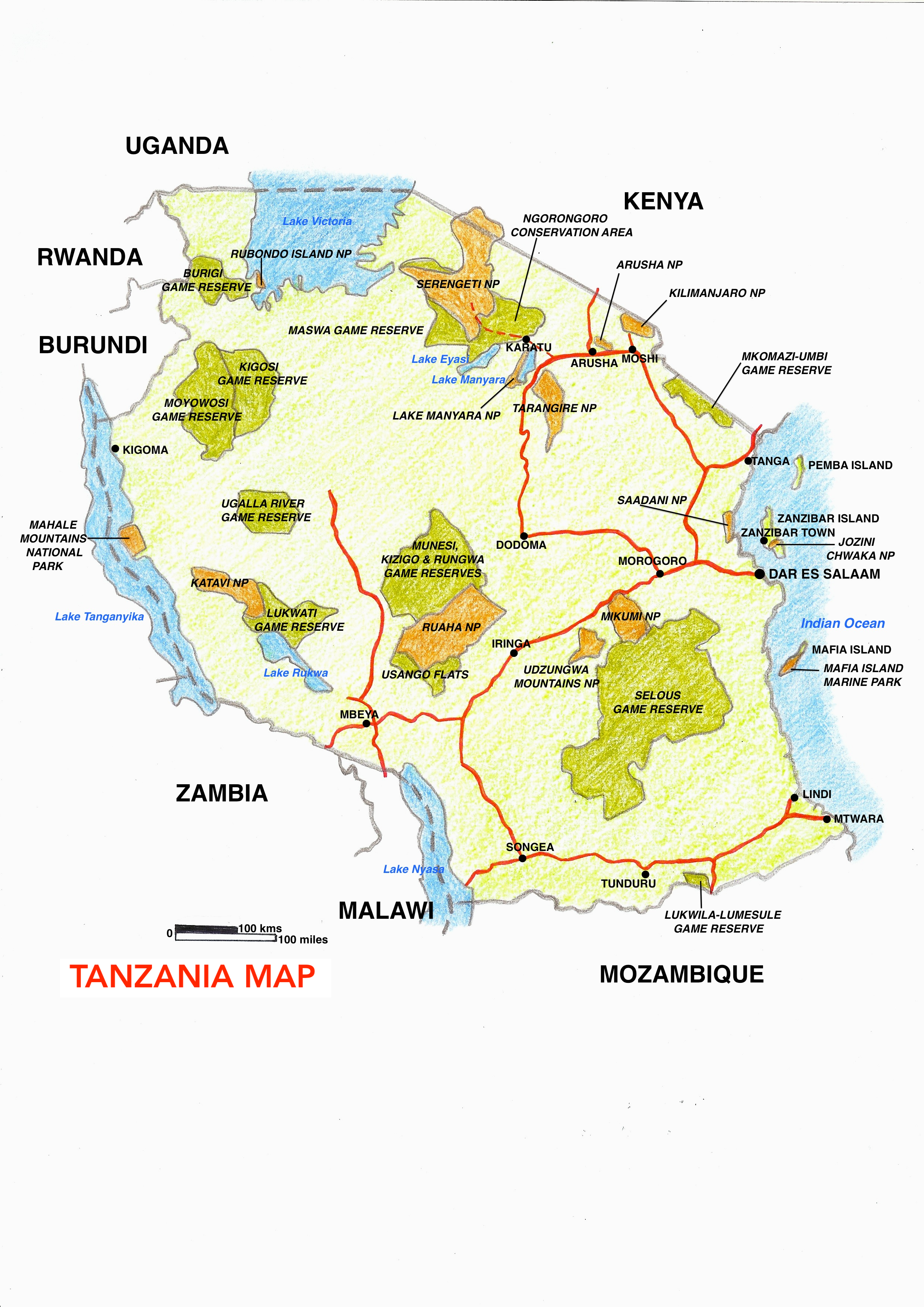
Tanzania is the largest of the East African countries, and one of Africa’s most exciting safari destinations, with almost a third of its land protected for wildlife viewing . Tanzania is a rich tapestry of abundant wildlife, varied tribes and cultures, breathtaking scenery and glorious sandy beaches. Temperatures are welcoming and gentle, with warm and sunny days followed by cool, balmy nights. English is widely spoken. The country has two distinct safari circuits in the north and south of the country.
A Northern Circuit Safari includes the world-renown Serengeti National Park and Ngorongoro Crater, as well as Lake Manyara National Park and Tarangire National Park. This is the more popular and busier of the two circuits, and can be undertaken as a privately guided 4×4 safari departing from Arusha, or as a fly-in safari. There are no walking safaris in the Northern Circuit National Parks.
Rubondo Island National Park is a chimpanzee reserve in the south west of Lake Victoria, and combines well with a more traditional Northern Circuit Safari, for travellers looking for something different.
A Southern Circuit Safari is wilder and you will encounter far fewer other tourists. The Nyerere National Park (previously the Selous Game Reserve) and Ruaha National Park are vast, remote and beautiful, offering luxury safari experiences where you are unlikely to meet many other visitors. Generally, a Southern Circuit works well as a fly-in safari. Lodge activities can include walking safaris and boating as well as the more traditional 4×4 game drives.
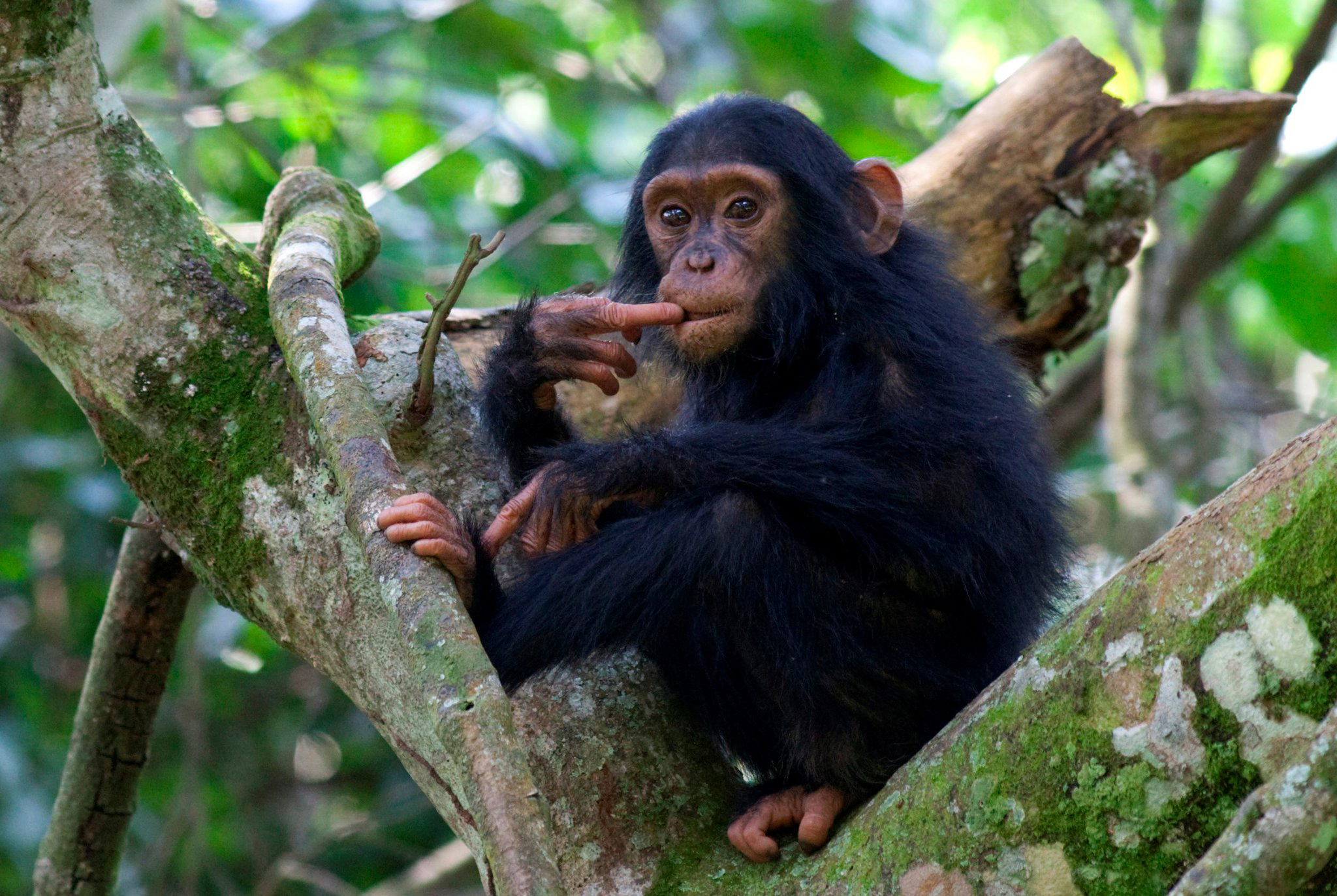
Adventurous travellers may want to include the Mahale Mountains National Park on the shores of Lake Tanganyika. Remote, lush and one of the most beautiful national parks in Africa, Mahale offers powder-soft white sandy beaches, tropical vegetation, huge butterflies and Tanzania’s densest population of primates, including vervet monkeys, red colobus, yellow baboon, blue and red-tailed monkeys and chimpanzees. Mahale Mountains National Park can be included with your Northern Circuit or Southern Circuit Safari.
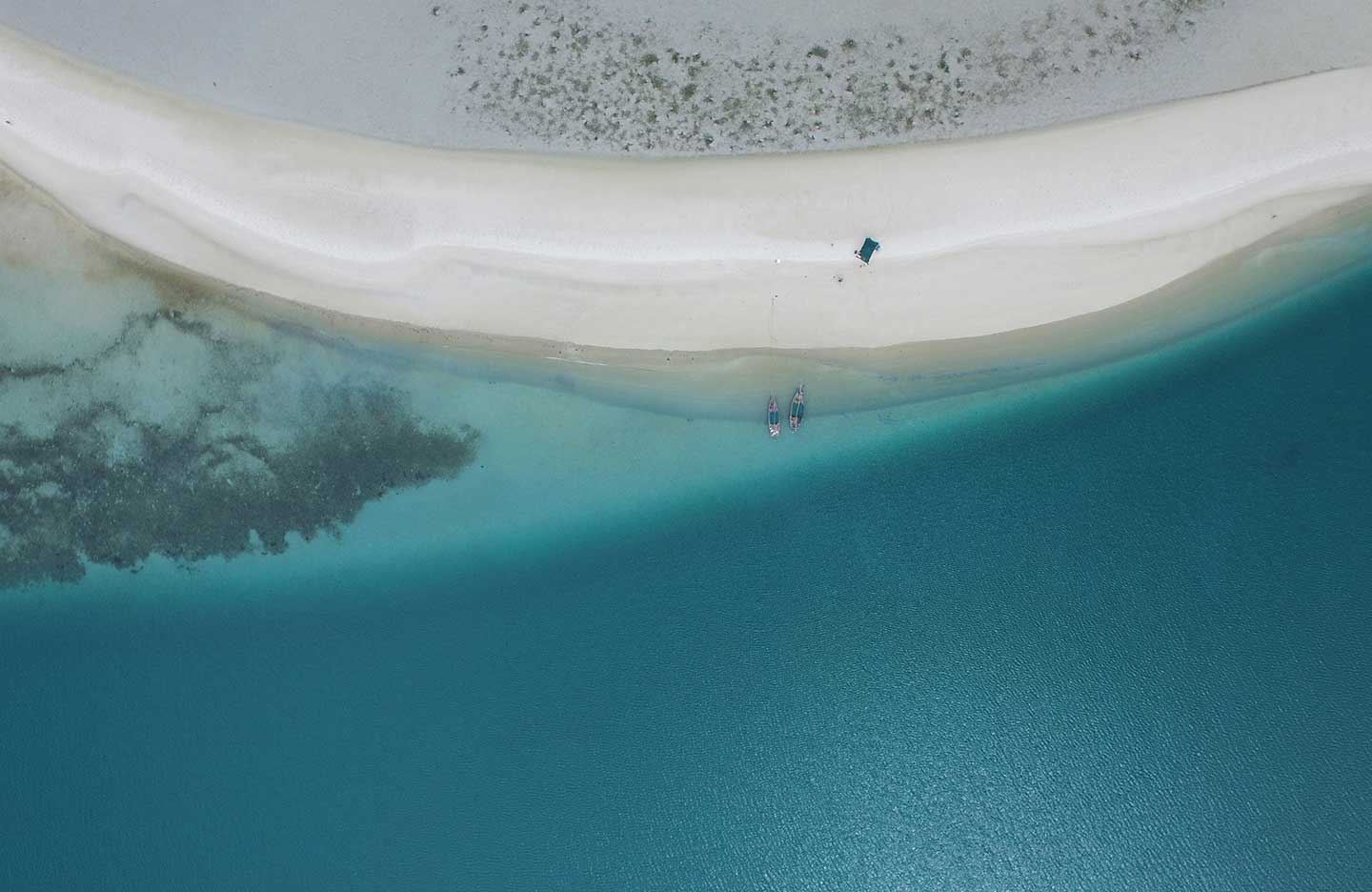
Tanzania Beach Vacations: Tanzania has a coastline of over 700km of tropical sandy beaches as well as the romantic spice islands of Zanzibar, Mnemba, Chumbe, Changuu, Pemba and Mafia.
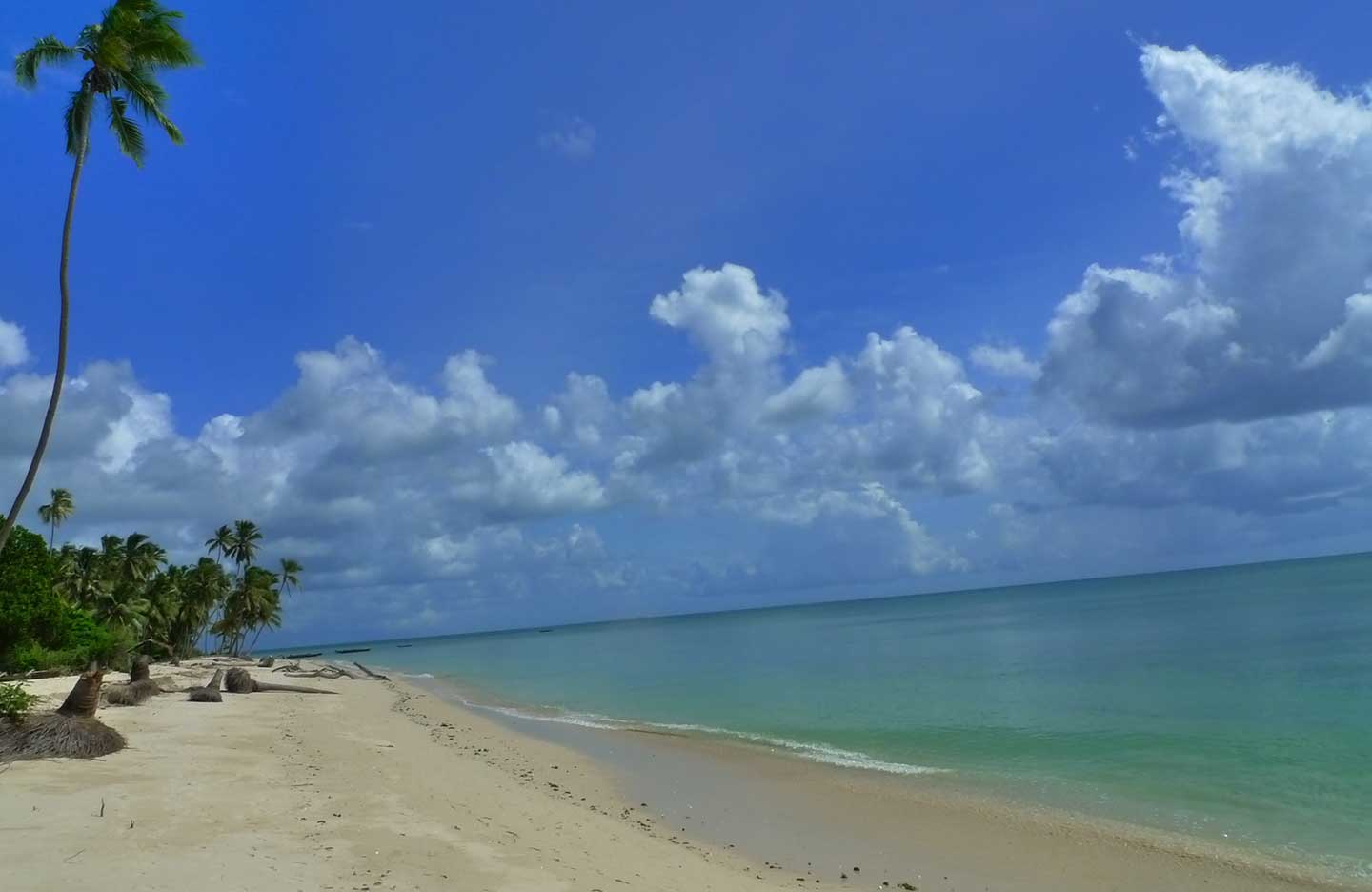
Experience the thrill of a Big 5 Safari or the phenomenon of the wildebeest migration across the Serengeti plains; climb Mount Kilimanjaro, visit the Cradle of Mankind at Olduvai Gorge; scuba dive in azure waters with pristine coral reefs; walk barefoot along deserted palm-fringed beaches …. A Tanzania safari and beach vacation has it all!
Money: Tanzania’s currency is the Tanzanian Shilling although the US$ is widely accepted. Most hotels, lodges and safari camps accept Mastercard and Visa credit cards. We recommend taking small denomination US$ for gratuities and local purchases.
Language: Swahili and English are widely spoken.
Food & Drink: Like its northern neighbour Kenya, Tanzanian cuisine is diverse and flavoursome, with ingredients and preparation varying from region to region. With an abundance of plantain and tropical fruits, and extensive use of spices including cardamom, cinnamon, cloves, ginger and coconut milk, traditional dishes are often rich and aromatic. Meat, fish, fruit and curries all feature strongly. Local beers are excellent, as are fruit lassis and smoothies.
Dress: Muted and layered natural fabrics work best for safaris, with long and short options. Something warm for early morning and evening game drives. If your Tanzania vacation includes a beach break, please be sensitive to local culture. Ladies should cover shoulders when visiting cultural sites. Swimwear should be limited to the pool or beach infront of your hotel.
Travel to & Around Tanzania
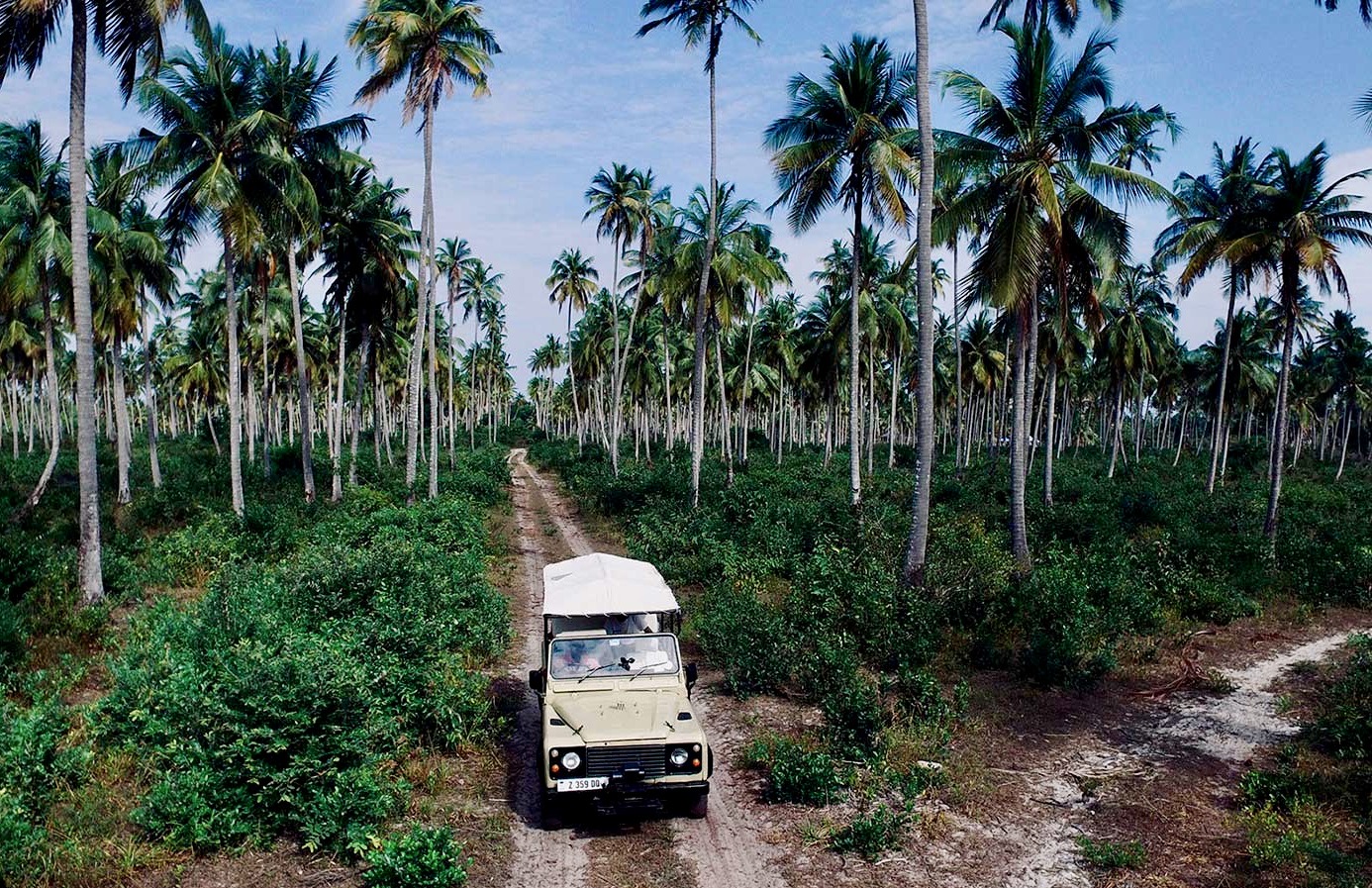
Tanzania has three key international airports. Arusha’s Kilimanjaro International Airport (JRO) is the main hub for Tanzania’s northern safari circuit. Dar es Salaam’s Julius Nyere International Airport (DAR) and Zanzibar (ZNZ) are the best access points for most beach vacations and a southern safari circuit. There are several domestic airline operators providing an extensive internal flight circuit linking the various safari and beach destinations. The road network is also reasonably reliable and is frequently used for safaris using a 4×4 with driver/guide.
Tanzania's Top Attractions
What To Do in Tanzania
- Serengeti National Park
- Ngorongoro Crater
- Tarangire National Park
- Lake Manyara National Park
- Ruaha National Park
- Nyerere National Park (Selous)
- Katavi National Park
- Mahale National Park
- Mafia & Pemba Islands
- Zanzibar
- Mainland Beaches
- The Great Migration
- Big 5 Safaris
- Climb Mount Kilimanjaro
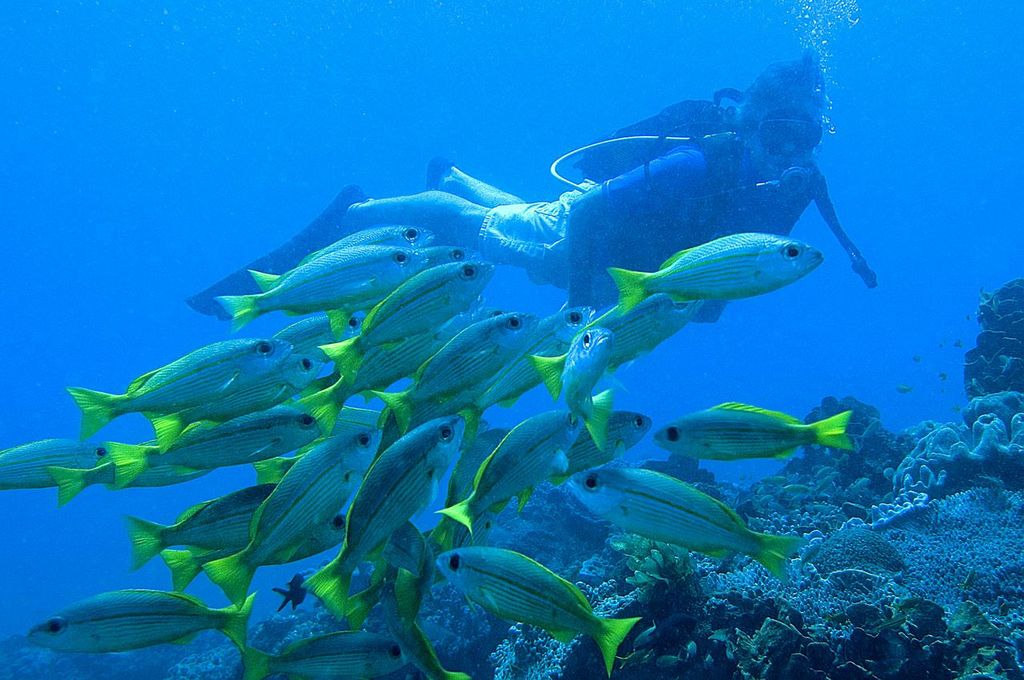
- Snorkelling and Scuba Diving
- Chimpanzee Trekking
- Superb family safari destination
- Idyllic honeymoons
Where to Go
Serengeti
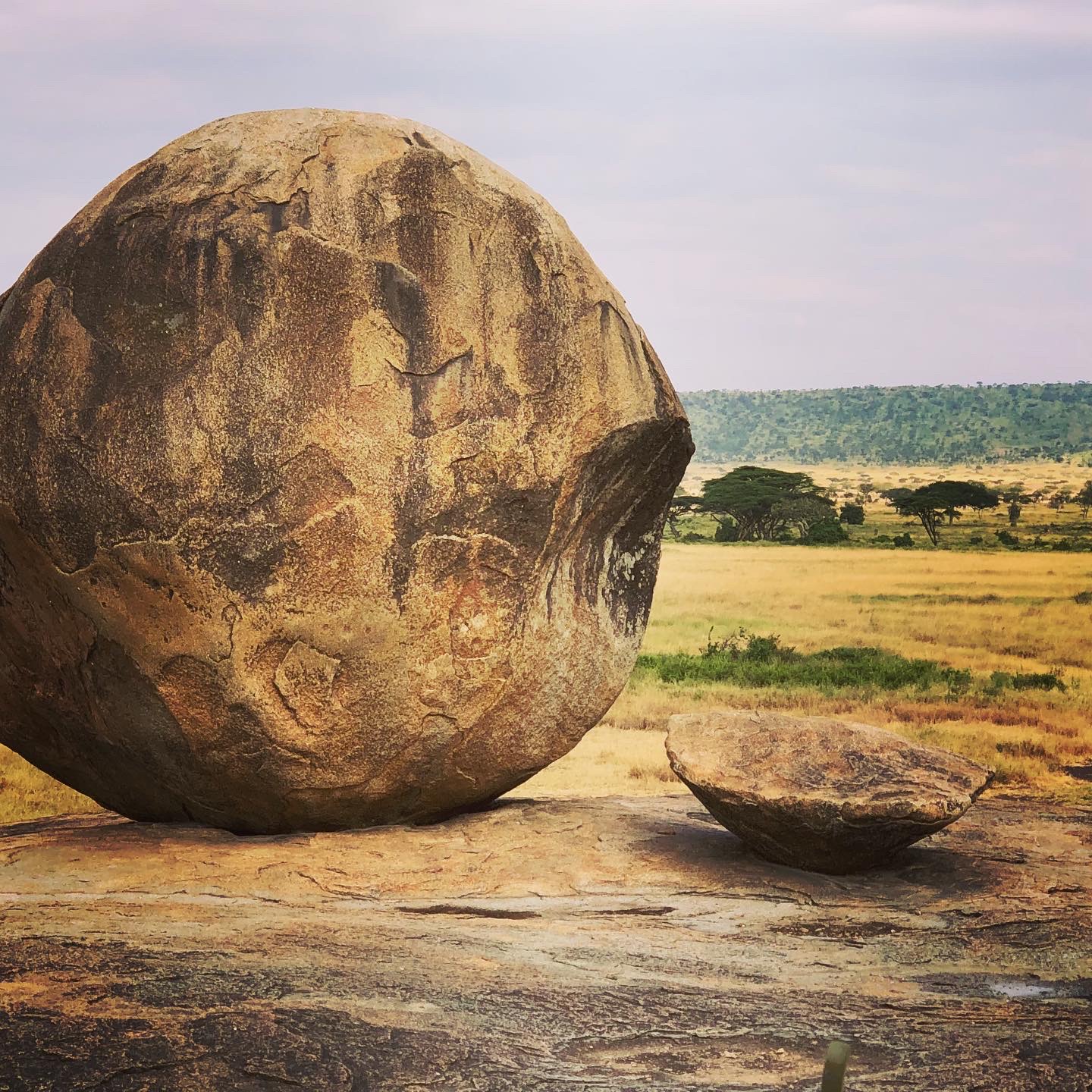
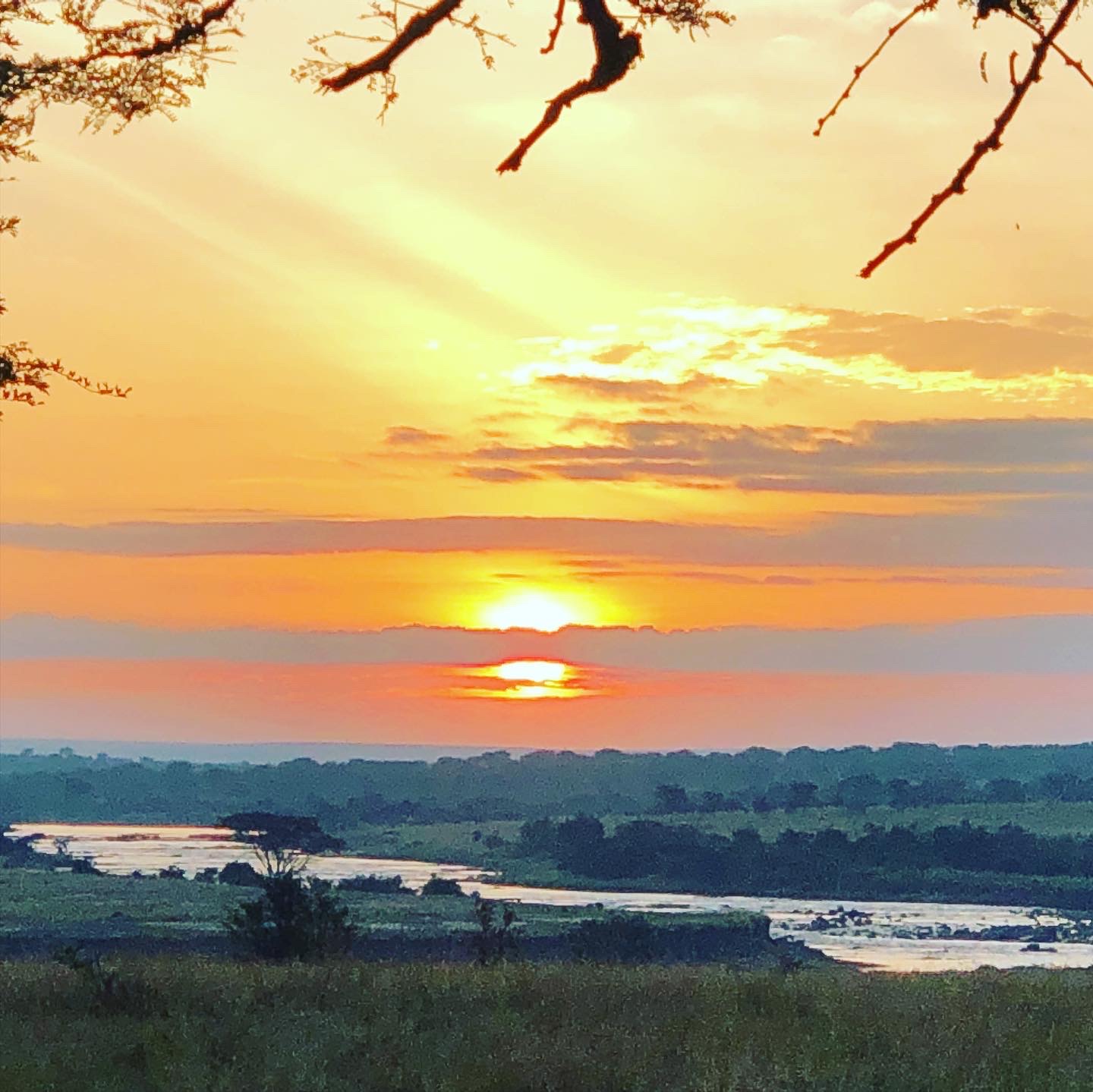
Covering an area of 14,763 sq kms, the Serengeti is the largest and most famous National Park in Tanzania. Situated 320 km to the northwest of Arusha, the Serengeti is contiguous with the Ngorongoro Conservation area, the Maswa Game Reserve and Kenya’s Masai Mara. It lies between the shores of Lake Victoria to the west, Lake Eyasi in the south and the Great Rift Valley to the east. As such it offers the most diverse and least disturbed eco-system on earth. “Serengeti” is Masaaii for “endless plains”, and its infinite blue skies and massive vistas of swaying grasslands, dotted with acacia trees make it the quintessential image of Africa.
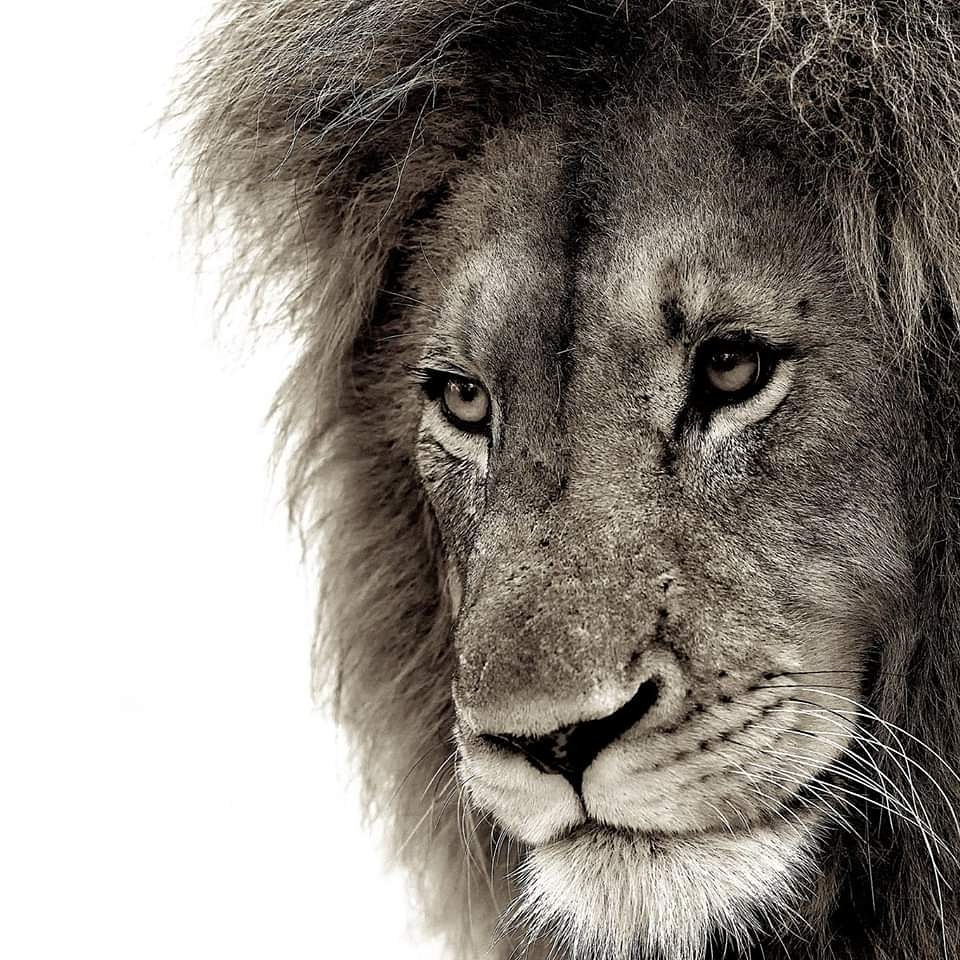
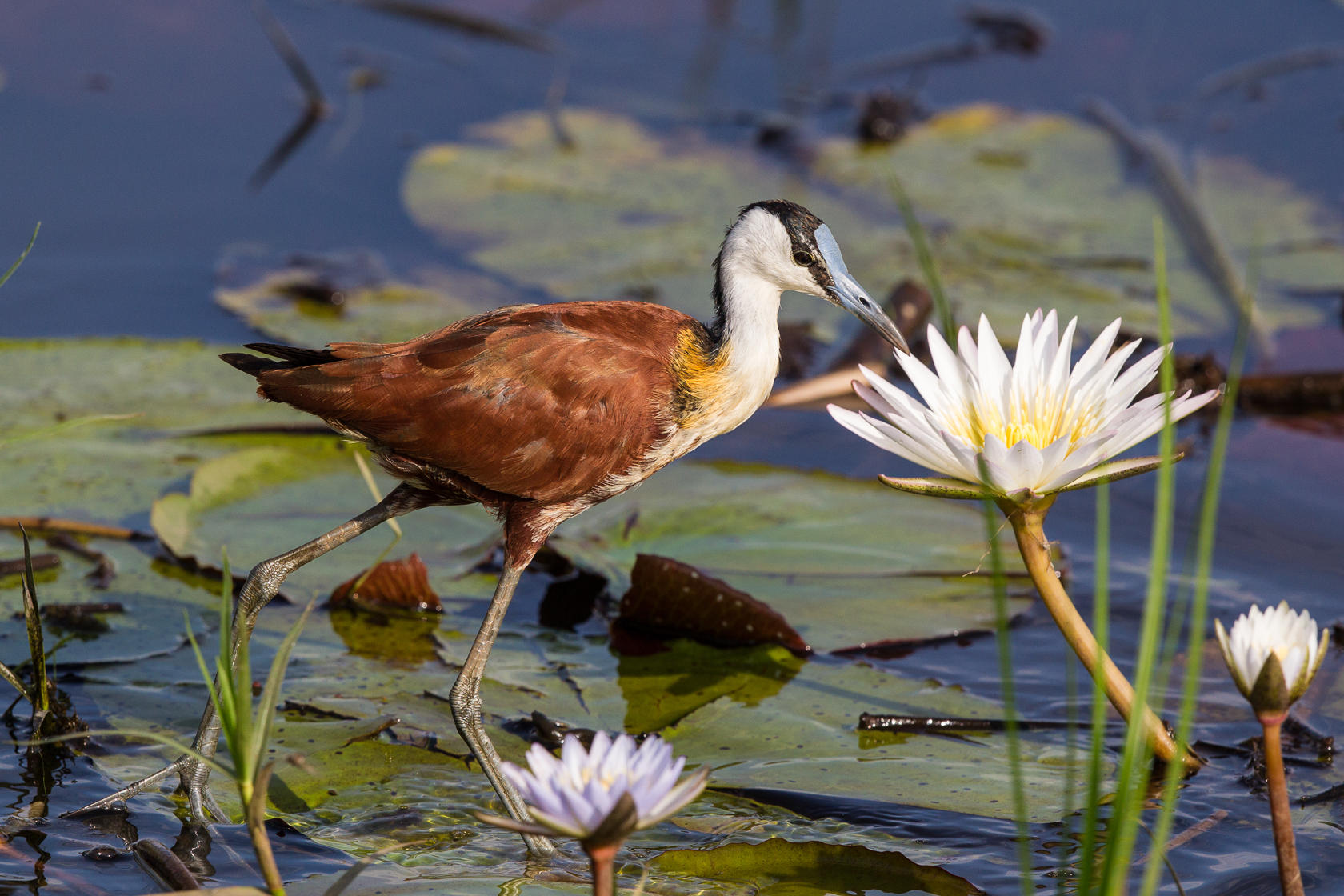
The Serengeti is a must-go destination in a Northern Circuit Safari. More than 3 million large mammals are found here. Large prides of lions laze easily in the long grasses; huge herds of elephants feed on acacia bark and trump to each other across the plains; and giraffes, gazelles, zebras, monkeys, buffalos, wildebeest and a whole range of other African wildlife roam in teeming numbers. There are more than 400 species of bird in the Serengeti.
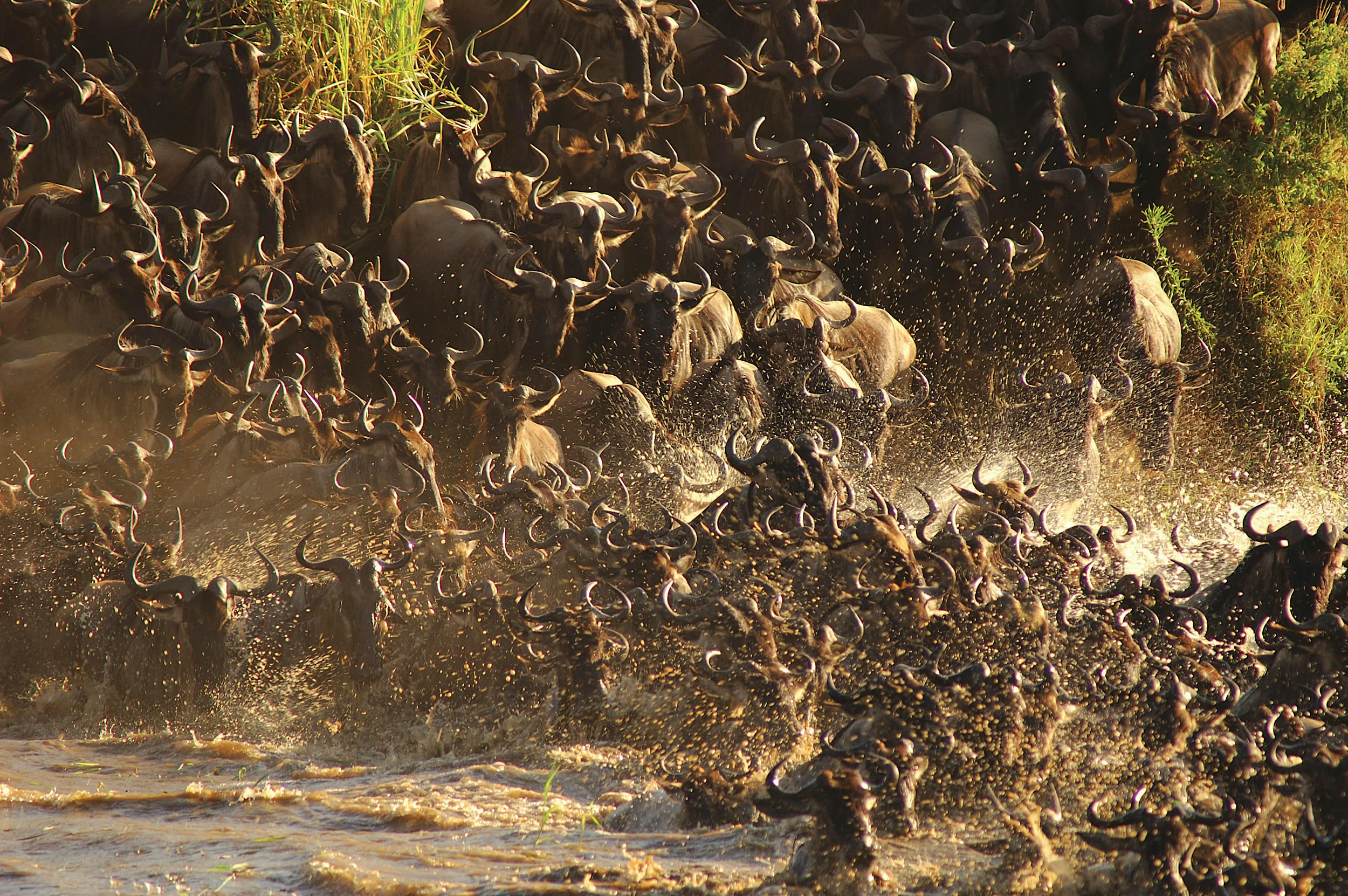
The Serengeti is also the setting for one of nature’s most breathtaking events – the annual wildebeest migration, when more than 1.25 million wildebeest trek in vast columns of up to 40km long in search of water and greener pastures. The air is thick with red dust and the sound of thundering hooves as the wildebeest, together with more than 200,000 zebras and gazelles, relentlessly tracked by predators, make their journey of over 1,800 miles each year.
Serengeti safaris are in traditional 4×4 game drive vehicles. Hot-air ballooning safaris over the Serengeti plains are also extremely popular.
The best time to visit the Serengeti to see the migration is May – July and January – March.
Ngorongoro Crater
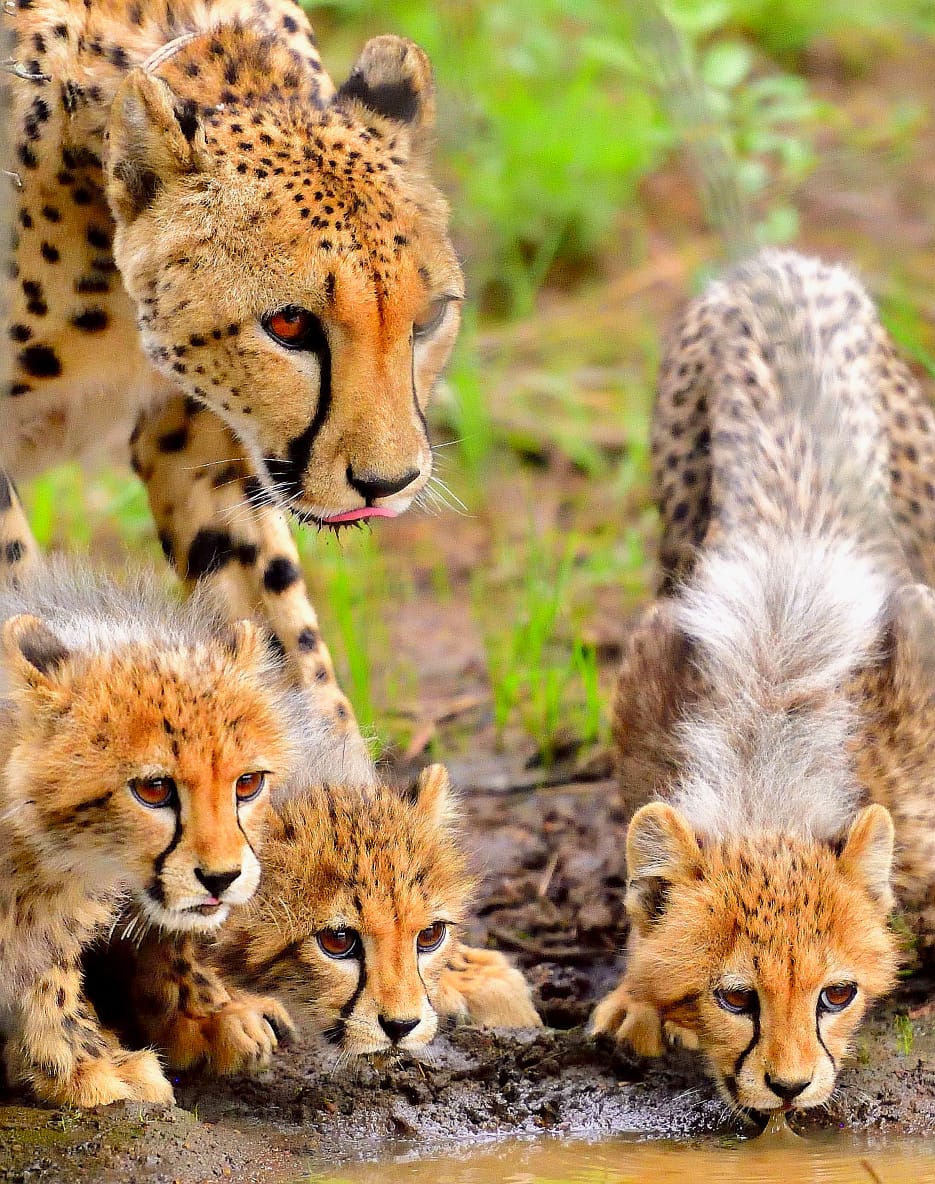
Unique and diverse, the Ngorongoro Crater is often called “Africa’s Eden”, and is a definite world-class destination. Within the crater rim large herds of plains game graze while lions laze in the sun on nearby koppjies. The crater has a surprisingly large number of habitats, supporting nearly all of East Africa’s wildlife species, although sightings of leopard and cheetah are rare. Early morning game drives often reveal black rhinos grazing on dew-laden grasses.
The Ngorongoro Crater is however surprisingly small, and as a result can seem very busy, particularly when compared with the Serengeti. It is not uncommon to see many other game vehicles, especially in peak season.
There is no accommodation within the Ngorongoro Crater, although hotels and lodges built on the crater rim provide sensational views both into the crater, and across the Ngorongoro Highlands.
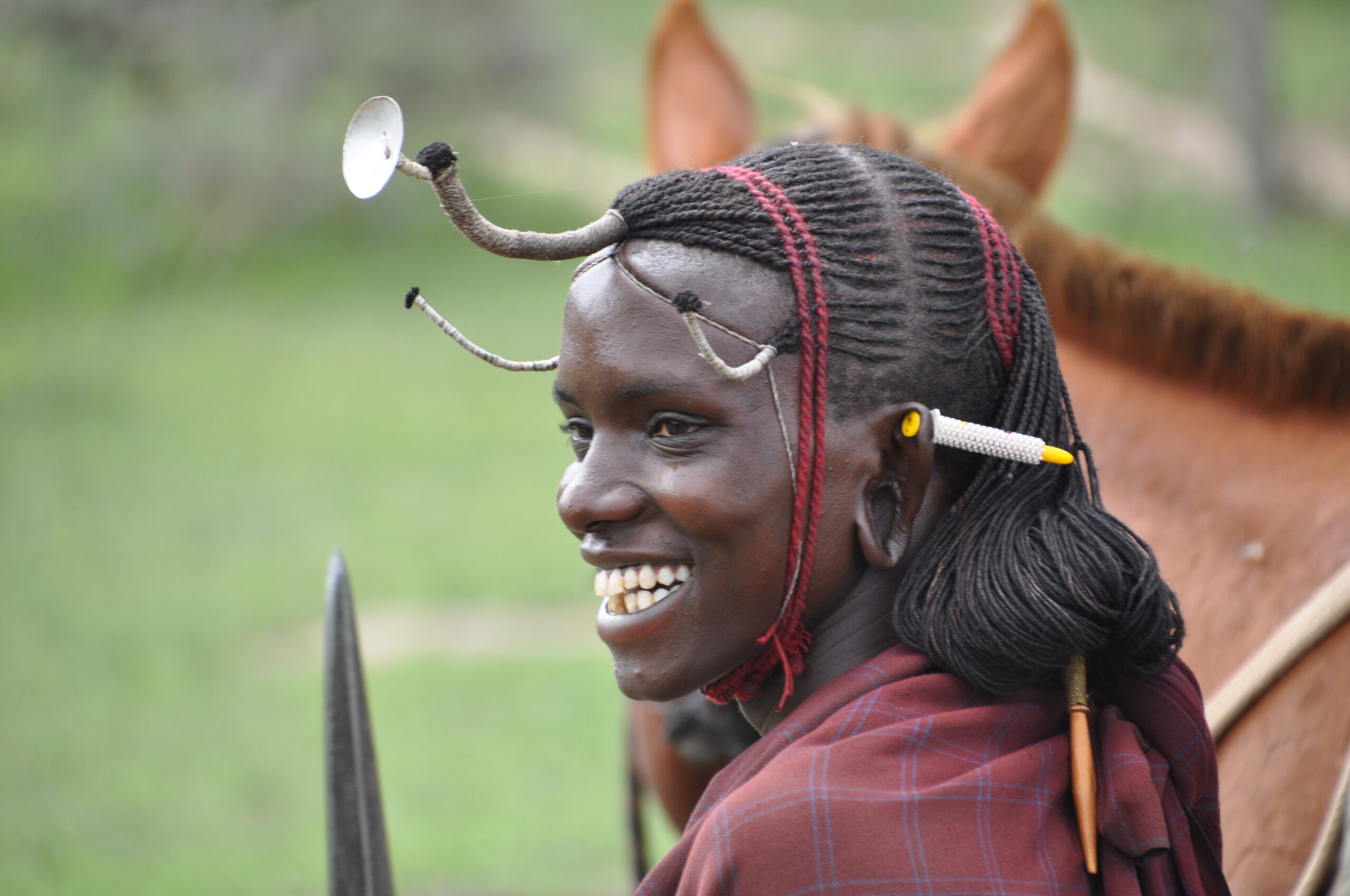
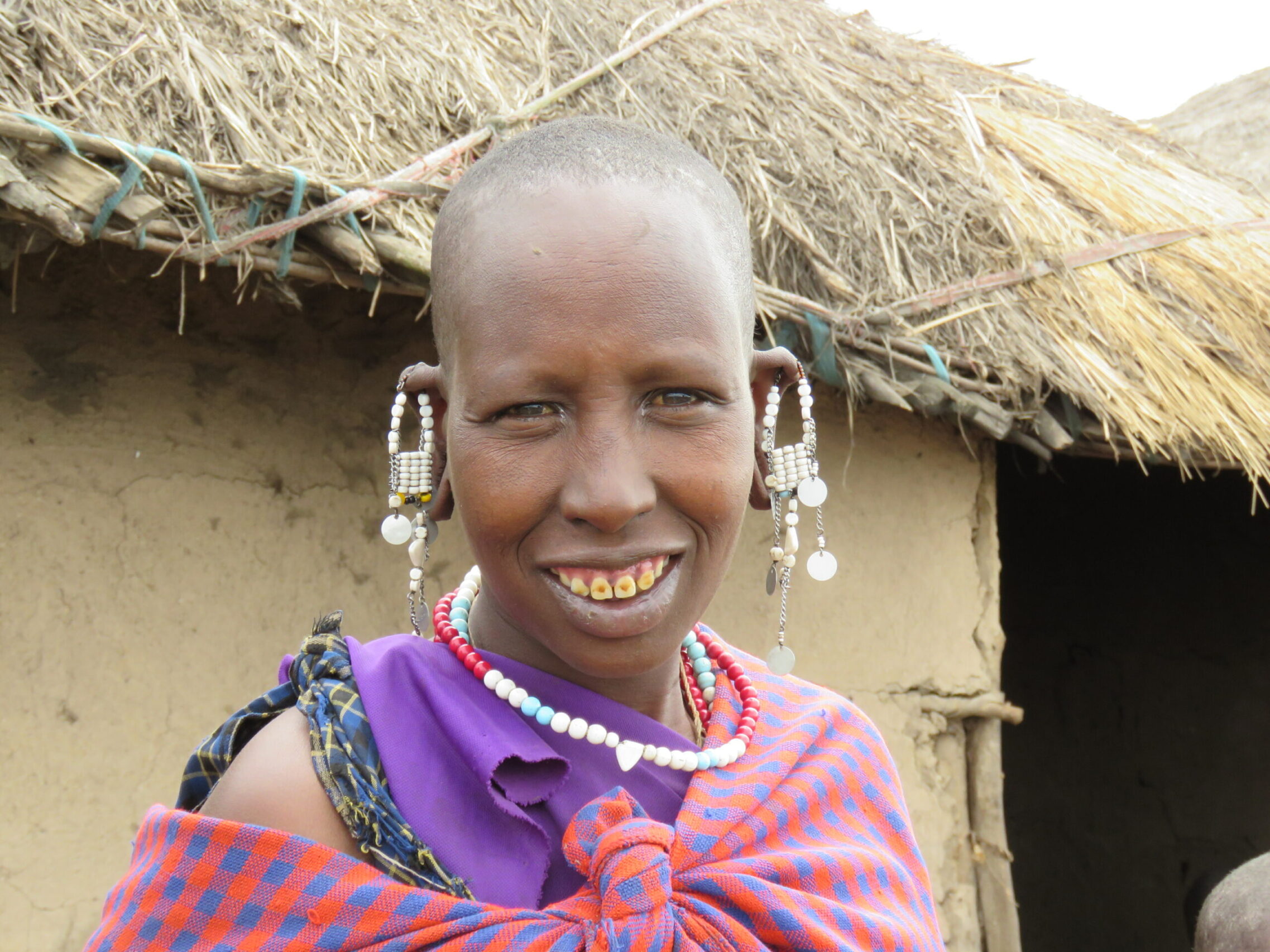
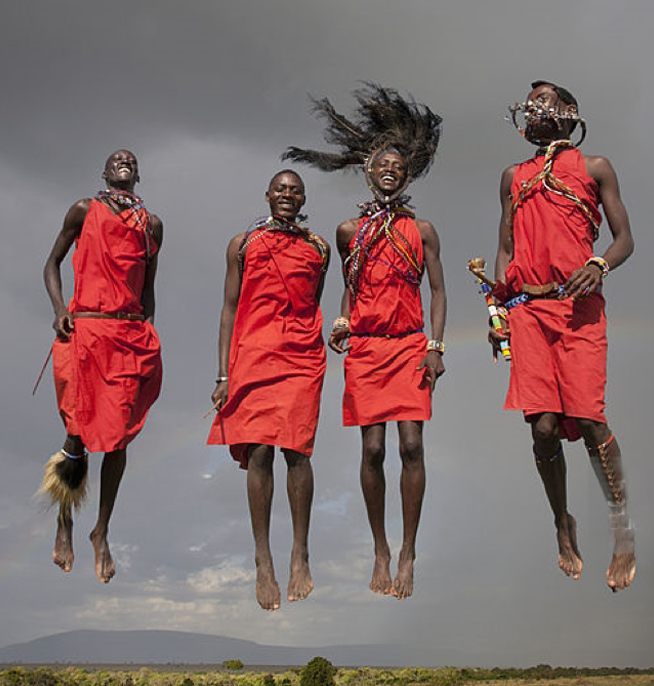
Masaai villages are found throughout the Ngorongoro Highlands and Conservation Area, which provides superb hiking and walking opportunities.
The magnificently beautiful Ngorongoro Conservation Area also includes the Olduvai Gorge, where the Leakeys discovered the hominoid remains of a 1.8million year old skeleton. Fossils show that the area is one of the oldest sites of hominoid habitation in the world.
The Ngorongoro Crater and the Ngorongoro Conservation Area are without a doubt some of the most beautiful parts of Tanzania, steeped in history and teeming with wildlife. Besides vehicle safaris to Ngorongoro Crater, Olduvai Gorge, and surrounding attractions, hiking treks through the Ngorongoro Conservation Area are becoming increasingly popular options. Either way you choose to visit, the Crater Highlands are an unforgettable part of the Tanzanian experience. Drive time from Serengeti to Ngorongoro Crater is about 6 hours.
Tarangire National Park
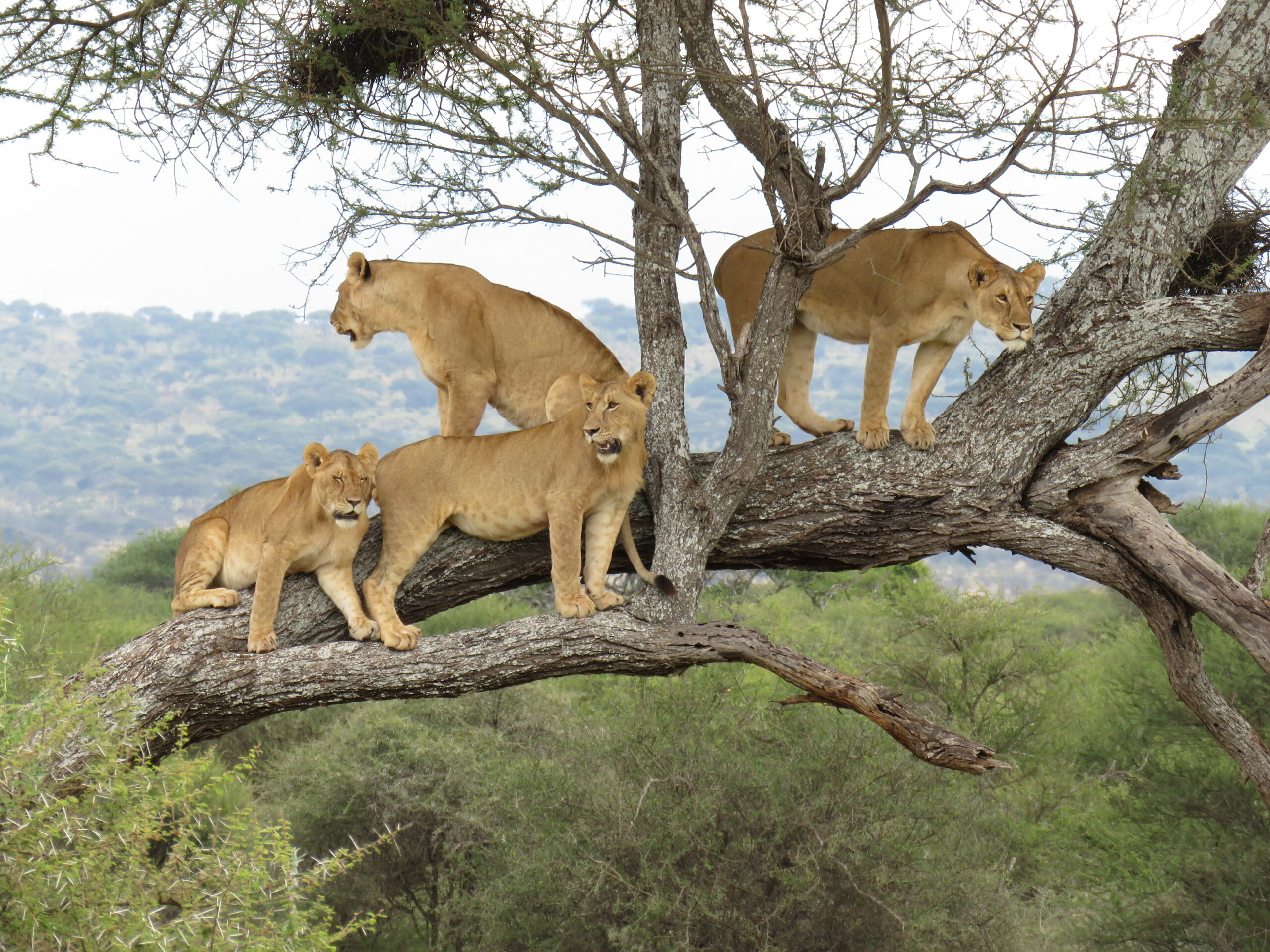
Tarangire National Park is located just 3 hours drive from Arusha, and is a popular stop for safaris on the Northern Circuit. Tarangire has an exceptionally high population density of elephants, as well as gazelle, wildebeest, zebra and giraffes. Birdlife is particularly prolific in Tarangire. The Tarangire River dissects the park, providing breathtaking views through the river valley. The park is known for its tree-climbing lions!
Lake Manyara National Park
Located on the edge of the Rift Valley, Lake Manyara National Park is en route to the Serengeti and Ngorongoro Crater. The park is small but offers breathtaking views, prolific birdlife, and large baboon and elephant populations. Lake Manyara is about a 3 hour drive from Arusha.
Ruaha National Park
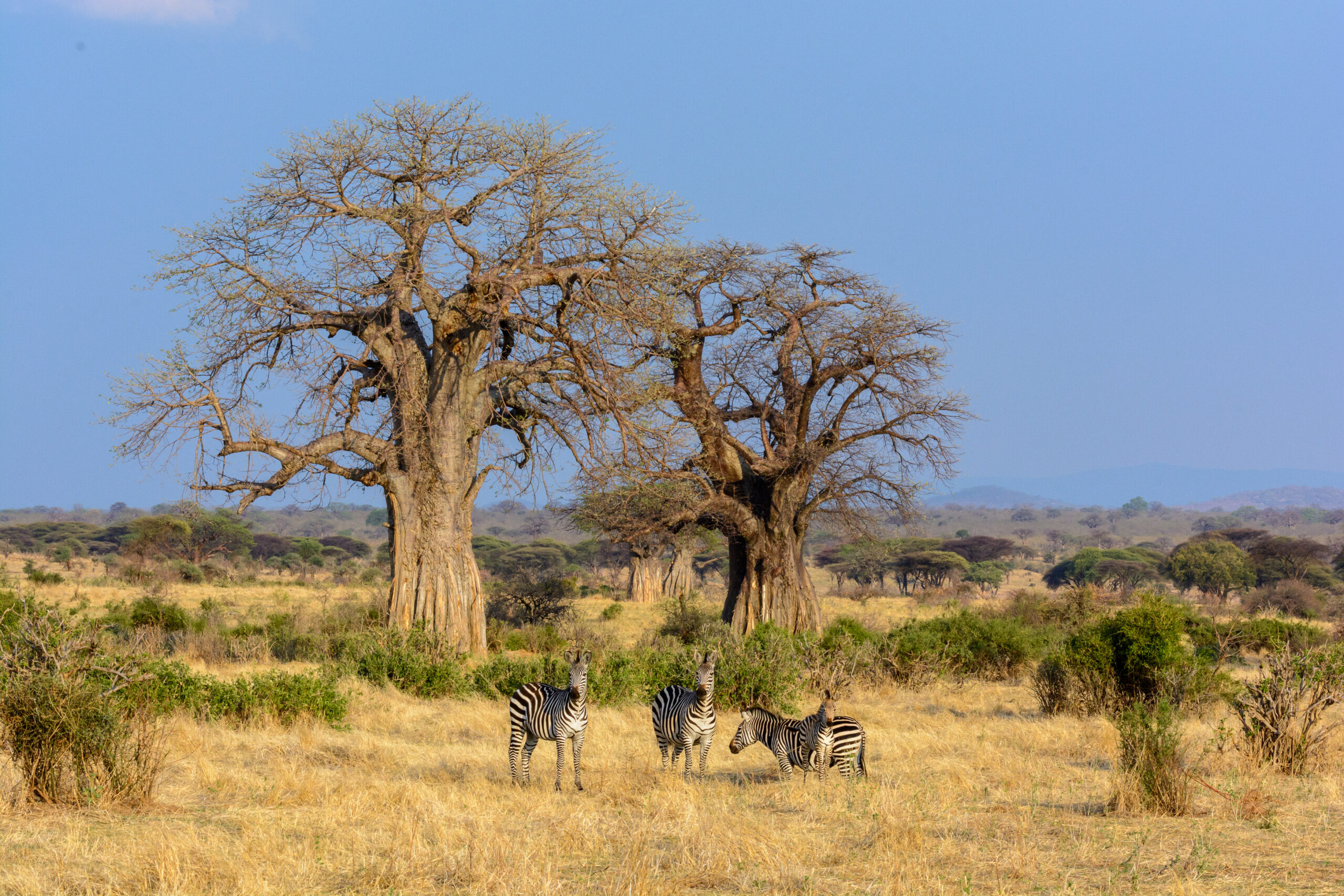
Ruaha is Tanzania’s second-largest national park and remains a remote bastion of spectacular wilderness, undisturbed wildlife, and breathtaking scenery of rolling plains and hills dotted with ancient baobabs. Ruaha is vast concentrations of plains game and is particularly good for predators. With over 400 bird species, Ruaha is also a birder’s paradise. Elephants are found in some of the highest concentrations in the country.
Because of its remote location, Ruaha National Park remains largely unexplored, and is often described as “the real Africa”. Safaris in Ruaha are usually 3-5 nights. Most visitors combine Ruaha with Selous as flights stop there, and the two parks offer a remarkably different safari experience.
Ruaha is accessible by air from Arusha, Dar and Zanzibar.
Nyerere National Park (Selous)
Located in south-east Tanzania, Nyerere National Park is Africa’s largest protected wildlife reserve and covers more than 5% of Tanzania’s total area. Its rivers, hills, and plains are home to roaming elephant populations, wild dogs, lions and black rhino. Accessible most easily by small aircraft, Nyerere offers visitors a chance to see a wild and expansive Africa far from paved roads and curio shops.
Visitors to Nyerere normally base themselves in one lodge for the duration of their safari. Lodges offer boating activities on the Rufigi River, as well as walking safaris as a popular alternative to 4×4 game drives.
Nyerere National Park is a superb all year round destination, and perfect for a shorter safari (3-4 days), or combined with a Northern Circuit Safari or Ruaha National Park. Nyerere is accessible by fly-in safari from Arusha, Dar and Zanzibar.
Katavi National Park
A spectacular little park remotely located in western Tanzania. Large lion prides roam here, preying on the even larger numbers of buffalo. Best visited during the dry season when the plains are heaving with zebra, giraffe, topi and impala, and the Kapapa and Katuma Rivers are the only water source. Katavi is a wonderfully wild safari destination, with spectacular lion/buffalo interactions, but its remote location makes it difficult and expensive to access. With only a couple of permanent camps, this is a safari destination where you will see far more animals than other tourists! Combines well with Mahale.
Mahale National Park
Located in the extreme west of Tanzania, Mahale is remote, difficult to get to, and quite possibly one of the most beautiful national parks in Africa, with steep lush forests, lakeside beaches and the crystal clear waters of Lake Tanganika. Covering over 1,600 sq kms of the Mahale Mountains, It is home to over 1000 chimpanzees. One group of more than 70 individuals, the Mimikire Clan, has been habituated, and chimpanzee fly-in safaris to Mahale allow visitors to track and observe these chimps from close quarters, in one of Africa’s most intimate safari experiences. Chimpanzee tracking normally takes place in the morning, with your afternoons free to relax at the beach, or fish from a traditional dhow. Combines well with Katavi.
Mafia & Pemba Islands
Mafia Island, and nearby Jibondo, Juani and Chole islands form the most southerly archipelago of islands on the Tanzanian coast, at the mouth of the Rufiji river delta. Here you will find relaxed and unspoilt beaches as well as world-class deep sea diving and superb dive sites.
Mafia Island is about ½ the size of Zanzibar, and like Zanzibar, is a raised portion of the contintental shelf, not a coral island. At its highest point it is only about 200m above sea level. Once covered in palm and cashew plantations and worked by slaves, today’s local fishing and farming communities live a lifestyle that has remained essentially unchanged for generations.
Mafia Island is the site of Tanzania’s first Marine Park, which covers the southern half of the island. Within the boundaries of the Marine Park is one of the most important marine habitats in the world, which includes mangroves, sea-grass beds, coral reefs, inter-tidal reef flats, lagoons and coastal forests. It is home to the peaceful dugong (sea cows or manatees), and a breeding ground for giant and green turtles.
Accommodation on Mafia Island is still exclusive in small, luxury lodges for the discerning traveller. Whether you prefer a thatched cottage, or a tree house overlooking the beach, standards of service, accommodation and cuisine are excellent.
Traditionally part of the Zanzibar archipelago, Pemba is fast becoming a unique and popular destination in its own right. For centuries Pemba Island has been renowned for its clove plantations and spice fields, and this green and pretty island is lush with clove and mango trees, coconut palms and dense mangrove forests.
The waters off Pemba Island provide some of the best diving in the Indian Ocean. The Pemba Channel drops off to depths of 2000m between the island and the mainland. Experienced divers can enjoy superb wall and drift dives, as well as world class open water diving opportunities. The diversity of marine life and coral in these pristine waters are truly exceptional.
Deep sea fishing is superb in the Pemba Channel, where huge tuna, shark and barracuda have been recorded.
Pemba Island accommodation tends to be in small, exotic and romantic upmarket lodges catering for discerning travellers. These island hideaways are truly the epitome of rustic chic, offering something for everyone.
Southern Indian Ocean Beaches
Visitors looking for seclusion, peace and tranquillity will find idyllic beaches to the south of Dar, where the fine golden sands are fringed with palms, and pounded by the Indian Ocean waves. Luxurious accommodations can be found at Ras Kutani and the Amani Beach Club.
Ras Kutani : This elegant beach hideaway has just 12 private bandas nestled in a tropical forest on the banks of a freshwater lagoon. Just 35km south of Dar es Salaam, Ras Kutani is set on a 4km crescent of private white sandy beach, washed by the gentle surf of the temperate Indian Ocean. Ethnic furnishings impart a sense of the Tanzanian coast’s rich cultural heritage. Each banda is en suite and has a large veranda with sea views.
Amani Beach Club : A luxurious and exclusive hotel located on the coast just south of Ras Kutani, about 1 ½ hours from Dar. The 12 spacious rooms are opulently decorated in Arabic style, with four-poster beds, marble floors and ethnic antiques. The Beach Club is set in colourful gardens with a large swimming pool and two restaurants.
Northern Indian Ocean Beaches
Lazy Lagoon : Without doubt “the place to stay” north of Dar is Lazy Lagoon. Found in the Zanzibar Channel, Lazy Lagoon Island is an hour’s drive north of Dar, followed by a 2km boat transfer. This little island paradise has 9km of magnificent, deserted white beaches. The lodge offers accommodation in large airy rooms with wide verandas, and compliments the relaxed hedonistic lifestyle with imaginative fresh seafood menus. Perfect for visitors wanting to simply escape, sunbathe, swim and snorkel in the azure waters. The more energetic can explore the mangrove forest; explore the lagoon by kayak, or take a dhow to the nearby historical town of Bagamoyo.
Zanzibar
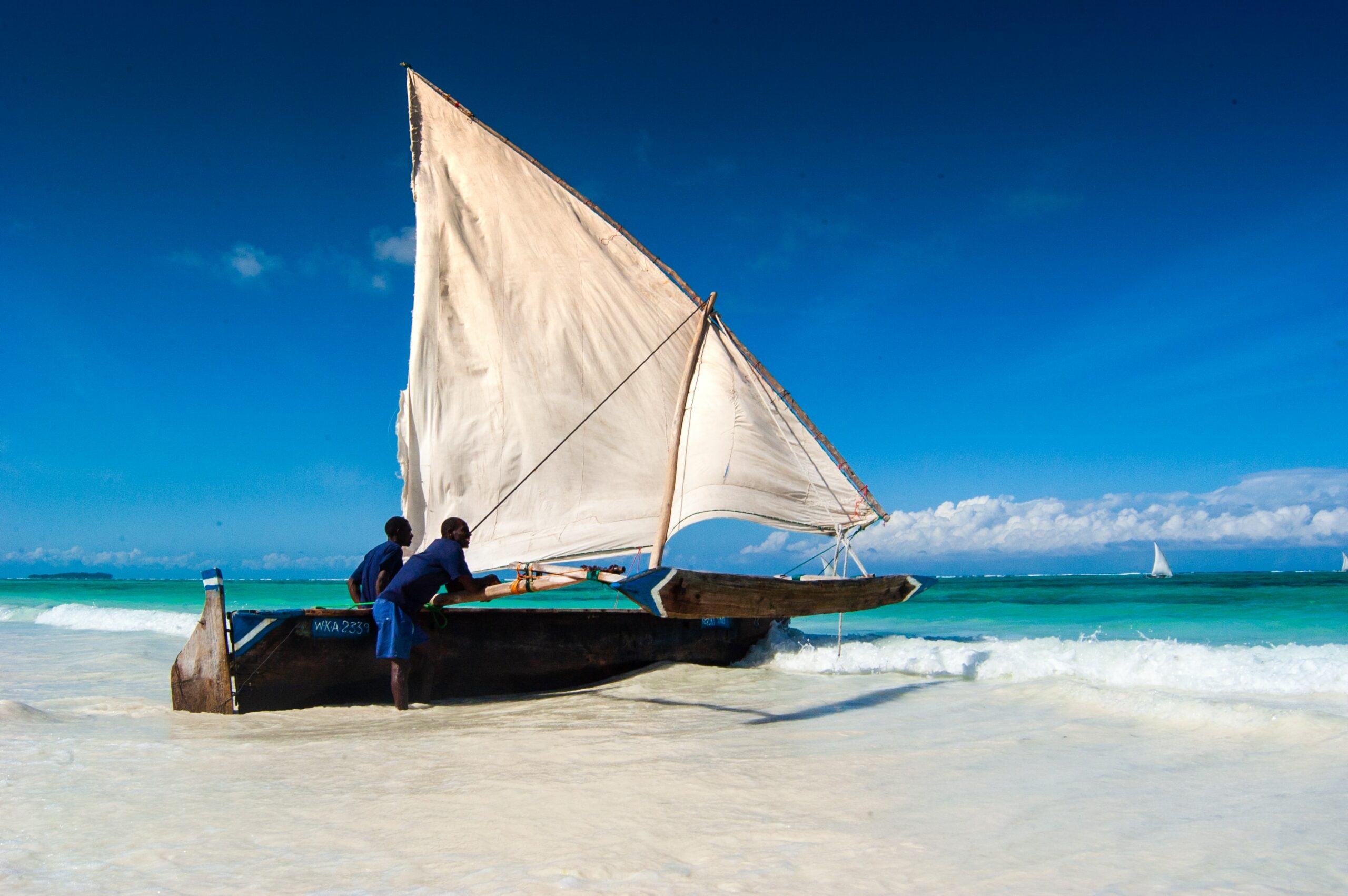
Zanzibar is a romantic tropical island paradise approximately 35kms from Tanzania’s coast. It is the largest coral island off the coast of East Africa, and one of the best-kept secrets in the Indian Ocean. Zanzibar remains relatively unspoilt and untouched. Centuries-old sailing dhows sail the azure waters, and historic Stone Town has been proclaimed a World Heritage Site.
Once the commercial centre of East Africa (and the last place to abolish the slave trade), Zanzibar is now an idyllic holiday location, combining miles of white sandy palm fringed beaches with ancient Islamic ruins and warm, clear blue waters. The surrounding coral reefs are home to myriad colourful fish, excellent for snorkelling and diving. This unspoilt marine environment also provides fantastic deep-sea fishing, water sports and of course delicious fresh fish.
Spice Plantations : Nicknamed “the Spice Island”, the scent of cinnamon, nutmeg, vanilla, cardamom and cloves fill the warm air. Visit the spice plantations where you can see, touch and taste some of the island’s exotic spices and fruits.
Stone Town : The oldest part of Zanzibar, this World Heritage Site comprising 2,500 buildings of coral stone, clay and lime is a unique and fascinating fusion of Arabic, Indian, European and African architectures. It is a place of winding alleys, bustling bazaars, mosques and grand Arab houses whose original owners vied with each other over the extravagance of their dwellings. This one-upmanship is particularly reflected in the brass-studded, carved, wooden doors – there are more than 500 different examples of this handiwork. You can spend many languid hours or days exploring this historic town. Don’t miss the Slave Market, the Museum of Zanzibar and the Central Market, where you can haggle for carvings and other curios.
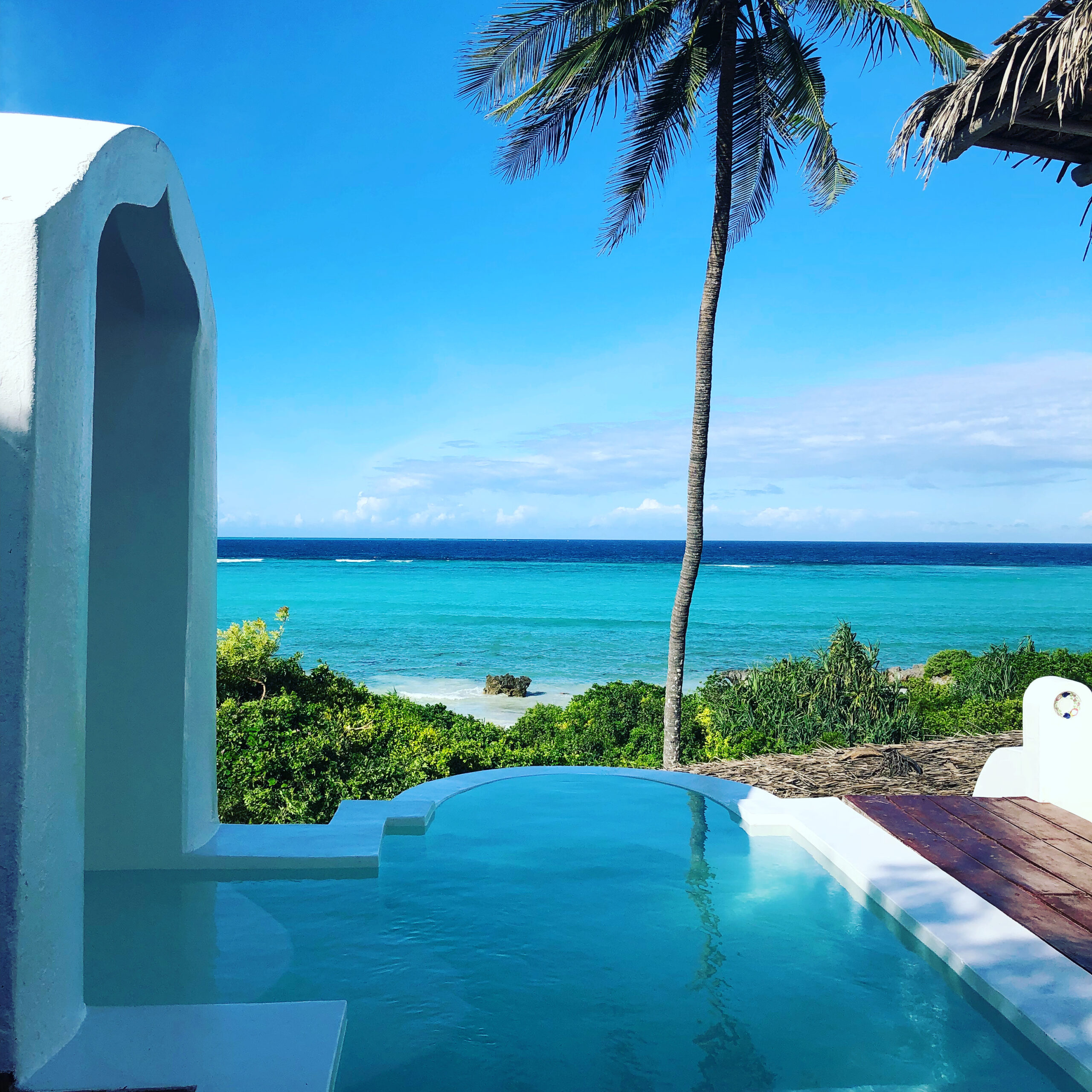
Zanzibar Beaches : Zanzibar’s brilliant white sandy beaches, lapped by the warm azure waters of the Indian Ocean, are the perfect place to relax, and soak up the sun. There are more than 25 unspoilt beaches in Zanzibar, interspersed with picturesque fishing villages, where people live simply, their lifestyle almost unchanged for centuries.
Nungwi Beach at the northern tip of the island, is approached via a road lined with banana palms, coconut trees and mangroves. Here you can watch traditional craftsmen building dhows, and enjoy a variety of watersports, There is a fully equipped dive centre specialising in trips to the spectacular Mnemba Atoll.
Noteworthy beaches on the east coast include Matemwe, Pwani Mchangani, Kiwengwa, Bwejuu, Jambiani and Uroa – all with long uncrowded stretches of beautiful sand. To the west, Mangapwani beach is worth a visit.
Zanzibar also boasts several small offshore islands, ideal for a day trip. Prison (or Changu) island, Chapwani, Chumbe and Bawe are all popular with visitors.
Jozani Forest : The Jozani Natural Forest Reserve is about 35km from Stone Town, in the central east region of Zanzibar, and is home to the rare Red Colobus Monkey. These monkeys are full of character, and roam freely. They can also be seen at very close quarters just outside the reserve’s perimeter and are incredibly photogenic. Other animals making the forest their home include Syke’s monkey’s, small buck and bushpigs. Jozani has an excellent nature trail and the guides are well trained and informative.
Climate & When to Visit Tanzania
|
|
Jan |
Feb |
Mar |
Apr |
May |
June |
July |
Aug |
Sept |
Oct |
Nov |
Dec |
|
Tanzania |
✓✓ |
✓✓✓ |
✓✓ |
✓ |
✓ |
✓✓ |
✓✓✓ |
✓✓✓ |
✓✓✓ |
✓✓✓ |
✓✓ |
✓✓✓ |
Tanzania is located close to the equator, and temperatures remain fairly constant throughout the year. Highest temperatures are in December, January and February. Humidity increases in March before the country’s main rainy season in April and May.
There is also a short rainy season in November, although this tends to be a dump of refreshing rain, followed by blue skies once again, so does not negatively impact upon either a safari or beach holiday.
The best time for your Tanzania vacation will depend on what you want to do and where you want to go …
Wildebeest Migration: The best time to experience the wildebeest migration in the Serengeti is from May to September – when the vast herds move from the short grass plains in the south to the long grasslands of the Serengeti’s western corridor, and then on to the Mara River.
The short summer rains in November call the vast herds south once more, and the wildebeest return to the southern Serengeti to calve. January to March is also an excellent game viewing time.
The dry months of June to October are hot, with low humidity, and provide excellent game viewing throughout the Northern and Southern Circuits.