What to Expect
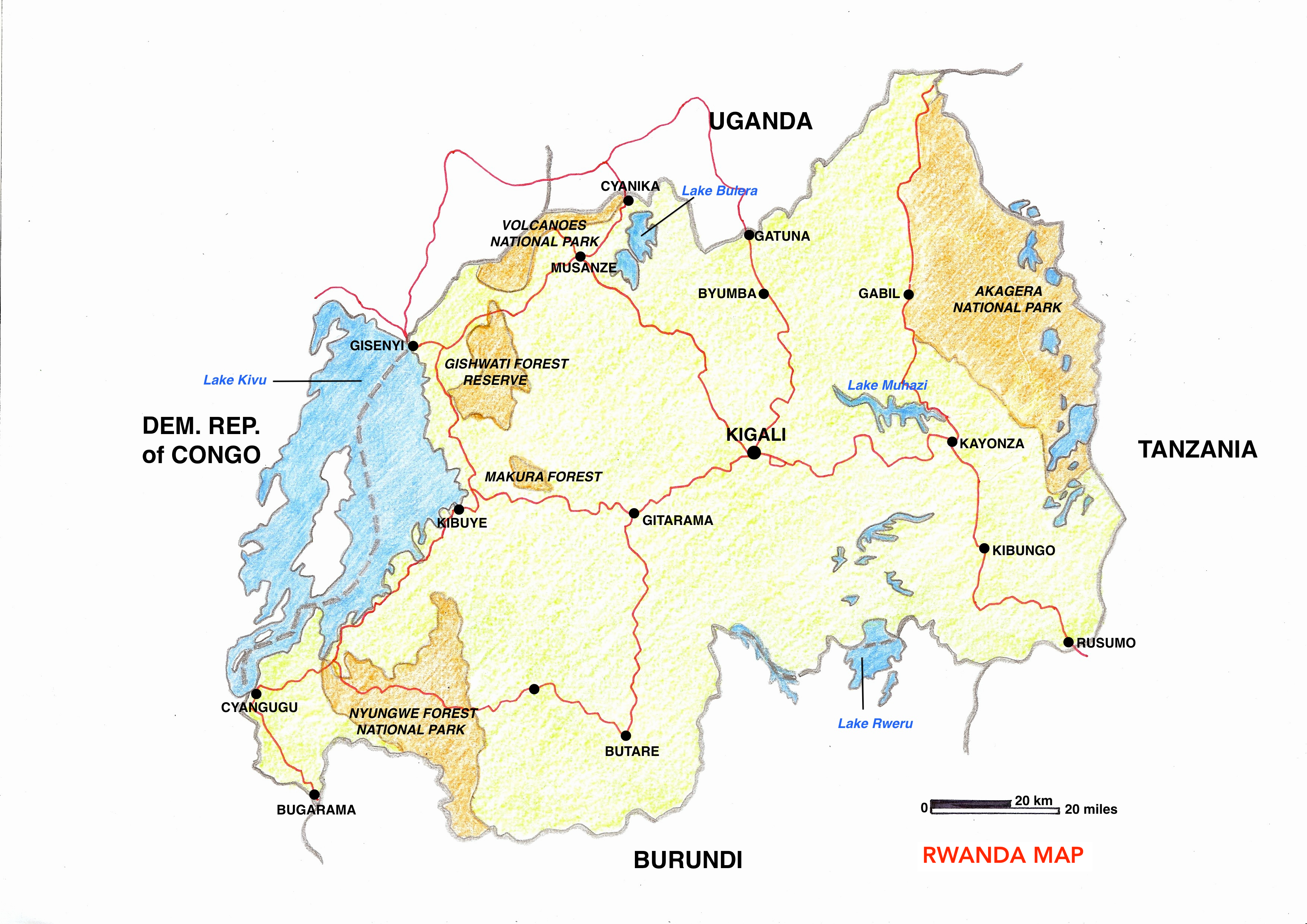
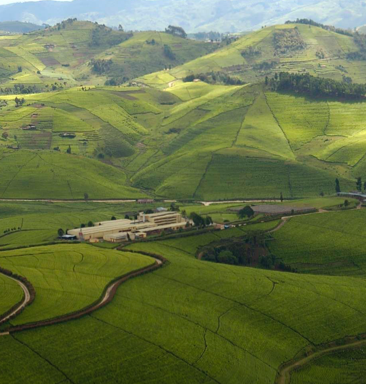
Rwanda… known as “the land of a thousand hills’, is a small landlocked, mountainous country in east-central Africa, with neighbours Tanzania to the east, Burundi to the south, DR Congo to the west, and Uganda to the north.
Rwanda’s stunning scenery and friendly, respectful people offer unique experiences. The country is blessed with extraordinary biodiversity, with incredible wildlife living throughout its volcanoes, montane rainforest and sweeping plains.
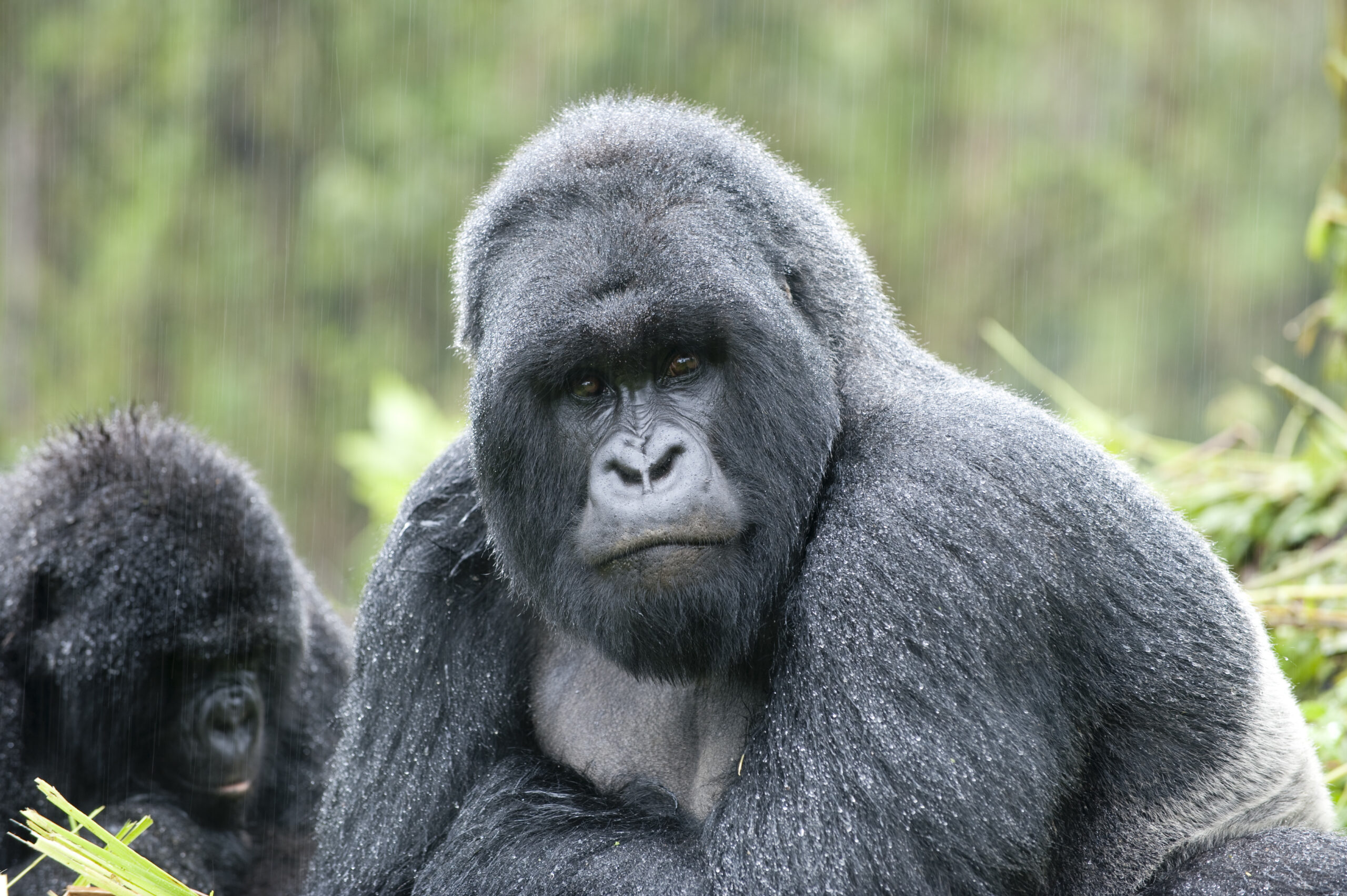
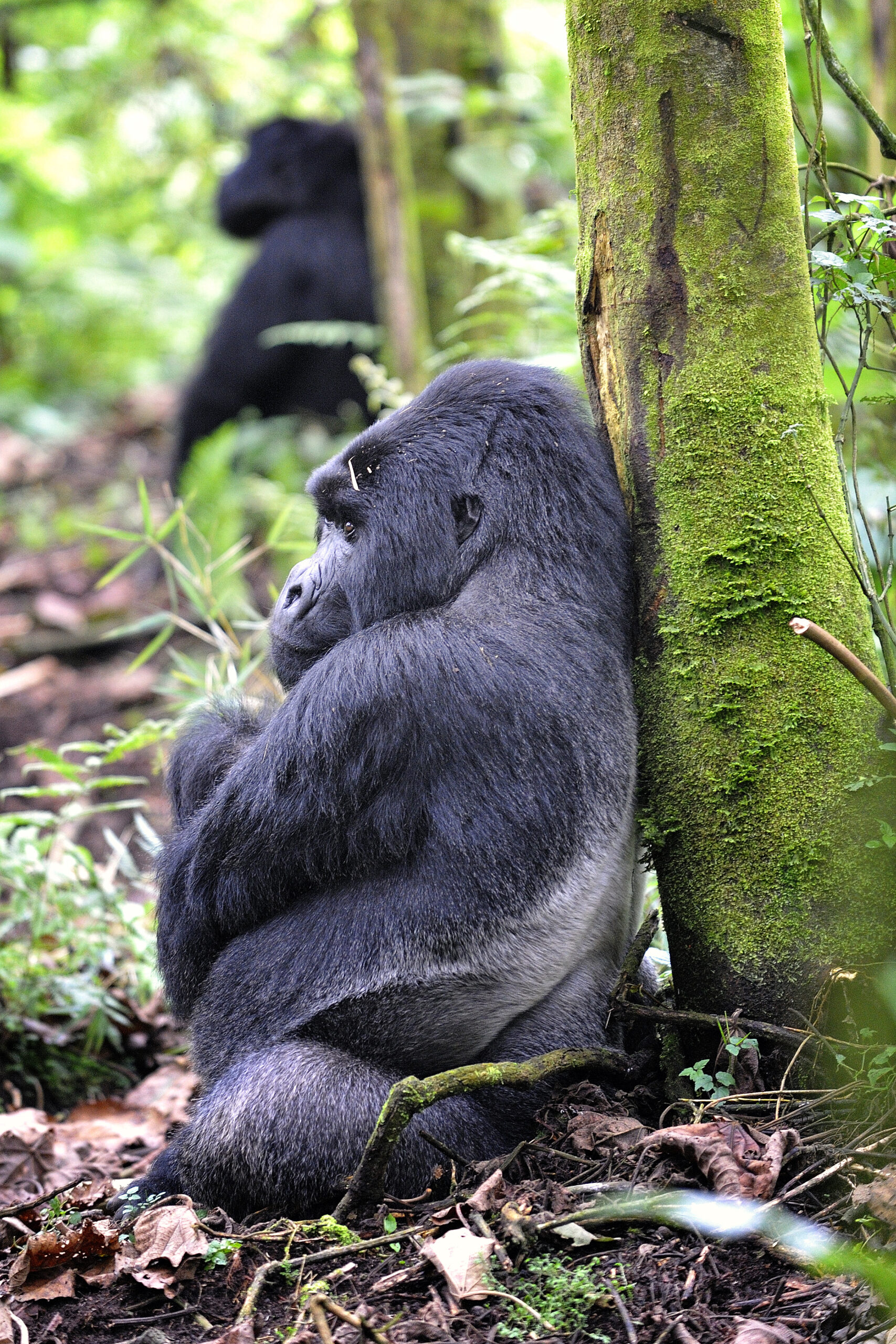
Gorilla tracking safaris are a key drawcard, yet there is so much more to see and experience.
With an unsettled and bloody history, today Rwanda is considered to be the 9th safest country in the world! The genocide of 1994 is, without a doubt, a significant point in Rwanda’s history, but the country has evolved to become one of the most united, progressive, organised and welcoming destinations in East Africa.
Rwanda is at the forefront of sustainable and responsible tourism in East Africa. The clean & green mindset has resulted in a total ban on non-biodegradable plastic bags, and efforts to continually clean up communities. 10% of the income derived from trekking and safari permits is spent in partnership with local communities to improve lives.
Money: Rwanda’s currency is the Rwandan franc (RWF), athough US$ are widely accepted. Most banks are open from 08h00 – 20h00 Mondays – Fridays, and from 08h00 – 13h00 on Saturdays. Banks are closed on Sundays. Credit cards are accepted at most supermarkets, restaurants and accommodations. Please note however that MasterCard is not widely accepted. Visa is the preferred credit card.
Language: The main language is Kinyarwanda. However French and English are widely spoken.
Food & Drink: Most lodges and camps accommodating tourists offer a good standard of fresh food, often combining Belgian-inspired cuisine with local dishes. Traditional Rwandan food is neither spicy nor hot. People eat simple meals made with locally grown ingredients, including sweet potatoes, beans, corn, peas, millet, plantains, cassava, and fruit. Rural Rwandans rarely eat meat. Fish dishes (Tilapia and Sambaza) are popular choices, and tropical fruits are plentiful. A traditional breakfast consists of sweet potatoes and porridge. Lunch and dinner may consist of boiled beans, bananas, sweet potatoes or cassava. Umutsima (a dish of cassava and corn), isombe (cassava leaves with Eggplant and spinach) and mizuzu (fried plantains) are common dishes. Dinner is the heaviest meal.
Fruit juices, milk, wine and local beers (Primus, Amstel and Mutzig) are all popular. Urwangwa or banana wine can be sampled throughout the country. The legal drinking age is 18. Bottled water is readily available.
Dress: Dress codes are informal but respectful. Men tend to wear trousers but shorts are fine, although walking around without a shirt is frowned upon. On safari, choose light coloured, neutral and natural fabrics. Avoid blue in Agakera National Park as it attracts tsetse flies. A lightweight waterproof jacket, good (and comfortable) hiking shoes, and a pair of gardening or leather gloves are necessary for trekking.
Travelling Around Rwanda
Major arterial routes are mainly tarred and in good condition, and most tourist destinations are within a 3 hour drive of Kigali. Roads in more rural areas are frequently gravel / dirt in poorer condition. Our driver guides are knowledgeable of road conditions, and we try to always allow sufficient time in your itinerary for you to enjoy these transfers. If time is tight, helicopter transfers within Rwanda are also available.
Rwanda's Top Attractions
What To Do in Rwanda
- Volcanoes National Park
- Nyungwe National Park
- Akagera National Park
- Kigali
- Lake Kivu
- Gorilla Trekking
- Chimpanzee, Golden Monkeys & other primate trekking
- Big 5 Safaris
- Birding Safaris
- Hiking
- Arts & Culture
Where to Go
Volcanoes National Park
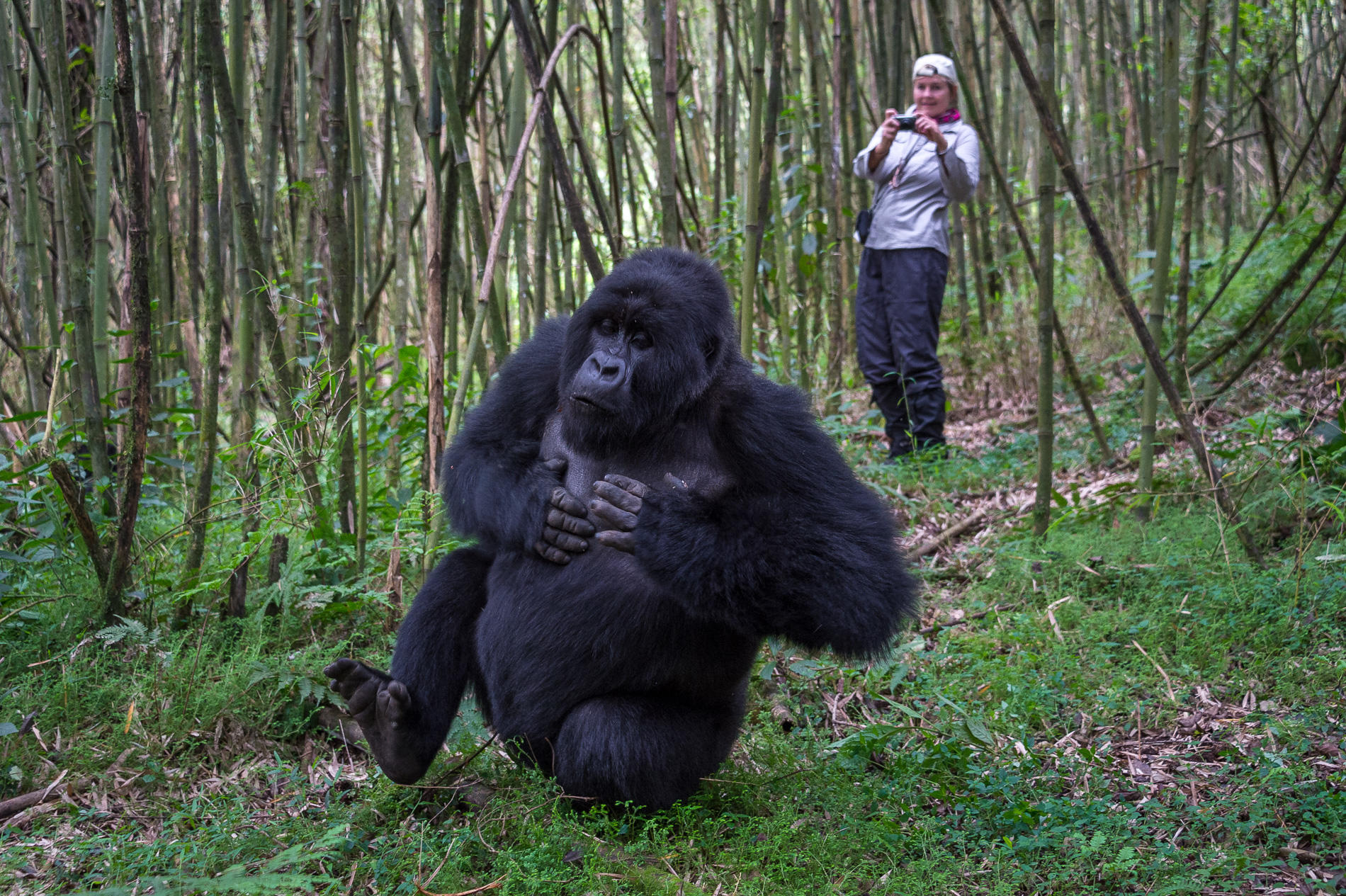
Rwanda’s most well-known destination, Volcanoes National Park is synonymous with gorilla trekking. Located in the Virunga Mountains in the north of Rwanda, Volcanoes is contiguous with Uganda’s Mgahinga National Park and the Virunga National Park of the DRC. There are almost 400 mountain gorillas here, moving between the three countries. Most habituated family groups live in the Volcanoes National Park, making Rwanda one of Africa’s best destinations for anyone wanting to experience gorilla trekking.
It’s an easy 2 hours drive from Kigali to the little town of Musanze (also called Ruhengeri), the gorilla trekking departure point. There are plenty of cafes, restaurants and bars here, as well as a good variety of accommodations. The more luxurious lodges are generally found on the outskirts of the national park.
With an altitude range within the national park from about 2,500 to 4,500m, gorilla trekking here is generally higher than in Bwindi in Uganda. The park has extensive bamboo forests as well as afro-montane forests. As well as its infamous mountain gorillas, the there’s a variety of other primates, including the endemic golden monkeys, plus forest elephants, buffalo, giant forest hogs (Africa’s largest swine), bushpigs, bushbucks, black-fronted duikers, spotted hyenas, and around 200 species of birds.
Nyungwe National Park
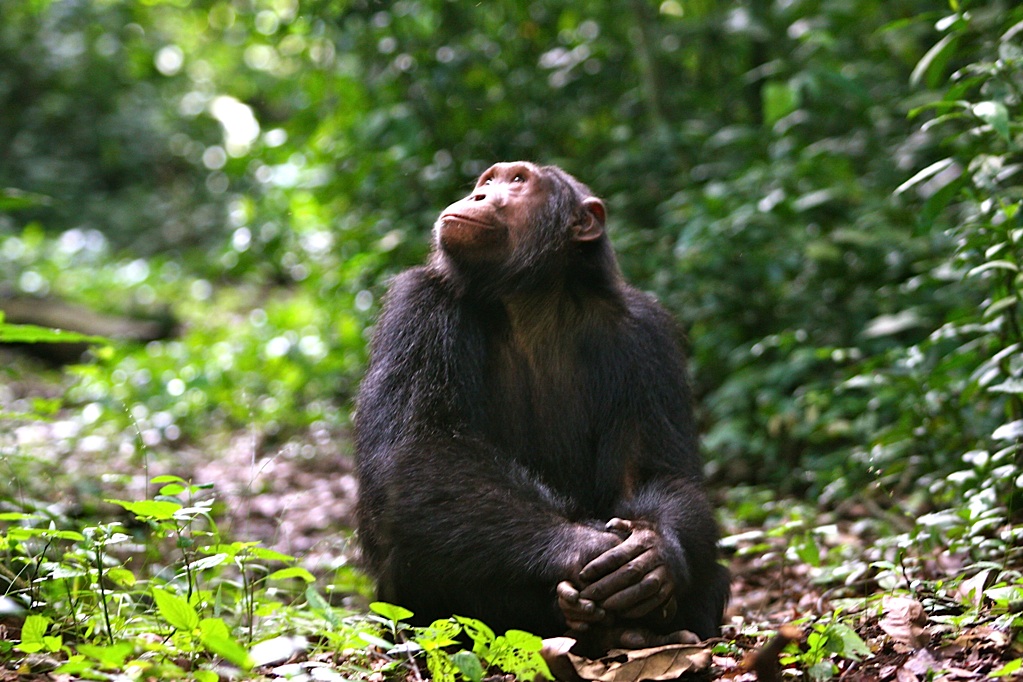
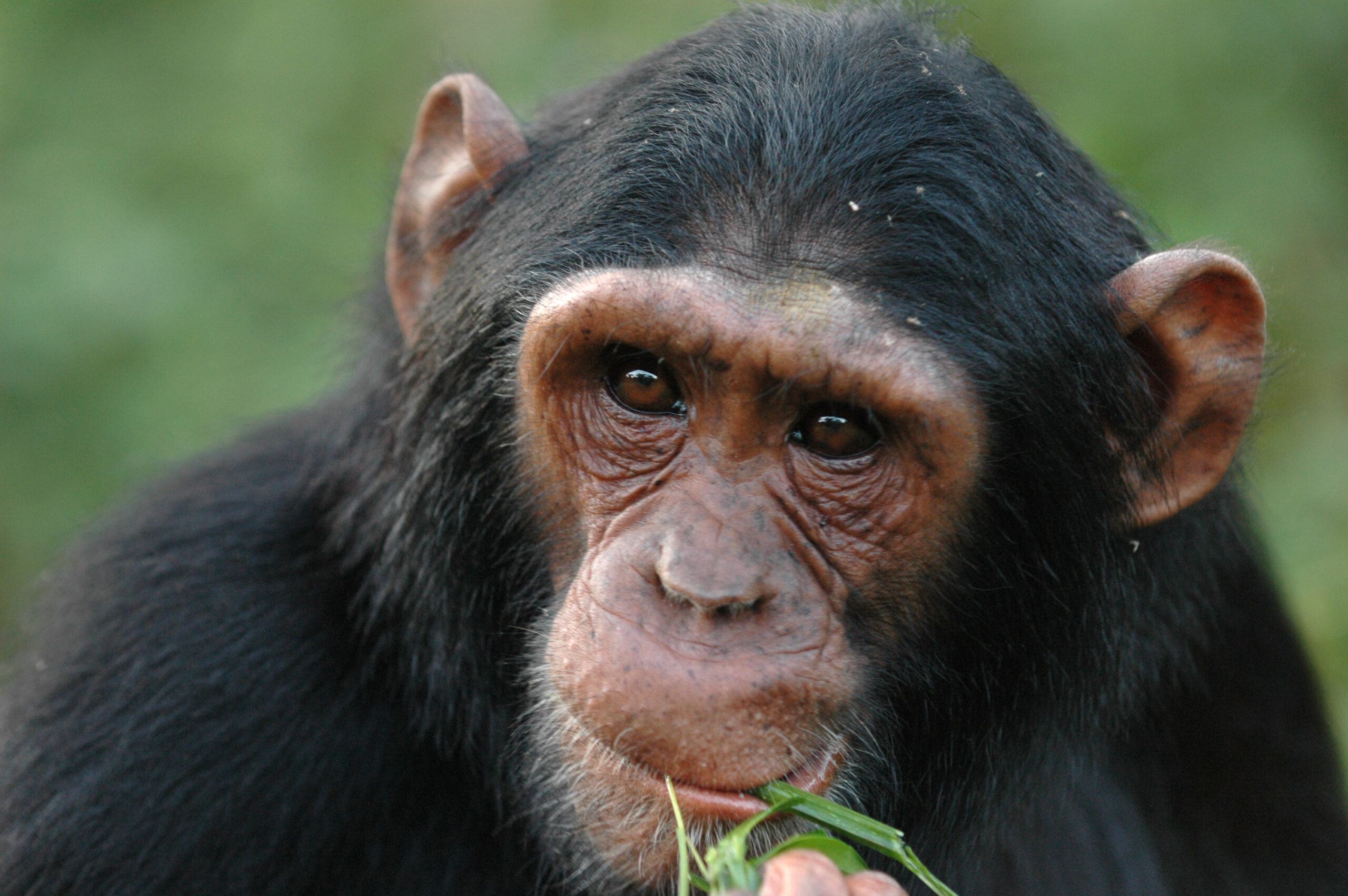
Located in the mountainous southwest of Rwanda, Nyungwe is a vast, unspoilt tropical rainforest with towering mahoganies, giant tree ferns and cascading orchids. Extending over 1020 sq kms, Nyungwe Forest National Park is primarily known for its primates. Chimpanzee trekking is a highlight here, and several other monkeys are frequently observed here, including large troops of Ruwenzori Colobus, Golden Monkeys, Red Tailed Monkeys and grey-cheeked mangabays. The national park is remarkably bio-diverse with more than 75 mammal species, including 13 primates; 310 bird species, over 100 species of orchids and 120 butterfly species.
There are over 130 km of hiking trails within the national park. Hiking here is a delight, with trails from 1 to 8 hours, with various degrees of difficulty. The Igishigishigi Trail is one of the shortest hikes and includes East Africa’s highest canopy walk, with a metal suspension bridge 50m above the forest canopy offering spectacular views! The 6 hour Bigugu Trail leads you to the highest mountain in the Park at 2950m.
The park has limited luxury accommodations, as well as some more budget-conscious options.
Akagera National Park
Located on Rwanda’s eastern border with Tanzania, at just 1120sq km, Akagera is a small park with a variety of habitats, birds and wildlife, and beautiful and diverse scenery! To the north of the park, the rolling grasslands are similar to the savannahs of East African safaris, whilst to the east the Akagera River feeds a network of papyrus swamps and reedbeds, and further west the landscape is rolling hills and valleys. Expect to see elephant, buffalo, giraffe, zebra, hippo, eland and white rhino. Lion, leopard and black rhino are all present, but remain elusive.
Akagera is approximately 2-3 hours’ drive from Kigali, so can be visited on a long day trip from the city. Alternatively, there’s limited safari accommodation here, on the shores of Lake Ihema and in the northern sector of the park.
Activities in Akagera include morning/afternoon or full day game drives as well as boating safaris on Lake Ihema and fishing in Lake Shaken.
Kigali
Rwanda’s capital city is pleasant, clean and modern, scattered over several hills, and located centrally in this small country. There’s not many tourist attractions here, although if you do have a few hours in Kigali, the deeply moving Gisogi Genocide Museum is well worth visiting to begin to understand the history and resilience of the Rwandan people. There are also several excellent art galleries including the Inema Art Centre and Niyo Art Gallery. The Kimironko Market is a great place for souvenirs.
Lake Kivu
Lake Kivu is Rwanda’s largest lake, and the 6th largest in Africa. It is one of a string of freshwater lakes in the Albertine Rift Valley, and stretches along almost half of the country’s western border. Lake Kivu is a popular holiday destination for both international visitors and locals, and is a lovely option for a slower meandering route when travelling between Nyungwe and Volcanoes National Parks. With picturesque sandy beaches and cool predator-free waters, Lake Kivu is ideally suited for swimming, kayaking and boating.
Climate & When to Visit Rwanda
|
|
Jan |
Feb |
Mar |
Apr |
May |
June |
July |
Aug |
Sept |
Oct |
Nov |
Dec |
|
Volcanoes National Park |
✓✓ |
✓✓ |
✓ |
✓ |
✓ |
✓✓✓ |
✓✓✓ |
✓✓✓ |
✓✓✓ |
✓ |
✓ |
✓✓ |
|
Nyungwe & Akagera |
✓✓ |
✓✓ |
✓ |
✓ |
✓ |
✓✓✓ |
✓✓✓ |
✓✓✓ |
✓✓✓ |
✓ |
✓ |
✓✓ |
|
Lake Kivu & Karongi |
✓✓✓ |
✓✓✓ |
✓ |
✓ |
✓✓ |
✓✓✓ |
✓✓✓ |
✓✓✓ |
✓ |
✓ |
✓✓ |
✓✓ |
Rwanda’s relatively high altitude, and position just south of the equator, results in a pleasant tropical climate throughout the year. Temperatures vary considerably between locations, usually depending on altitude, but vary very little in the same place from one month to the next. Peak temperatures rarely exceed 30°C (86°F) in the daytime or drop below 15°C (59°F) at night. Akagera is generally the warmest and the Virunga mountains the coolest.
Rwanda has two rainy seasons and two dry seasons each year. The long rains last from March to May. The shorter rainy season lasts through October and November. The high season for visitors is during the long dry season from June to mid-September, and the short dry season from December to early February.
Most tourists visit Rwanda to experience gorilla trekking. The easiest gorilla trekking months are June to September, and late December to February.