What to Expect
Kenya .. the name conjures up romantic images of the great African wilderness. It is the most popular safari vacation destination in the world, and offers visitors abundant wildlife, diverse cultures, dramatic and beautiful scenery, tropical beaches and superb coral reefs – all within a country where English is widely spoken and tourism well established.
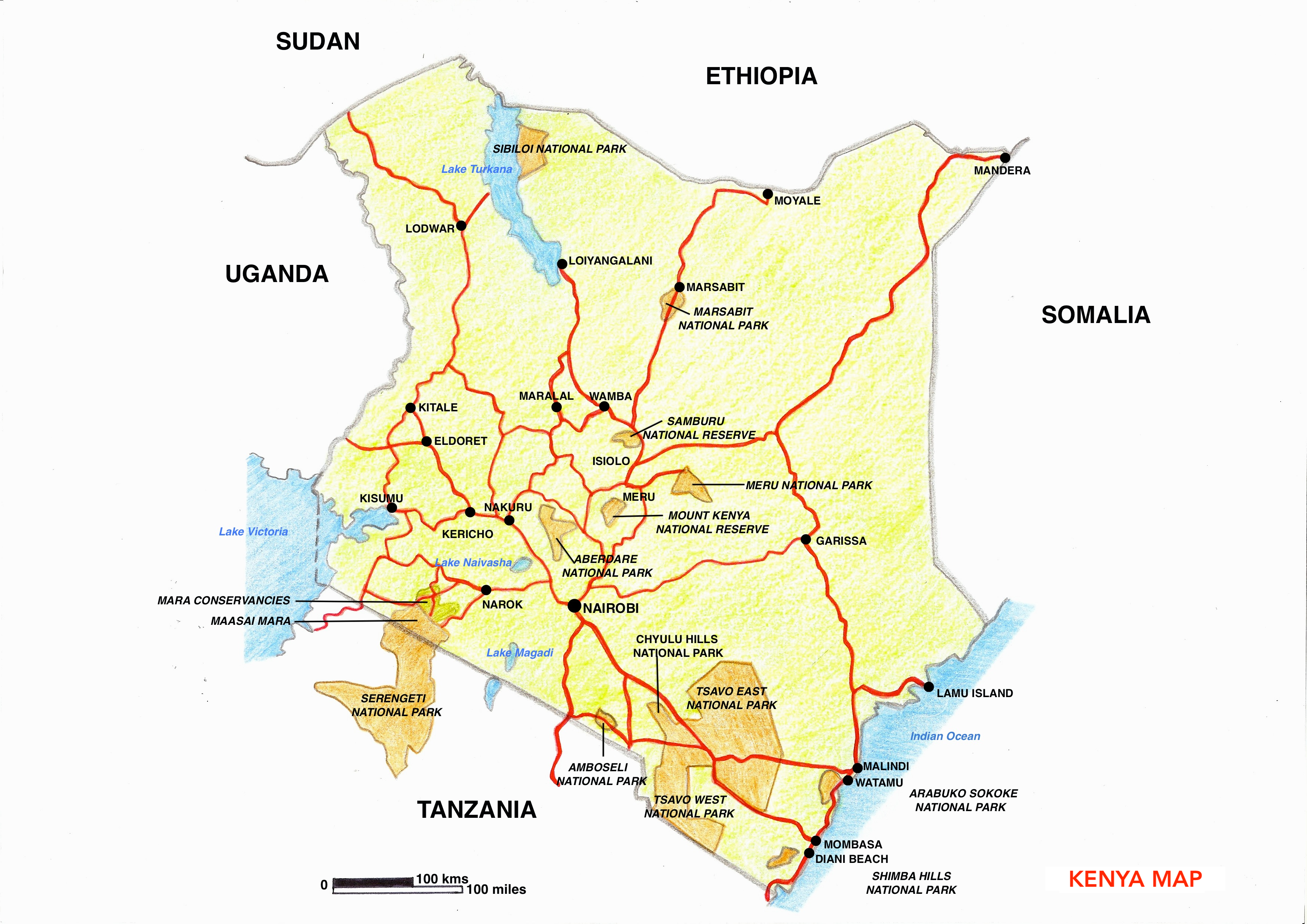
Kenya boasts 48 parks and reserves, including the world-renowned Masai Mara, Amboseli, Tsavo and Samburu National Parks. Despite Kenya’s large number of visitors, this extraordinary choice of parks and game reserves makes it possible for the discerning visitor to experience the breathtaking surroundings and great concentrations of game far from the madding crowds.
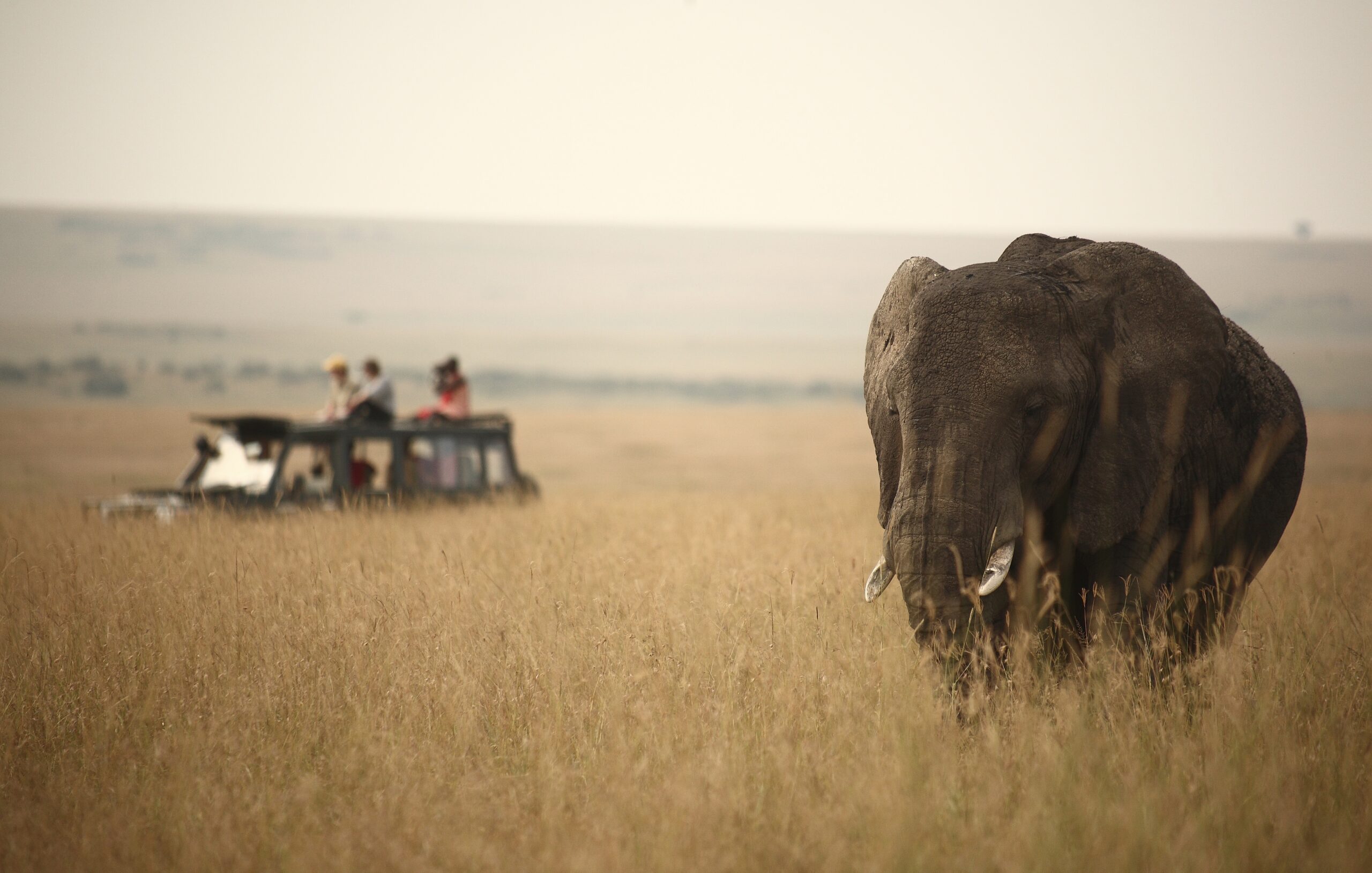
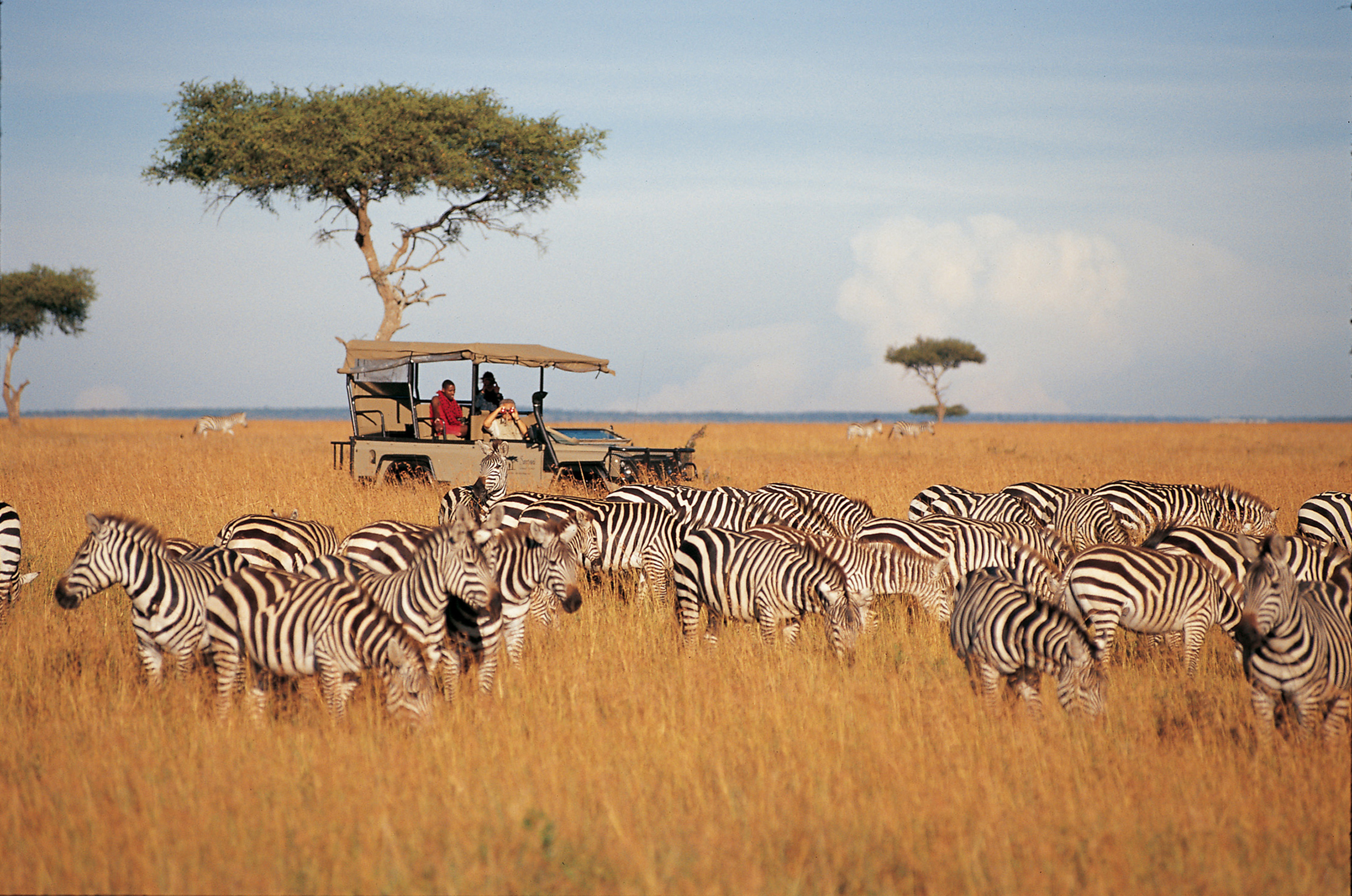
There are many different ways to experience the Kenyan bush – view the Big 5 from the comfort of a 4×4, track game on horseback, or take a walking safari through the herds of plains game. Whatever your preference, the wilderness of Kenya is a wonder to behold.
Your Kenya safari vacation can be uniquely tailored to include a selection of national parks or reserves of your choice. Combine this with an optional beach holiday at one of the coast’s excellent holiday resorts, or with a visit to neighbouring Uganda to see the Mountain Gorillas.
Money: The unit of currency in Kenya is the Shilling, although US$ are widely accepted, as are Visa and Mastercard credit cards.
Language: English and Swahili are widely spoken. Taking the time to learn a few key Swahili phrases is greatly appreciated!
Food & Drink: Kenyan cuisine offers a vibrant tapestry of flavours from rich curries to succulent meats and spicy fish dishes. Try Nyama Choma, a roasted meat speciality, served with Ugali, Kenya’s staple carbohydrate. Grilled fish and coconut curry is a quintessential coastal dish.
Dress: It’s important to respect local culture, particularly if your Kenya vacation includes time at the beach. Casual, conservative, comfortable and colourful all work well. No topless sunbathing or micro skirts please. Ladies should cover their shoulders when visiting cultural or religious locations. Muted layers for your safari. Avoid dark blue as this can attract Tsetse flies.
Travel To and Around Kenya
Kenya has good accessibility by air, with regular international flights from Amsterdam, London, Doha, Dubai and Frankfurt as well as regional connections throughout Africa. Most international flights use Nairobi’s Jomo Kenyatta International Airport (NBO) and Mombasa (MBA). Nairobi’s Wilson Airport (WIL) is used for light aircraft flights to safari and beach destinations within the country. A number of private airline companies operate light aircraft schedules and charters to small landing strips in the National Parks and conservancies, including Masai Mara, Samburu and Amboseli.
Kenya's Top Attractions
What To Do in Kenya
- Masai Mara National Park
- Laikipia Plateau
- Samburu
- Amboseli
- Tsavo
- Beach Resorts
- Lamu Island
- Rift Valley Lakes
- Big 5 Safari
- Migration Safari
- Family Safari
- Hot Air Ballooning
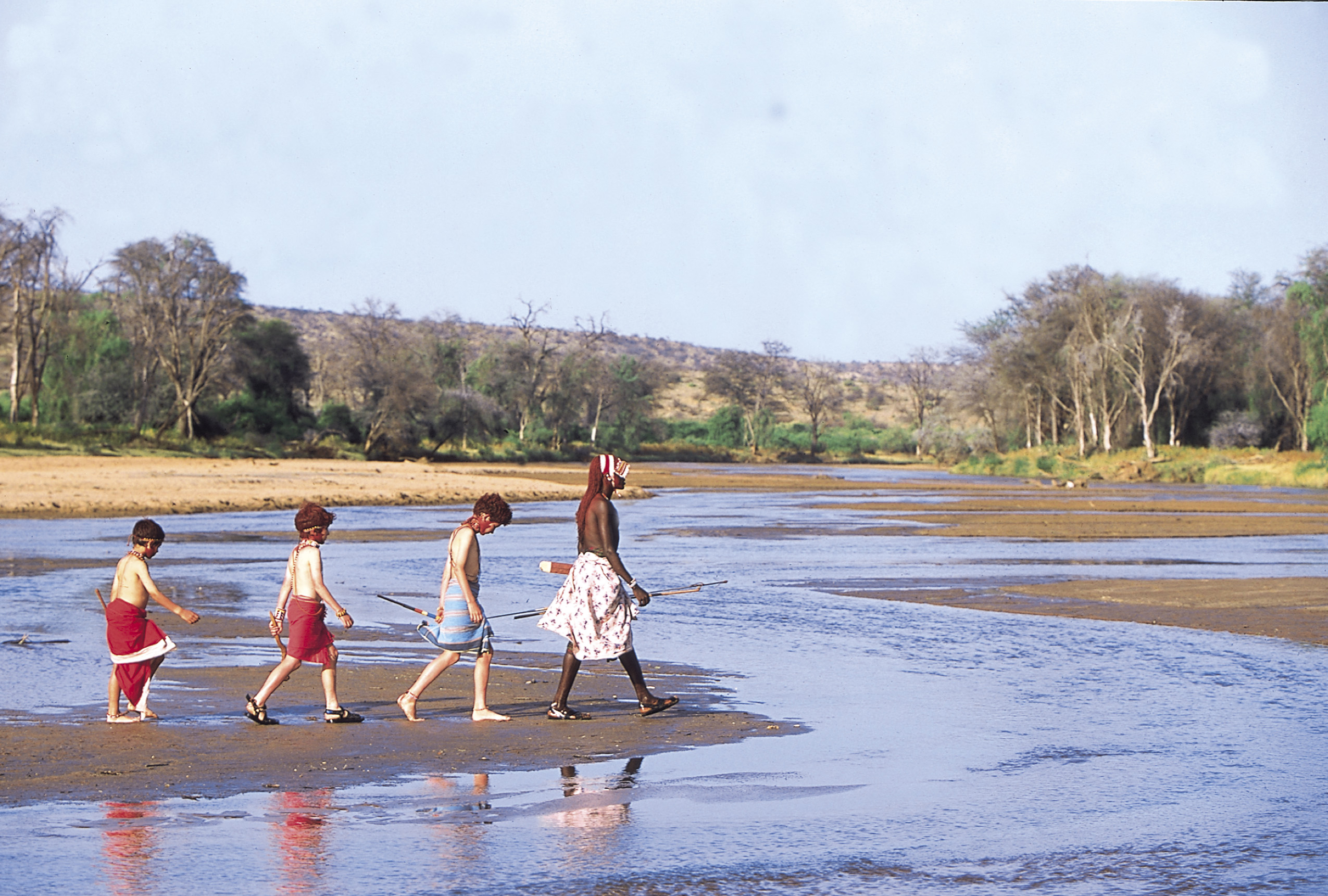
- Walking Safari
- Horse Riding Safari
- Indian Ocean Beach Vacation
- Snorkelling, scuba diving, watersports
Where to Go
Masai Mara
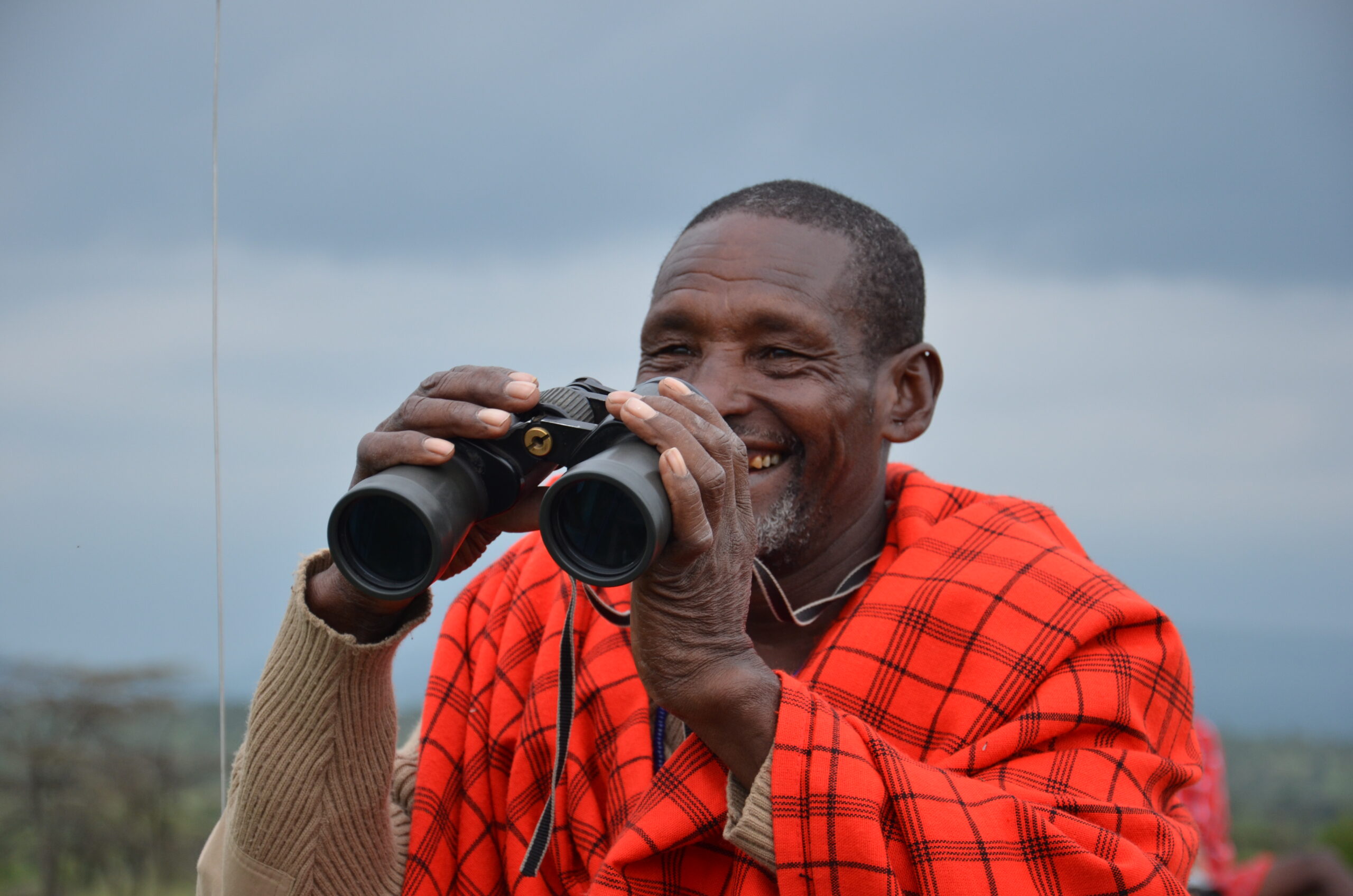
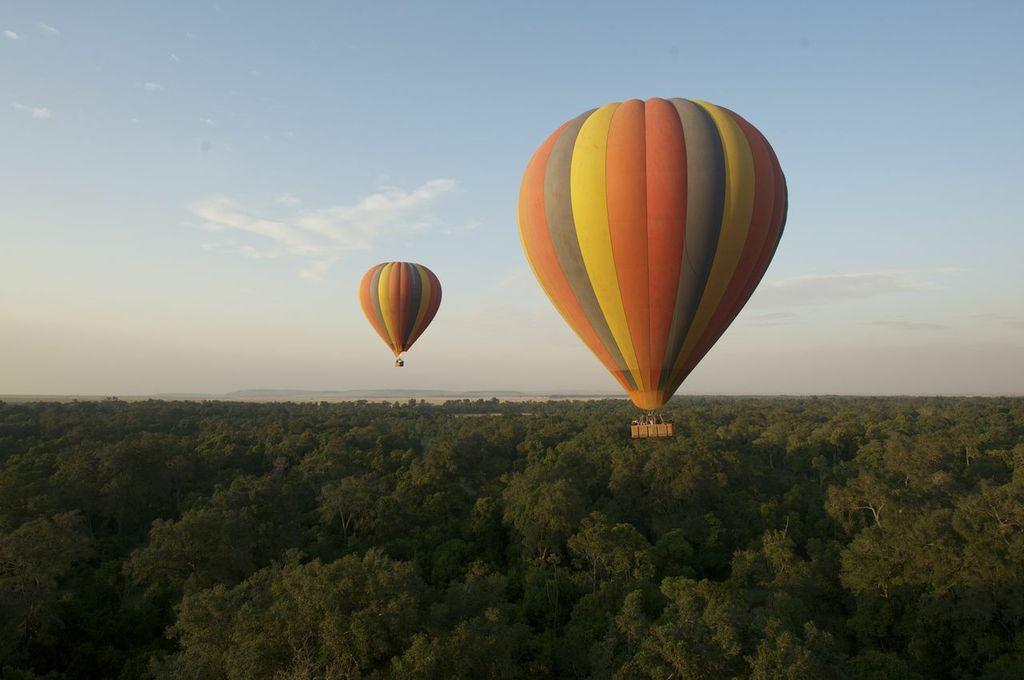
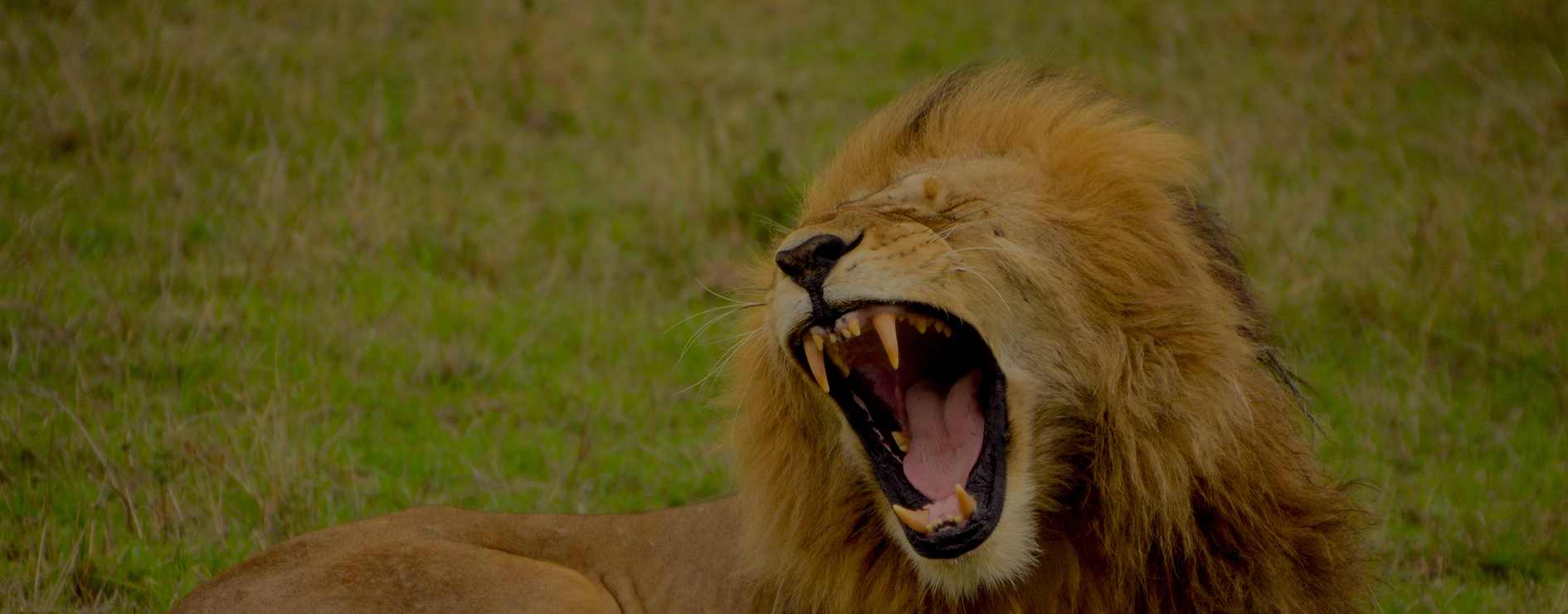
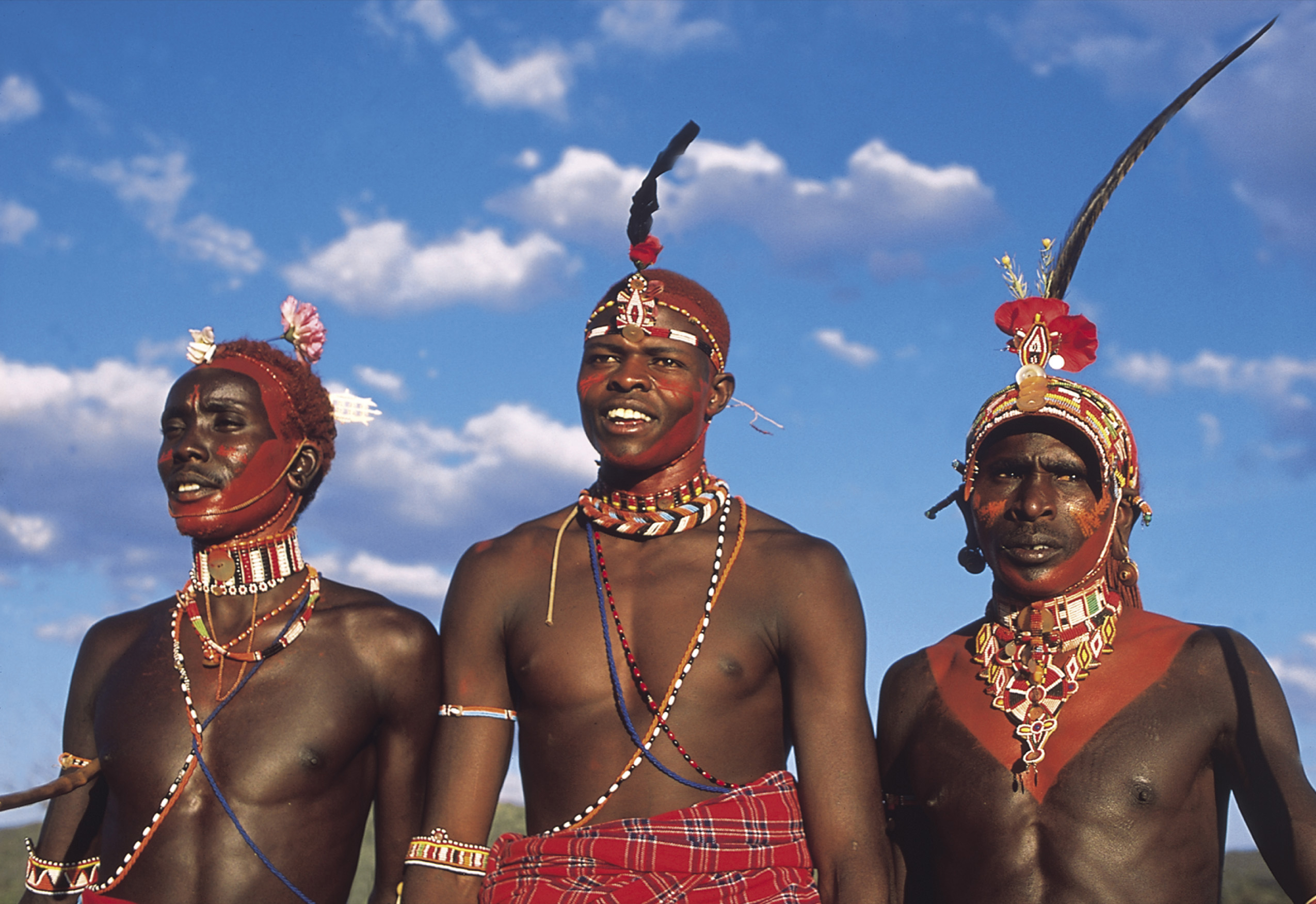
The Masai are a strongly independent people who value their rituals and traditions; living alongside wildlife in harmony is an important part of their beliefs. The Masai people’s co-existence with wildlife has made the Masai Mara Game Reserve one of the world’s most unique wilderness areas. One of Africa’s greatest wildlife reserves, the world-famous Masai Mara is the 1,510 sq km extension of the Serengeti Plains. It comprises open plains, woodlands and riverine forests, and is home to a breathtaking diversity and density of wildlife. The vast grassland plains are scattered with herds of giraffe, gazelle, topi and zebra. Elephant and buffalo are found in large numbers, and predators such as lion, cheetah, hyena and jackals prowl in search of easy prey. The Acacia forests are teeming with birdlife and monkeys; the Mara and Talek Rivers are brimming with hippos and crocodiles. Each year the Masai Mara plays host to one of nature’s greatest spectacles – the Great Migration. More than 1.3 million wildebeest, together with hundreds of thousands of zebra travel north, following the rains, in search of fresh grasslands. Huge herds stretch across the plains, and pour down steep banks to attempt spectacular river crossings as they move from Tanzania's Serengeti to Kenya's Masai Mara, and back again. The migration is an ongoing movement throughout the year, determined by the rains. The majority of the wildebeest move into the Masai Mara from about June/July to October each year. The Masai Mara is a world-class year-round safari destination with a wide range of game lodges and camps, both in the national park and within adjoining private conservancies. 4×4 game drives, balloon safaris, walking safaris and horse riding are all available.
Laikipia Plateau
In the heart of Kenya, stretching from the rugged slopes of Mount Kenya to the Aberdares, the 9,500 sq km Laikipia Plateau is becoming an increasingly popular safari destination, with stunning scenery and wildlife. The landscape is diverse, dominated by rocky escarpments and rugged hills, semi-arid savannahs and lava plateaus. The region comprises private conservancies, reserves and community lands, and Laikipia safaris offer bespoke experiences and a high level of personal service. Expect game drives, quad biking, horse-riding, camel riding, fly-camping, river swimming, climbing, helicopter flights and cultural interactions. This is an unrivalled paradise for authentic walking safari, accompanied by Masai guides. The region hosts important populations of both Black and White Rhino, Greater Kudu, Cheetah and Grevy’s Zebra. Some conservancies are well known for superb game viewing, whilst others specialize in a wilderness experience. We frequently recommend safaris that combine a few nights staying in one of the private Laikipia conservancies with a Masai Mara safari. Scenically the two regions are very different, and there's a significant contrast between the safari experiences and activities.
Samburu
Samburu National Reserve lies 325km north of Nairobi – a 6 hour drive or 1 hour flight. The reserve is within the lands of the colourful Samburu people, in the hot arid northern region of Kenya. The landscape here is one hills and plains, parched by the equatorial sun, and dissected by the wide and sluggish Ewaso Ngiro River. The river is fringed with giant acacias, figs and doum palms, providing shade and sustenance to the animals which come to drink here. The reserve is home to a number of wildlife species rarely found elsewhere in large numbers – including the reticulated giraffe, Beisa oryx and Grey’s zebra – all species only found north of the equator. Samburu is also home to the long-necked gerenuk antelope – which stands on its hind legs to feed, as well as lions, leopards and big herds of elephants. The river has a large population of crocodile seen on sandbanks at almost every bend. In the lower reaches, where permanent pools have formed, are hippo.
Amboseli
Amboseli Game Reserve is located in the south of Kenya, lying below Mount Kilimanjaro, Africa’s highest mountain, and the highest free-standing mountain in the world. Amboseli is a land of giants. It is renowned for its large herds of elephants, which include some impressively tusked bulls. To experience the sight of these herds of pachyderms crossing the wide dry plains, with a backdrop of the snow-capped peak of Kilimanjaro, is, quite simply, unforgettable. The park is approximately 400 square kilometres, with its southern boundary on the Tanzanian border. Streams from Kilimanjaro create swamps in the centre of Amboseli, which attract and sustain an impressive array of wildlife, including wildebeest, buffalo, giraffe, impala, zebra, lion and cheetah. Hippos are plentiful in the channels of the swamps, and birding is excellent both in the swamp and forest areas. The open country is excellent for walking safaris – provided by many of the camps and lodges found here. Amboseli is easily accessible, and a popular safari destination. Many visitors combine Amboseli Game Reserve with another safari destination and beach holiday.
Tsavo
Tsavo is one of Africa’s largest reserves – 10 million acres of pure wilderness, dominated on the western horizon by Mount Kilimanjaro. Larger than the island of Jamaica, the reserve incorporates savannah, ranges and hills, acacia and montane forest, and an extensive river system. The sheer scale of Tsavo makes it an attractive destination for visitors seeking solitude and privacy. Lodges and camps are remote and accessible by long drives or air transfer. Many of these can organize game walks and other activities within the park. On a Tsavo safari here you will see large herds of elephant, their hides often red with dust, as well as lion, buffalo, hippos, eland, impale, kudu, giraffe and possibly rhinos. Tsavo is also a birdwatcher’s paradise, with numerous species of weavers, hornbills, sunbirds, rollers, and raptors commonly seen. Tsavo has a number of interesting geographical features, including Lugard Falls, where white water rages through a series of spectacular rock formations. The volcanic Mzima springs produce 50 million gallons of fresh water each day. An underwater observatory allows you to view crocodiles, hippos and shoals of barbell in this wetland paradise. With its proximity to the coast, a Tsavo safari combines well with a Kenya beach holiday.
Kenya's Beaches
The 480km long Kenyan coast has long stretches of idyllic white sand beaches, fringed with palms and lapped by the warm inviting waters of the Indian Ocean. Here, in this exotic paradise, spectacular coral reefs teem with life and brilliant colours as Arab Dhows sail its calm blue waters, the traditional passage of the Arabian Spice Trade. Along the length of this coast Arab and Portuguese forts, old towns and the deserted ruins of Swahili outposts bear witness to its fascinating history. In the winding medieval streets and bustling markets of Lamu and Mombasa Old Town, life has continued unhurried and unchanged for more than 400 years. Whether you simply want to relax by the azure waters, or enjoy some of the more adventurous activities on offer such as big-game fishing and scuba diving, a Kenya Beach Holiday is the perfect end to your Kenya Safari.
South Coast Beaches
The coastline south of Mombasa is a tropical paradise of palm fringed white beaches, turquoise waters and protective coral reefs. Lush green coastal rainforests have prolific birdlife, and the Pemba Channel offers superb big-game fishing. A wide range of world class resorts centered around Diani Beach allow visitors to enjoy this natural paradise with the best standards of service, cuisine and accommodation.
North Coast Beaches
The coastline North of Mombasa is a world of enthralling history and natural beauty. The pristine beaches are broken by the wide mouth of Kilifi Creek, whose azure waters are a popular port of call on the international yachting circuit. World class holiday resorts can be found on the beaches of Nyali, Vipingo, Kikambala and Shanzu, and the offshore reefs offer superb diving with spectacular coral gardens and drop offs, and Kenya’s best wreck diving on the MV Dania.
Malindi & Watamu
The perfect beach destination for those visitors wanting a combination of relaxation and exploration. The small town of Malindi is in the centre of a string of tropical beaches, with holiday accommodation ranging from world class resorts to quiet low key hideaways. The nearby Marine National Park at Watamu is superb for snorkeling and diving. Other nearby attractions include the sandstone cliffs and gullies of the Mafara Depression, popularly known as Hell’s Kitchen; and the thick jungles of the Arabuko Sokoke Forest, hiding the lost town of Gedi, an ancient Swahili trading post.
Tana River Delta
This remote coastal wilderness on Kenya’s far Northern coast is the perfect destination for those looking for a safari with a difference. Here the waters of the Tana River meet the sea in a massive river delta – a spectacular place of panoramic views, teeming with game and birds, combined with the endless rolling sands of deserted beaches.
Lamu Island
This peaceful tropical island is at once an idyllic beach escape and an evocative adventure. The island itself is simply beautiful, with rolling dunes and numerous beaches interspersed with tiny villages, coconut plantations and mango groves. Its capital, Old Town is both mysterious and fascinating, with winding streets, markets and squares. Originally a Swahili settlement, the island has had many influences, including the Portuguese, Turkish and the Omani Arabs, giving Lamu its own particular culture, enduring to this day. It is a place of tradition and respect for history, where time passes slowly, and where the donkey and dhow remain the dominant form of transport. This romantic island is soul enriching! There are a number of lovely small lodges and hotels in Old Town and on nearby beaches.
Kenya's Great Lakes
Within Kenya's Great Rift Valley are a series of lakes, including Naivasha and Nakuru. The scenery of the Rift Valley is spectacular.
Situated 160km from Nairobi, Lake Nakuru is a soda lake. The high saline of the water sustains a rich population of algae and tiny crustaceans, which in turn, attract the many thousands of flamingos for which the lake has become famous. In addition to the pink flamingos, other residents of the Lake Nakuru National Park include rhinos, and carnivores such as lions and leopards. By contrast, Lake Naivasha has fresh water, and is home to hippos and buffalos, as well as many different bird species, including fish eagles, herons, and cranes. The lake attracts a variety of other animal species, including herds of zebra, impala and giraffe.
Climate & When to Visit Kenya
|
|
Jan |
Feb |
Mar |
Apr |
May |
June |
July |
Aug |
Sept |
Oct |
Nov |
Dec |
|
Safari |
✓✓✓ |
✓✓✓ |
✓✓ |
✓ |
✓ |
✓✓ |
✓✓✓ |
✓✓✓ |
✓✓✓ |
✓✓✓ |
✓ |
✓✓ |
|
Beach |
✓✓✓ |
✓✓✓ |
✓✓ |
✓ |
✓ |
✓✓ |
✓✓✓ |
✓✓✓ |
✓✓✓ |
✓✓✓ |
✓✓ |
✓✓ |
Kenya is a year-round destination, with superb game viewing. Kenya’s different regions experience distinct climates. Generally the hottest months are February and March and the coldest are July and August. Rainfall is seasonal throughout most of Kenya. The coast, eastern plateaus and lake basin experience two rainy seasons. The “long rains” extend roughly from March to June, and the “short rains” last from October to December. The highlands in the west of Kenya have a single rainy season, lasting from March to September. All parts of the country are subject to periodic droughts, or delays in the start of the rainy seasons
The ideal times to visit Kenya are from January to March, and July to October, so avoiding the long and short rainy seasons. One of Kenya’s greatest attractions is the annual wildebeest migration between the Serengeti in Tanzania and the Masai Mara. The wildebeest normally reach the Masai Mara by mid July and leave again in early October.
Diving and snorkelling in the Indian Ocean is generally best between October and March, and water clarity is particularly good in January and February. Sea temperatures are consistently warm.
Birdwatching on the Rift Valley lakes is best between January and March, and game viewing at perennial waterholes is also good at this time.