What to Expect
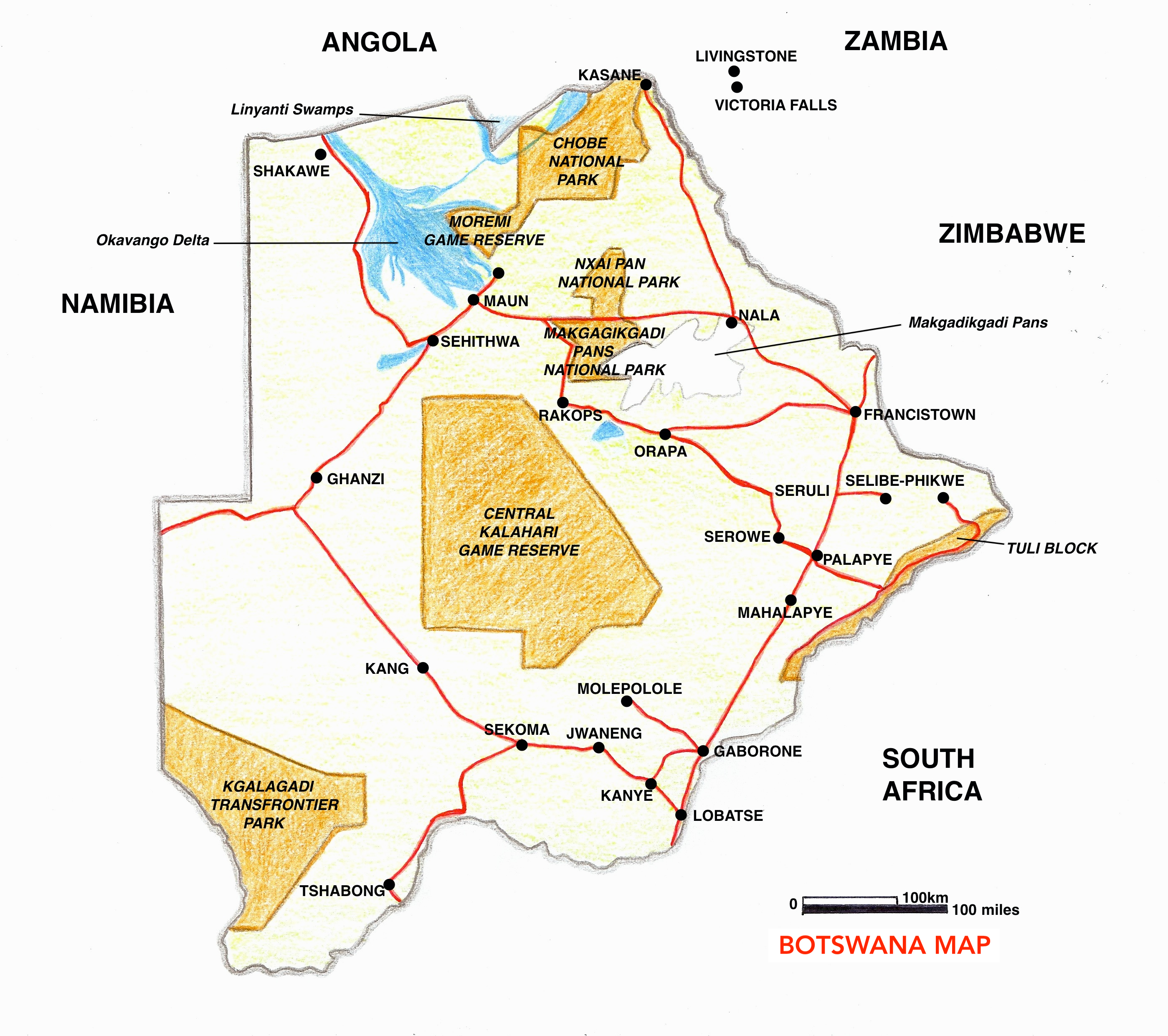
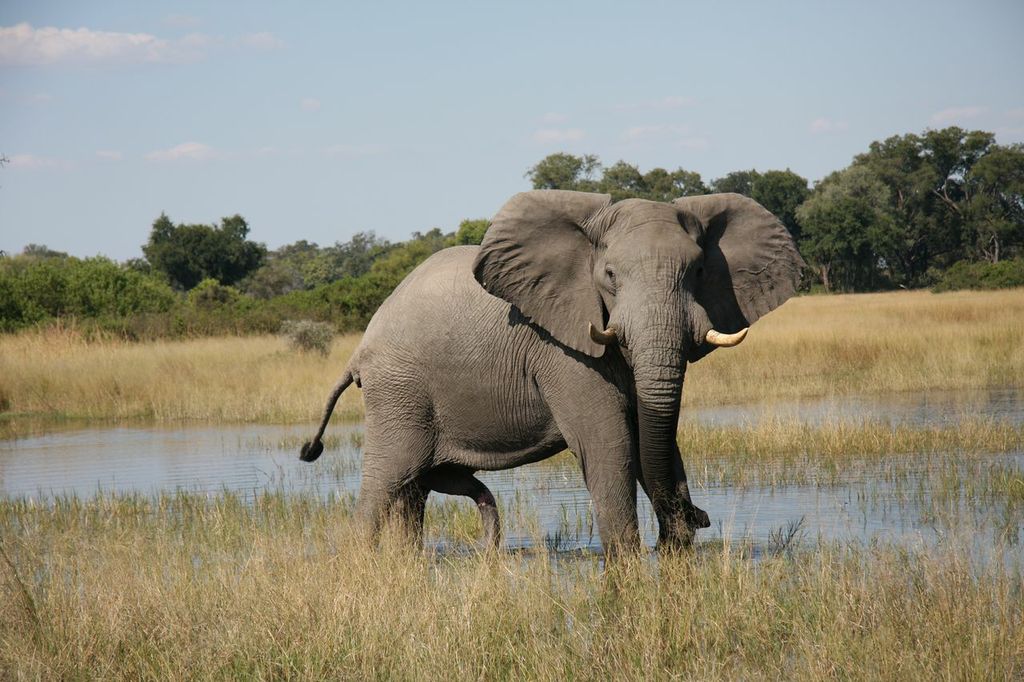
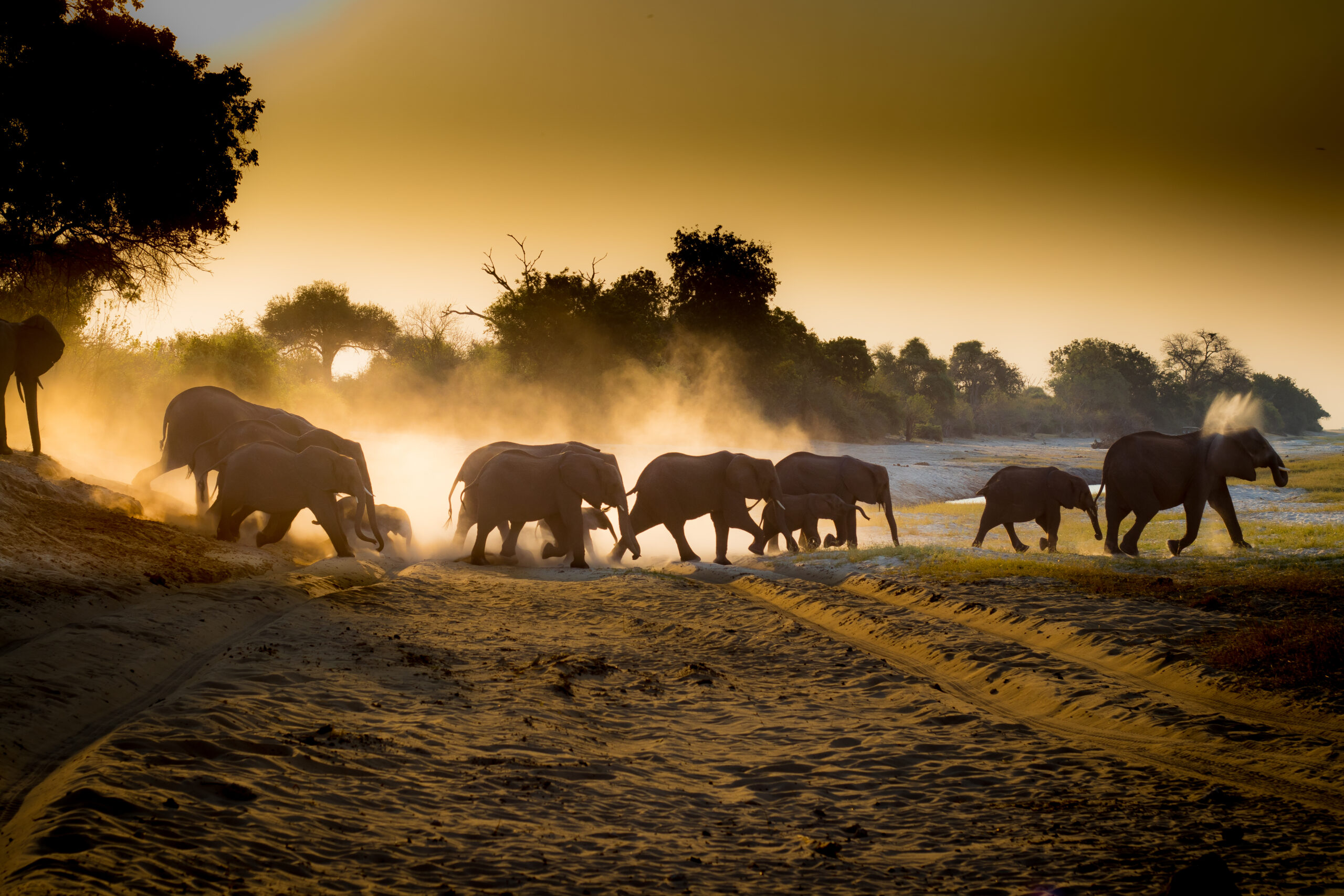
Botswana is a classic wildlife safari destination with year-round outstanding game viewing in a vast unspoilt wilderness. The arid landscapes of the Kalahari and the vast salt pans at Nxai and Makgadikgadi contrast starkly with the lush green environment of the Okavango Delta and Moremi Game Reserve, a year round wildlife haven of lagoons, islands and narrow waterways. Stretching northwards is Chobe National Park, home to the highest concentration of elephant in Africa.
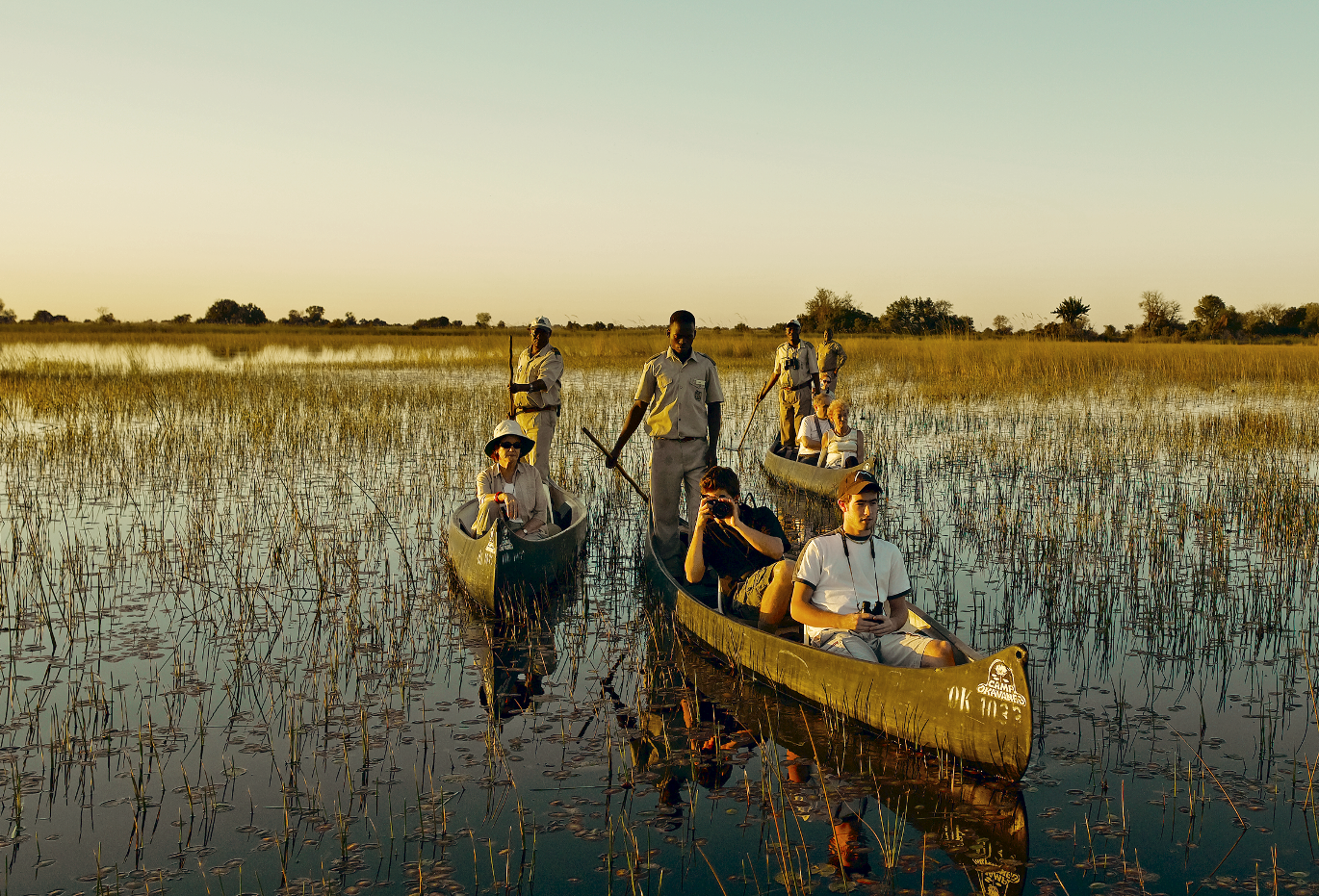
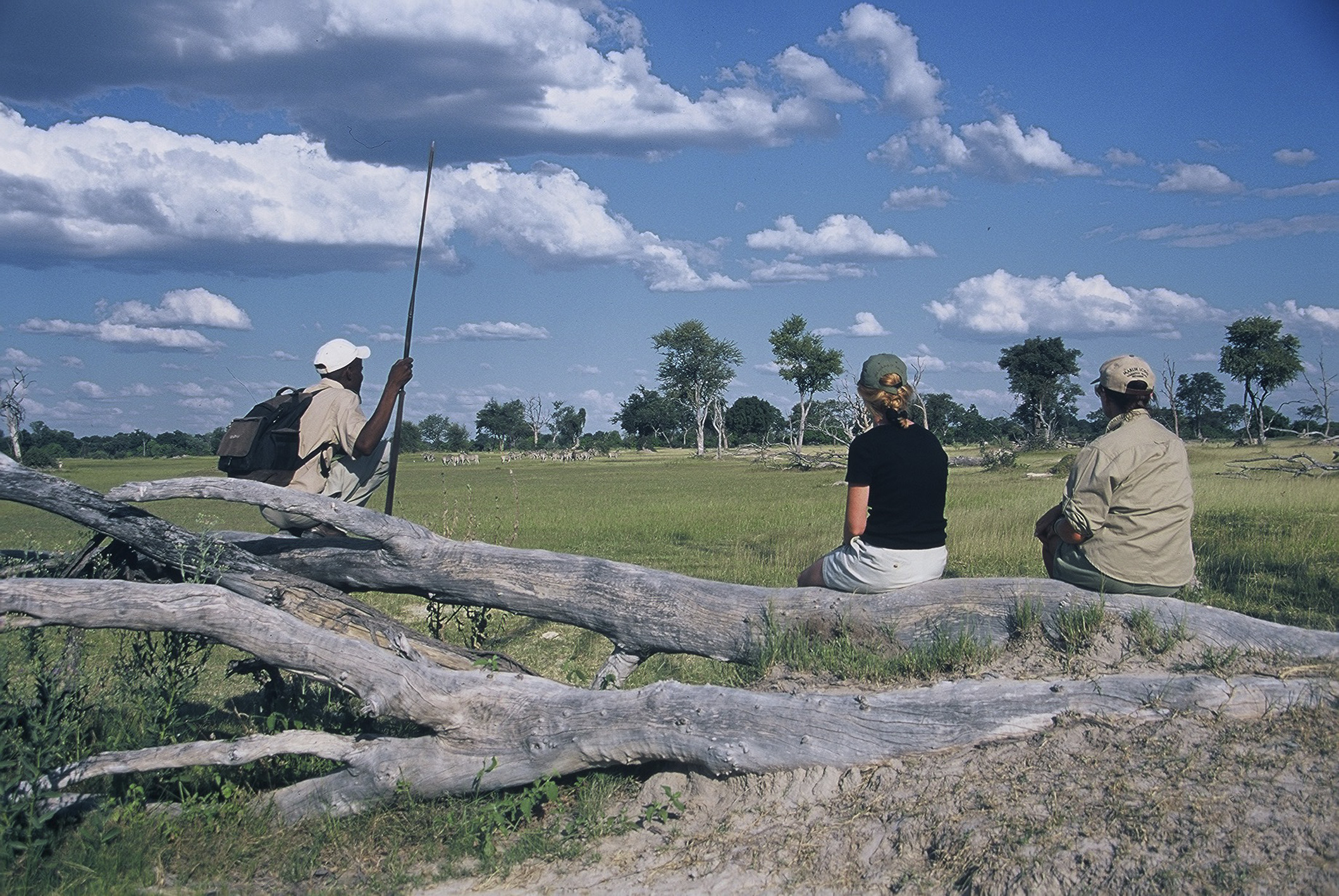
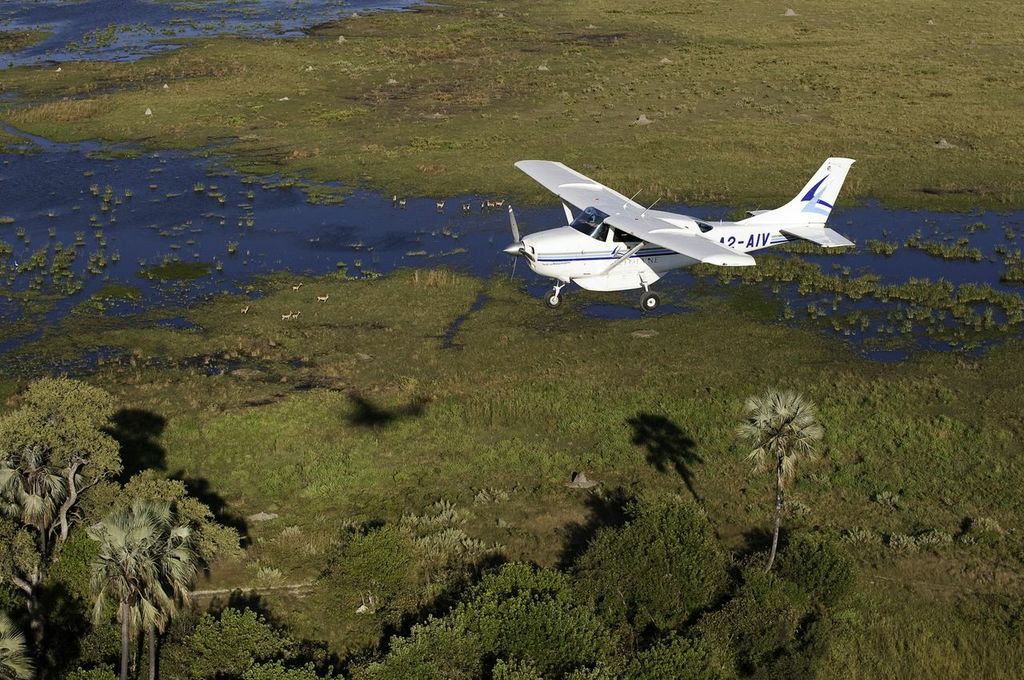
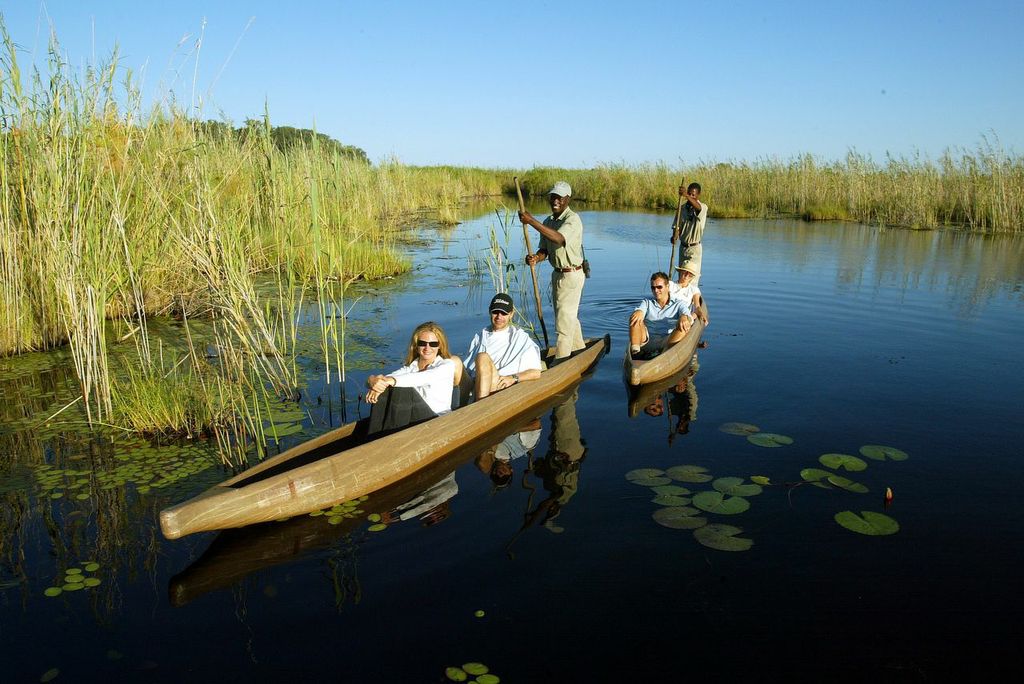
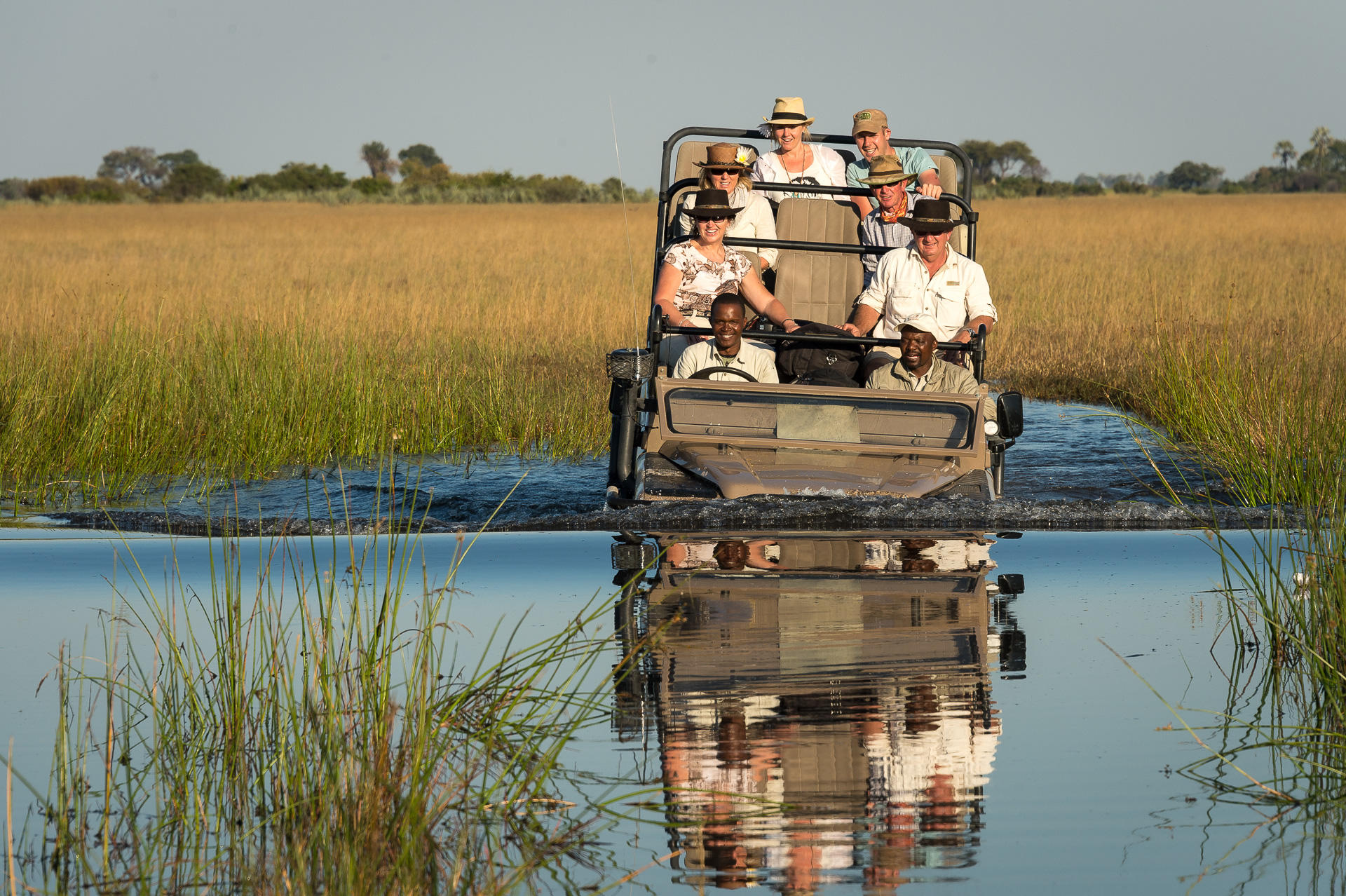
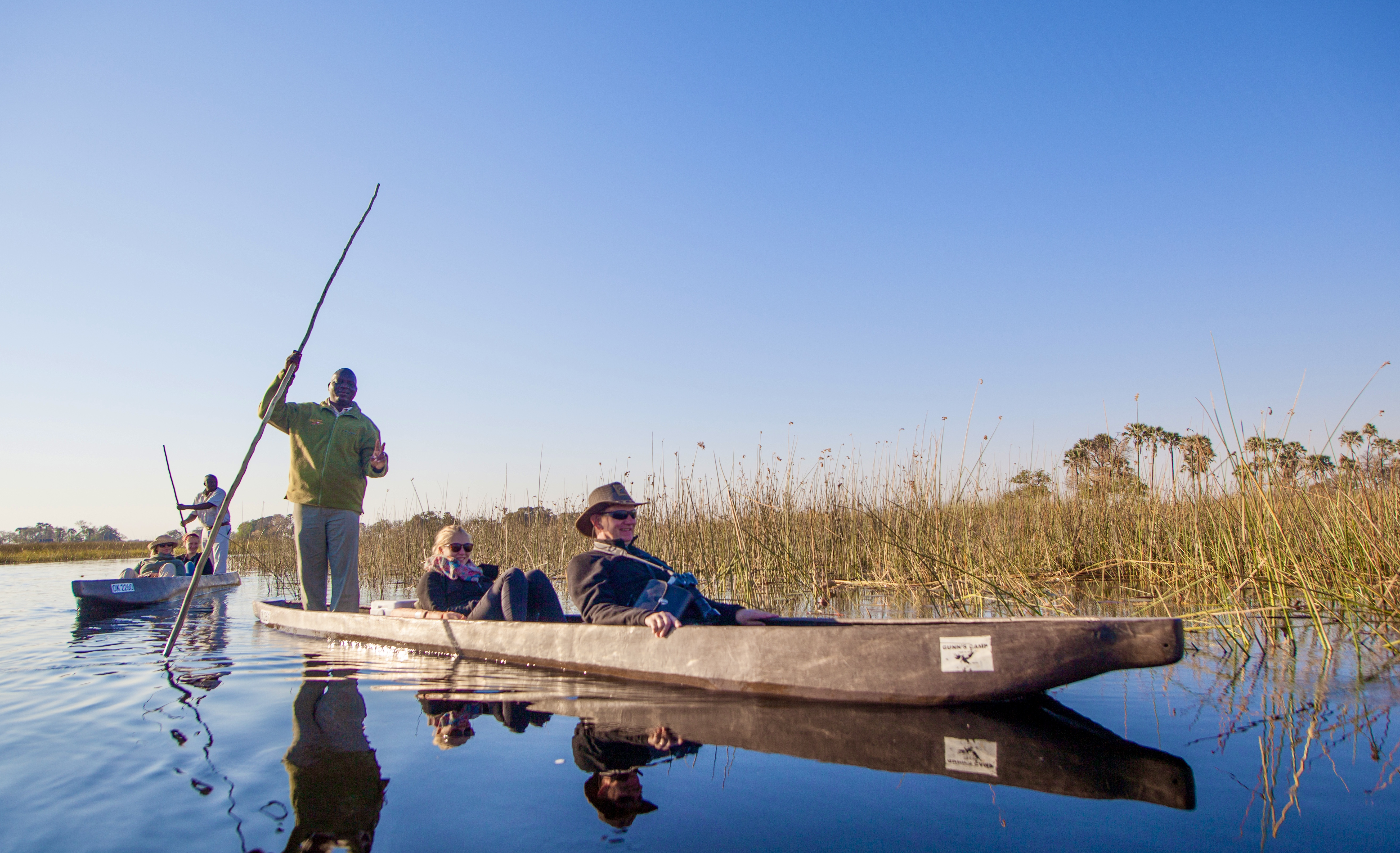
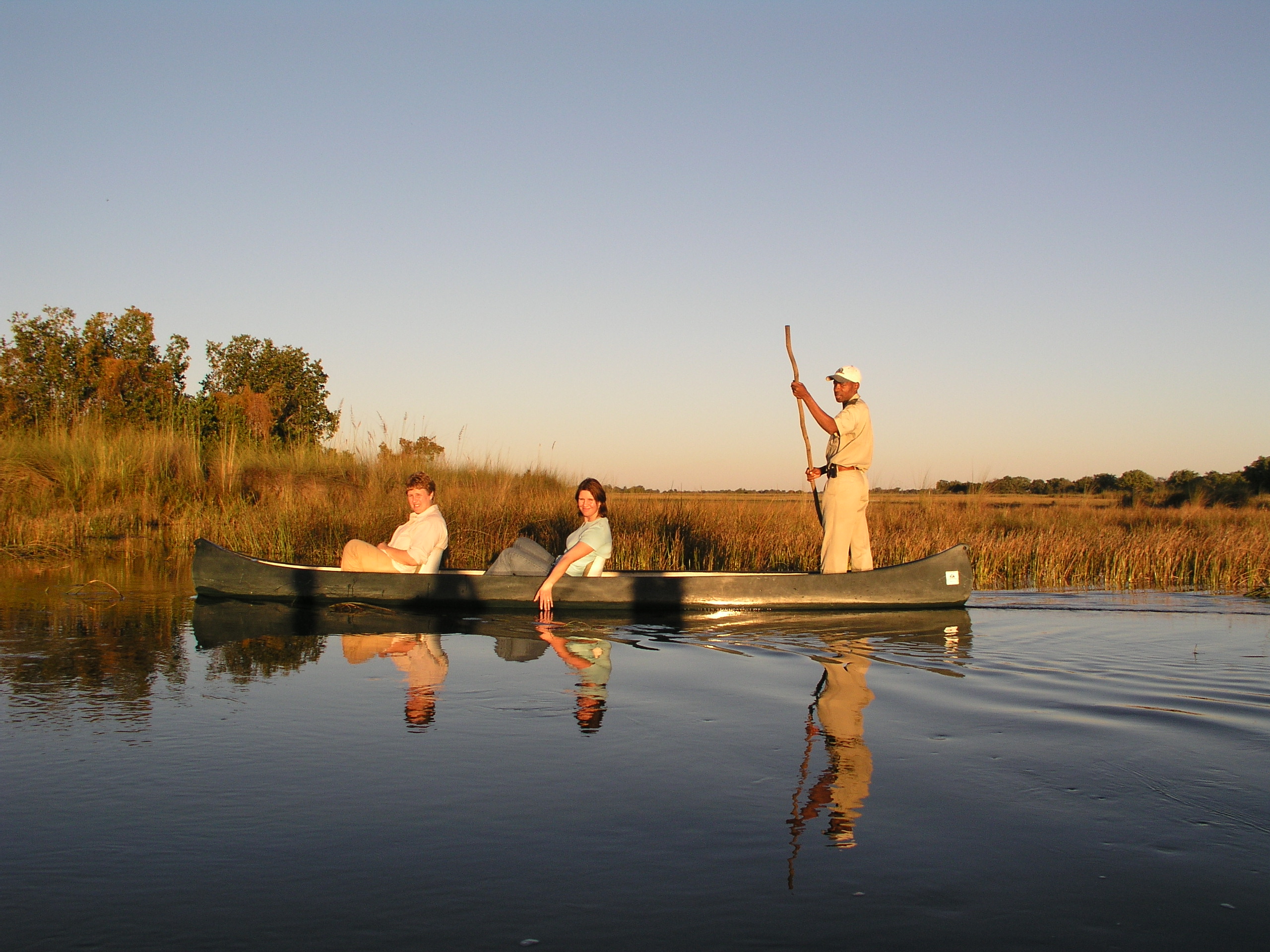
Botswana is a game watching paradise. A Botswana wildlife safari is synonymous with privacy, luxury and pristine wilderness. Most lodges or camps are small, accommodating between six and twenty two guests. Each wilderness area is unique, with activities designed to complement the environment. View wildlife from your 4×4 safari vehicle, on foot, on horse-back, in a mokoro (dug-out canoe). Enjoy unforgettable scenic flights, walk with Bushmen, or wade through the Okavango Delta on the back of an Elephant.
Money: The unit of currency in Botswana is the Pula, but the US$ is accepted throughout the country. Major credit cards (Visa and Mastercard) are accepted in most lodges and hotels. Small denomination US$ are extremely useful when paying gratuities at your safari accommodations.
Language: English is widely spoken. Setswana is the official national language, and there are several other regional languages.
Food & Drink: The quality and creativity in safari camps and lodges is extremely high, combining international cuisine with local traditional dishes, and paired with fine South African wines.
Dress: As always when on safari, muted colours in natural fabrics are best. Khaki, green, cream and browns. Avoid white as it becomes dusty very quickly, and camouflage as this is illegal in Botswana. Pack layers – long and short sleeved shirts & trousers, a warm top for game drives, swimwear and a hat!
Travelling To and Around Botswana
There are daily flights into Maun from Cape Town, Johannesburg and Livingstone. Botswana is a landlocked country, but there’s a good road network linking the popular safari destinations within the country, and to neighbouring countries. Travel between lodges and airstrips is normally by light aircraft – adding to the exclusivity and excitement of your Botswana wildlife safari. We recommend that visitors to Botswana include a minimum of 3 nights at one or more lodges within the Okavango Delta. Inter camp transfers between Okavango Delta camps and lodges, and other accommodations in Chobe, Savuti, Linyanti, Selinda and Maun are by scheduled light aircraft.
Botswana's Top Attractions
What To Do in Botswana
- Okavango Delta & Moremi Game Reserve
- Linyanti, Savuti & Selinda Reserves
- Chobe National Park
- Central Kalahari Reserve
- Mokoro on the Okavango Delta
- Luxury Safari
- Fly-In Safari
- Game viewing by boat, mokoro, on foot and 4x4
Where to Go
Okavango Delta & Moremi Game Reserve
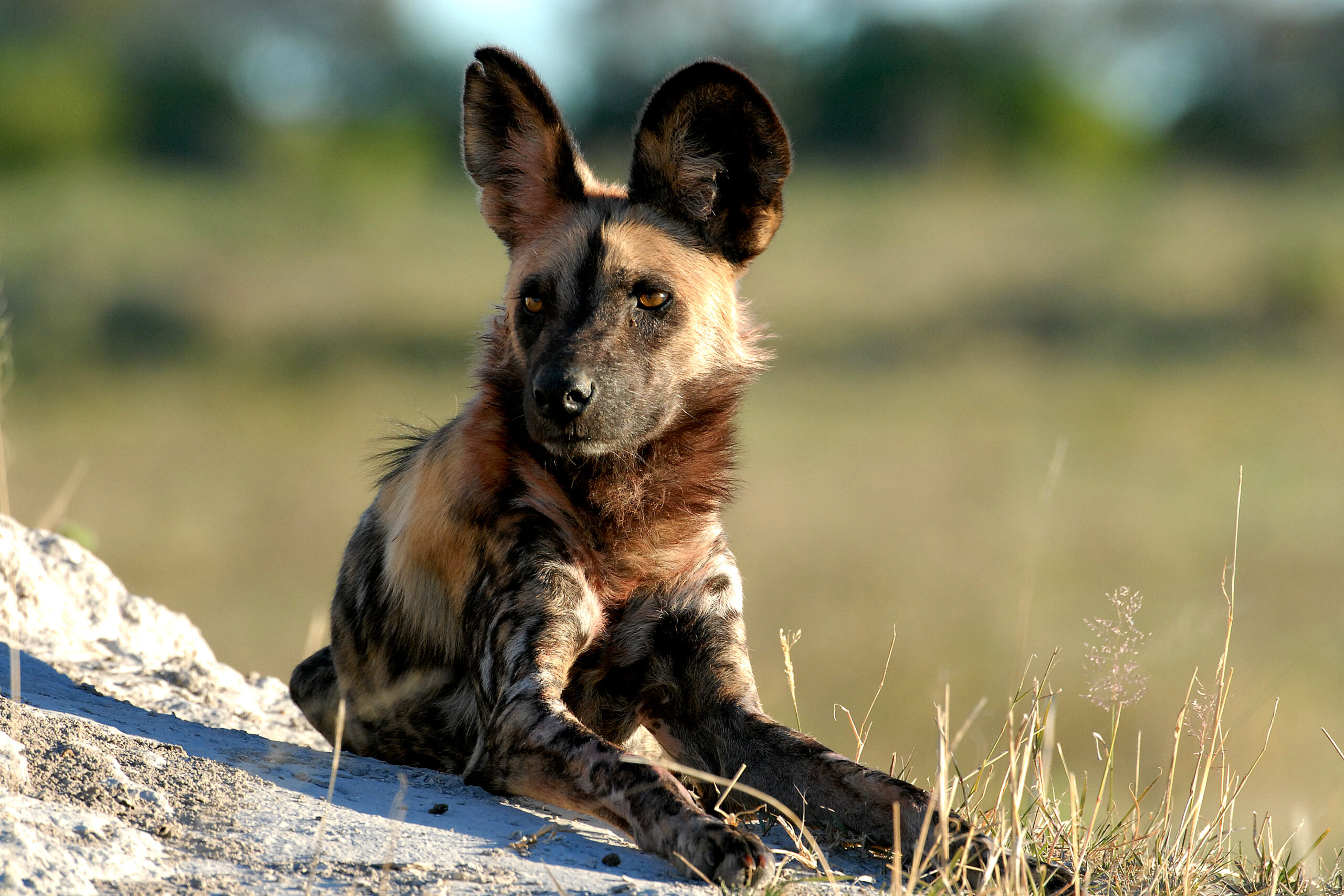
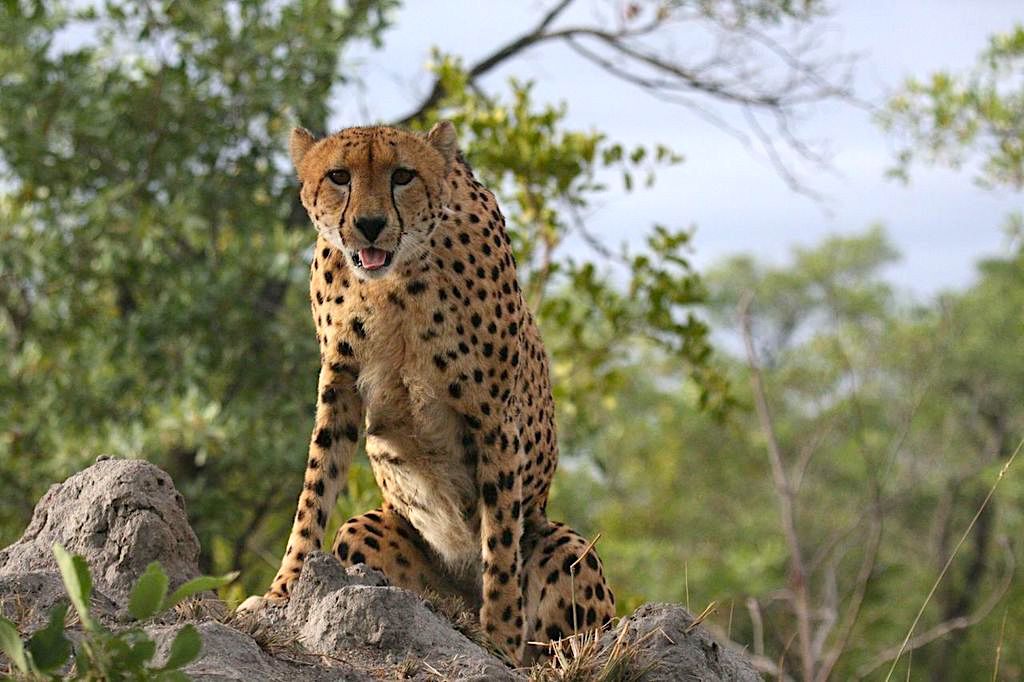
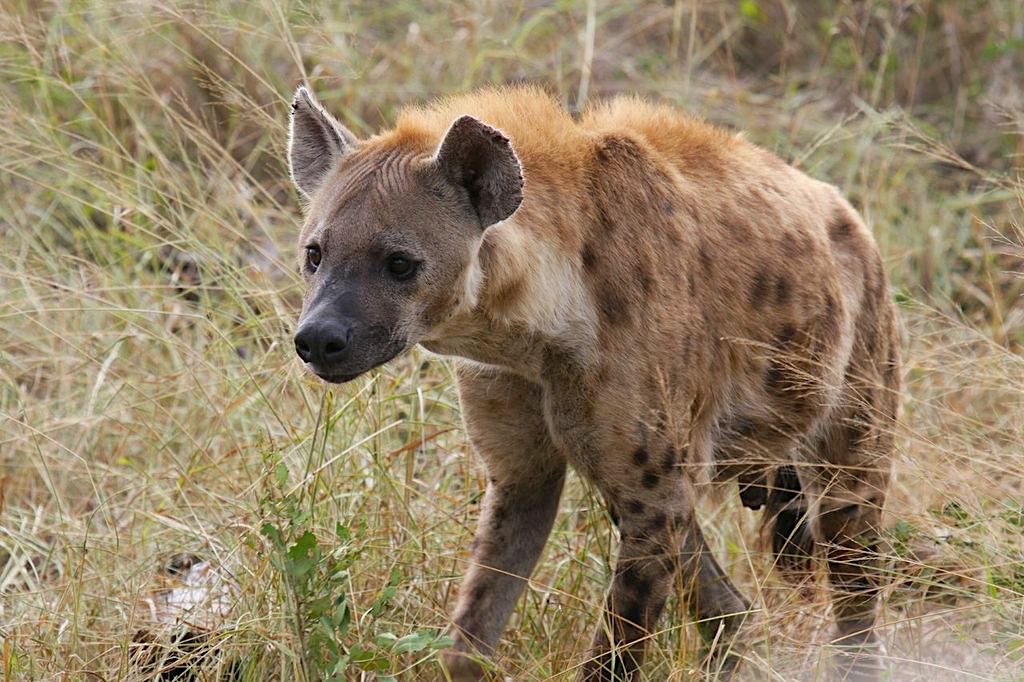
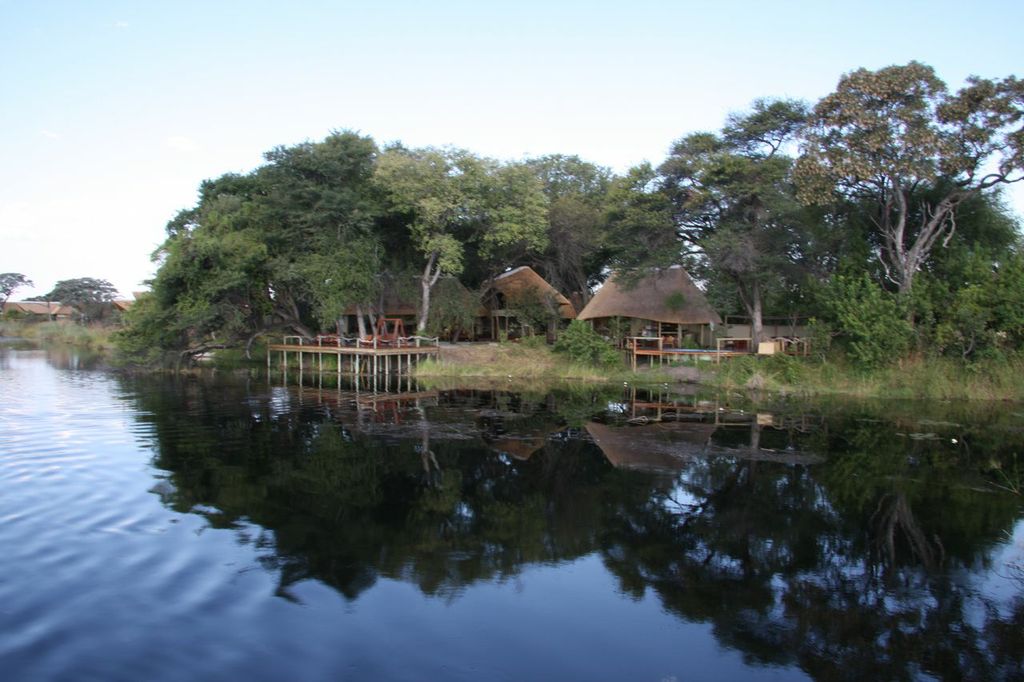
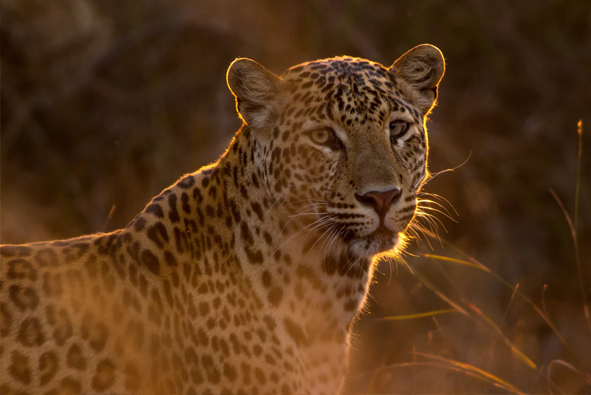
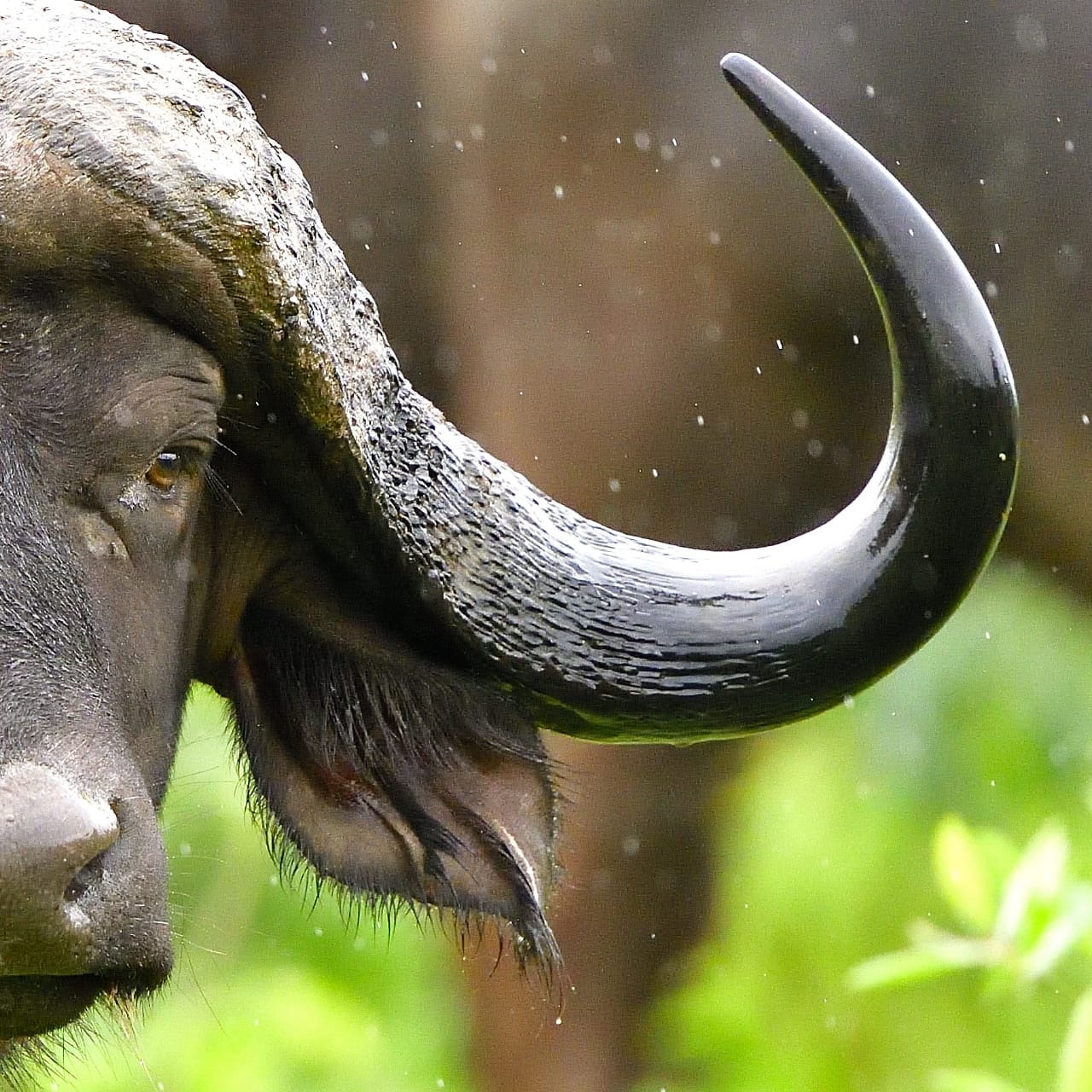
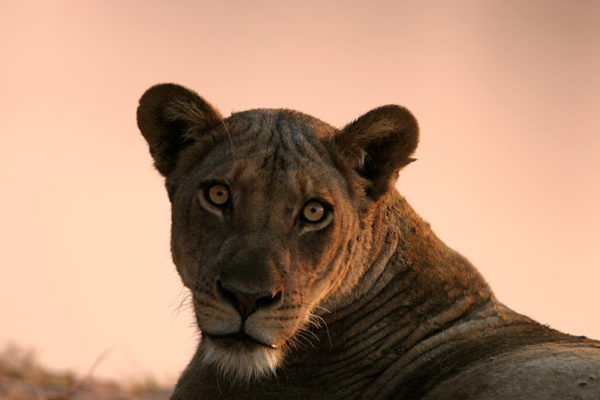
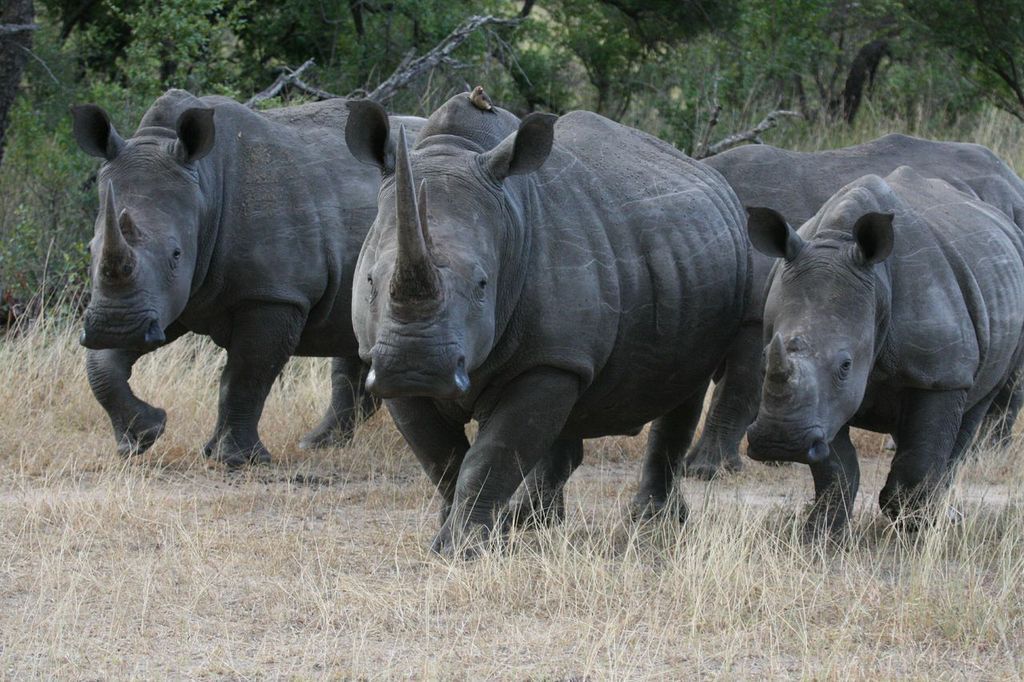
The Okavango Delta is Africa’s largest and most beautiful oasis - a blue-green fresh water wilderness of lagoons and channels interspersed with emerald reed beds and islands with towering trees, spreading over 16,000 km². Inhabiting the waters of the Okavango are an estimated 35 million fish of almost 80 species. The countless islands are home to vast concentrations of game and myriad birds. This pristine wilderness paradise of swamps, forest, and savanna grasslands are home to hippos, large herds of antelope including kudu, sable, roan and impala, as well as elephants, giraffes, buffalo and wildebeest. The greatest concentrations of game are accompanied by the predators – lion, leopard, cheetah, wild dog and hyena. The best time for viewing the Okavango Delta’s prolific wildlife is between May and October, when large concentrations of animals congregate in the flooded areas and the vegetation is drier. August is perhaps the most impressive month, when the crystal clear water is at its deepest. The best time for birding is between November and March (during the rainy season). The heart of the Okavango Delta is accessed only by fly-in safaris, and remains relatively wild and unpopulated. Lodges and camps within the Okavango Delta offer luxurious accommodation, with various activities depending on location and time of year. Game-viewing activities throughout the private wildlife concessions in the Okavango Delta may include day and night game-drives, walking safaris, mokoros (dug out canoes), motor cruises even on horseback, depending on individual camps, locations and water levels. The Moremi Game Reserve occupies a large portion of the Okavango Delta. It contains diverse habitats, ranging from permanent swamp to floodplains, islands and large areas of dry land including ‘Chiefs Island’ and is renown for prolific bird and animal life. Game viewing activities in the Moremi do not include walking safaris or night drives.
Linyanti Private Reserve
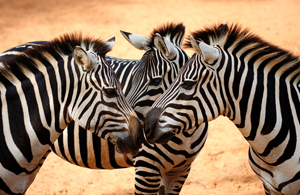
Located to the north of the Okavango Delta, and on Chobe’s western boundary, the 1,100 km² Linyanti is a pristine and often overlooked paradise. Fed by the Kwando River, this is an area of marshes, lagoons and flowing rivers interspersed with dry woodlands and open grasslands. In the heart of the reserve is the Linyanti Marsh. The terrain is rough and sandy, giving guests an adventurous game viewing experience. Access to camps in the Linyanti is by light aircraft only. Wildlife is plentiful, particularly in the dry winter months (April – October), when huge concentrations of elephant, buffalo, zebra and plains game migrate to the Linyanti River. Thousands of zebra spend the winter here before migrating south to the Savuti after the first rains in late October or early November. The main predators here are lion, cheetah, wild dog, hyena and leopard.
Savuti
In the western corner of Chobe is a 5,000 km² area known as the Savuti. The temperamental Savuti Channel has a bizarre history of drying up during good rains, and flooding at other times. The Channel feeds the Savuti Marsh – a remnant of a vast inland lake, cut off from its main water supply by the same shifts in the earth’s crust that created the Okavango Delta. The Savuti Marsh is part of the Mababe Depression, and is home to a multitude of animals. Vast herds of elephants can be found here, and game-viewing of these pachyderms is particularly good during the dry season. The rains bring thousands of migrating zebras, and with them come the predators – particularly lions and hyenas. The best months to view the migrations are usually November/ December and February/March. There is in excess of 350 bird species recorded in the area.
Selinda
The vast Selinda Reserve is renowned for vast concentrations of buffalo, elephant and predators. Sitting between the Okavango to the west, and Linyanti to the east, the Selinda Spillway links the sporadically flowing Savuti Channel, a vital water resource. Expect especially dramatic animal interactions at the end of the dry season.
Chobe National Park
Chobe National Park lies to the north east of the Okavango Delta, and is the second largest national park in Botswana, covering 10,566 km². Chobe is home to some of the greatest concentrations of game found on the African continent. The area is very different from the Okavango Delta, and should be included in every Botswana safari itinerary. The abundance of wildlife and the true African nature of the region, offers an opulent safari experience. It is both geologically diverse and zoologically fascinating; the many varied habitats include riverine forests, savannah, dry woodlands, marshland and the world-famous and unpredictable Savuti Channel. This dynamic and sweeping wilderness is often described as “wildlife-packed”, and is renowned for its huge pachyderm herds as well as an abundance of predators and plains game. The park is best explored by 4×4 and by boat, and you can expect to see plenty of elephants as well as lions, hyenas, wild dogs, leopards, kudus, zebras, wildebeest, giraffes, impalas, waterbuck and warthogs. Many lodges offer sunset cruises on the Chobe River where you can enjoy a “sundowner” drink as the wildlife comes to the water’s edge to drink and elephants play against the spectacular pinks, reds and golds of an African sunset.
Central Kalahari Reserve
The spectacular sandy reserve was founded in 1961 to protect the San Bushmen, providing them with a home in their natural habitat. It is the second largest piece of desert land in the world. This reserve is made up of shimmering pans and the grasslands situated in the Central Kalahari Desert with only a few solitary mopane and camel thorn trees offering shade in this amazing sea of shimmering grass. Like many other parts of the kalahari fossil rivers twist and turn through this arid reserve. One of the more renowned is the sandy old watercourse that wound its way through the Northern Kalahari 16,000 years ago and is today known as Deception Valley – a spectacular game watching area.
Makgadikgadi and Nxai Pans
In the northern Kalahari Desert, to the southeast of the Okavango Delta lies a complex of huge, flat salt pans, surrounded by sand. With a hot, arid climate and sparse landscape, the region is in total contrast to the other safari destinations in Botswana. A safari here is not to everyone’s taste, but here, more than anywhere, you can appreciate the huge views, splendid isolation and a feeling of being totally removed from modern life. This is a place of big views, huge skies … scenically spectacular, incredibly photogenic and wonderfully therapeutic. The Makgadikgadi is the relic of an ancient lake which once covered an area larger than Switzerland, but which dried up many thousands of years ago. For most of the year the pans are covered in a dry salty clay crust, but during the rainy season (January/February) the pans fill with water and they become a breeding ground and refuge for huge flocks of flamingo and other migratory birds.With the rains comes an abundance of lush grass which supports the last surviving migration of Zebra and Wildebeest in southern Africa. This is an ancient landscape, with a wealth of hidden treasures. The geology and history are fascinating – archaeological studies have revealed the presence of prehistoric man. Several camps offer guided tours with San guides, enabling you to understand their traditional lifestyle. Safaris on foot, in 4×4 vehicles and on low impact quad bikes unveil the enormous beauty and paleontological past. Sleep outs on the pans and meerkat encounters add value to this unusual safari destination.
Climate & When to Visit Botswana
|
|
Jan |
Feb |
Mar |
Apr |
May |
June |
July |
Aug |
Sept |
Oct |
Nov |
Dec |
|
Okavango Delta |
✓ |
✓ |
✓✓ |
✓✓✓ |
✓✓✓ |
✓✓✓ |
✓✓✓ |
✓✓✓ |
✓✓✓ |
✓✓ |
✓✓ |
✓ |
|
Linyanti, Savuti & Chobe |
✓ |
✓ |
✓✓ |
✓✓✓ |
✓✓✓ |
✓✓✓ |
✓✓✓ |
✓✓✓ |
✓✓✓ |
✓✓ |
✓✓ |
✓ |
|
Makgadikgadi Pans & The Kalahari |
✓✓ |
✓✓ |
✓✓ |
✓✓ |
✓✓✓ |
✓✓✓ |
✓✓✓ |
✓✓✓ |
✓✓ |
✓✓ |
✓ |
✓ |
For most of the year visitors can expect sunny blue skies and warm to hot days. Summer Months: October to April – hot to extremely hot days and nights when temperatures can reach 40 C. Rainfall can be erratic with less than 200 mm / year in the dry south to over 600 mm in the north. Although some years the rains start earlier, December to late February or early March is considered the rainy season.
Winter Months: May to September – the days are normally warm to hot but expect cold nights especially in the early hours of the morning when temperatures can plummet to below freezing.