What to Expect
Uganda … ‘The Pearl of Africa’, is a tiny land-locked country in East Africa offering visitors an outstanding safari destination, with not just Big 5 Safaris (elephant, buffalo, lion, leopard and rhino), but gorillas, chimpanzees and other primates as additional and unique highlights. Deep in the heart of the continent, this dramatic lush, green and tropical land offers a marked contrast to the open grasslands of Kenya and Tanzania.
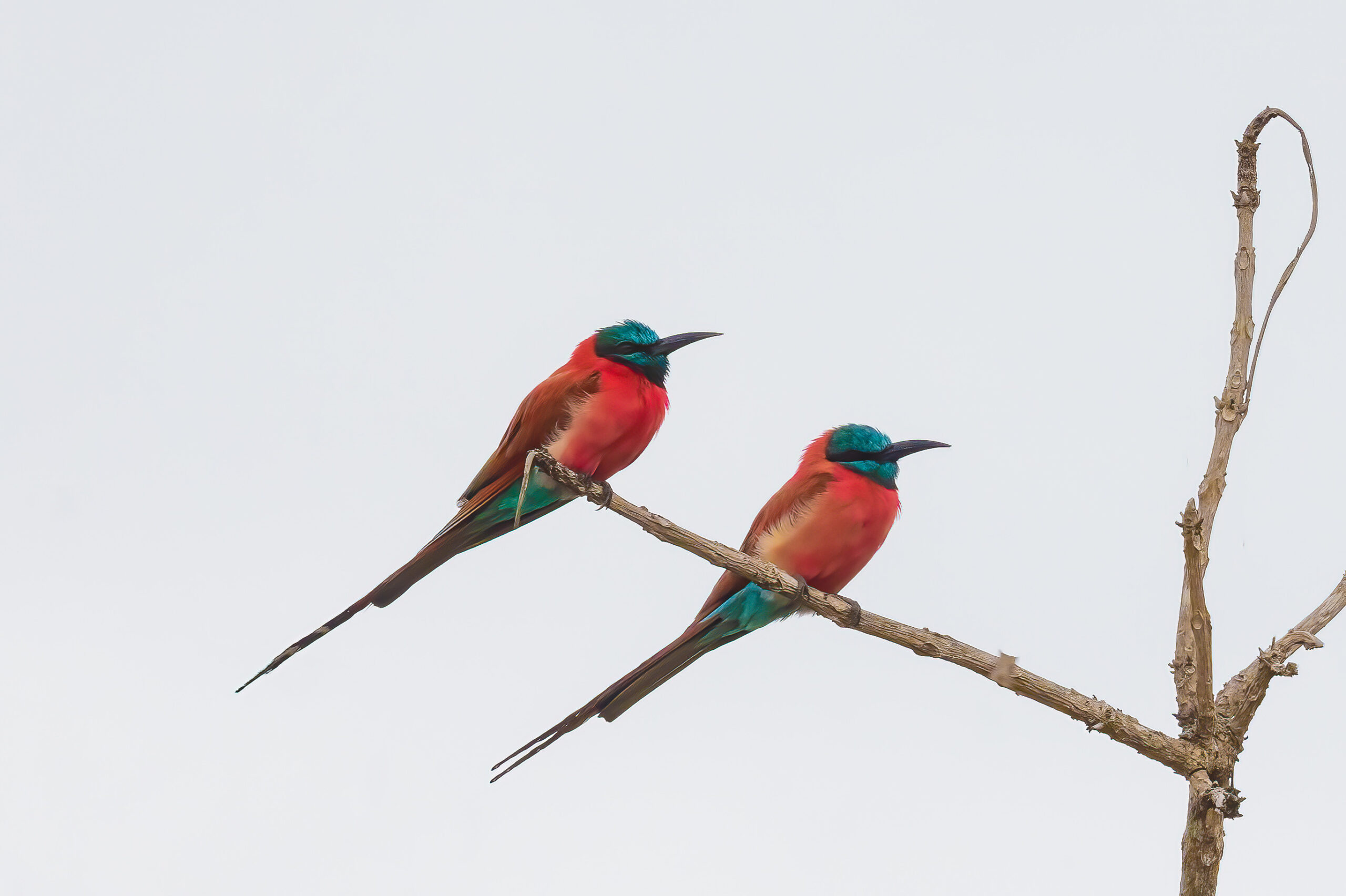
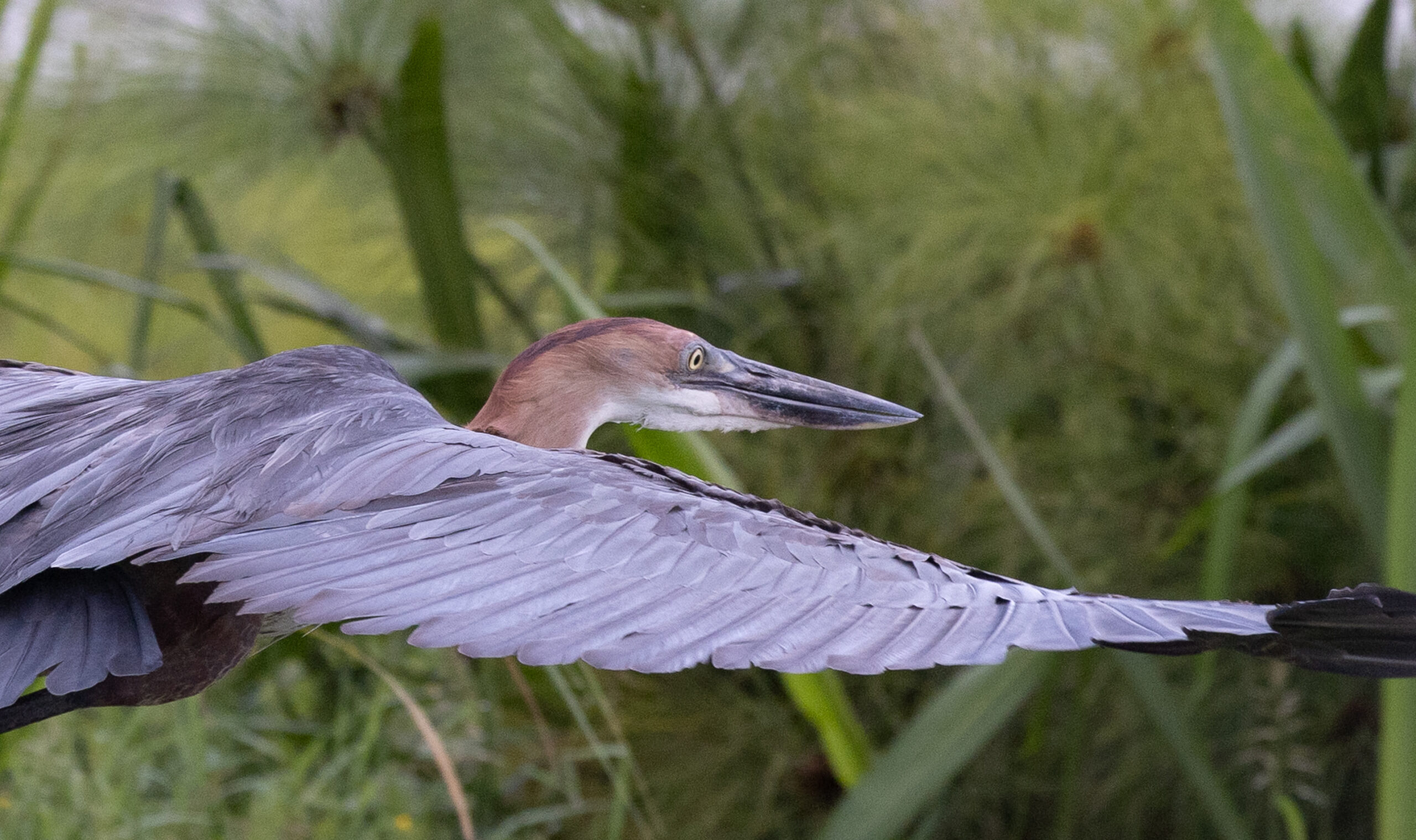
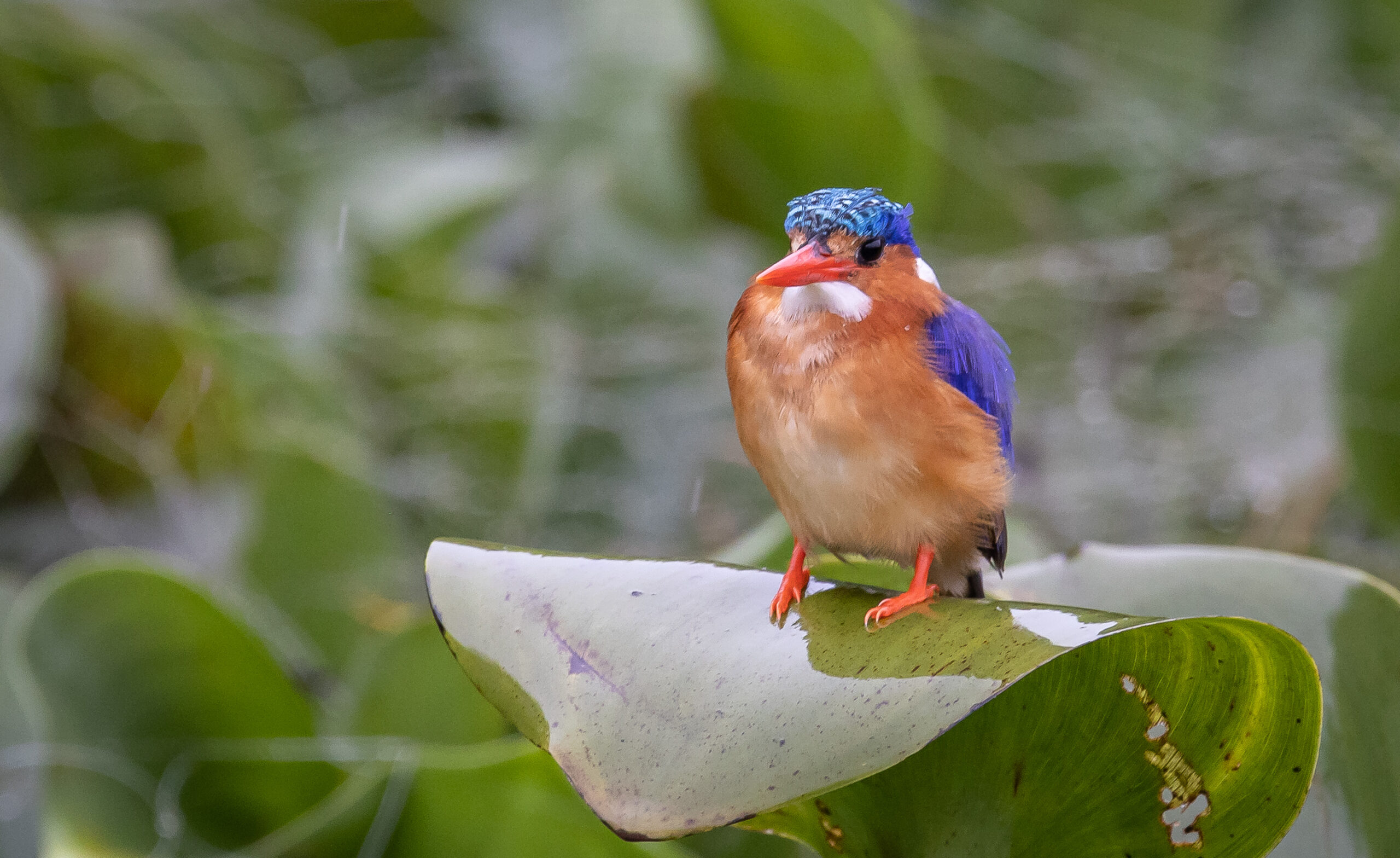
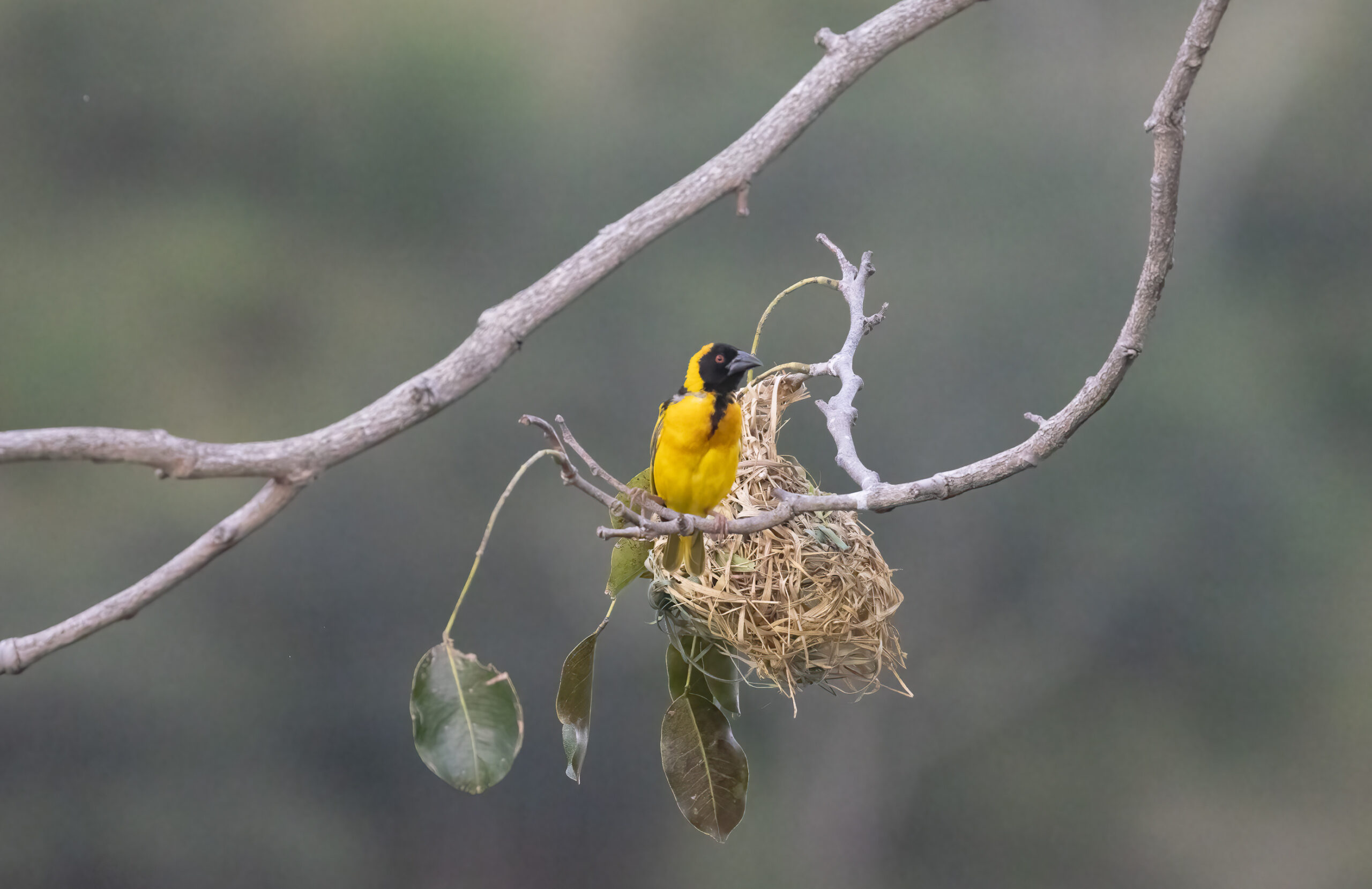
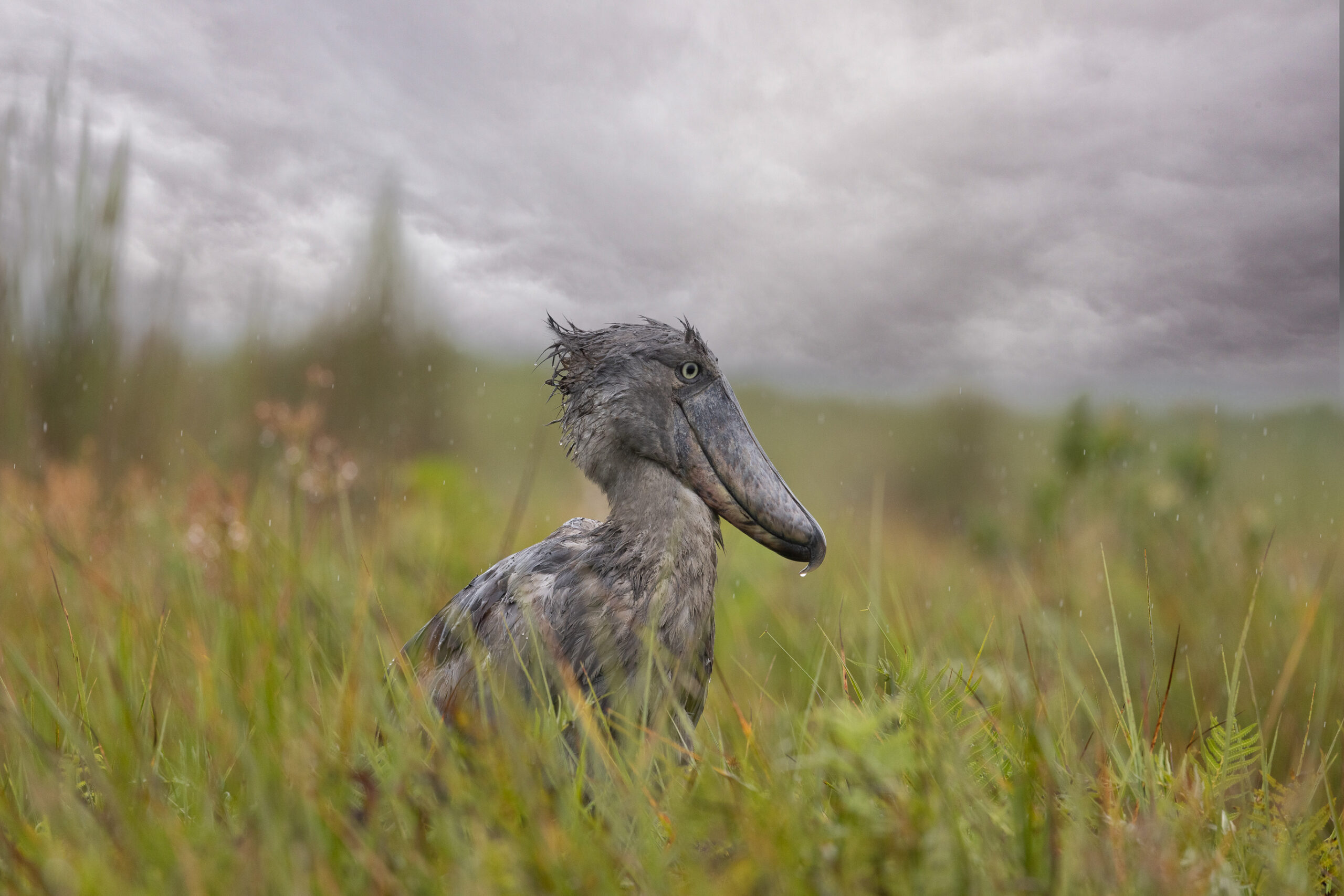
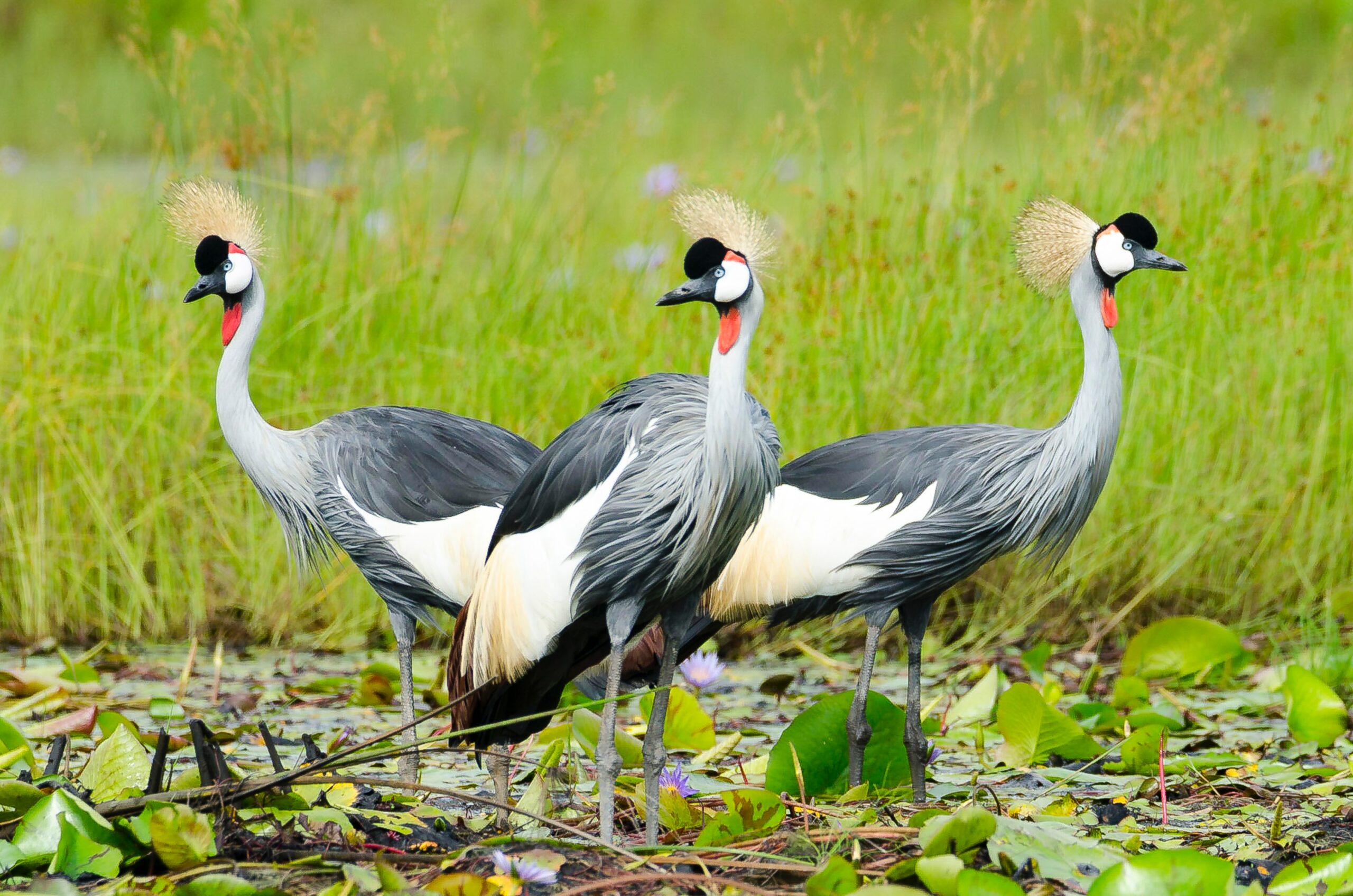
Uganda is perhaps best known for gorilla trekking safaris, and as one of Africa’s finest birding destinations – over 12% of the world’s bird species can be found here. However these descriptions are just part of Uganda’s attraction. Uganda offers a fascinating mosaic of landscapes of rainforest, swamps, raging rivers, volcanic mountain ranges, savannahs, interspersed with vibrant traditional villages and progressive towns.
What also sets Uganda apart is the range of activities that one can participate in besides traditional vehicle-based game drives. Bush walks, game boat cruises on the Nile River and Lakes Albert and Edward, night game drives, forest tracking, gorilla trekking, hiking ancient volcanoes, and world class white water rafting are just a few.
The Ugandan people are known for their warm welcome, and it is well worth spending a day or two in Entebbe to experience the local foods and city’s arts and culture.
Uganda is truly a first class safari destination. You can combine it with Kenya’s Maasai Mara or Tanzania’s Serengeti, but just as easily spend your entire vacation exploring The Pearl of Africa … you won’t be disappointed!
Money: The unit of currency is the Ugandan shilling. The US dollar is traditionally the hard currency of preference, but Euro and Pound Sterling are also widely accepted. Hard currency cash can be changed for local currency at banks and private bureaux de change in all large towns. Local currency can be drawn against Visa and other major credit cards at selected ATMs in Kampala, at Entebbe International Airport, and in a few other large towns.
Language: English and Swahili are the official languages of Uganda, although there are 15 national languages and dialects spoken.
Food & Drink: The Ugandan staple is Ugali, a stiff maize-meal porridge, which is usually served with a stew of groundnuts (peanuts), beans, chicken or meat such as beef, goat or mutton. Many dishes include tropical fruits such as bananas and pawpaws (papayas) and pineapples, as well as yams and potatoes. Matoke is a popular dish of plantain (green bananas), steamed then mashed and often served accompanying meat dishes.Local beers such as Bell and Nile lagers are popular. Fermented banana or millet beers such as Pombe can pack a punch! Legal drinking age is 18. Tap water is not safe throughout the country and we recommend that you only drink bottled water.
Dress: Travellers will be most comfortable with lightweight and loose T shirts & shorts. It’s also advisable to pack long sleeve shirts and pants to protect from the sun and mosquitoes. A rain jacket is essential during the summer months, and a warm jersey or jacket will be useful for the cooler early mornings and evenings, and when on game drives. As always, safari clothing should be in neutral colours (stone, khaki, green and brown).
Travelling Around Uganda
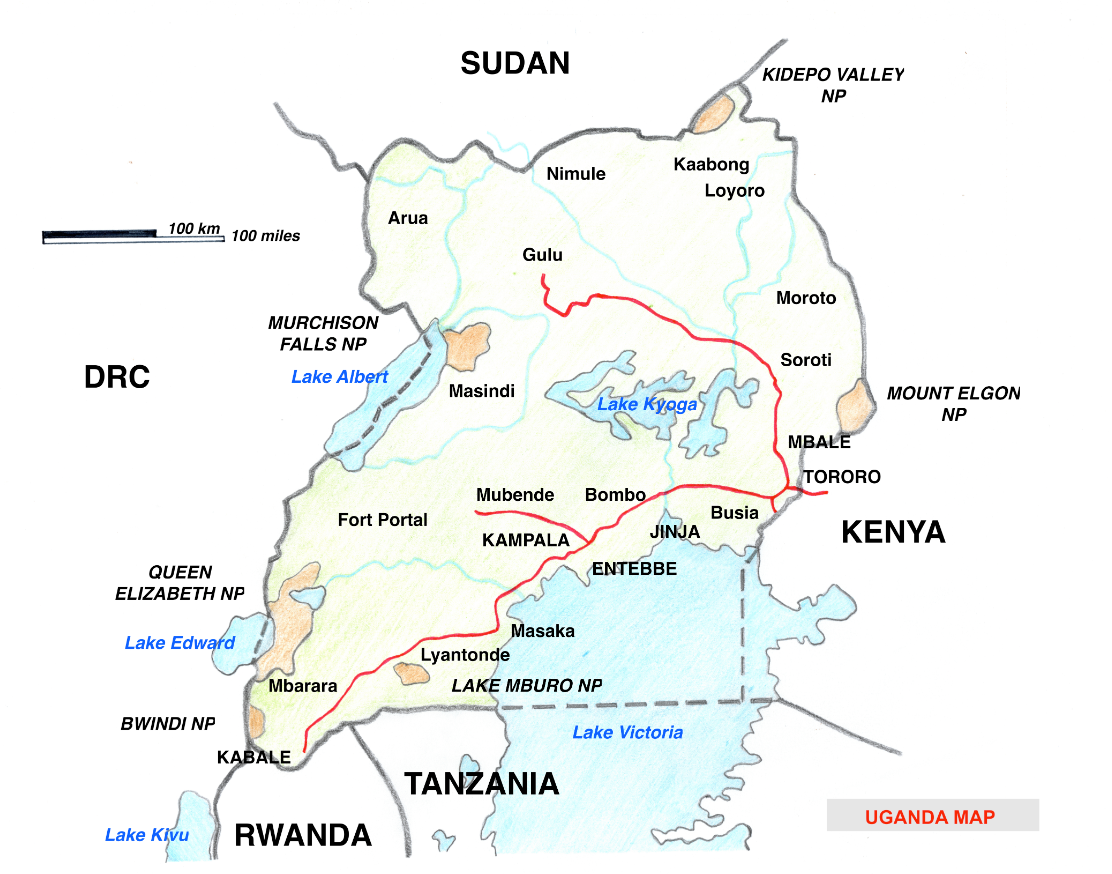
Traffic drives on the left. The road network extends over 28,332km (17,605 miles). The roads are of variable quality and radiate from Kampala, although the network is sparse in the north.
We organise bespoke safari vacations in Uganda. Our clients choose to fly between destinations, or have an English-speaking local driver/guide and 4×4 vehicle. Often itineraries can include both flights and driving, depending on destinations and duration of your safari vacation.
Uganda's Top Attractions
What To Do in Uganda
- Bwindi Impenetrable Forest National Park
- Kibale Forest National Park
- Queen Elizabeth National Park
- Murchison Falls National Park
- Lake Mburo National Park
- Mgahinga National Park
- Rwenzori Mountains National Park
- Jinja
- Gorilla Trekking
- Chimpanzee Trekking
- Big 5 Safaris
- Hiking
- White Water Rafting, Bungee Jumping
- Birding Safaris
Where to Go
Bwindi Impenetrable Forest National Park
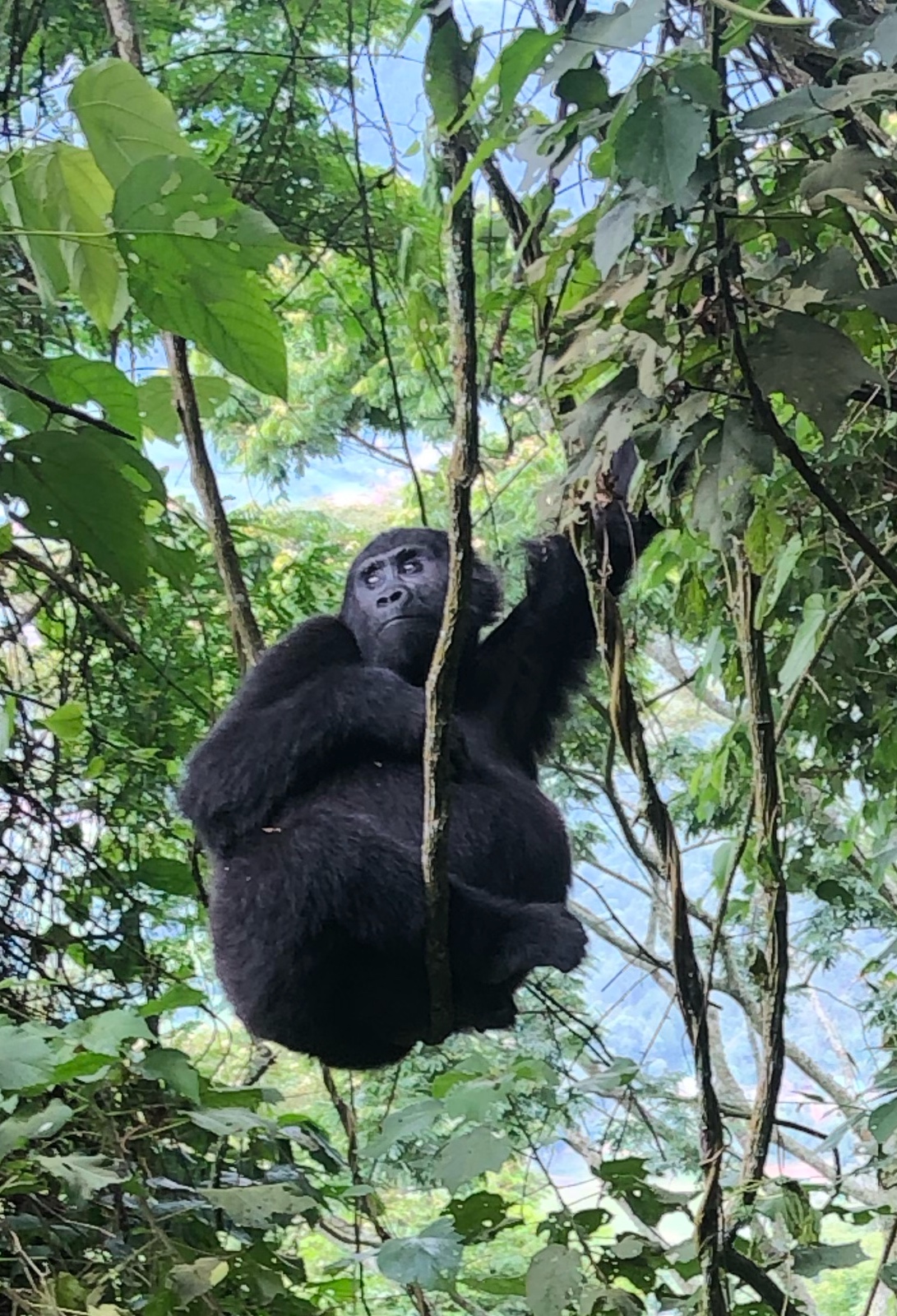
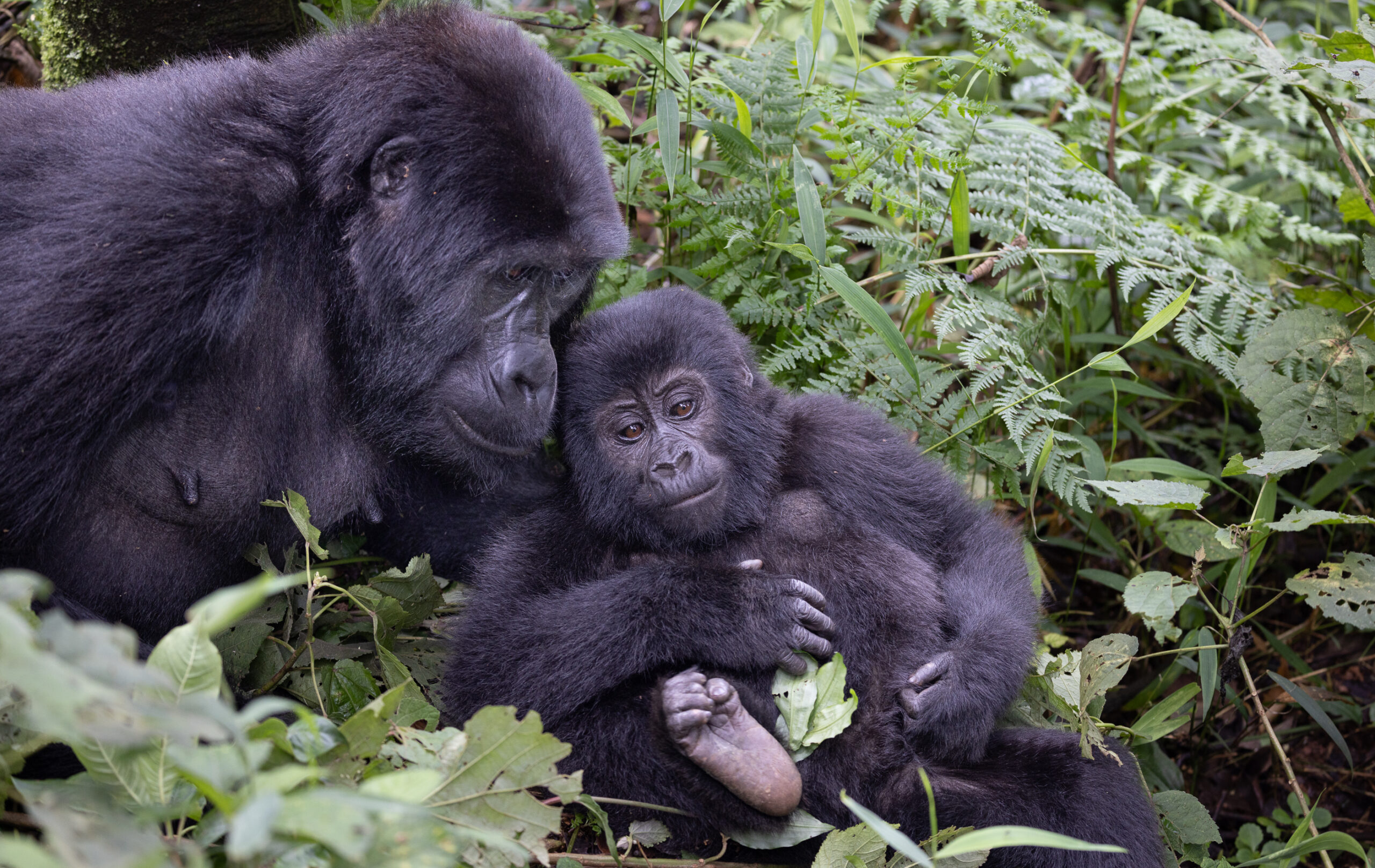
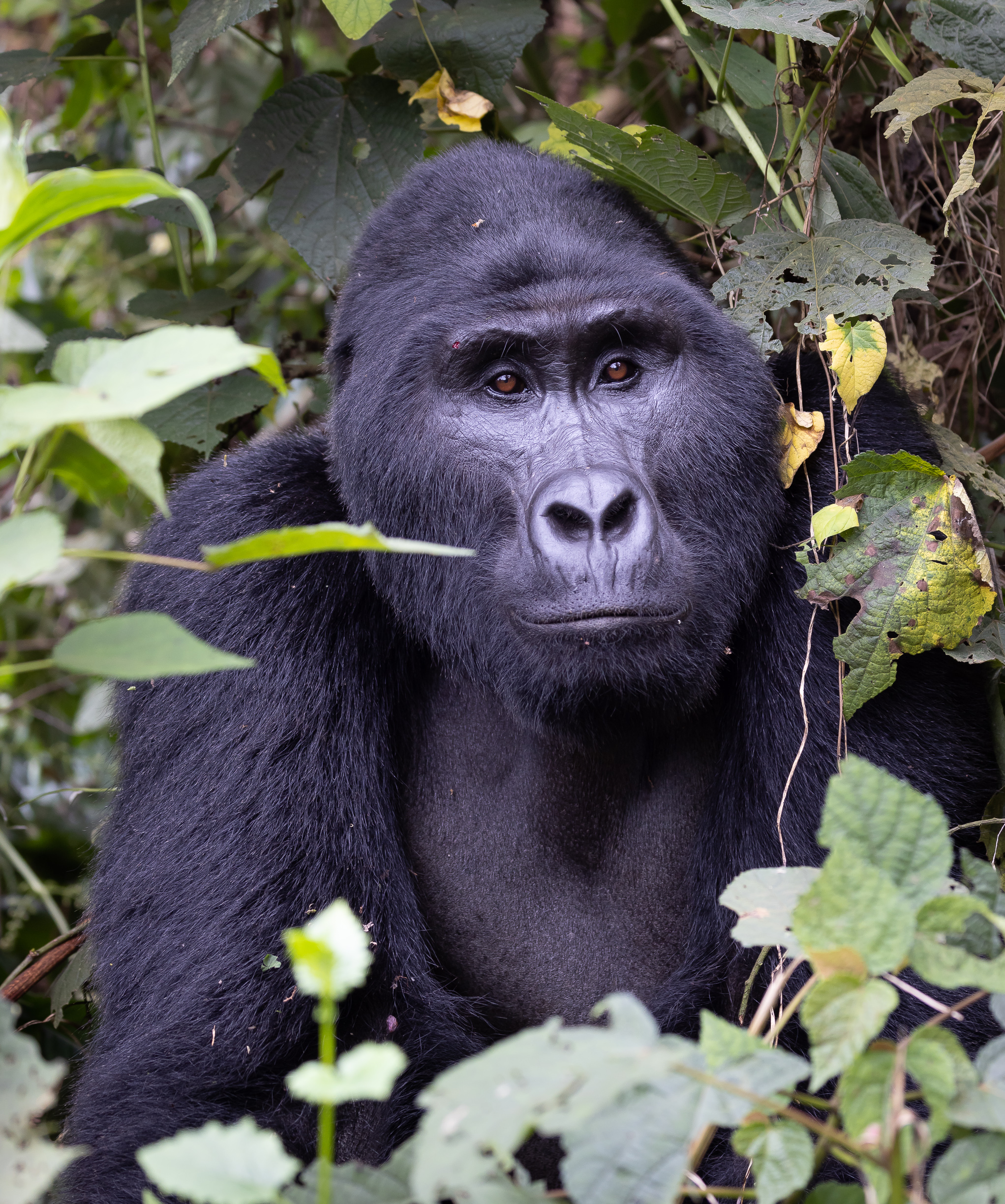
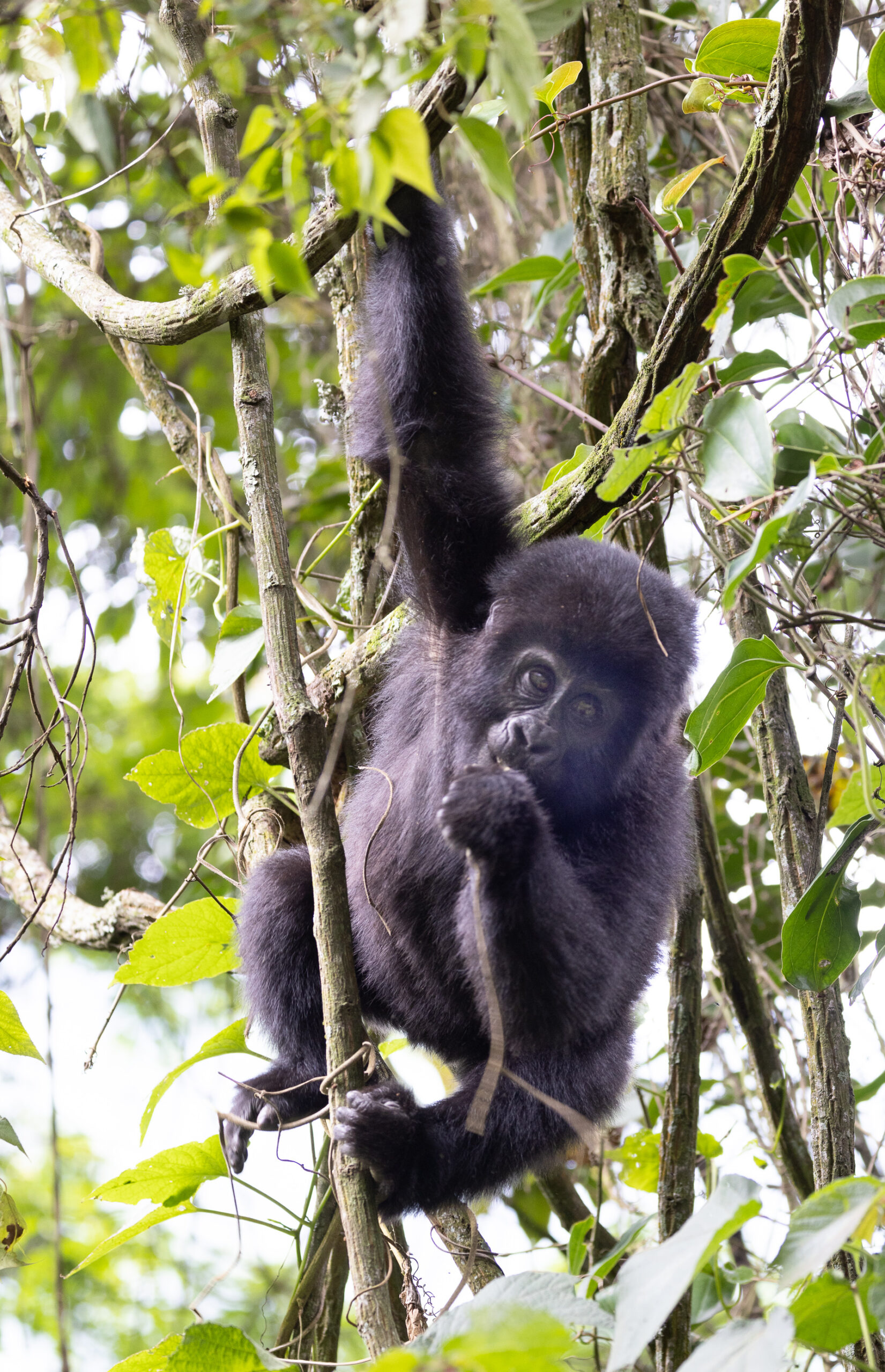
Imagine an African adventure where you come face to face with an endangered mountain gorilla. Bwindi, home to approximately half of the world’s remaining 700 mountain gorillas, promises this unique experience. Situated on Uganda’s extreme western border, almost at the geographical heart of Africa, close to the confluence of the Rift Valley and the Great Lakes. Bwindi is one of the most biologically diverse areas on earth, and this unique eco-system is recognized by UNESCO as a World Heritage Site.
The 331 km² ancient forest of Bwindi Impenetrable Forest National Park is home to 113 species of mammals, more than 360 bird species, 200 species of butterfly and a remarkable 324 tree varieties. 7 primate species live here, of which the most endangered is the elusive Mountain Gorilla.
Kibale Forest National Park
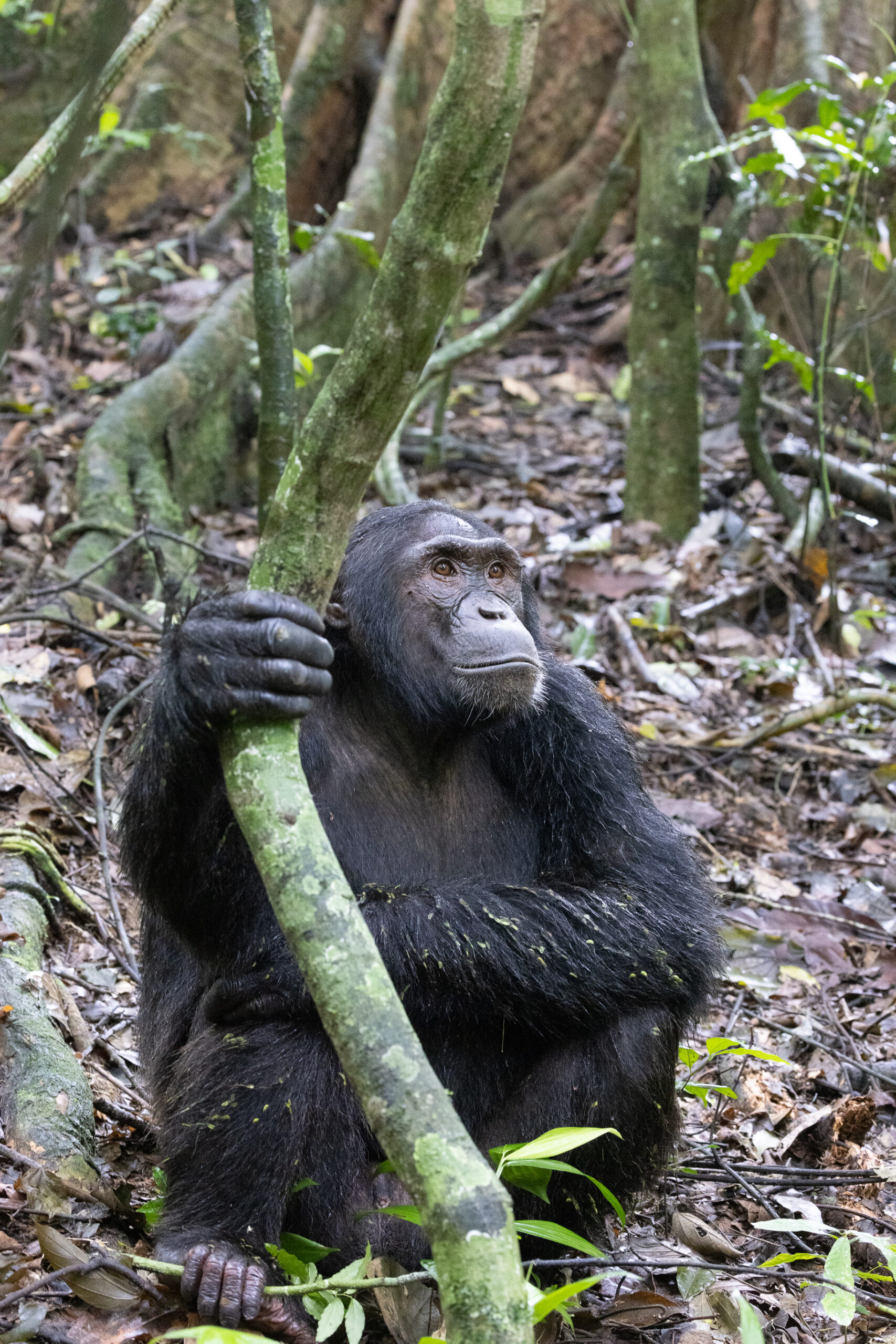
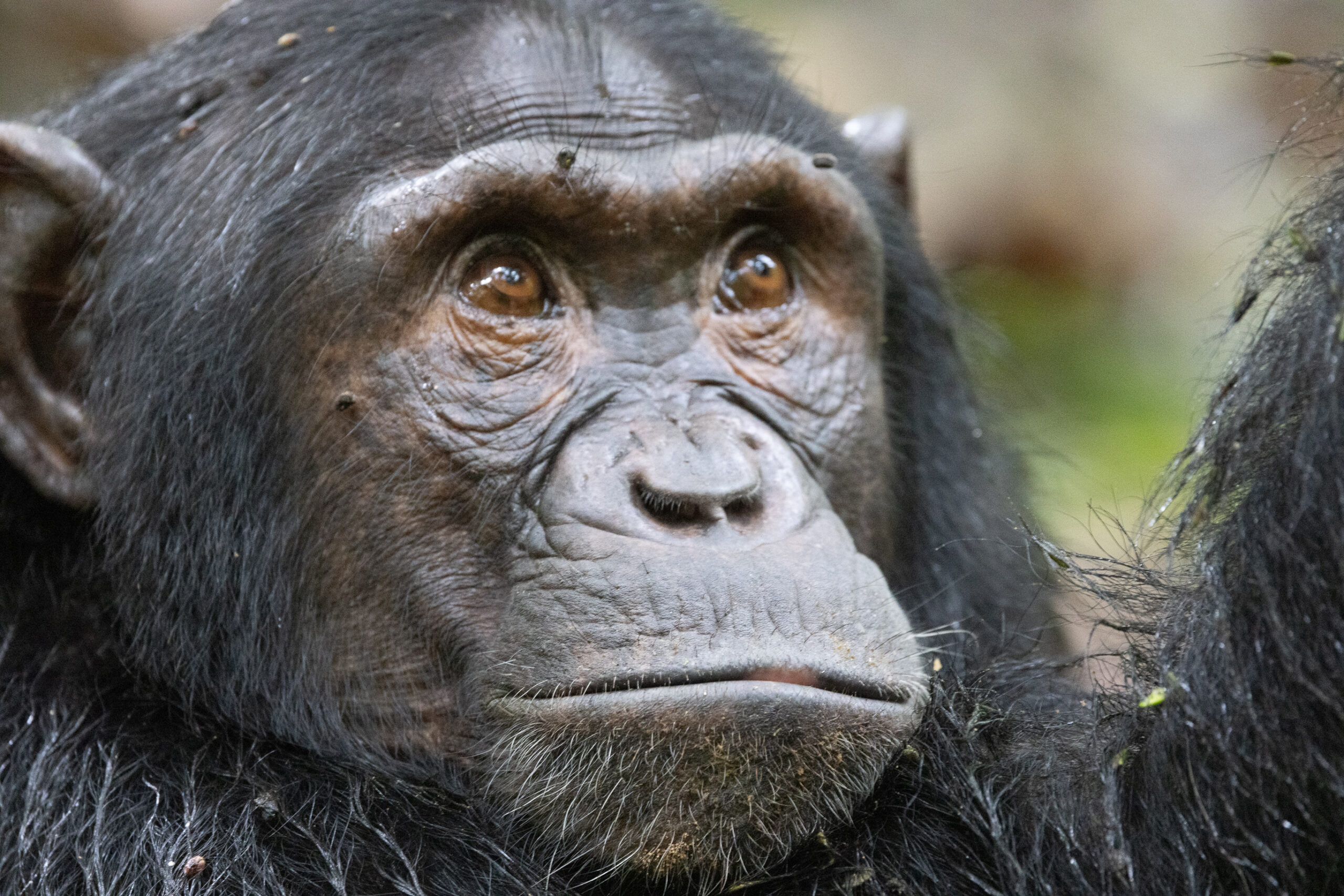
Home to the greatest concentration of primates in East Africa, Kibali has five habituated troops of chimpanzees, as well 12 other primate species including L’Hoest’s monkeys, golden and blue monkeys, red-colobus monkeys and grey-cheeked mangabeys. Tropical rainforests stretch over rolling hills interspersed with volcanic crater lakes, where little sunlight filters through the dense canopies formed by ancient trees. Visit Kibali for a chimpanzee tracking safari, as part of a larger Ugandan safari circuit.
Queen Elizabeth National Park
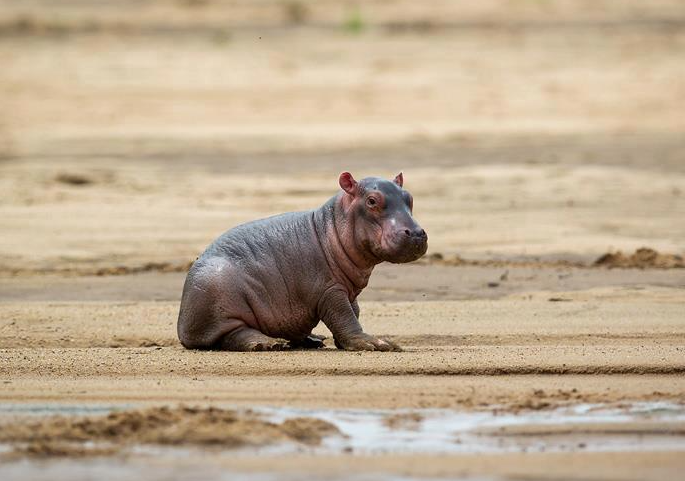
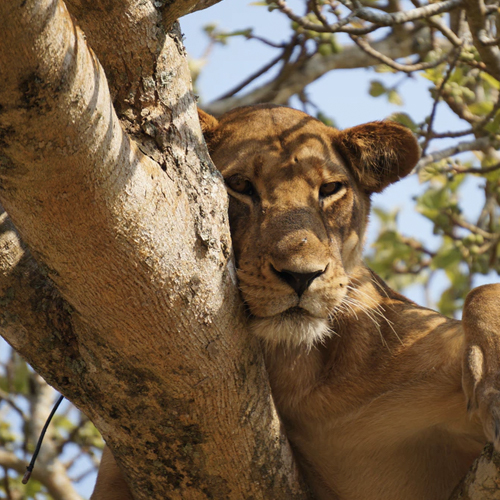
Cradled in a giant rift valley, with the Rwenzori Mountains in the distance, Queen Elizabeth National Park is a wildlife haven, with 4 of the Big 5 (no rhinos. Highlights of the park include the tree-climbing lions found in the Ishasha sector, slow boating safaris along the Kazinga Channel to see crocodiles, hippos, buffalo, elephants, Ugandan kob and a multitude of birds, and chimpanzee tracking in the eastern region of Kyambura Gorge. Located between Kibale Forest National Park to the north, and Bwindi to the south, this beautiful and diverse national park should be included in every Ugandan safari circuit.
Murchison Falls National Park
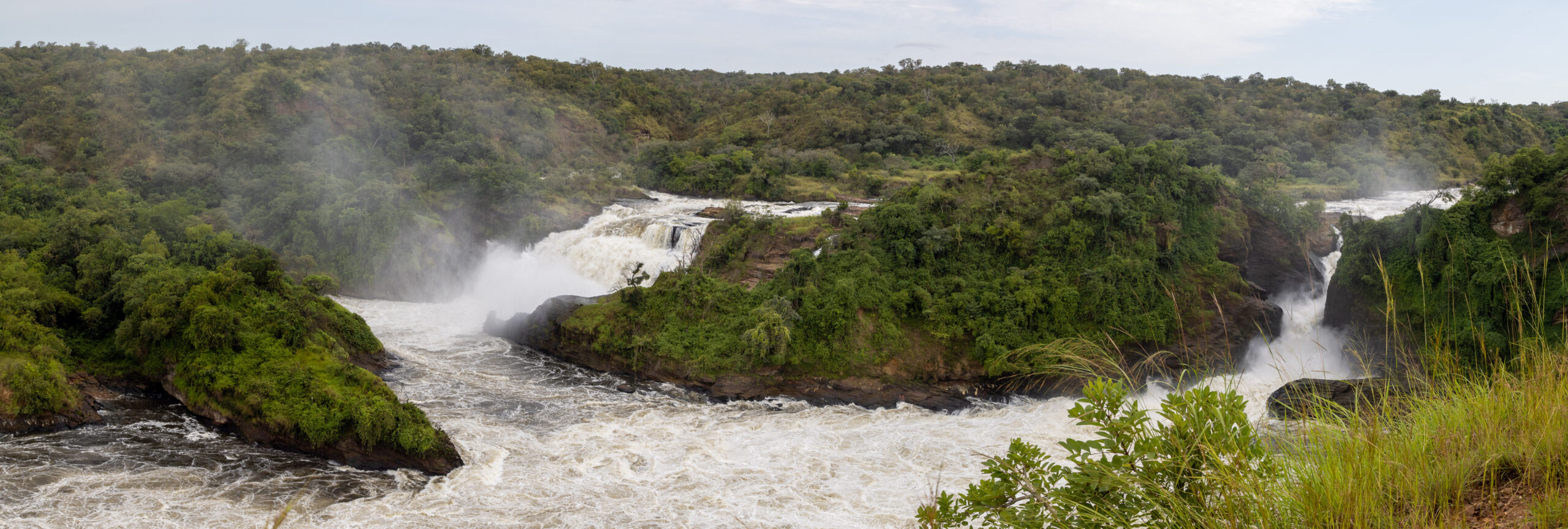
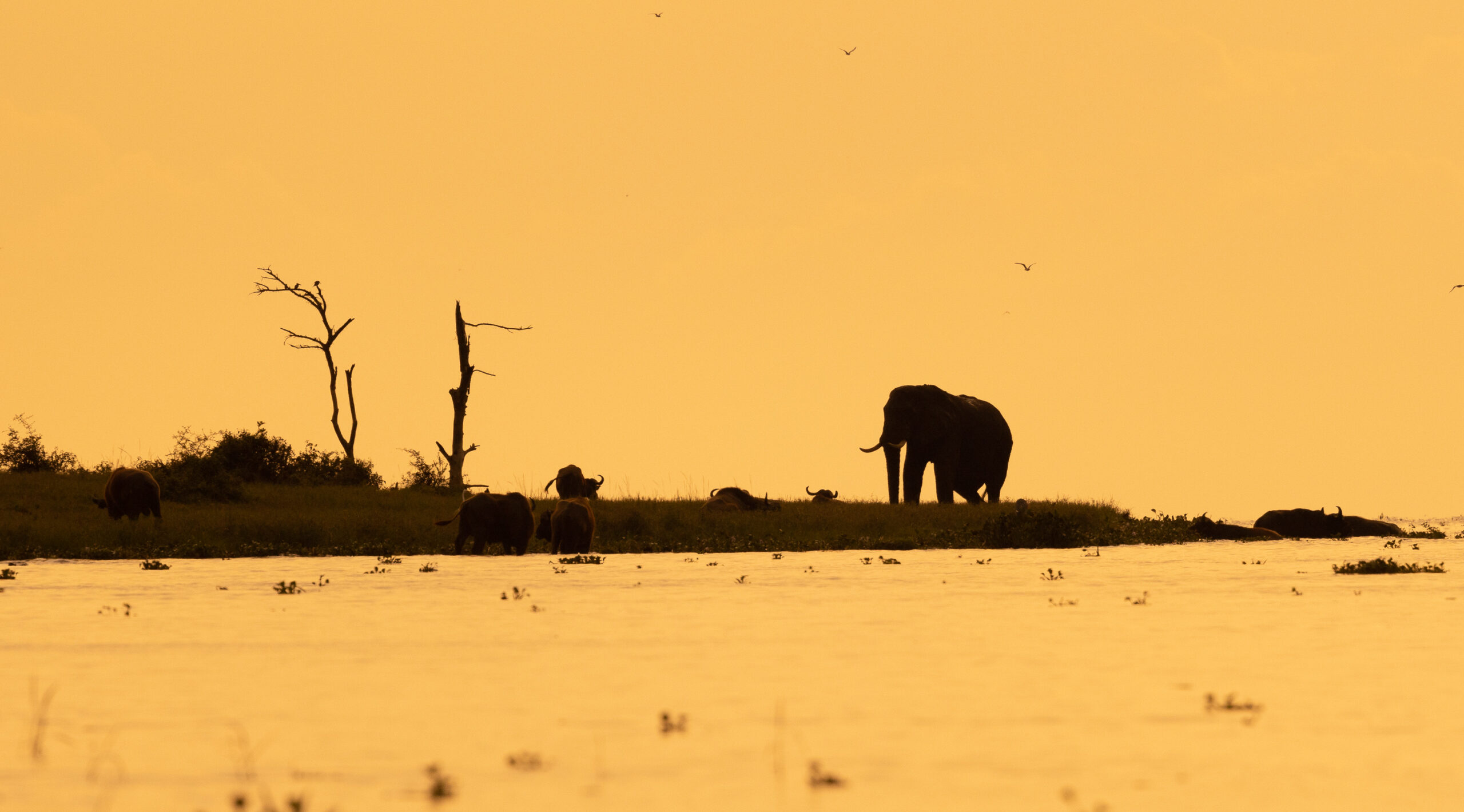
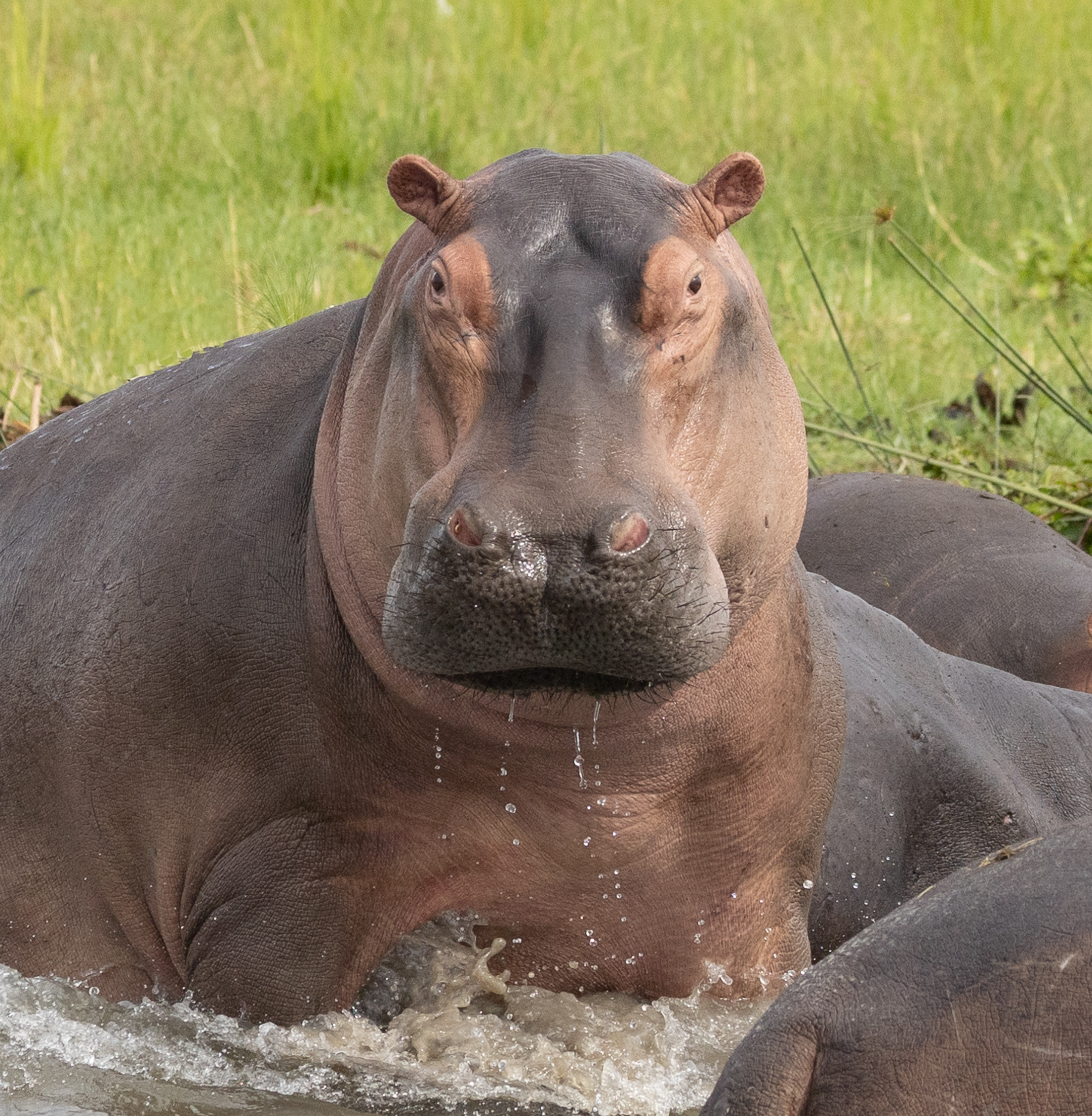
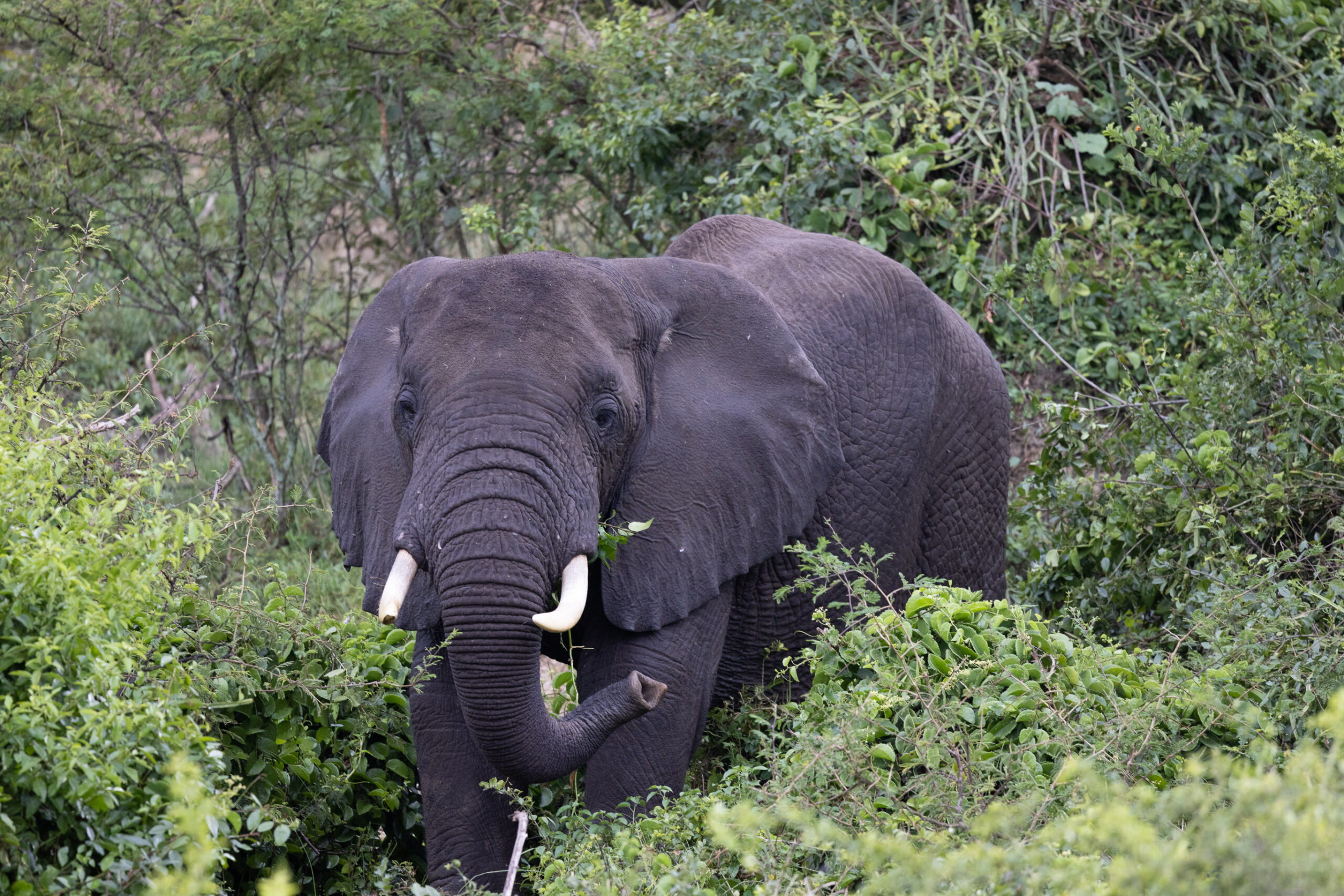
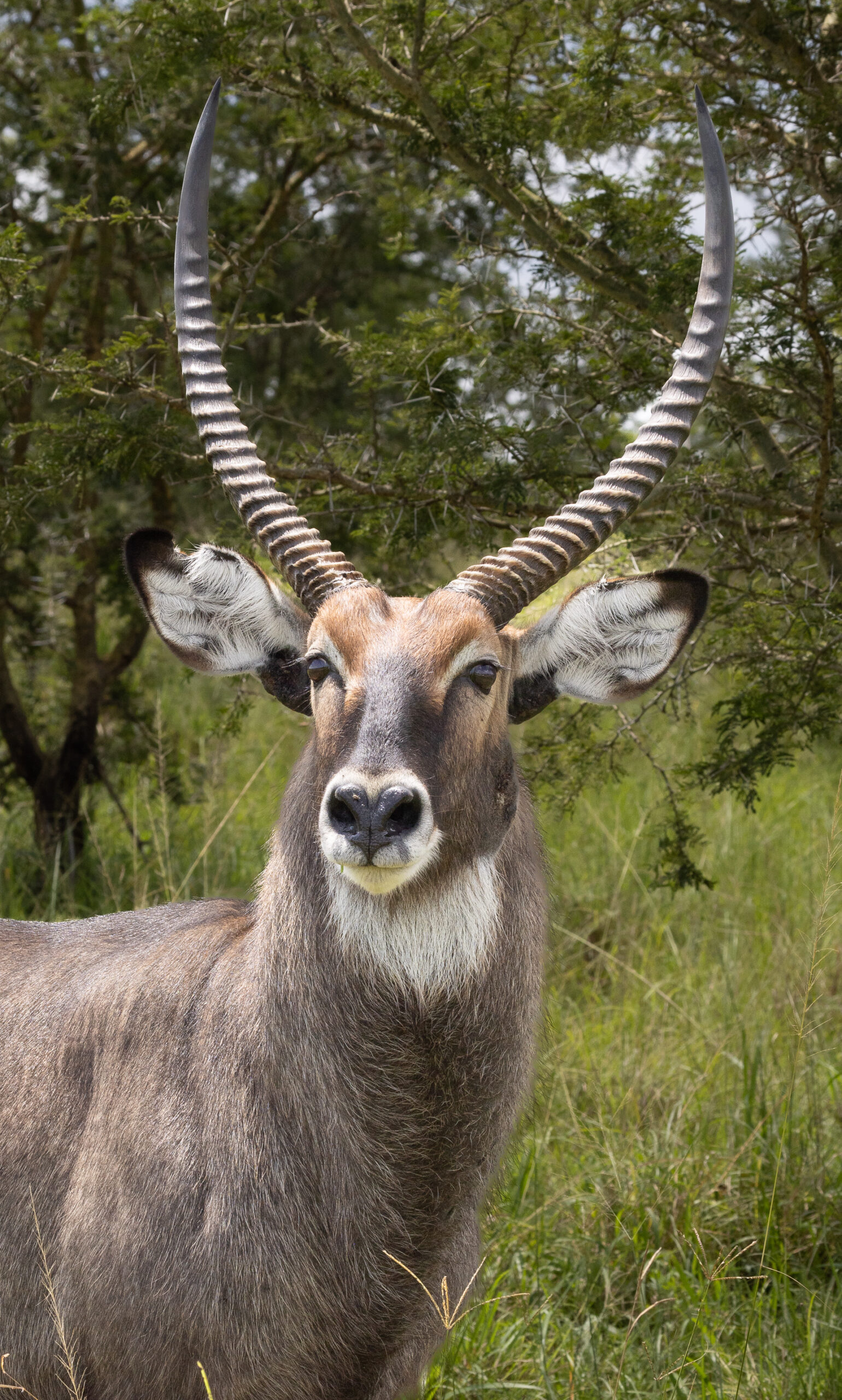
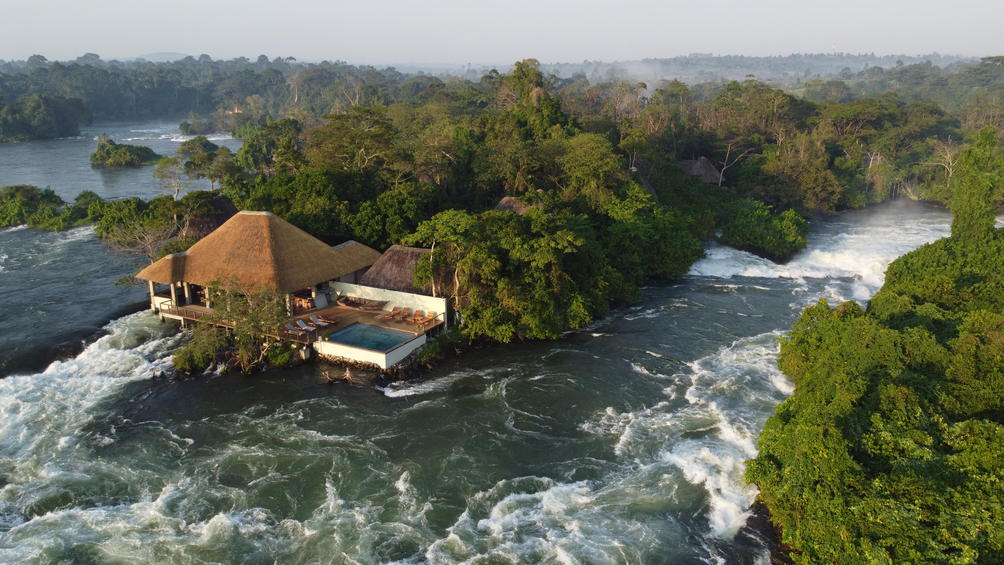
Located in the west of Uganda, and covering an area of over 3,840 km², Murchison Falls National Park is the largest conservation area in Uganda. The park is named after the mighty Murchison Falls, where the languid waters of the Victoria Nile are forced through a narrow cleft in the Rift Valley escarpment, producing a torrent of white water plunging 43m. The river attracts large numbers of game so a boating safari on the Nile offers great opportunities to see hippo, elephant, waterbuck, buffalo and even lions. Birding here is superb, with over 460 species recorded in the park.
Lake Mburo National Park
The smallest of Uganda’s savannah national parks, much of Mburo is savannah woodland and swamps – ideal habitats for birds. Over 350 bird species have been recorded here.
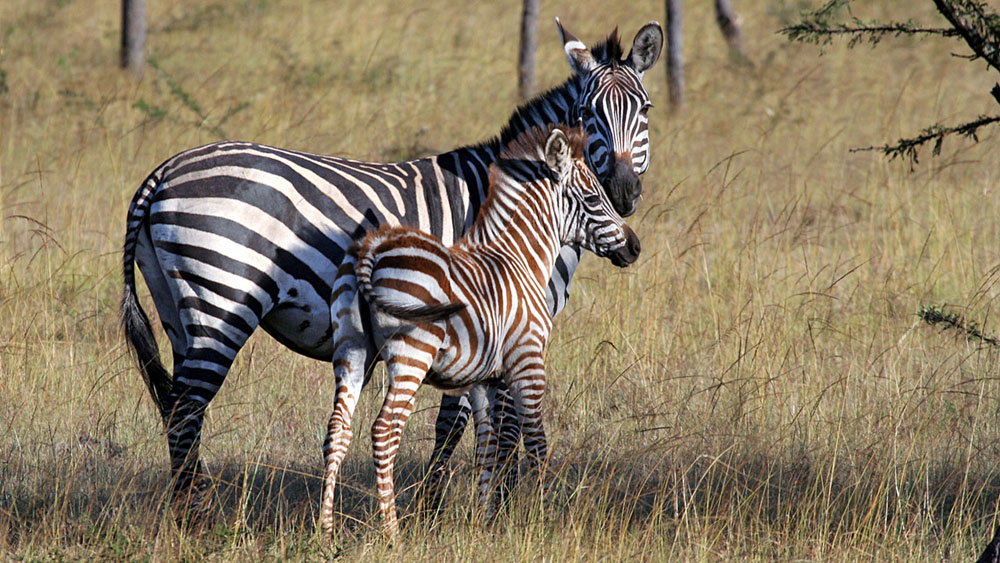
Zebra, eland, impala, buffalo, waterbucks, hippos, topis and reedbucks are common, predated by leopard and hyenas. Well located for a stopover from Bwindi to Entebbe, the park offers walking safaris, mountain biking and horseback safaris.
Mgahinga National Park
Covering an area of just 33.7 square kms, Mgahinga is Uganda’s smallest national park. Located in the far south, Mgahinga forms part of the Virunga Conservation Area alongside Rwanda’s Volcanoes National Park and the DRC’s Virunga National Park. It covers the partially forested slopes of 3 of the extinct Virunga volcanoes – Mt. Muhavura (4,127 m), Mt. Gahinga (3,474 m), and Mt. Sabinyo (3,645 m). Although there are around 80 gorillas roaming this park, they move across borders into Rwanda and the DRC. Only one gorilla family, the Nyakagezi family, is habituated, compared to 12 families in Bwindi.
Mgahinga is the only national park in Uganda where you can trek Mountain Gorillas and Golden Monkeys.
Rwenzori Mountains National Park
The Rwenzori Mountains National Park, or Mountains of the Moon is one of Africa’s great mountaineering adventures, offering the chance to ascend snow peaks and walk on equatorial glaciers. It consists of six distinct mountains, Stanley, Speke, Baker, Emin, Gessi and Savioa. Mt Stanley’s 5109m Margherita Peak, which stands on the Uganda-Congo border, is the third highest point in Africa. The park is home to 18 mammal species including elephant, buffalo, giant forest hog, bushbuck, chimpanzees and leopard; 217 bird species, 9 species of reptiles and 6 species of amphibians.
Jinja
50km east of the capital Kampala, Jinja is Uganda’s 4th largest town. Famous as the source of the mighty Nile River, the town has become the adrenaline capital of East Africa. The major attraction here is the series of grade 5 rapids that offer challenging and exhilarating white water rafting. Quad biking, mountain biking, horse riding and bungee jumping are also on offer in a beautiful natural setting.
Climate & When to Visit Uganda
|
|
Jan |
Feb |
Mar |
Apr |
May |
June |
July |
Aug |
Sept |
Oct |
Nov |
Dec |
|
Bwindi Impenetrable Forest NP |
✓✓✓ |
✓✓✓ |
✓✓ |
✓ |
✓ |
✓✓✓ |
✓✓✓ |
✓✓✓ |
✓✓ |
✓ |
✓ |
✓✓✓ |
|
Murchison Falls National Park |
✓✓ |
✓✓ |
✓ |
✓ |
✓ |
✓✓✓ |
✓✓✓ |
✓✓✓ |
✓✓✓ |
✓✓ |
✓✓ |
✓✓ |
|
Queen Elizabeth National Park |
✓✓ |
✓✓ |
✓ |
✓ |
✓ |
✓✓✓ |
✓✓✓ |
✓✓✓ |
✓✓ |
✓✓ |
✓✓ |
✓✓ |
|
Kibale National Park |
✓✓ |
✓✓✓ |
✓✓ |
✓ |
✓✓ |
✓✓✓ |
✓✓✓ |
✓✓✓ |
✓✓ |
✓ |
✓ |
✓✓✓ |
Uganda enjoys a warm sunny temperate climate with temperatures rarely rising above 30C. The lowland areas are generally warmer compared to the coolness of the Kigezi Highlands. The average temperature is approximately 26C.
There are two rainy, or “Green Seasons”, from March to May and October/November. The dry seasons normally fall between December and February and again from June to August.