What to Expect
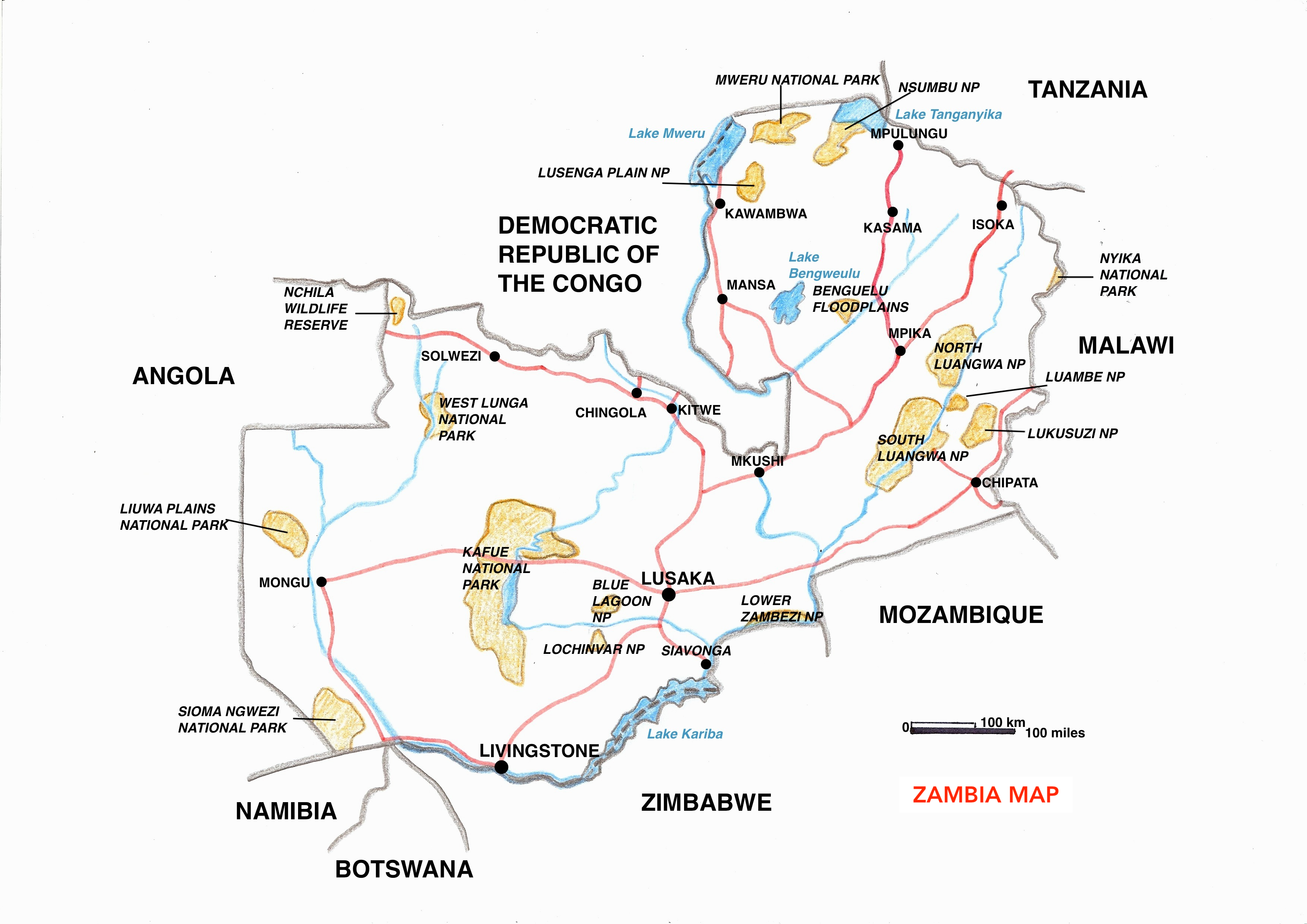
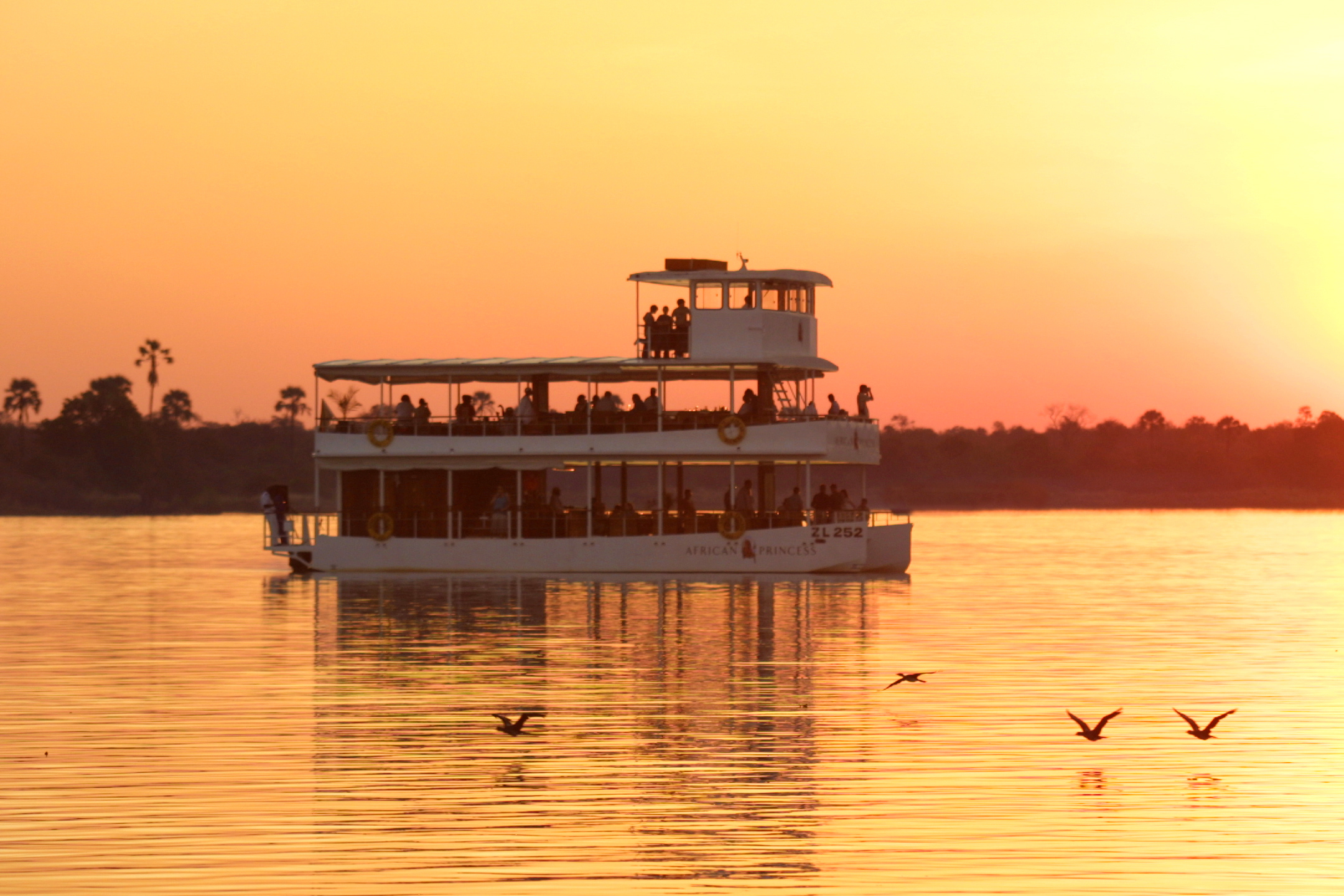
Zambia … Land of the legendary Walking Safari, the world’s biggest waterfall, the wild Zambezi River, breath-taking lakes and wetlands, abundant wildlife, a profusion of birds, raw, pulsating wilderness, and breathtaking African sunsets … all in one friendly country. Zambia is “raw and real” with spectacular scenery, vast unspoilt wilderness areas, and prolific wildlife. Combine one or more diverse safari destinations with a wealth of adrenaline activities at the Victoria Falls for a truly exceptional African vacation.
With an underdeveloped and poorly maintained road network, Zambia is something of a challenge for independent travellers. But there’s a great network of light aircraft flights between the capital Lusaka, Livingstone (at Victoria Falls), and the safari destinations, and most of our clients opt to fly between destinations. We create unique itineraries showcasing the best of Zambia, allowing you to explore, experience and fall in love with this spectacular country.
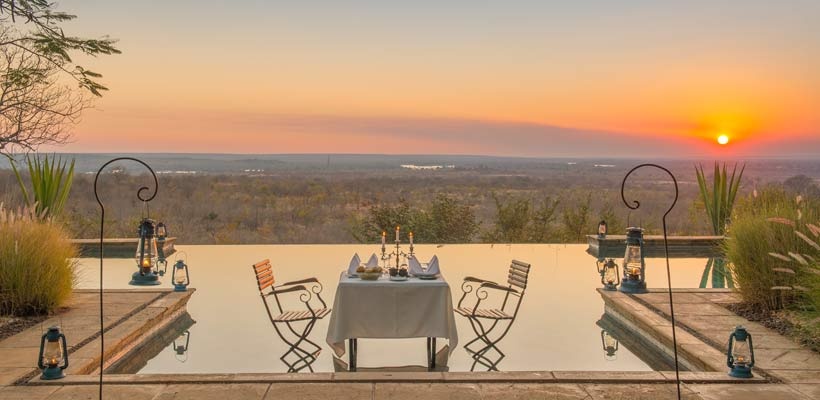
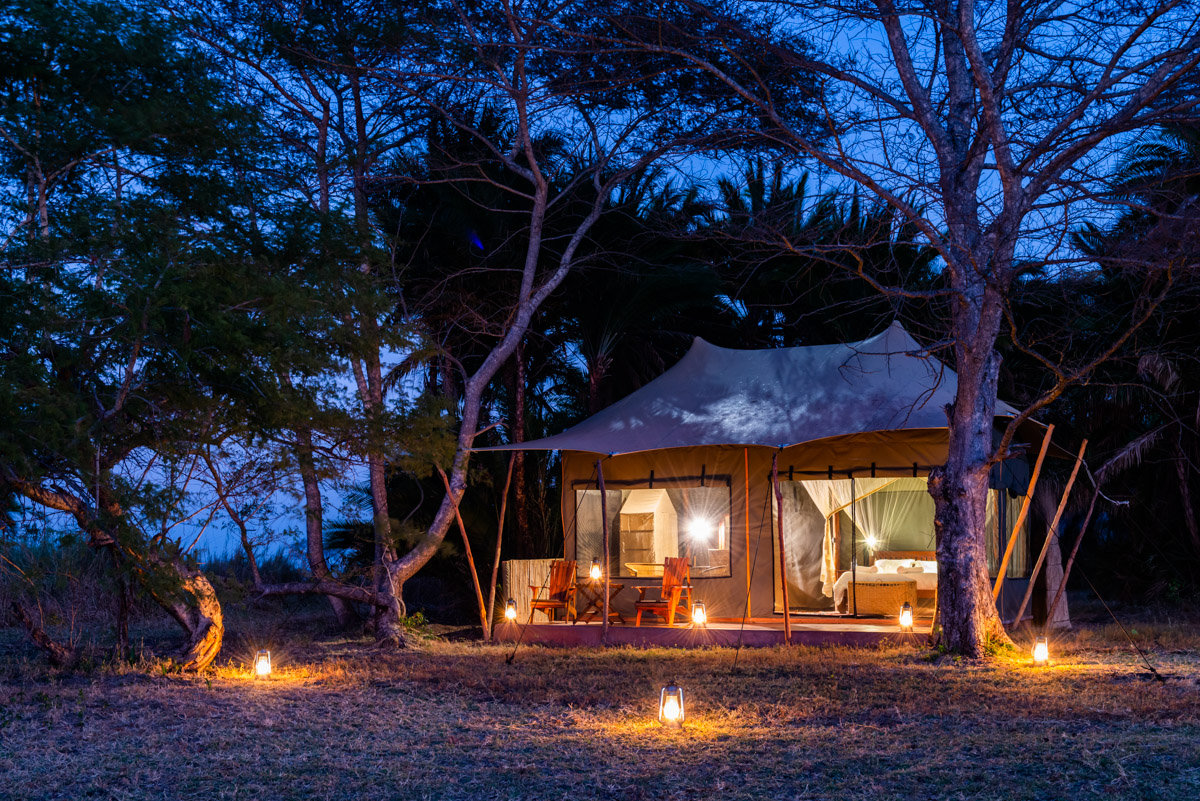
Zambia is all about authentic African bush, huge skies, spectacular sunsets, superb game viewing, breathtaking scenery, delightful camps and lodges and warm hospitality. Zambia is the perfect safari destination for honeymooners, adrenaline seekers, safari aficianados and families.
Money: The unit of currency in Zambia is the Kwacha. Major credit cards are accepted in most hotels, lodges and restaurants. However elsewhere you will find it difficult to pay by card and, as there are few banks in rural areas, you should carry USD in small denomination notes.
Language: Zambia’s official language is English, which almost everyone speaks and understands to some degree. However there are more than 70 different languages and dialects spoken throughout the country, the most widely spoken of which are Bemba, Nyanja and Tonga.
Food & Drink: The majority of Zambians have a simple diet with Nshima, a stiff porridge made from maize-meal as its mainstay. This is accompanied by side dishes of relish made with vegetables and meat or fresh or dried kapenta. Safari camps and lodges offer good international cuisine with options for visitors to sample local delicacies and staples. Zambian beef is excellent, and almost all establishments cater well for vegetarian dietary requirements.
The preferred local beer is Mosi lager, and most safari destinations stock a good selection of South African wines, as well as internationally-known and more local craft gins and other spirits. The legal drinking age in Zambia is 18.
Dress: As with most safari destinations, casual, comfortable clothes are desirable. Zambia is relaxed – choose loose-fitting light coloured clothing in natural fabrics. Long sleeved shirts and pants are good for cooler evenings, and to help protect against mosquitoes at dusk. T shirts and shorts in muted greens, brown and khaki all work well.
Travelling Around Zambia
Zambia is typically a fly-in safari destination. Whether you arrive into Livingstone or Lusaka International Airports, we will organise your regional flights to your various safari destinations. There are nearly 40,000km of highways in Zambia, although less than 20% are paved, and most of the paved roads are in poor condition. Driving is on the left hand side and an International Driving Licence is recommended. During the rainy season most of the dirt roads are only passable with a 4×4. Petrol and diesel are obtainable in all major towns, but shortages are common in the remote areas. We do not currently recommend or organise self-drive vacations in Zambia.
Zambia's Top Attractions
What To Do in Zambia
- Victoria Falls
- South Luangwa National Park
- North Luangwa National Park
- Lower Zambezi National Park
- Liuwa Plains National Park
- Lochinvar National Park
- Kafue National Park
- Walking Safaris
- Big 5 Safaris
- Birding Safaris
- Adventure Safaris & Activities
Where to Go
Victoria Falls
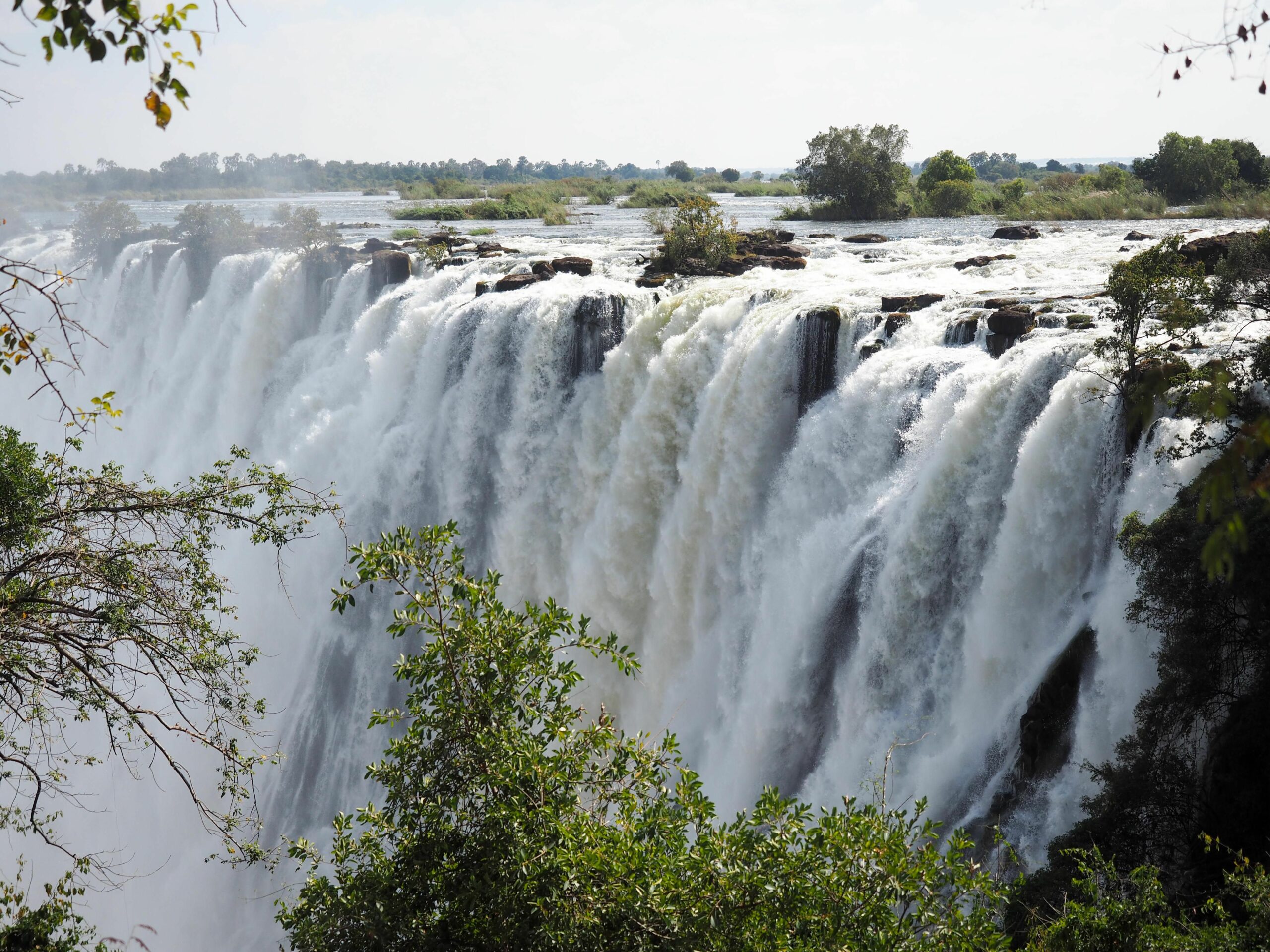
Known locally as Mosi-oa-Tunya (The Smoke That Thunders), the Victoria Falls are a spectacular sight of awe-inspiring beauty and grandeur on the Zambezi River, bordering Zambia and Zimbabwe. The mile-wide Zambezi River suddenly plunges 30 stories, spilling water at a volume of more than 1 million gallons per second (2 million gallons during the rainy season). Rainbows, and columns of spray envelope you as the water plummets with a thunderous roar – no other natural wonder in Africa matches the Victoria Falls’ raw power.
Facing the Falls is another sheer wall of basalt, rising to the same height and capped by mist-soaked rain forest. A path along the edge of the forest provides the visitor who is prepared to brave the tremendous spray with an unparalleled series of views of the Falls.
Victoria Falls actually consists of several separate falls, divided by islands in the river – the most impressive are Main Falls, Rainbow Falls, and the Devil’s Cataract.
The best time of year to visit Victoria Falls is midway through the dry season – during July or August. The volume of water pouring over the falls is at its highest at the end of the rainy season (March – May), but this isn’t a great time to visit as the immense amount of spray obscures views of the falls. Throughout the year there is a sufficient mist to sustain a lush rain forest in the gorge, even when the rest of the country is parched.
The Falls can be viewed from a number of different vantage points, on both the Zambian and Zimbabwean sides of the Zambezi. For aerial views, take the Flight of Angels (a twin-engine plane) or microlight along the length of the falls – it won’t break your budget and it’s really worth every penny!
The Falls are located within the Mosi-oa-Tunya National Park, which provides sanctuary to numerous antelope species, zebra, giraffe and the only white rhinos to be found in Zambia.
For the adventurous and extreme sports fans, Victoria Falls is rapidly becoming known as the ‘Adventure Centre’ of Southern Africa, with various adrenaline sports, and other leisure options in this breathtakingly beautiful scenery. Activities on offer include white rafting, bungee jumping, abseiling, gorge-swinging, helicopter and microlight flights over the falls, horseback trails along the Zambezi, and canoeing and boat cruises on the upper Zambezi,
South Luangwa National Park
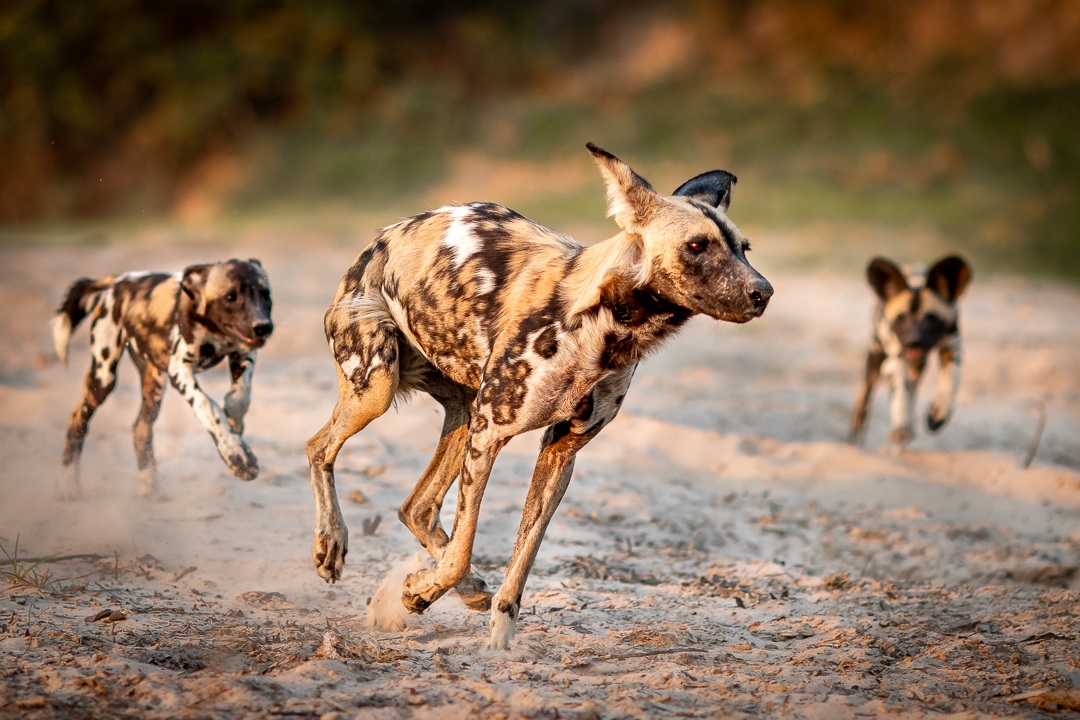
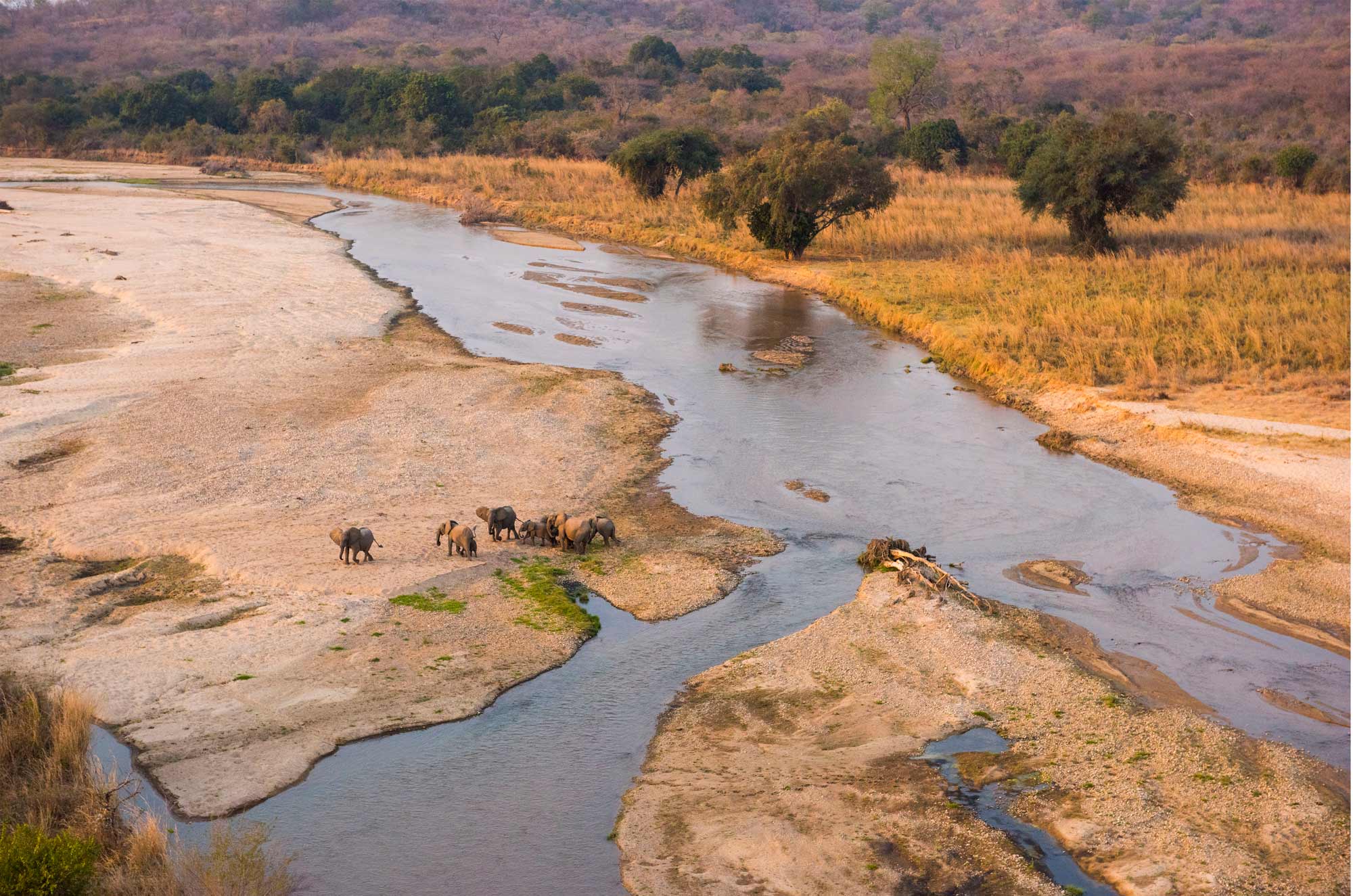
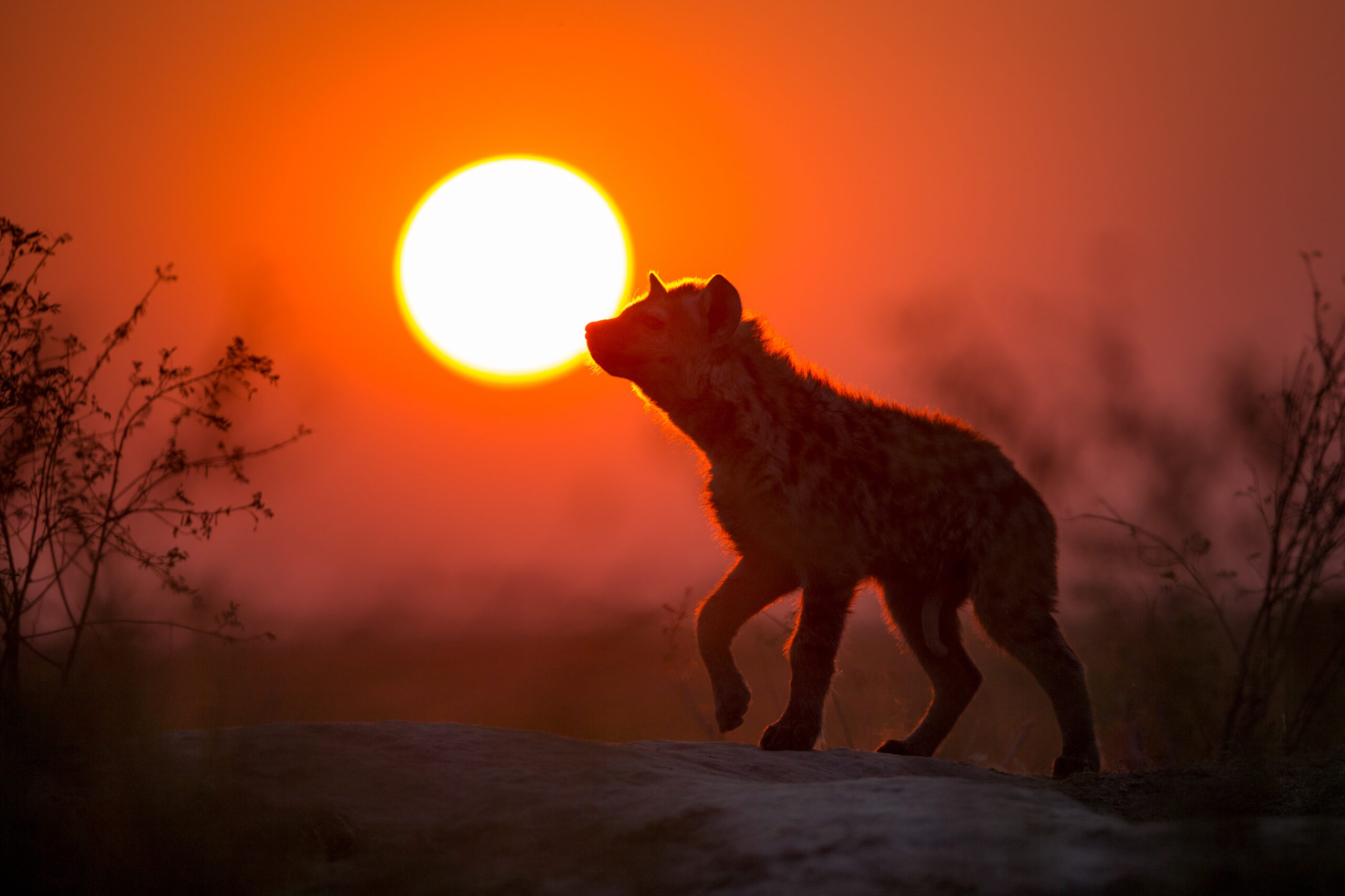
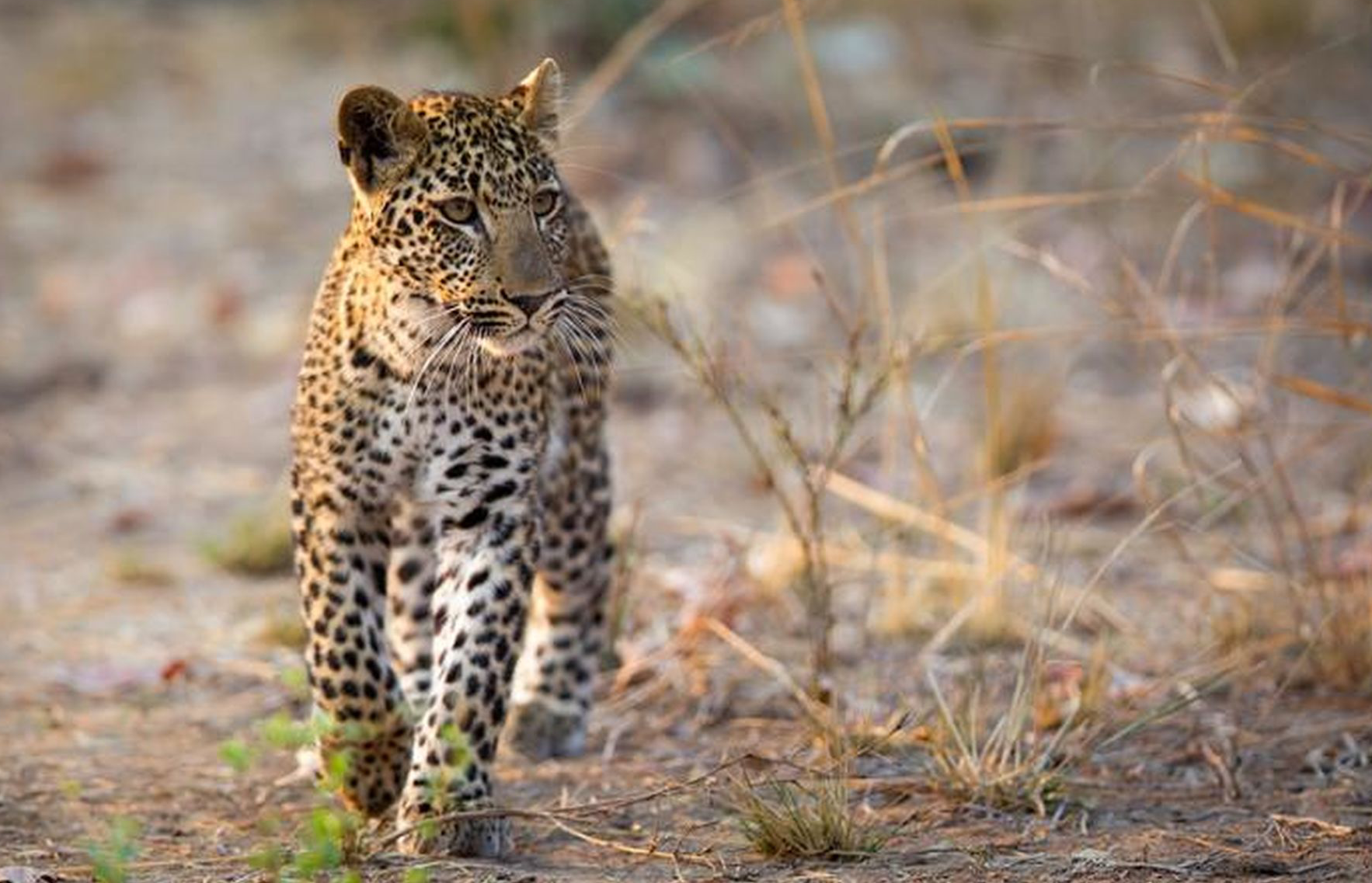
South Luangwa is undoubtedly one of the greatest wildlife sanctuaries in the world. The Luangwa River is the most intact major river system in Africa and is the life blood of the park’s 9,050km². The Park hosts more than 60 different animal species and over 400 different bird species. The concentration of game around the Luangwa River and its ox bow lagoons is among the most intense in Africa. Here you will encounter large herds of elephants, and smaller herds of zebra, abundant buffalo and Thornicroft’s giraffe, unique to the Luangwa Valley. Hyenas, leopards, lions, caracal, wild dog, serval and side striped jackal all hunt here. The park is home to 14 different antelope species, monkeys, bushbabies, night apes, baboons and vervet monkeys. Prolific populations of hippos and crocodiles are found in the river.
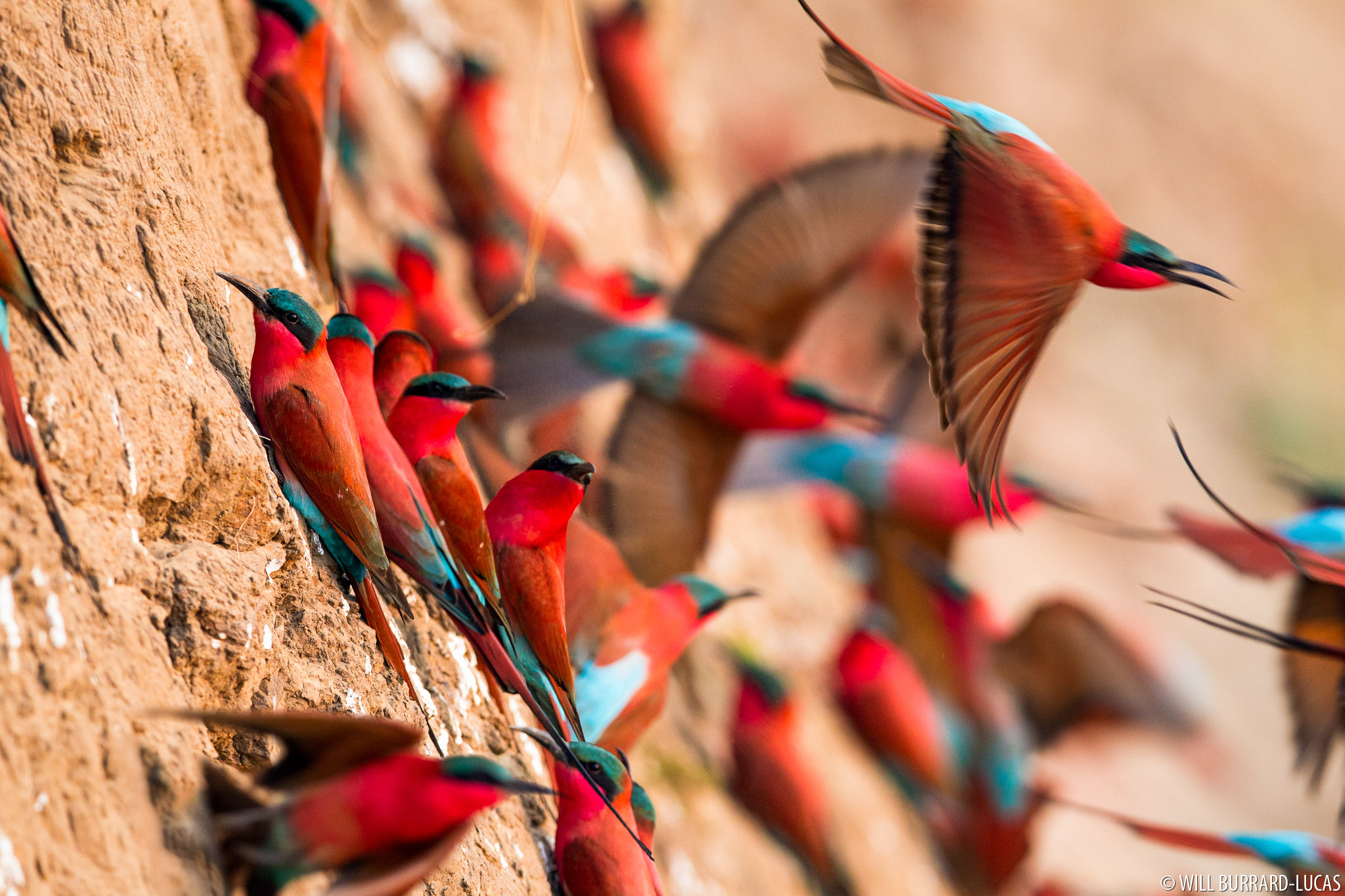
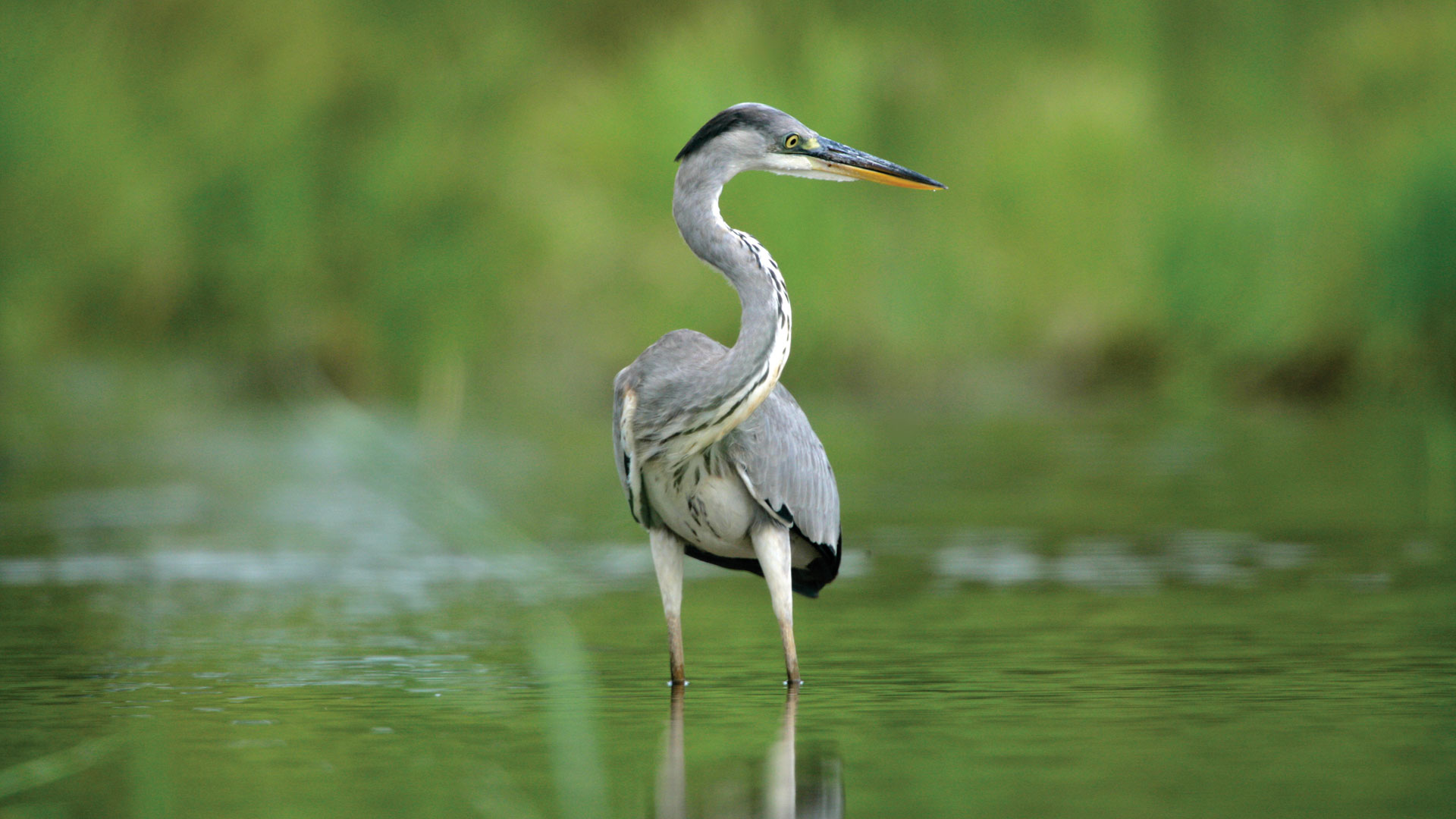
Birding is superb, with more than 400 of Zambia’s 732 species of birds appearing in the Valley. A special sight is the hundreds of brightly coloured carmine bee-eaters nesting each October in the steep sandy banks of the river.
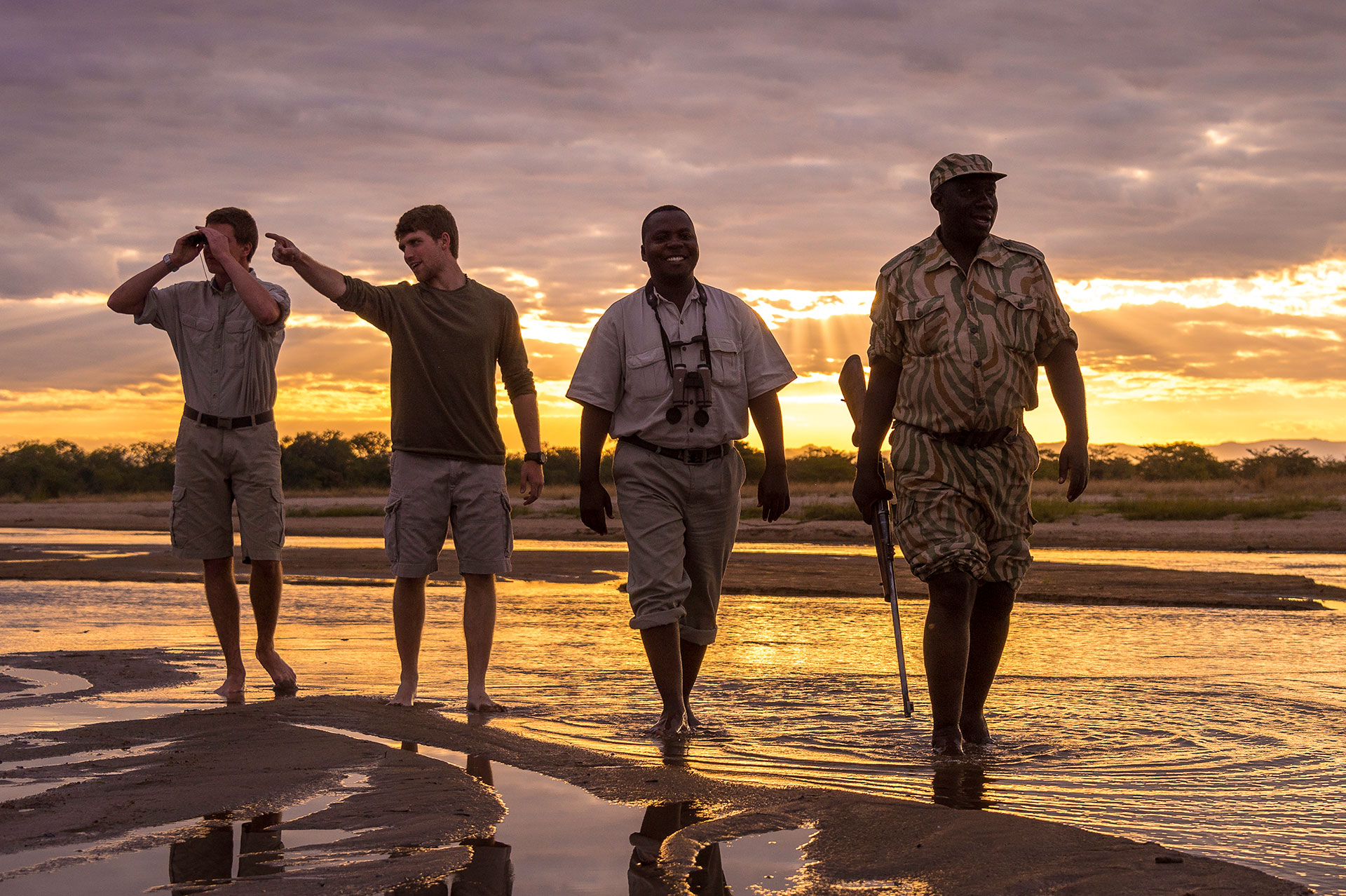
The now famous Walking Safari originated in this park and is still one of the finest ways to experience this pristine wilderness first hand. Much of the park is reasonably flat, so the walking is not particularly difficult, and walking safaris are aimed at the generally fit, rather than supreme athletes! The park is not however exclusively for walkers. Most of South Luangwa’s private lodges are located close to waterholes, or overlooking vast plains, offering guests superb game viewing from the comfort of your deck or pool.
Game drives in 4×4 vehicles depart twice daily, and vehicles are equipped with spotlights for night drives. Please do bear in mind that only those lodges located within the park’s boundaries are permitted to conduct game drives after dark. If you are staying at one of the lodges outside the park’s boundaries, your game drives will be restricted to the gate opening times.
The park experiences very pronounced seasonal changes, adding to its richness – ranging from dry, bare bushveld in the winter to a lush green wonderland in the summer months. The dry season lasts from April to October. The heat intensifies through to October which is the hottest month when game concentrations are at their height.
For game viewing, the best time to visit is during the dry winter months of May to August, when the bush is sparse and animals congregate around waterholes and at the river. These months are characterised by warm sunny days and cool evenings.
The wet season begins in November and lasts until the end of March. As the dry bleak terrain becomes a lush jungle the migrant birds arrive in droves. Lodges in and around South Luangwa stay open for as long as access is possible, depending on their location. The northern areas of the park are pretty much inaccessible during the rainy season (November-March).
North Luangwa National Park
The wild and almost untouched 4,636km² North Luangwa National Park offers one of the finest wilderness experiences in Africa. It shares the same ecosystem as its neighbour, South Luangwa National Park, but remains truly remote, with only a handful of camps specialising in walking safaris. Access is by a short 10 minute fight from South Luangwa.
A North Luangwa walking safari is a privilege. Numbers are strictly limited and you’re unlikely to see anyone else for the duration of your trip. Your walking safari will take you through a dazzling diversity of habitats, from lush riverine forests to mopane forests, open grasslands and acacia thickets. Here you will see beautiful sausage trees, laden with fruit, ivory palms, leadwoods and red mahogany trees.
There are a number of tributary rivers running through the park and into the park. The crystal clear Mwaleshi River trickles down the escarpment in a series of small waterfalls. It recedes in the dry season, leaving many pools along the way, drawing the animals from the bush to its banks in search of water. No game drives are permitted in this area – access is by walking safari only.
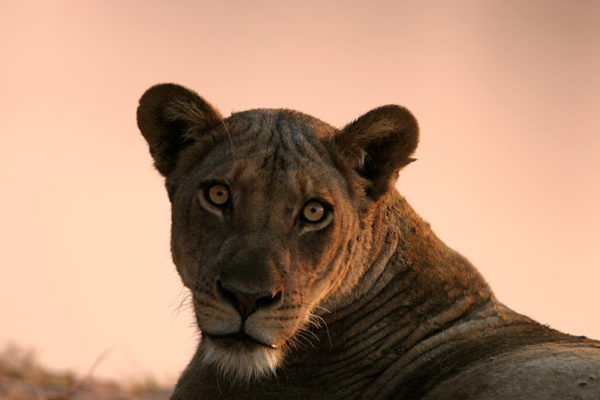
The park is noted for its massive herds of buffalo as well as large prides of lion. Other common mammals include hyaena, Cookson’s wildebeest, bushbuck, zebra, warthog, baboon, vervet monkey, puku, hartebeest, reedbuck, eland and impala. Elephant and leopard are present but more elusive than in the neighbouring South Luangwa National Park. All of the 400 bird species sighted in South Luangwa are also found here.
Lower Zambezi National Park
Where the mighty Zambezi River meanders through the Lower Zambezi rift valley, you will find two remarkable national parks – Mana Pools on the Zimbabwe side of the river and Lower Zambezi National Park on its opposite bank, creating a massive wildlife sanctuary.
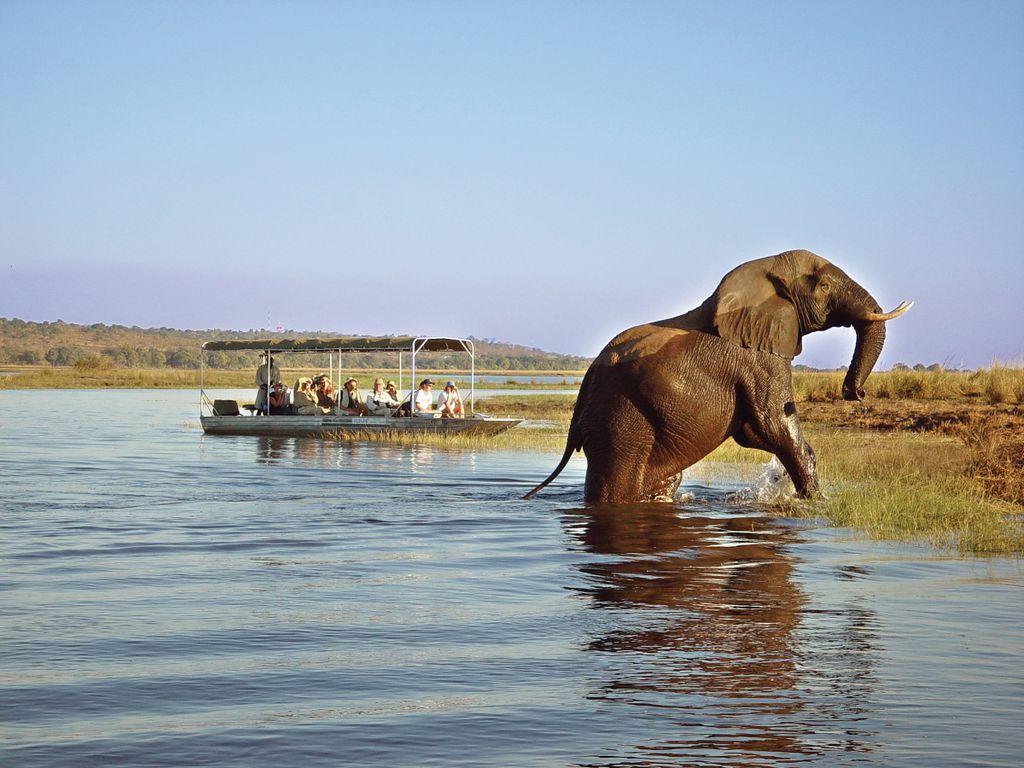
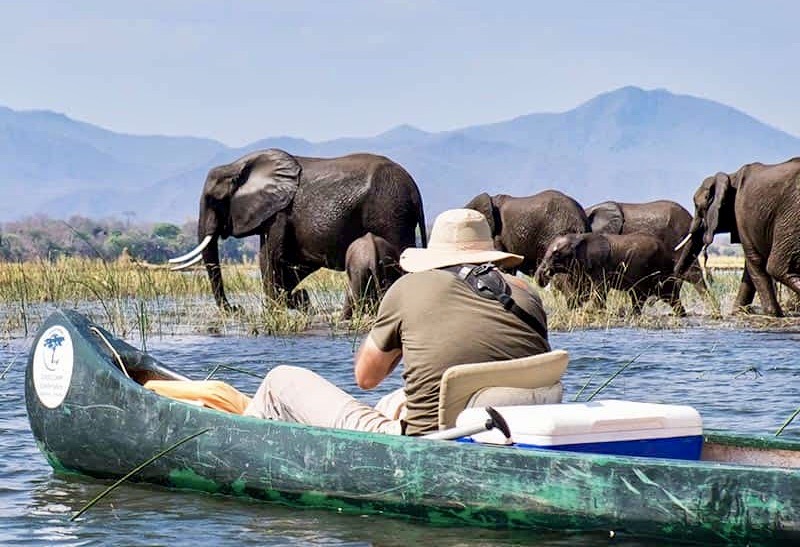
The 4,092 km² park remains an authentic wilderness, and a wildlife safari here is outstanding, with a combination of game drives, boating activities (canoeing is a must!), and superb tiger fishing. Enormous herds of elephant, some up to 100 strong, are often seen at the rivers edge. The river is wide and slow, and the area teems with wildlife. On a Lower Zambezi safari you are likely to encounter elephants, lions, Cape buffalo, leopards, impala, waterbuck, zebra, and plenty of hippos, crocodiles and birds, including fish eagles.
Game viewing here is seasonal. The national park is open April-November but the best time for wildlife viewing is June-September. Anglers will find the best fishing in September and October.
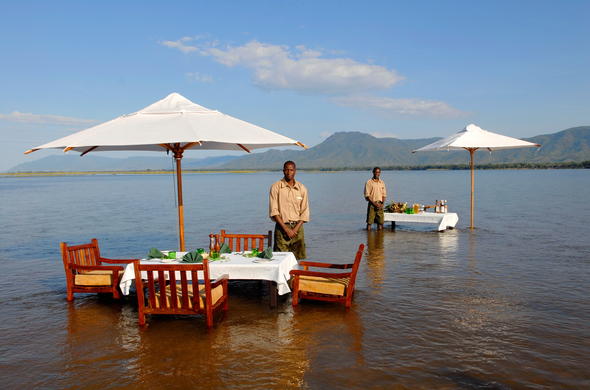
Whilst the park remains relatively underdeveloped, the private lodges nestled on the great Zambezi’s banks are on a par with (and some perhaps even better than) the accommodations in South Luangwa.
Liuwa Plains National Park
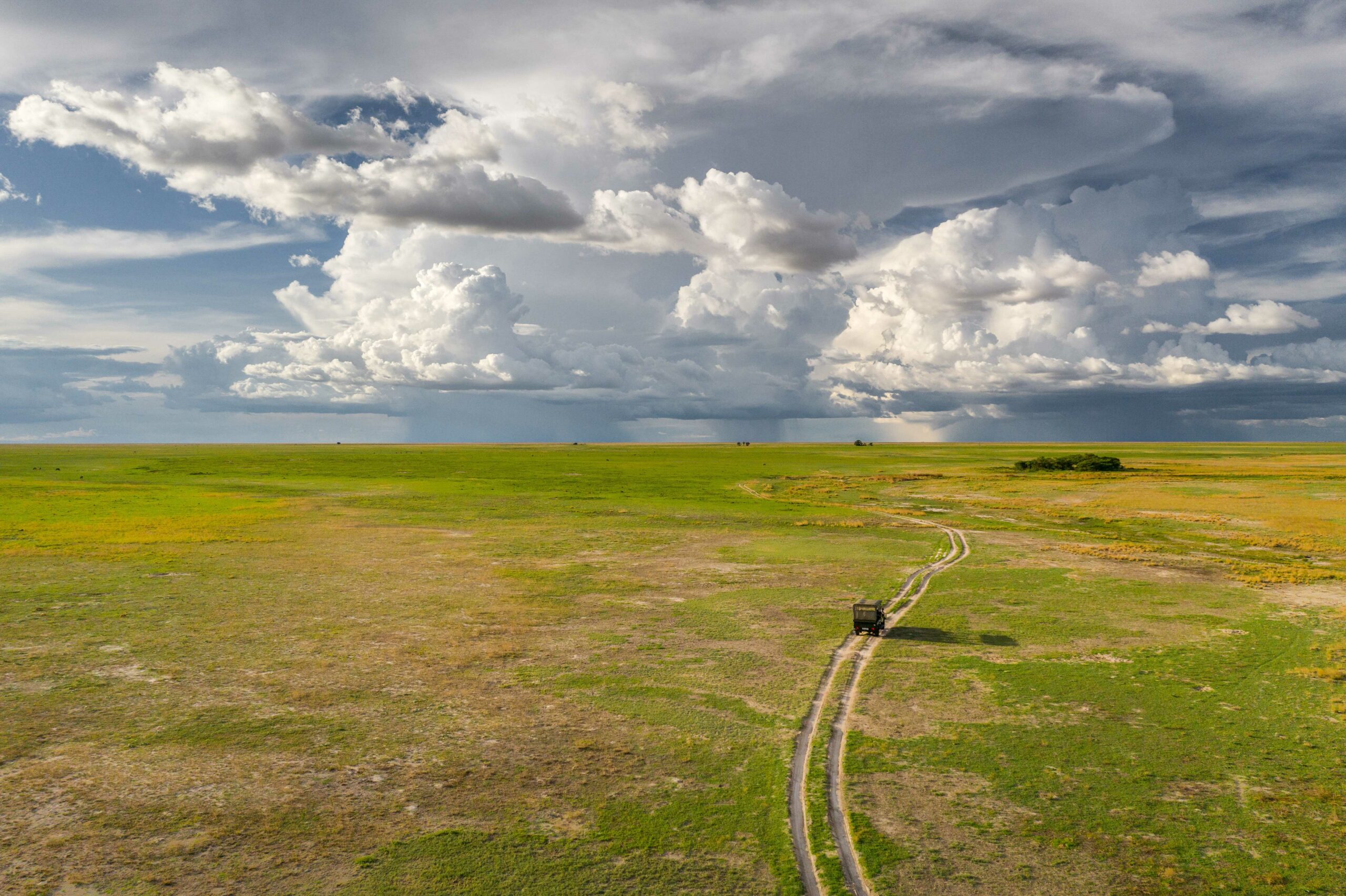
Located in the Lower Zambezi floodplains of western Zambia, Liuwa Plains covers 3,600km² of wooded islands and the vast flat plain, which is completely flooded from late December until mid May. Bounded by two great rivers, the Luambimba and the Lunging, Liuwa Plains offers an immersive experience in beautiful landscapes, where a diverse ecosystem thrives, and where you can spend days without seeing another safari vehicle.
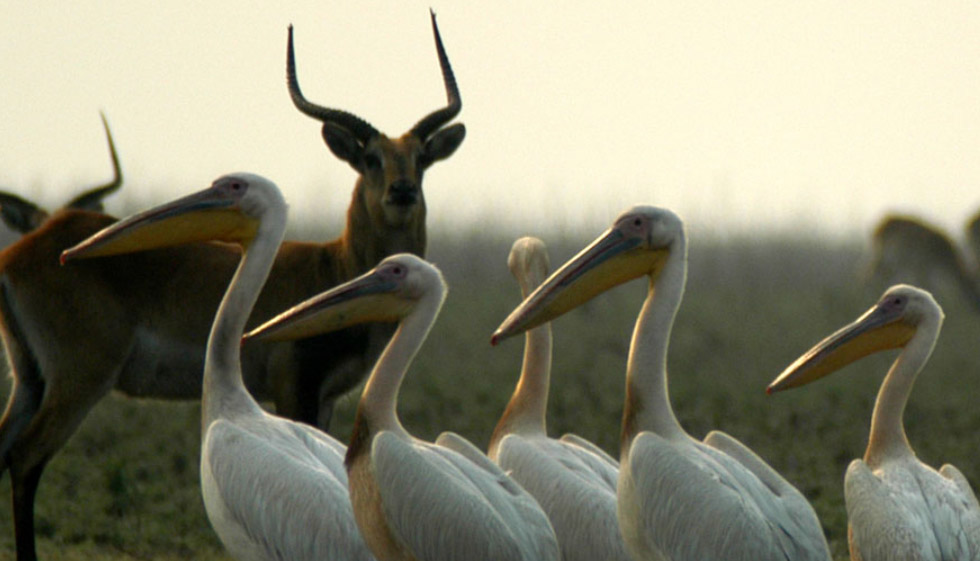
As the rains fall, new grass shoots attract vast numbers of herbivores. Huge herds of blue wildebeest and zebra migrating from Angola, move through the park. Other antelope found here include orbit, sitatunga and red lechwe. Predators including lion, jackal, cerval, wildcat, spotted hyena and cheetah, are not far behind.
Liuwa is a bird lover’s paradise, with close to 335 species identified.
Until recently, Liuwa Plains has been considered to be a remote and adventurous safari destination, with only a few seasonal mobile tented camps. The addition of a permanent luxury lodge with helicopter access, has provided more visitors the opportunity to explore this unspoilt wonderland. Seasons dictate activities here – with 4×4 game drives during the dry months; walking safaris and canoeing when the plains are flooded.
Lochinvar National Park
The 428km² Lochinvar National Park is situated on the southern edge of the Kafue Flats, a wide floodplain of the Kafue River, designated a World Heritage Wetland Site. There are no dangerous animals in the park, apart from buffalo and hippos, and visitors are encouraged to explore on foot. Lochinvar is renowned as a superb birding destination, featuring many different waterfowl, raptors, woodland species and migrants. 428 species have been recorded, including pelicans, flamingos (attracted by the hot springs in the park), rare wattled cranes, marabou storks, vultures, the African fish eagle and a multitude of waterfowl.
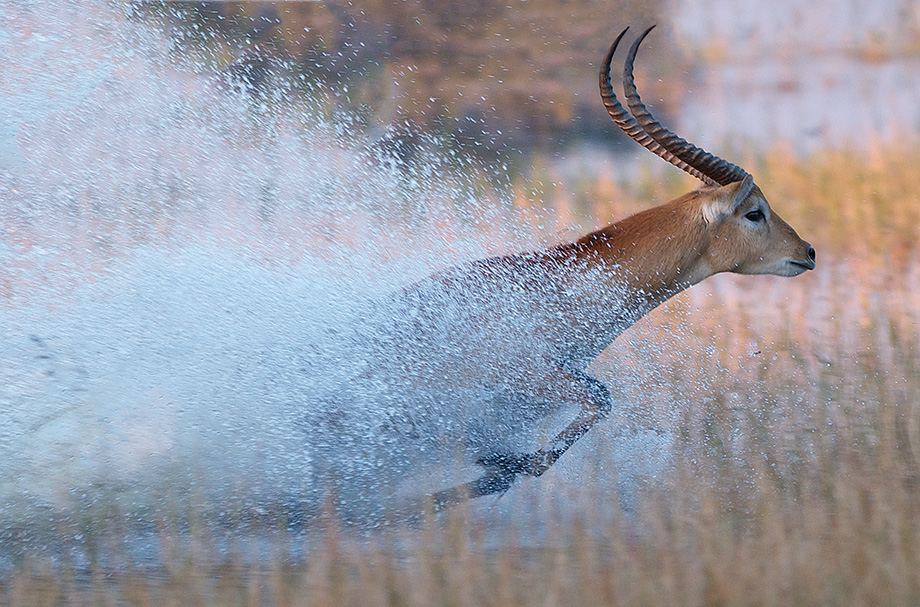
Lochinvar is also famous for its large herds of Kafue Lechwe, a graceful aquatic antelope unique to the Kafue flats. In addition the park contains some 2,000 Blue Wildebeest and 700 Zebra as well as Greater Kudu, Oribi, Bushbuck, Reedbuck, Waterbuck and the Side-Striped Jackal. All happily coexist with herds of cattle owned by the local Ila people.
Largely overlooked by tourism, there are currently no viable accommodations in Lochinvar, although we’re hoping that will change in the near future!
Kafue National Park
Kafue is Zambia’s oldest and largest park. Proclaimed in 1950, Kafue spreads over 22,400km2 – about the same size as Wales, or double the size of Yellowstone National Park in the US. This vast park is still a raw and diverse slice of African wilderness, with excellent game viewing, bird watching and fishing opportunities.
The north west section of the park is dominated by the Busanga Plains – one of Zambia’s most significant wetland resources, untouched by human activity. This vast watery wilderness, flooded in the wet season by several rivers and streams covers an enormous 750 square kilometres. It drains into the Lufupa River, a tributary of the Kafue River. The floods reach their height from March to May. Further south is a tree-choked lush wilderness fed by the Lunga, Lufupa and Kafue Rivers.
The park sustains a great diversity of wildlife, in huge numbers. Antelope include Red Lechwe, Puku, Sable and Roan Antelopes, Waterbuck, Tsessebe, Hartebeest Oribi and Duiker. Large herds of zebra and buffalo are also seen. Prime predators include large prides of lion, solitary leopards and cheetahs, as well as a host of smaller carnivores. Birdwatching is superb, particularly on the rivers and dambos. Over 400 species have been recorded in the park, including purple crested loerie, Pel’s fishing owl and wattled crane. Excellent bream, barbell and fresh water pike fishing is found here. Most lodges have fishing tackle, rods, boats and bait.
Kafue has a good choice of game lodges, both in the north and south of the park. A Kafue Safari combines well with Luangwa or Lower Zambezi safaris, as well as with some time enjoying the sights and activities of Victoria Falls.
Climate & When to Visit Zambia
|
|
Jan |
Feb |
Mar |
Apr |
May |
June |
July |
Aug |
Sept |
Oct |
Nov |
Dec |
|
Victoria Falls |
✓ |
✓ |
✓ |
✓✓ |
✓✓✓ |
✓✓✓ |
✓✓✓ |
✓✓✓ |
✓✓✓ |
✓✓ |
✓✓ |
✓ |
|
South / North Luangwa & Kafue |
– |
– |
– |
✓✓ |
✓✓✓ |
✓✓✓ |
✓✓✓ |
✓✓✓ |
✓✓✓ |
✓✓ |
✓✓ |
✓ |
|
Lower Zambezi NP |
– |
– |
– |
✓✓ |
✓✓✓ |
✓✓✓ |
✓✓✓ |
✓✓✓ |
✓✓✓ |
✓✓✓ |
✓✓ |
✓ |
|
Liuwa Plains |
– |
– |
– |
✓✓ |
✓✓✓ |
✓✓✓ |
✓✓ |
✓✓ |
✓✓✓ |
✓✓✓ |
✓✓✓ |
✓✓✓ |
Zambia has distinctive wet and dry seasons, providing visitors with very different experiences.
Dry Season: The dry season lasts from May to November. This is the easiest and most comfortable time to travel, with June – August being the coolest months. The highest temperatures come just before the rains, and October is Zambia’s hottest month, with temperatures of over 40ºC.
Wet Season: Zambia’s wet season starts in mid November, and lasts until April. It is characterized by heavy tropical storms. The storms usually don’t last long and often you will experience heavy downpours and brilliant sunshine in one day. Many of Zambia’s dirt roads become almost or totally impassable at this time of year, and therefore safaris in the more remote destinations are limited.
The best time to visit Zambia will depend on what you want to do.
Game Viewing: Excellent throughout the Dry Season, and at its best (which is superb) in September and October when game gathers around perennial water holes and along rivers. During the Wet Season vegetation is lush and wildlife scattered making it harder to track and sight game.
Bird Watching: superb during the Wet Season.
Victoria Falls: One of the 7 Natural Wonders of the World, the falls are truly magnificent at any time of the year. However for the best views of the Falls, plan your trip for midway through the dry season, from July to September, when the water level of the Zambezi River is low.
Immediately after the rainy season in April and May, the Falls are again spectacular, although the heavy spray can absolutely drench you and obscure your view.
White Water Rafting: Rafting on the Zambezi is generally not safe throughout the rainy season (December – March), when the river is in flood. The rapids are at their most dramatic towards the end of the dry season when the lower river water plunges through the gorge, and rafters can experience up to Grade 5 rapids at this time.