What to Expect
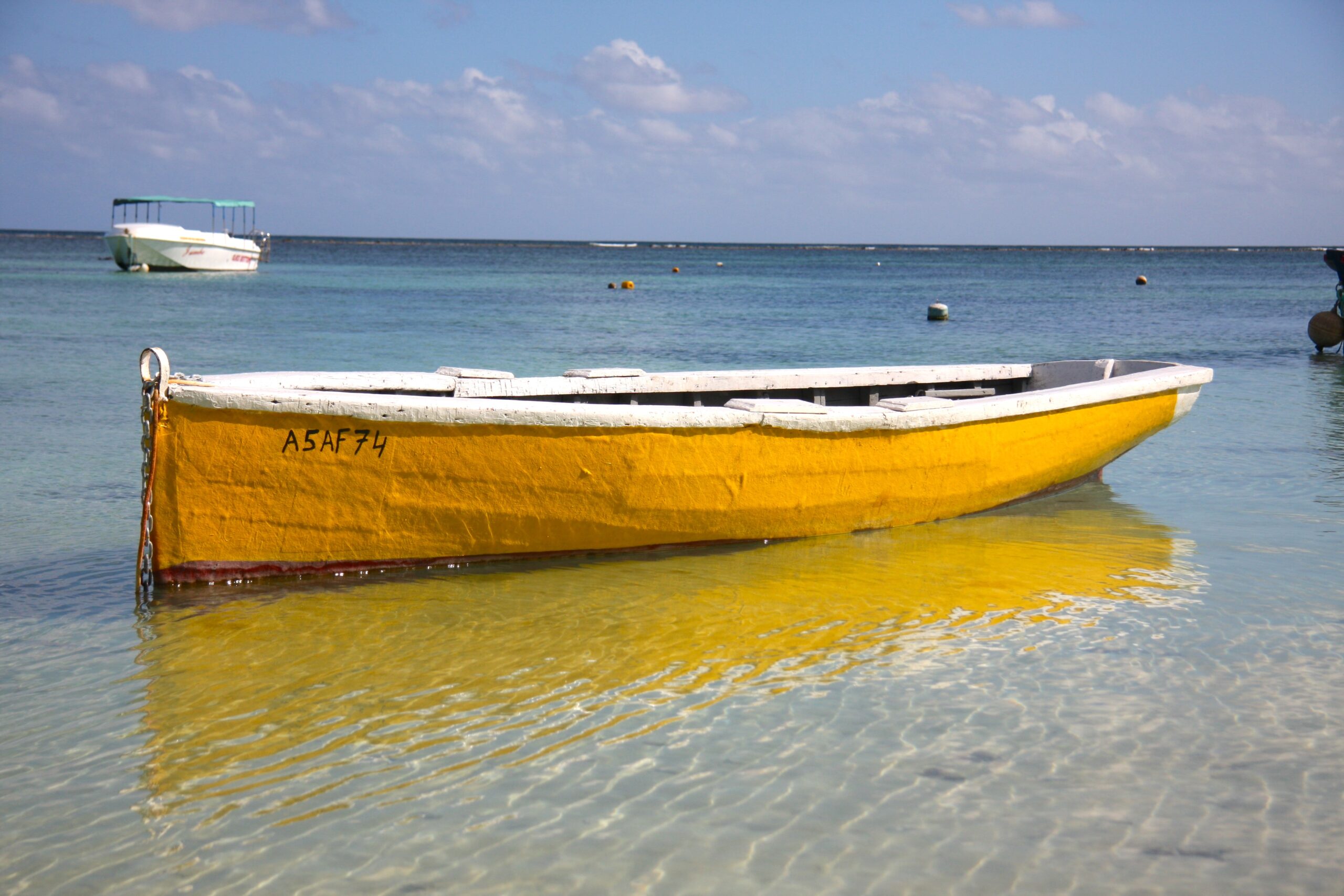
Mauritius is an idyllic tropical island paradise situated in the warm waters of the Indian Ocean, 1200 miles off the coast of Africa, to the east of Madagascar. A colourful coral reef encircles and protects the whole island. The reef is home to an abundance of marine creatures such as giant clams, sponges, sea urchins and starfish, and protects the warm waters and beaches of the island.
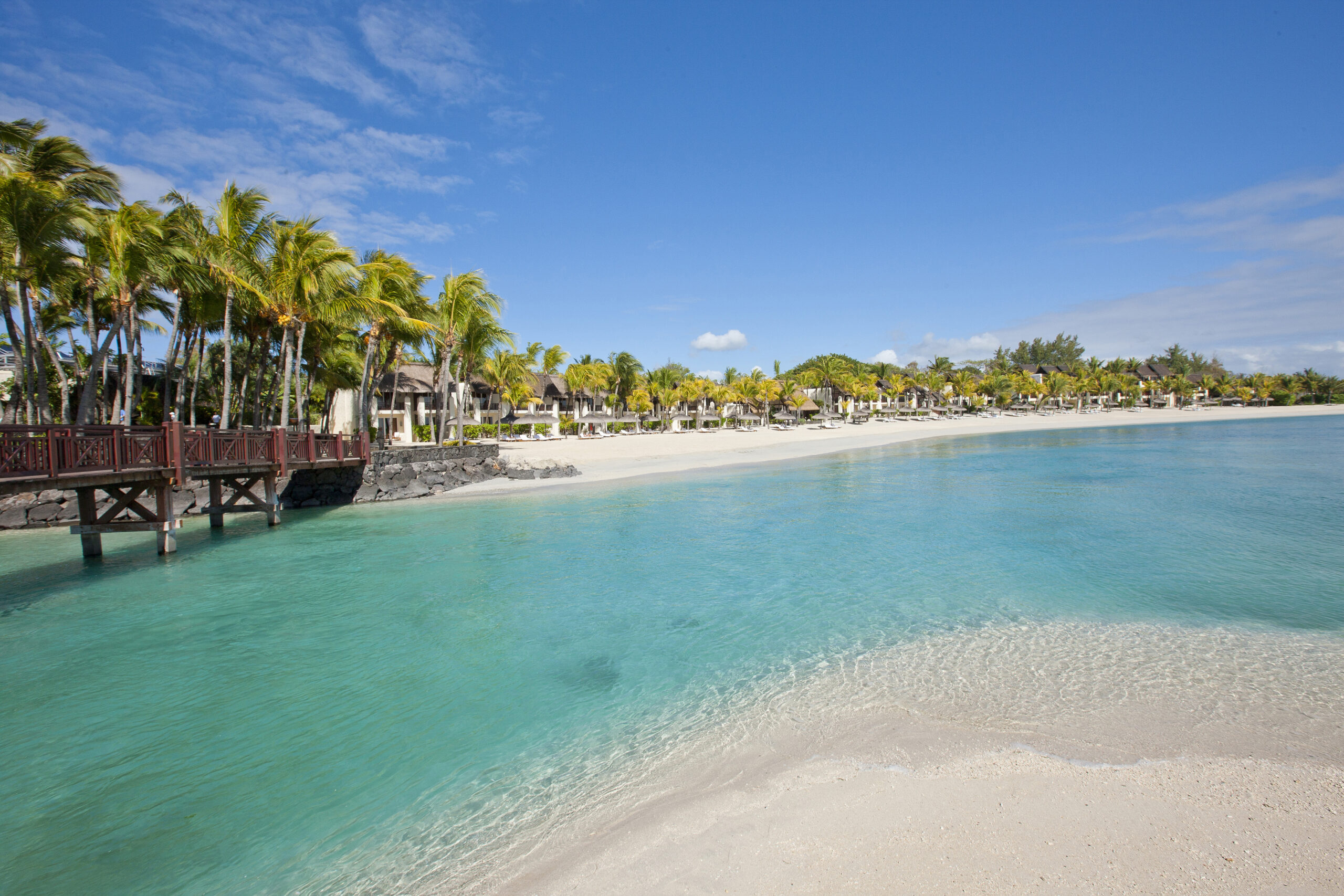
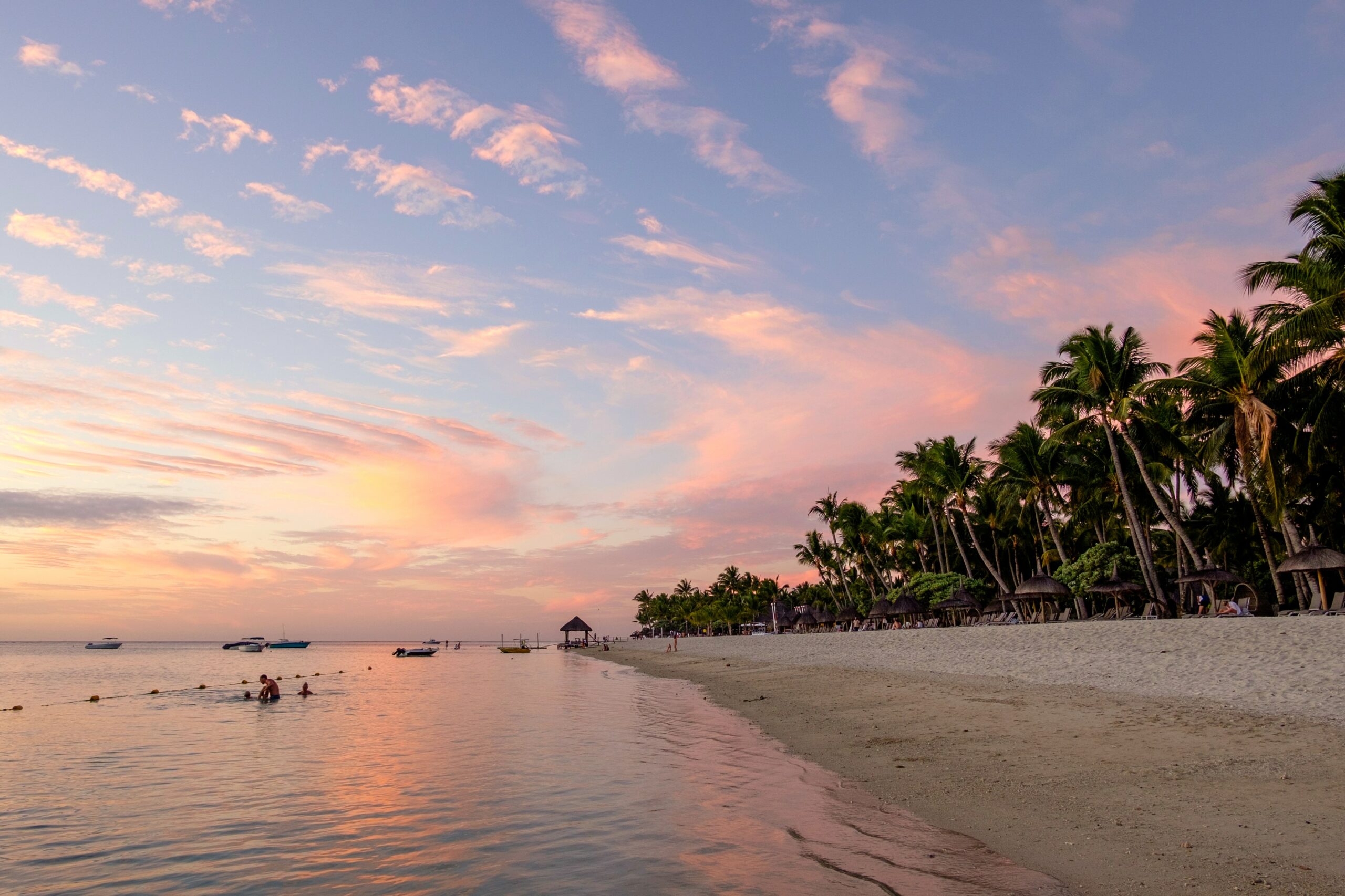
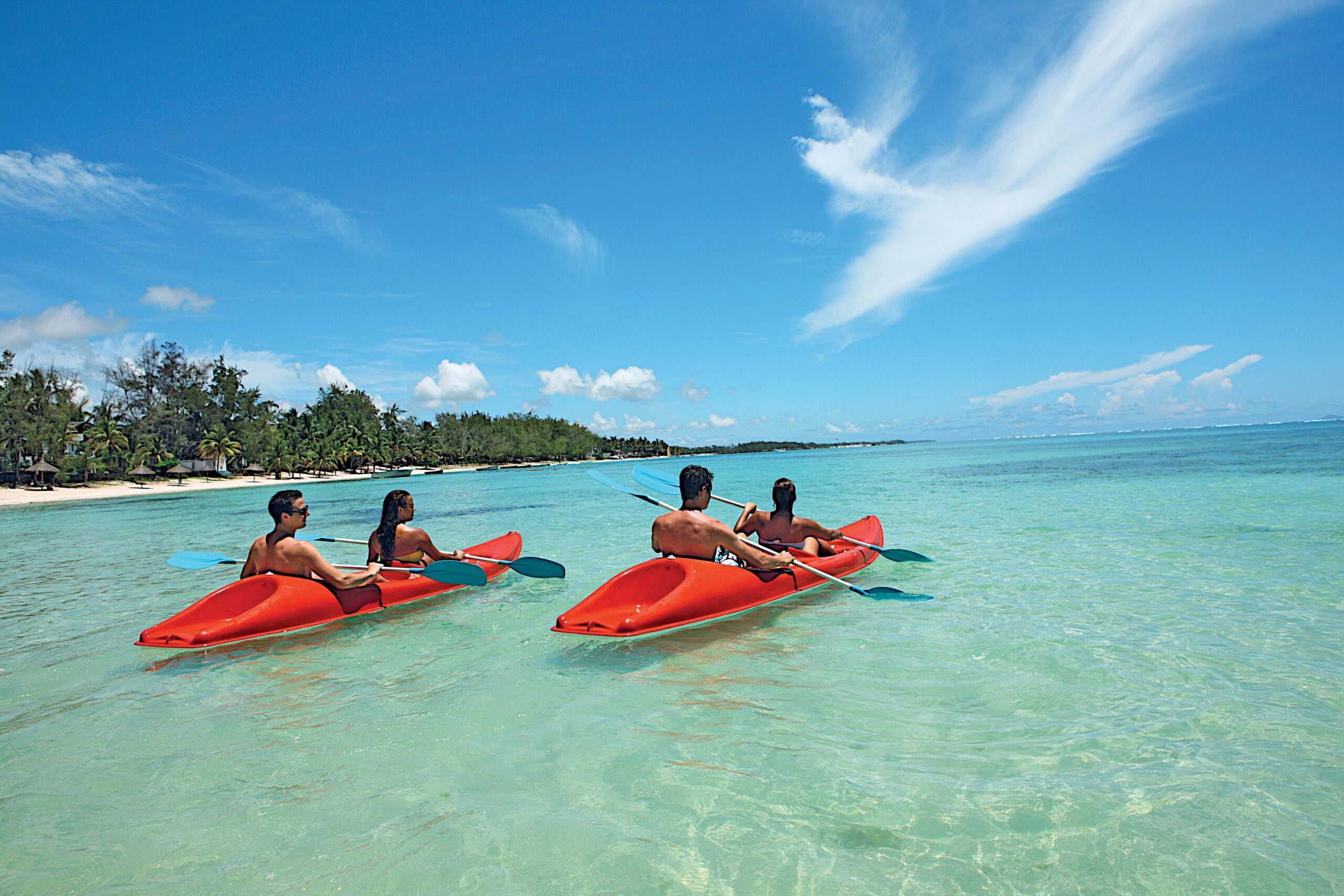
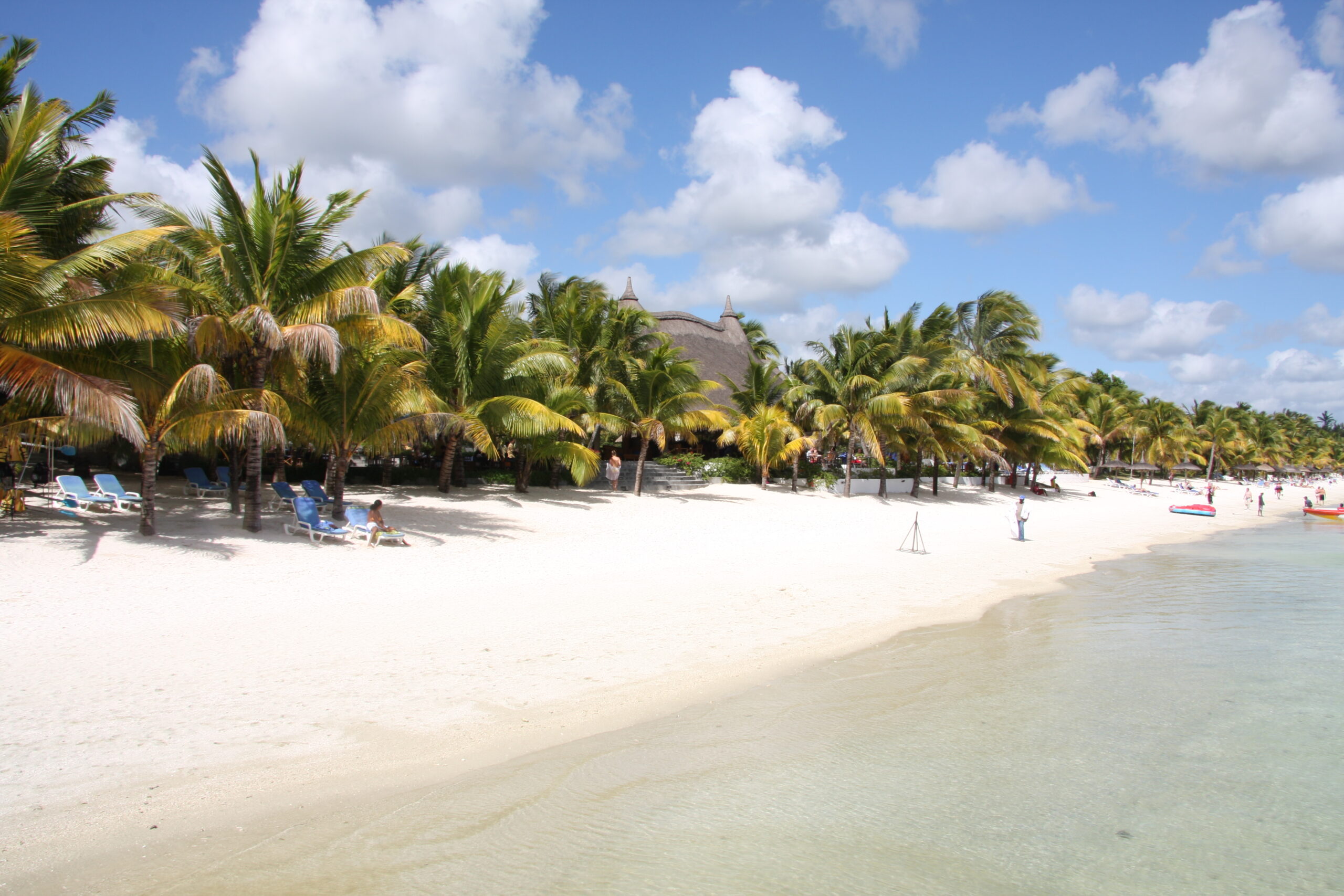
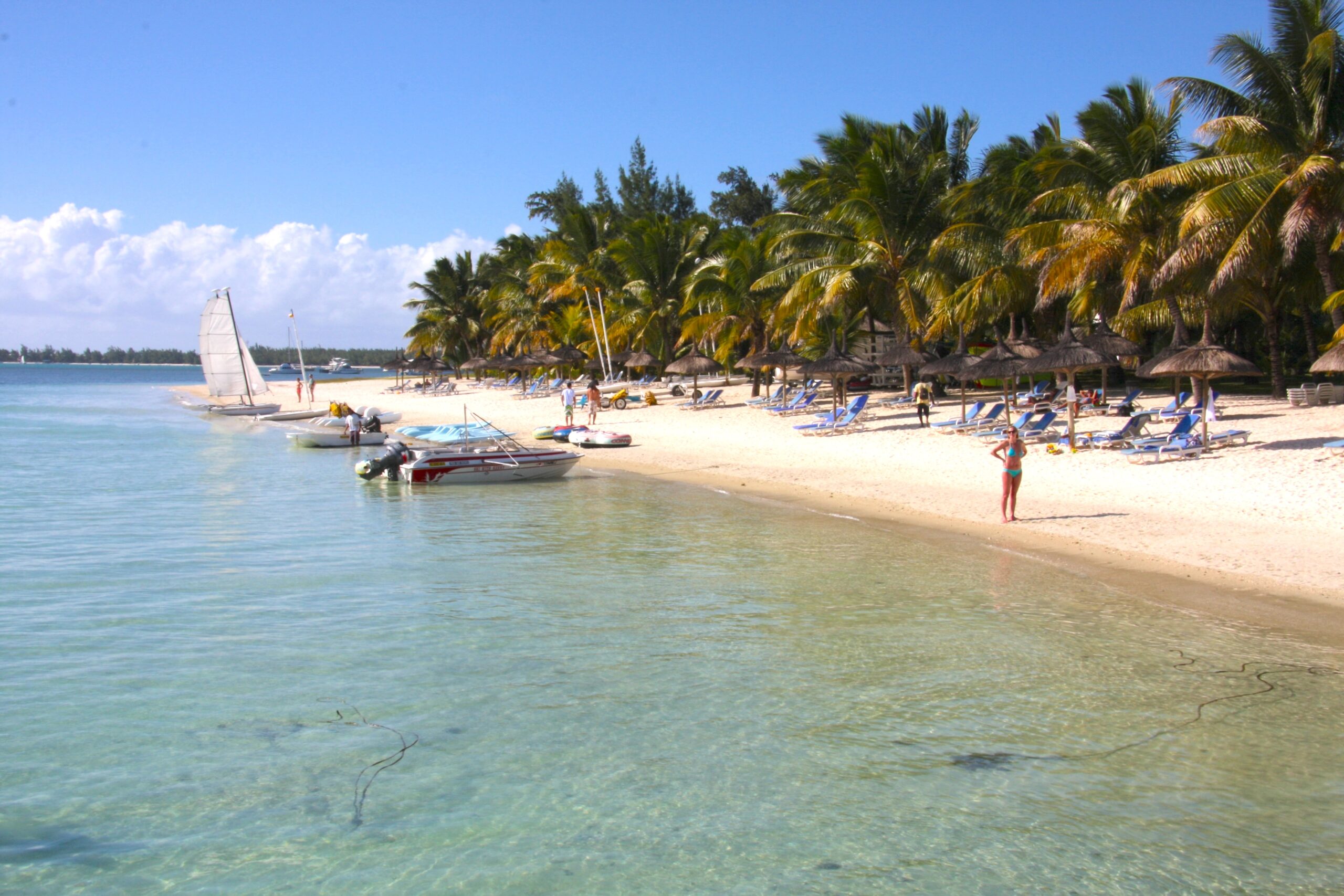
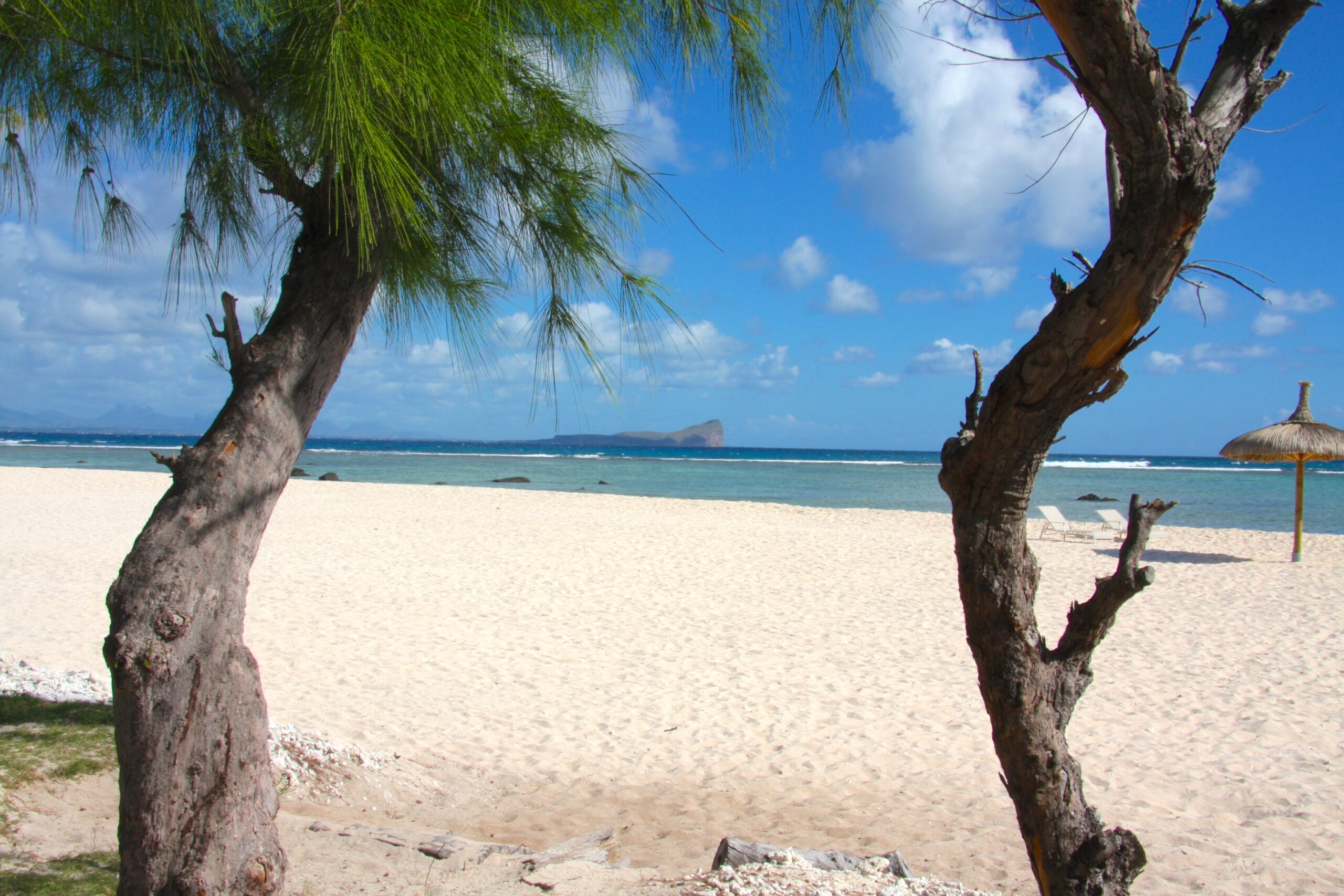
With over 330km of white sandy beaches and crystal clear water it is no wonder that Mauritius is such a popular beach holiday location! Mauritius offers some of the best watersport facilities in the world, including water-skiing, sailing, diving, snorkeling, kite-boarding and big-game fishing. The interior of the island is mountainous, and includes the Black River Gorges National Park, with gorges, lush rainforests, waterfalls and some excellent established hiking trails.
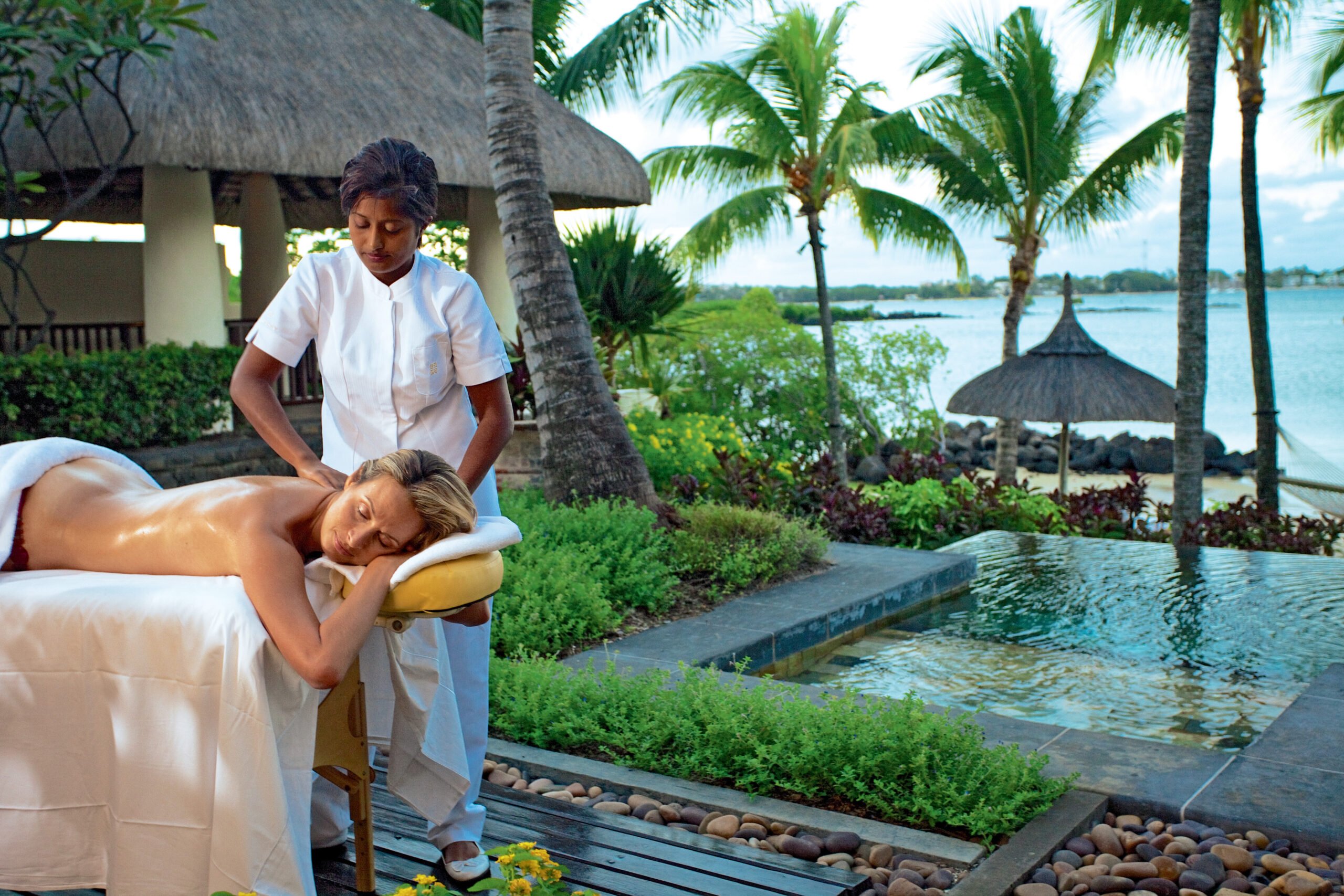
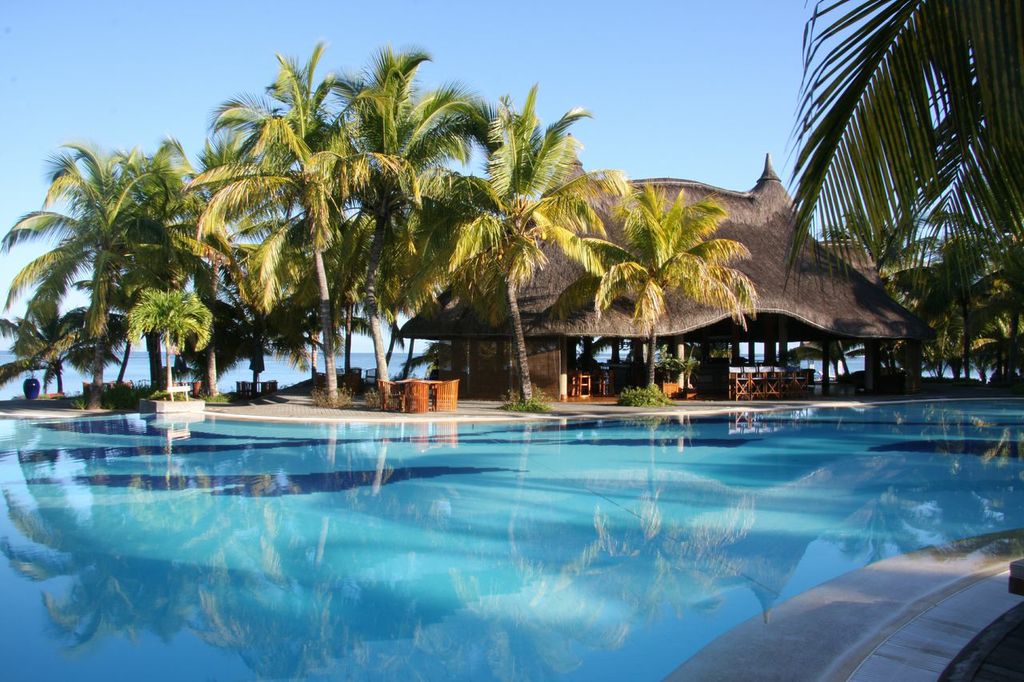
Boasting many excellent hotels, superb golf courses, spas, kids clubs, bustling markets, wonderful food and warm Creole hospitality, the island is the perfect vacation destination for honeymooners, families and groups of friends.
Money: The monetary unit is the Mauritian Rupee (Rs.) which is divided into 100 cents (cs). Credit cards are normally accepted by banks and most hotels, restaurants and tourist shops.
Language: English is the official language of Mauritius, although French dominates daily life, and the colloquial language spoken by everyone is Creole.
Food & Drink: Mauritian food is influenced by French, Creole, Indian, Chinese and even English cuisines and standards are generally high. Food is flavourful and often spicy, using lots of local vegetables and fruits as well as seafoods. Phoenix beer and island rums are popular drinks. Drinking age in Mauritius is 18. Leaving a 10% gratuity is normal practice at the end of a meal.
Dress: The basic rule here is relaxed dress. Shorts, t-shirts, sun dresses … sleeveless is OK, but nudity or topless sunbathing is not! Avoid synthetic fabrics as these will be too uncomfortable in the heat.
Mauritius's Top Attractions
What To Do in Mauritius
- Beach Resorts
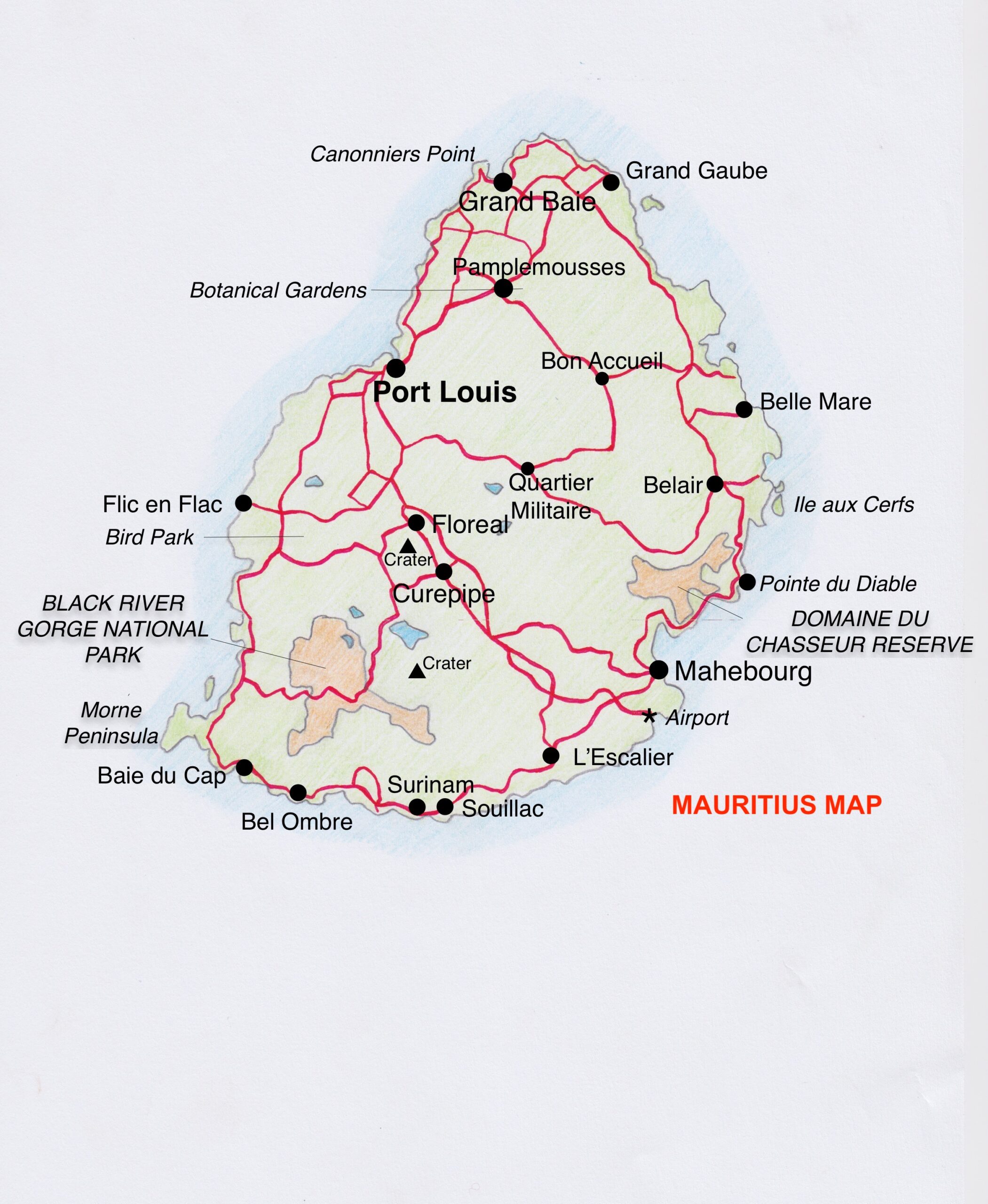
- Port Louis
- Pamplemousses Botanical Gardens
- Black River Gorges National Park
- Beach Vacations
- Family Holidays
- Honeymoons
- Snorkelling, Scuba Diving, Kite Surfing, SUPing, Kayaking
- Hiking
Where to Go
Mauritius Beaches
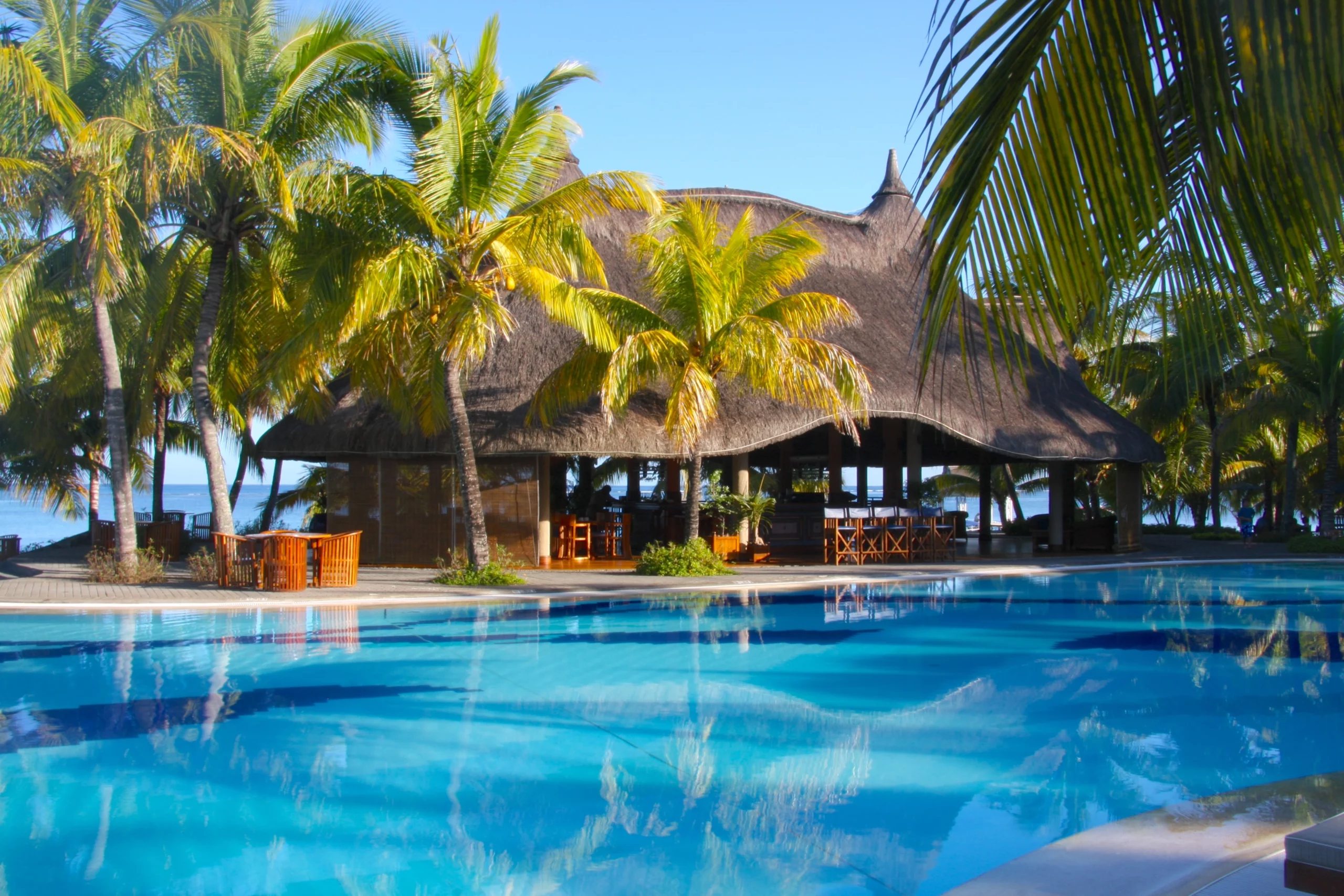
Soft white sands on palm-fringed beaches lapped by crystal turquoise waters … Mauritius is a tropical island paradise, with well-developed beach resorts and hotels offering every kind of water sport from diving and snorkelling to paddle boats, SUPs, kayaking, kite surfing and windsurfing. Here’s a few of our favourites!
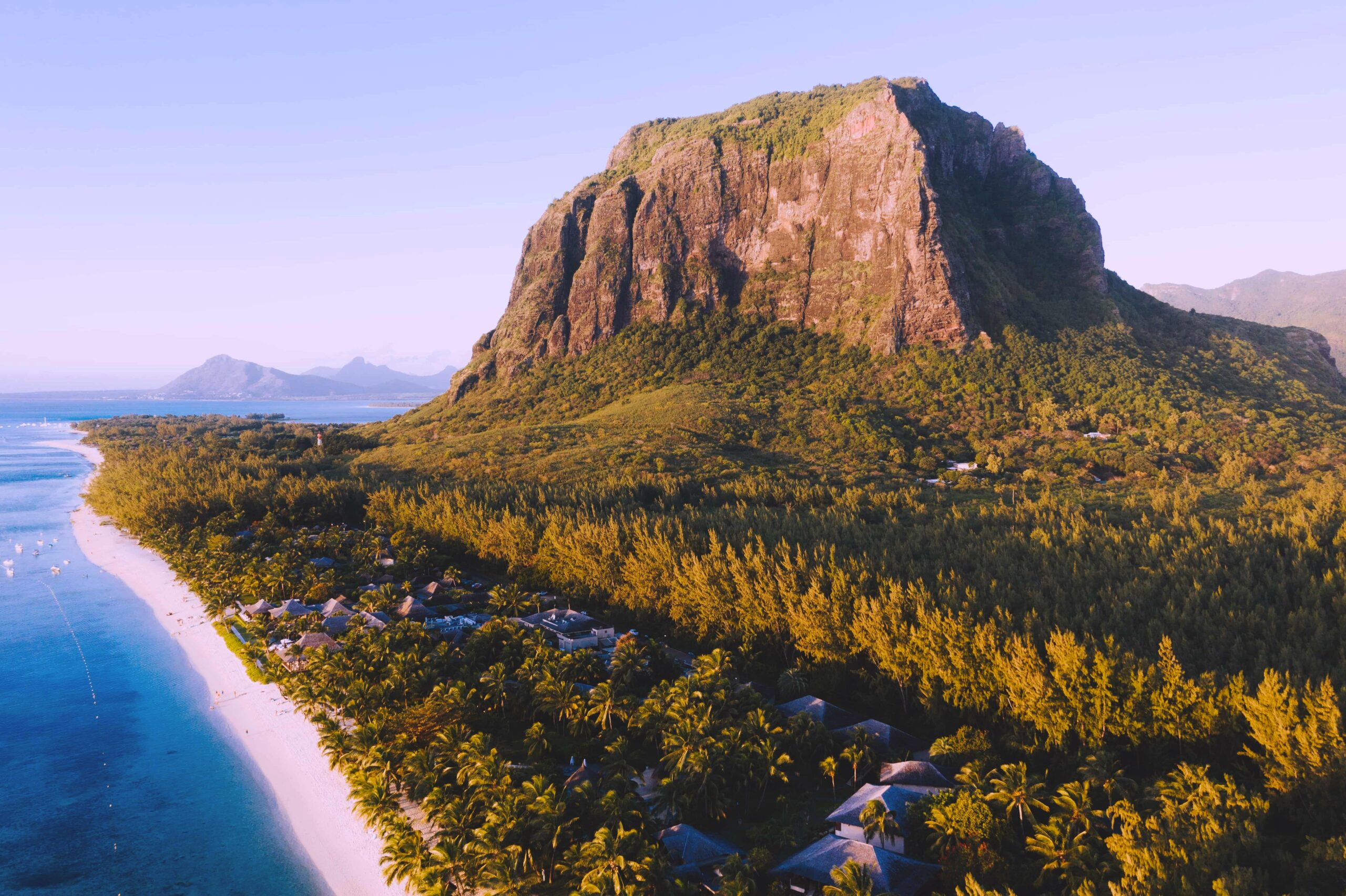
Le Morne: Instagram-worthy, Le Morne peninsula boasts over 4km of pristine white sandy beach, with the dramatic backdrop of Le Morne Brabant Peak. Popular with those who want to just relax on the beach, as well as kitesurfers.
Ile Aux Cerfs: An east coast island playground with a white sandy beach, well protected by the reef so the water is very calm. Lots of water sports on offer, including water skiing,windsurfing and catamaran cruises, as well as a spectacular 18-hole golf course.
Flic en Flac: One of the longest beaches on the island, Flic en Flac is great for swimming and snorkelling. To the north it’s a busy public beach, with luxury resorts sprawling along the southern end. Great for sunsets.
Tamarin Beach: Close to Flic en Flac, this spectacular onyx-sand beach is popular with locals and tourists alike for its natural beauty and chilled vibe. There’s limited reef protection here, and with powerful currents along the coast, it’s not great for swimming, but popular with surfers. You’ll often see dolphins in the bay early in the morning.
Belle Mare Plage: Located on a pristine six-mile stretch of the northeast coast, Belle Mare is the ultimate Indian Ocean island fantasy of soft white sand, mangroves and turquoise lagoons. It’s less developed than the north and west of the island, but there are a number of upmarket resorts here.
Trou aux Biches: Close to Grand Baie, this former fishing village turned coastal town is home to a one-mile stretch of silver-tinged sand that’s one of the prettiest beaches on the island. There are plenty of watersports to choose from here, or relax with a G&T under a thatched beach umbrella as the waves gently lap the beach.
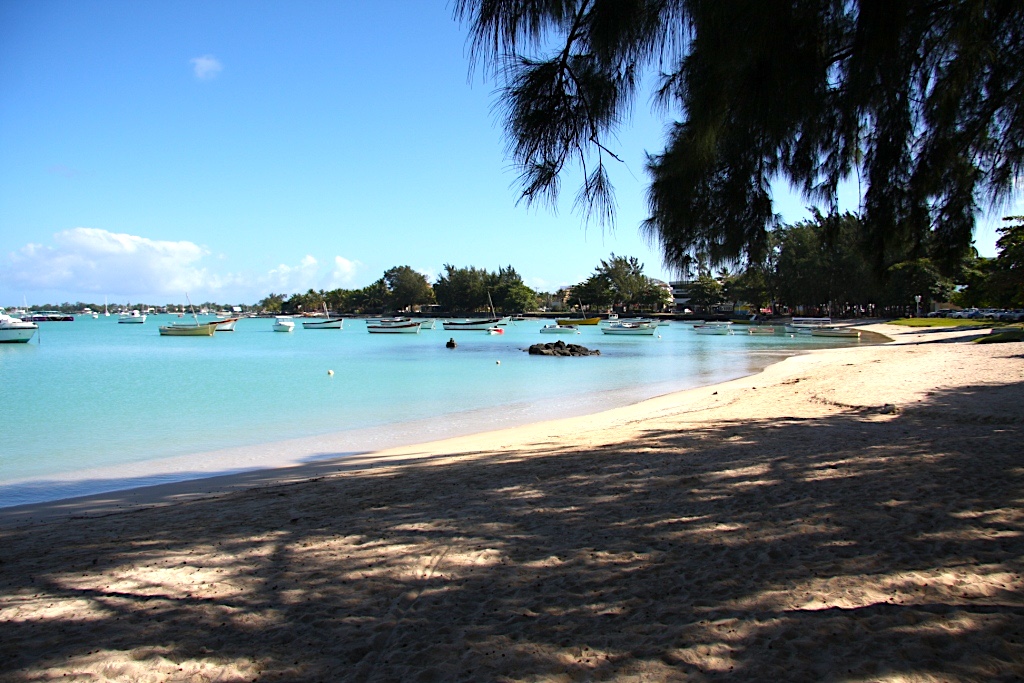
Grand Baie: The large and lively public beach in the seaside town of Grand Baie is popular for watersports. It’s also the departure point for many of the deep-sea fishing boats, and excursions to nearby idyllic secluded coves and beaches.
Mont Choisy: Located in the north west, Mont Choisy is Mauritius’s longest beach, stretching from Trou aux Biches to Pointe aux Canonniers. The beach curves around a calm turquoise sea, and is fringed by casuarina trees. It’s a popular spot for families
Pereybere: This small beach just to the north of Grand Baie is a favourite with tourists. With calm waters, soft sand and coconut palms, it has everything you want for a busy tropical beach – and that includes food stalls and lively bars
Gris Gris: Located on Mauritius’s dramatic south coast, close to Souillac, Gris Gris is known for extreme rock formations, crashing waves and majestic views. It’s not a place for relaxing on a sun lounger, but great for a beach walk.
Port Louis
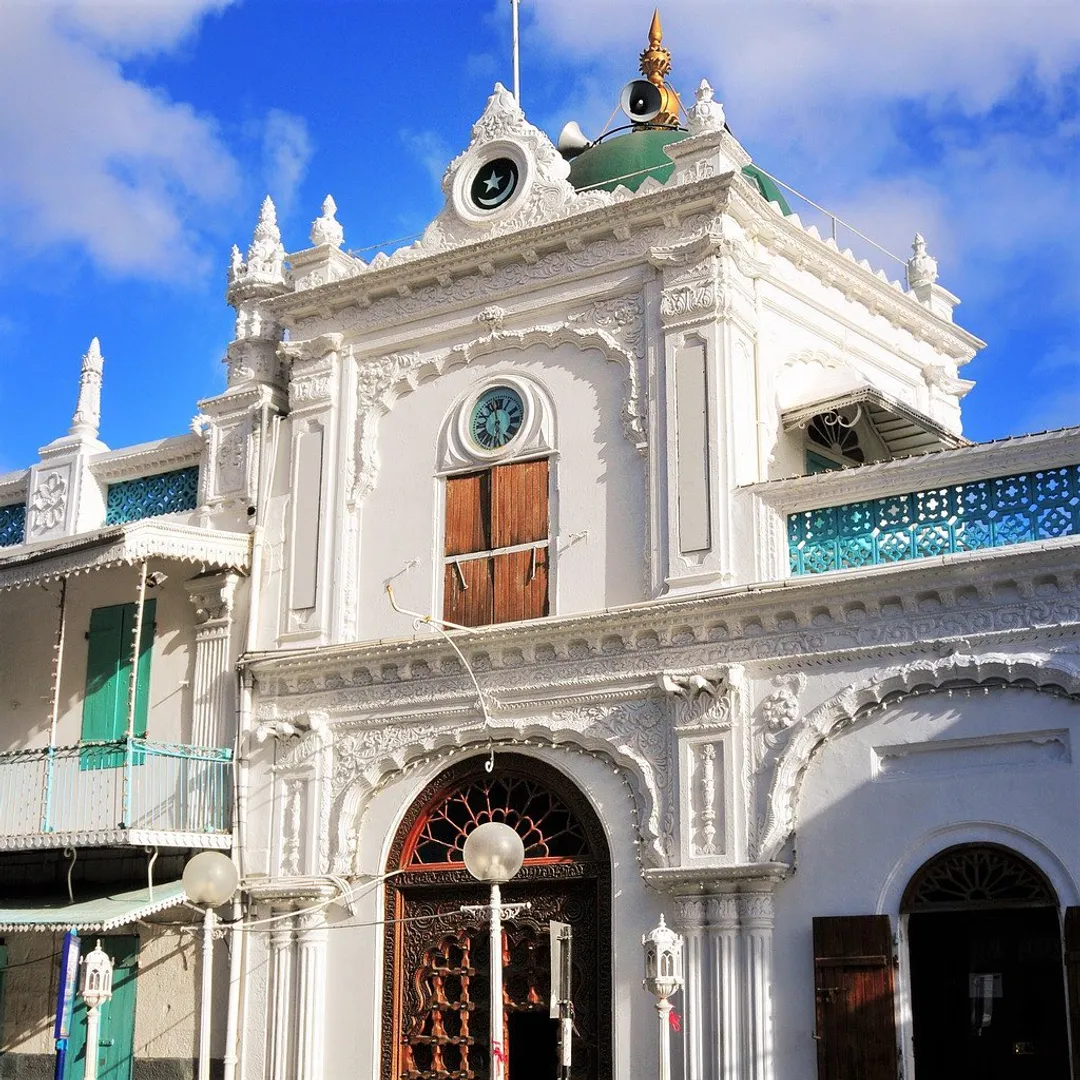
Mauritius is an island influenced by its colonial history, its Creole heritage and immigrants from India and beyond. This multicultural mix gives Mauritius its unique energy, and cuisine. A great way to experience both the heritage and food is on a walking tour of the capital, Port Louis.
Walking tours last around 3 hours, and explore the Caudan Waterfront, China Town and Les Jardins de la Compagnie. You have the opportunity to taste delicious Mauritian street foods as well as traditional Chinese sweets. It’s a great way to explore the city and gain an insight into the authentic lifestyles of the locals.
Sir Seewoosagur Ramgoolam Botanical Gardens
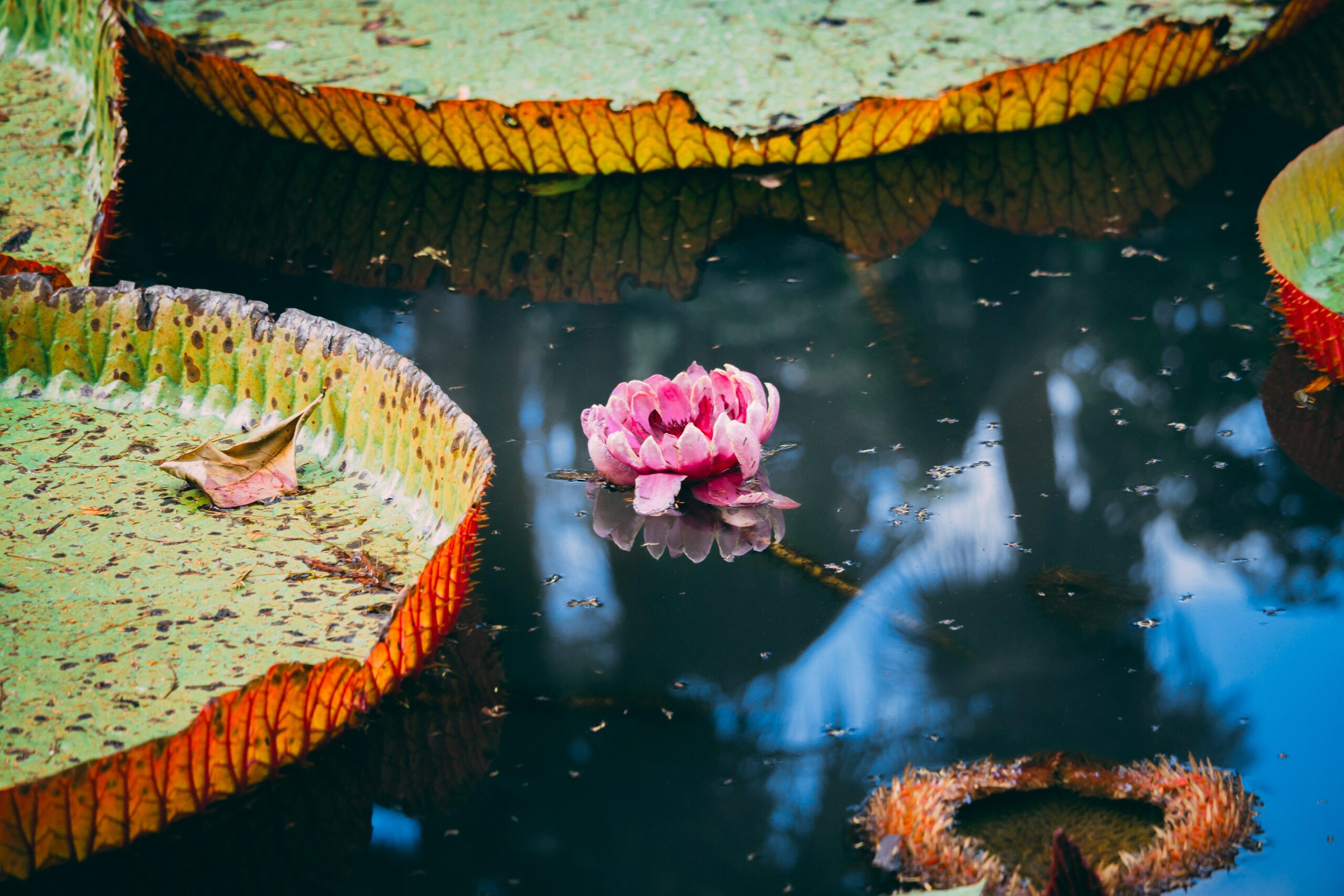
Located in the north west of the island, about 11km from Port Louis, Sir Seewoosagur Ramgoolam Botanical Gardens (also called Pampelmousses) is home to more than 500 plant species from around the world, including many palm trees and the giant Victoria Regina water lilies. Java Deer and giant tortoises roam here.
Climate & When to Visit Mauritius
|
|
Jan |
Feb |
Mar |
Apr |
May |
June |
July |
Aug |
Sept |
Oct |
Nov |
Dec |
|
Mauritius |
✓ |
✓ |
✓✓ |
✓✓✓ |
✓✓✓ |
✓✓✓ |
✓✓✓ |
✓✓✓ |
✓✓✓ |
✓✓✓ |
✓✓✓ |
✓✓✓ |
Mauritius has a generally warm and humid subtropical climate, and is a beautiful holiday destination for most of the year. The summer months from October to April are hot and humid, and the winter months from May to September are cooler and drier. Evening temperatures in July and August can be cool due to the strong trade winds, although daytime beach temperatures reach highs of 24°C – 26°C, and the sea remains warm.
Cyclones can threaten the island during January and February, although this doesn’t occur every year.
Mauritius is a wonderful all-year-round destination, but for scuba diving, snorkelling and fishing we recommend travelling from October to December, or March to April, to avoid the cyclone season. For visitors wanting to surf or kite surf, July and August are great months, particularly staying in the east or south-east of the island.