What to Expect
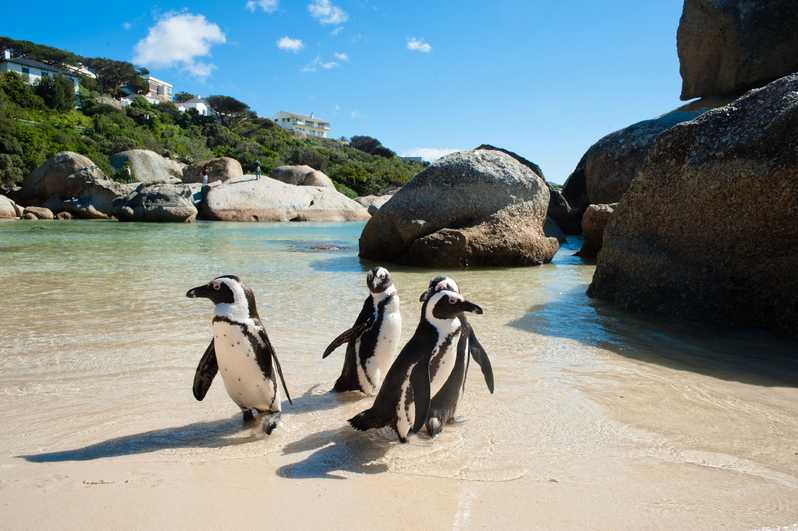
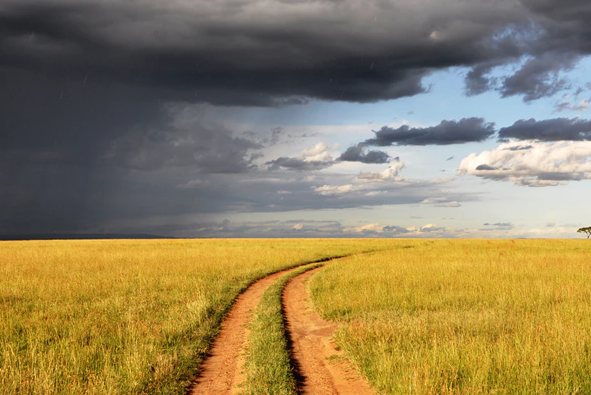
Situated at the tip of Africa, and bordered by both the Atlantic and Indian Oceans, South Africa is often referred to as “a world in one country”. Blessed with extraordinary natural beauty, South Africa has a long and beautiful coastline of sandy beaches, lush vineyards, dramatic mountain ranges, unspoilt desert regions, and some of the world’s finest wildlife reserves.
It is one of the most culturally diverse countries in Africa, with 11 official languages and a melting pot of indigenous peoples. Traditional cultures and ancient customs blend with modern global trends, creating a heady mix of first and third world.
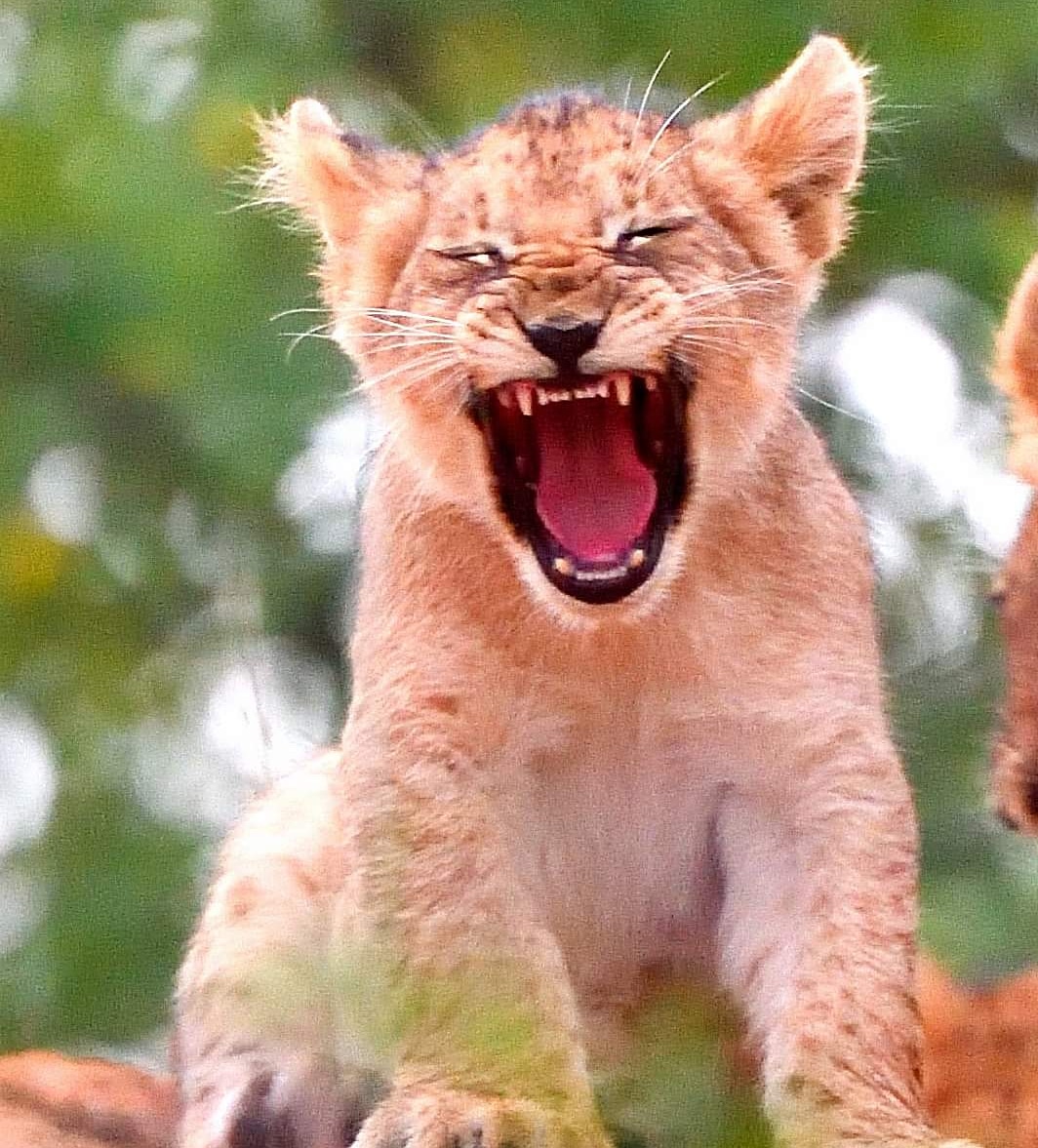
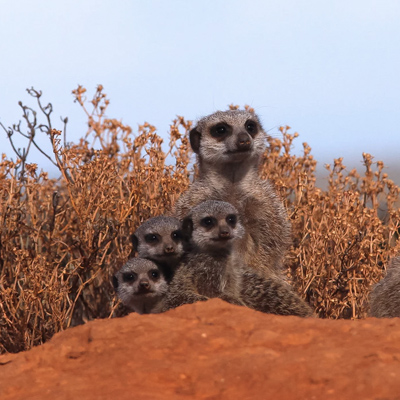
Most visitors to South Africa come on safari, and with abundant wildlife, including the “Big 5” (lion, leopard, rhino, elephant and Cape buffalo), game viewing is almost always superb. During the winter months (July – November) the huge Southern Right whales return to our shores. Combine your wildlife safari with the urban and sophisticated delights of Cape Town, or a beach holiday, and you’ll see why the Rainbow Nation of South Africa is truly the Jewel in Africa’s Crown.
Money: The South African currency is the Rand (ZAR) which is divided into one hundred cents. Notes are in denominations of R200, R100, R50, R20 and R10, and coins are in denominations of R5, R2, R1 and 50c, 20c and 10c. MasterCard and Visa are widely accepted. American Express is accepted by most restaurants, hotels and larger retailers. Petrol stations accept Visa and Mastercards. You can withdraw cash (ZAR) from ATM machines with most international credit cards.
Language: There are 11 official languages in South Africa: Sepedi, Sesotho, Setswana, siSwati, Tshivenda, Xitsonga, Afrikaans, English, isiNdebele, isiXhosa and isiZulu. Most people are bi- or tri-lingual, speaking their local (regional or tribal language) as well as English or Afrikaans. English is very widely spoken.
Food & Drink: South African cuisine is as diverse as its culture. Expect excellent quality food whilst on safari, at hotels or in restaurants. South Africa, particularly Cape Town, is known for its innovative gastronomy! Combine this with superb South African wines, and it’s little wonder epicurean tourism is a growing trend in South Africa! Traditional foods are well worth trying, including Bobotie (a fruity, curried Cape Malay dish), biltong and droëwors (dried meat and sausage), mealie pap (maize porridge), sweet treats such as koeksisters and melktert, and of course the ubiquitous braai (barbeque) meats!
Dress: The dress code in South Africa is generally “stylishly casual”. A good pair of shorts with a shirt will be accepted in most restaurants. Lightweight, cotton clothing with sandals works well in the African heat. For safaris, pack natural fibres, neutral colours and a good pair of walking shoes. Sun hats and good sunglasses, swimwear and a sarong. Cape Town and the Western Cape can experience “four seasons in one day”, so a lightweight warm jacket is a good idea.
Travelling Around South Africa
Regular domestic flights operate between major cities in South Africa, as well as to tourist destinations such Nelspruit, Hoedspruit and Skukuza (for the Greater Kruger Park).
Self-drive vacations in South Africa are popular. Roads in the Western Cape are generally well-maintained, and are clearly signposted (in English). Roads throughout the rest of the country are less well-maintained with frequent potholes, and we don’t recommend driving at night.
Driving is on the left. An International Driving License is recommended. For those who don’t want to drive, sit back and relax and let one of our qualified and knowledgeable local guides show you around!
South Africa's Top Attractions
What To Do in South Africa
- Cape Town
- The Cape Winelands
- The Garden Route
- Kruger National Park & Great Kruger Private Game Reserves
- Kgalagadi Transfrontier Park & Kalahari Desert
- Malaria-Free Safaris
- Cosmopolitan Beach & Bush Safari Vacations
- Big 5 Safaris
- Family Holidays & Safaris
- Adventure Holidays
- Self-Drive Vacations
Where to Go
Cape Town
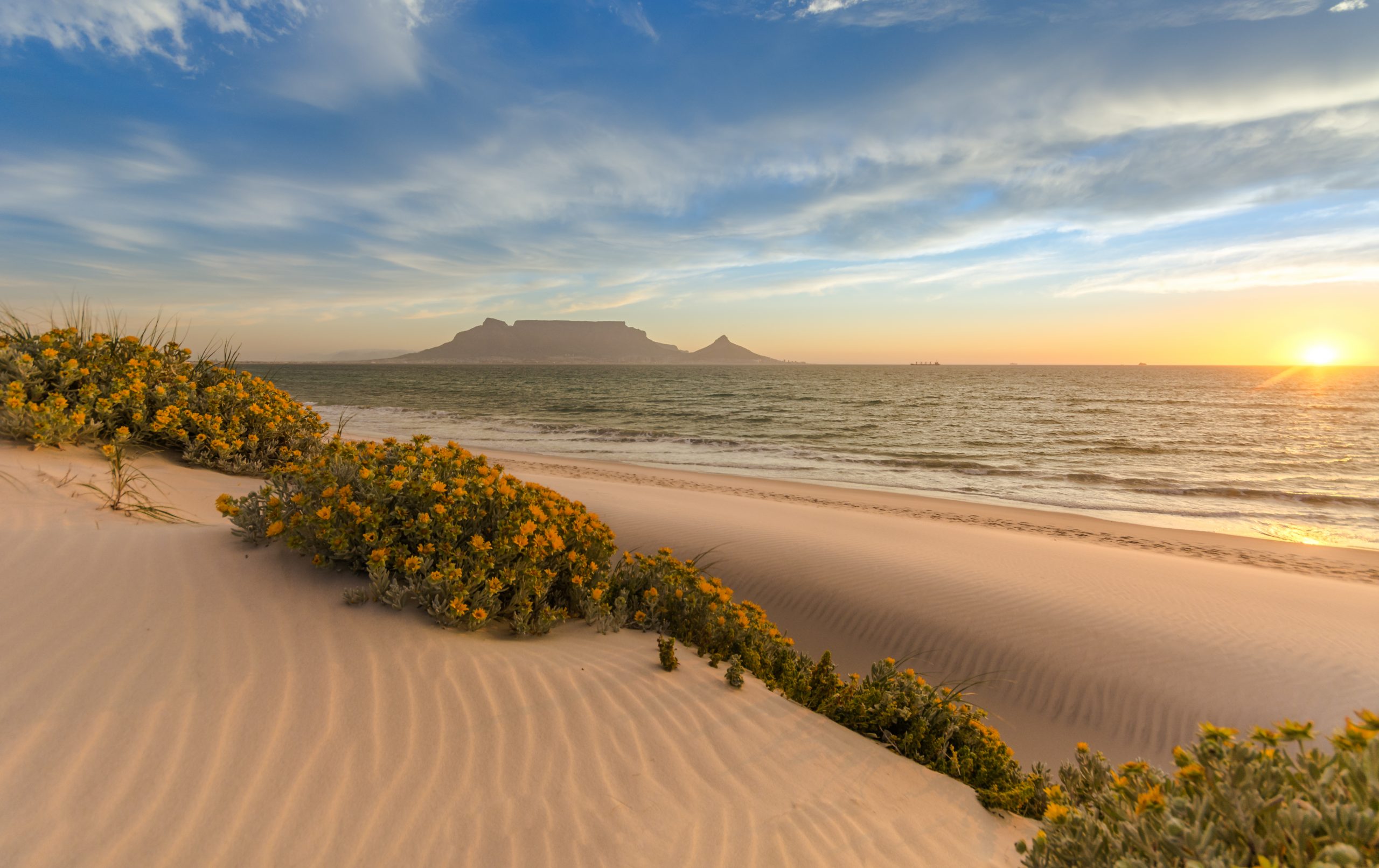
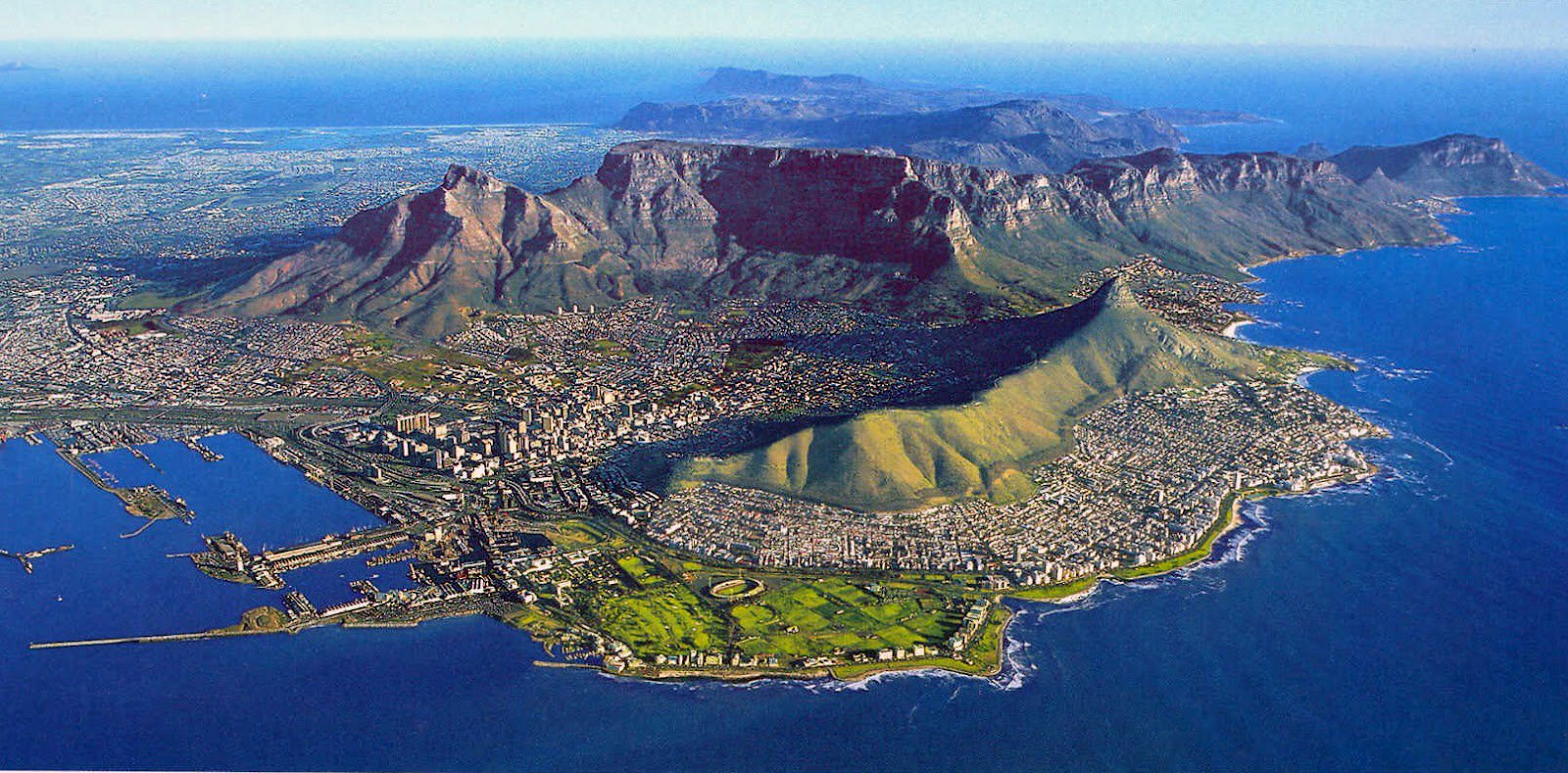
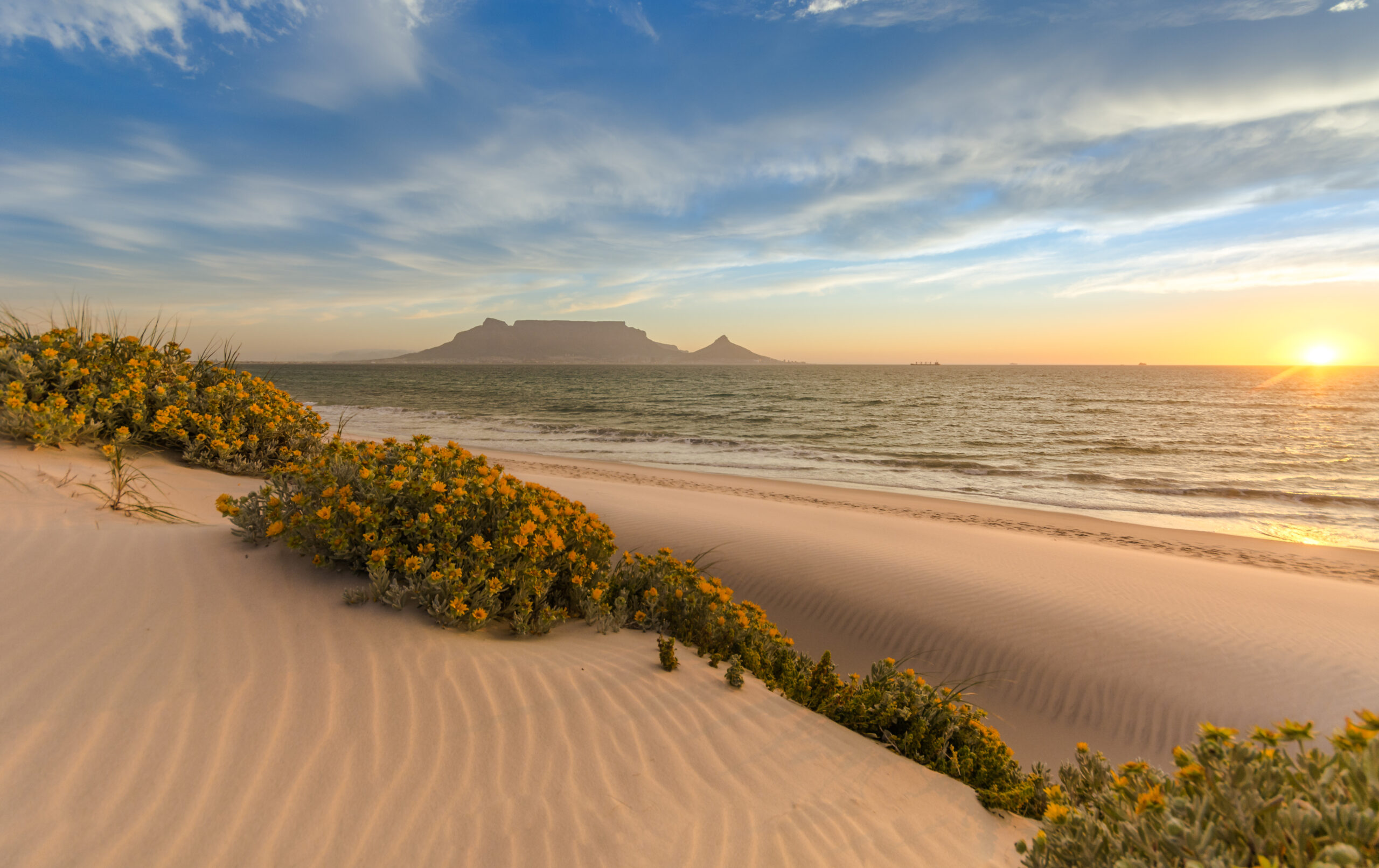
Cape Town, often called “the Mother City” is known for its natural beauty, the iconic Table Mountain, rich history and vibrant culture, and with a wide range of activities and cosmopolitan shops and restaurants, it’s allure as an international tourist destination is undeniable.
Outdoor Playground: Take the cableway to the summit of Table Mountain or hike up one of the many trails. The mountain is also part of the Table Mountain National Park, which includes a variety of ecosystems and is home to unique flora and fauna. A drive around the Cape Peninsula showcases other natural attractions – the Cape of Good Hope, the Kirstenbosch National Botanical Gardens, and the city’s many sandy beaches which are perfect for relaxation or water sports. These natural wonders not only offer stunning visual appeal but also serve as playgrounds for outdoor enthusiasts.
History: Cape Town’s history is as rich and varied as its landscapes. The city played a pivotal role in the colonial era as a strategic port and supply station for ships traveling between Europe and the East. This historical backdrop is evident in landmarks such as the Castle of Good Hope, the oldest surviving colonial building in South Africa, and Robben Island, where Nelson Mandela was imprisoned for 18 years. Robben Island is now a UNESCO World Heritage Site and a poignant symbol of the struggle against apartheid, offering guided tours that educate visitors about South Africa’s journey towards democracy. The District Six Museum provides another layer of historical insight, chronicling the forced removal of 60,000 inhabitants during the apartheid era. The Bo-Kaap neighbourhood, with its brightly colored houses and cobblestone streets, is historically a Muslim area with a strong Cape Malay heritage. These historical sites offer a deep understanding of Cape Town’s past and present, enriching the visitor experience with context and perspective.
Culture, Creativity & Cuisine: Today Cape Town is a melting pot of cultures, and its diverse population offers a vibrant blend of African, European and Asian influences, festivals, and cuisine. Visitors can enjoy local dishes such as bobotie (a spiced minced meat dish with an egg-based topping), bredie (a traditional stew), and an array of seafood, freshly caught from the surrounding oceans.
Cape Town’s vibrant arts, craft and community markets, such as the Neighbourgoods Market at the Old Biscuit Mill, the Organic Zone Market (Oz Market) at the Waterfront, and the Bay Market in Hout Bay offer unique shopping experiences where visitors can purchase local art, handmade crafts, and gourmet food items. These markets are a great way to support local artisans and take home a piece of Cape Town’s creativity.
Cape Town is a city of endless possibilities. For adventure seekers, the surrounding mountains and oceans provide ample opportunities for hiking, surfing, kiteboarding, and paragliding. Shark cage diving in Gansbaai, about two hours from Cape Town, offers an adrenaline-pumping experience for those daring enough to come face-to-face with great white sharks. Wine enthusiasts can explore the nearby Cape Winelands, from Constantia to Franschhoek, Stellenbosch, Paarl, the Hemel-en-Aarde Valley and beyond.
The Cape Winelands
The expansive Cape Winelands lie just one hour’s drive east of Cape Town. One of the first areas of South Africa settled by Europeans, the region’s three main towns – Franschhoek, Paarl and Stellenbosch form the heart of this spectacularly picturesque region. With quite literally hundreds of wine estates, an epicurean feast of fine-dining restaurants, charming road-side cafés, markets and farm stalls, and equisite shops, the Cape Winelands are a cosmopolitan delight. It’s easy to spend several days here. Explore on foot, on horseback, use the wine trams or mountain bikes. Sip wines in the glorious vineyards, and relax in the luxury of splendid guesthouses and boutique hotels.
The Garden Route
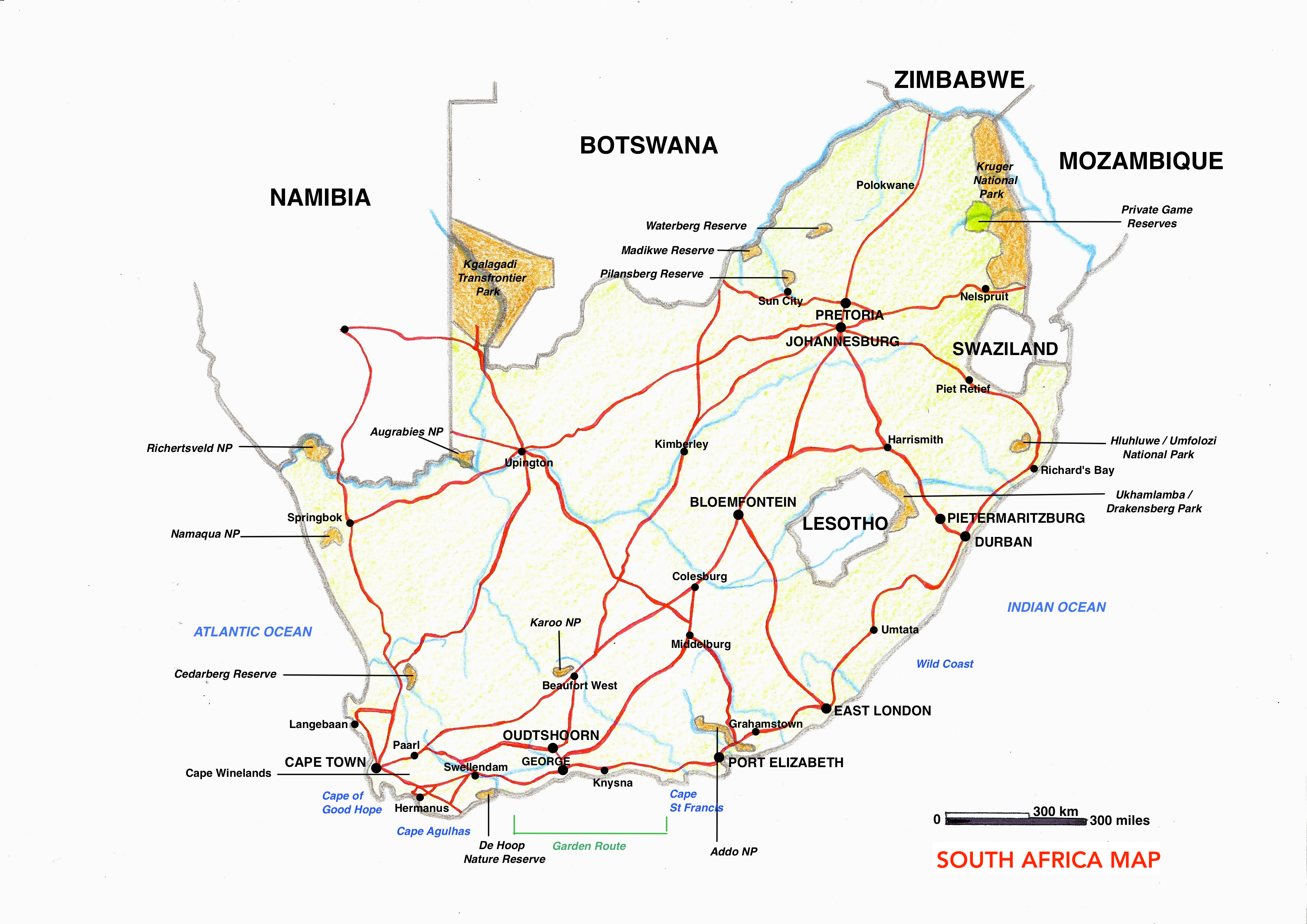
A popular self-drive destination, South Africa’s Garden Route is a picturesque stretch of coastline in the Western and Eastern Cape. From Cape Town in the west, the full length of the 800km coastal drive takes you to Port Elizabeth (Gqeberha) in the east. With a backdrop of mountain ranges to one side and the Indian Ocean to the other, The Garden Route showcases beautiful beaches, ancient forests, vast orchards and farmlands, lagoons and pretty towns in which to stay. Numerous detours off the national road are worth exploring, taking “the road less travelled” to discover some of the many hidden delights of the region.
The Garden Route offers a wealth of activities, from whale-watching to bungee jumping, zip lining, hiking, fine dining, mountain biking, wine tasting, shark cage-diving, craft distillery and brewery tours, deep-sea fishing, caving and much more. The region has a good selection of malaria-free and family-friendly safari lodges and camps, making it one of South Africa’s premier vacation destinations.
Kruger National Park and Greater Kruger Private Reserves
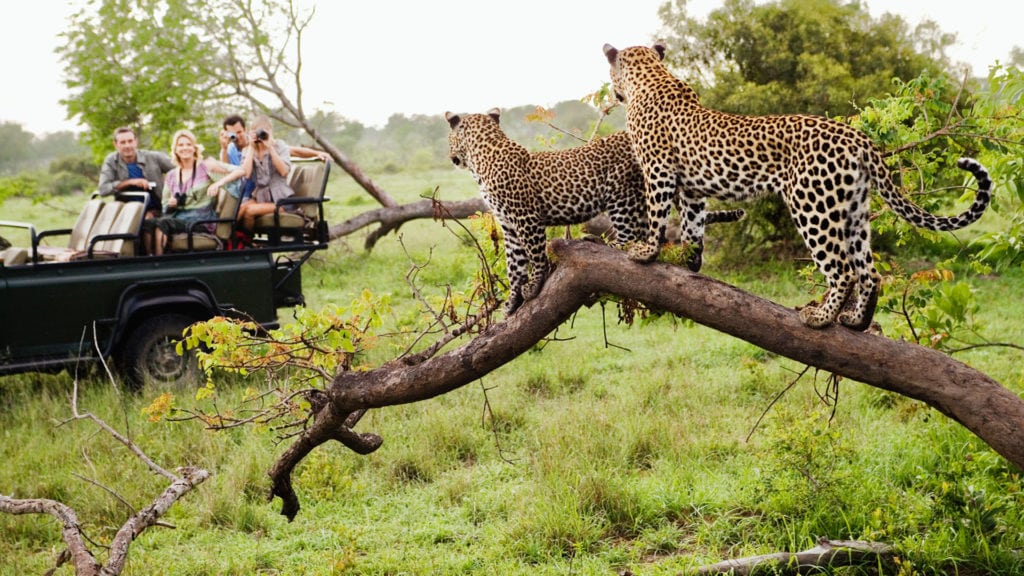
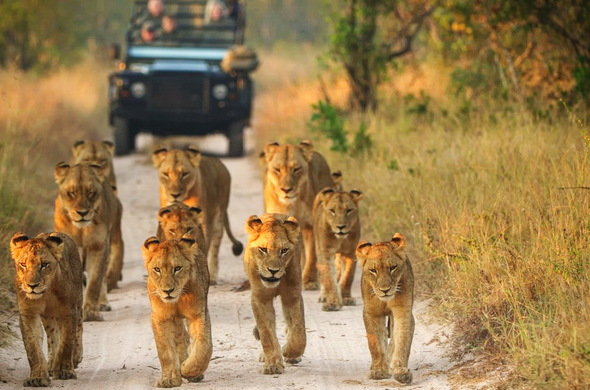
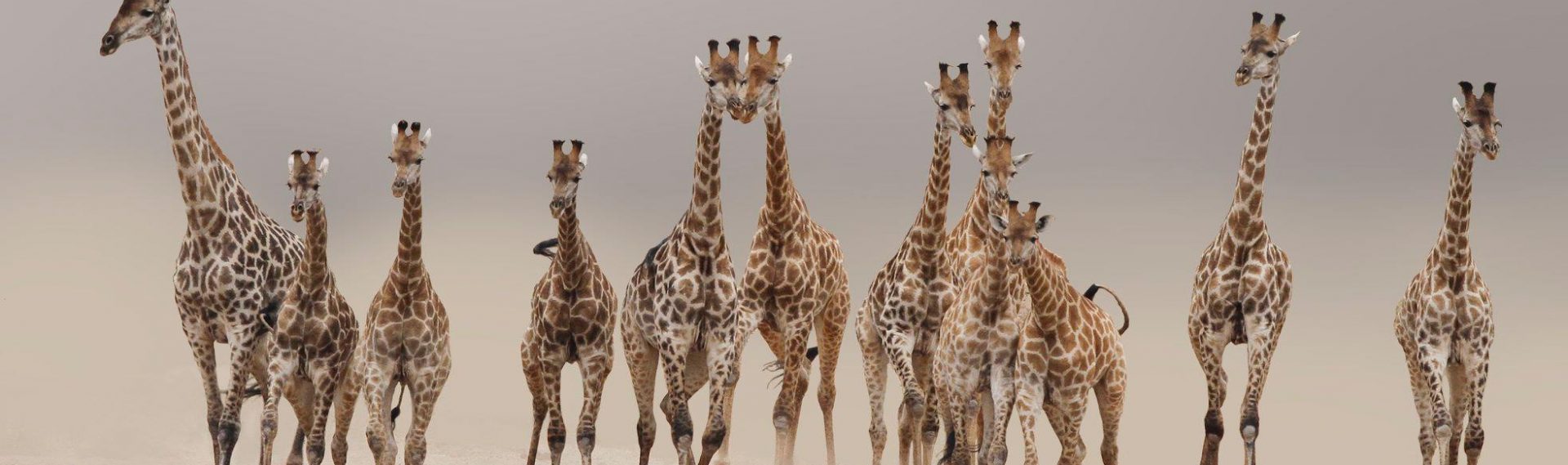
The Kruger National Park and the adjacent Great Kruger private reserves together form one of Africa’s premier safari destinations. Spanning nearly 20,000 square kms, this vast expanse of wilderness in northeastern South Africa is a sanctuary for abundant and diverse wildlife, including all of the “Big 5” (lions, leopards, rhinos, Cape buffalo and elephants) as well as cheetahs, hippos, crocodiles, giraffes, zebras, and numerous antelope species. With a list of over 500 bird species, the region is additionally a superb destination for birdwatchers.
Adjacent to the Kruger National Park are several private game reserves collectively known as the Great Kruger Private Reserves. These include the Sabi Sands, Thornybush, Timbavati, Manyeleti, Klaserire and Balule reserves, among others. These private reserves share unfenced borders with Kruger, allowing animals to roam freely between the protected areas.
The Private Reserves are renowned for their luxurious accommodations, ranging from opulent lodges to intimate tented camps. These lodgings provide high levels of comfort, gourmet dining, and personalized service, ensuring a memorable and indulgent safari experience. These reserves offer several advantages over the public areas of the Kruger National Park, including exclusive game viewing, off-road driving, and more personalized safari experiences.
Exclusive Game Viewing: Private lodges and camps offer twice-daily game drives with expert guides and trackers. With a limited numbers of vehicles, guests enjoy a more private and intimate wildlife experience, free from the crowds that can sometimes be found in the national park.
Off-Road Driving: Guides in private reserves are permitted to drive off-road in pursuit of wildlife sightings, increasing the chances of close encounters with animals.
Night Drives and Bush Walks: Private reserves offer night drives and bush walks, activities that are restricted within the national park. Night drives provide an opportunity to see nocturnal animals, while bush walks offer a chance to experience the bush up close and learn about the intricate details of the ecosystem, diving guests a deeper connection to the environment.
Photography: Many lodges offer specialized photographic safaris, with guides experienced in helping guests improve their photographic skills in search of capturing the perfect shot!
Wellness and Relaxation: Many luxury lodges feature spas, with treatments that range from massages to facials, allowing guests to unwind and rejuvenate in the midst of the wilderness.
Well suited for first time safari-goers, and families, the Greater Kruger Private Reserves provide unforgettable adventures in a premier safari destination, with easy access by road and air, first class safari lodges and camps, and superb guiding.
Kgalagadi Transfrontier Park & Kalahari Desert
Nestled in the heart of the Kalahari Desert, straddling the border between South Africa and Botswana, the Kgalagadi Transfrontier Park is a unique and captivating safari destination. Spanning over 38,000 square kms, this vast wilderness is renowned for its striking landscapes, abundant desert-adapted wildlife, and opportunities for solitude and adventure. For international tourists seeking an authentic and off-the-beaten-path safari experience, the Kgalagadi Transfrontier Park offers an unparalleled journey into one of Africa’s most remote and pristine environments.
The Kgalagadi Transfrontier Park is one of the largest conservation areas in the world. The park’s semi-arid savannah is characterized by red sand dunes, sparse vegetation, and ancient riverbeds, creating a dramatic backdrop for wildlife viewing. The park’s remoteness and low visitor numbers ensure a sense of exclusivity and tranquility that is rare in more frequented safari destinations.
The Park is home to a diverse array of wildlife, adapted to the harsh desert conditions. While it may not boast the “Big Five” in their entirety, it offers unique and fascinating species that make for an extraordinary safari experience. Predators include Kalahari black-maned lions, leopards and cheetah as well as both spotted and brown hyenas. Gemsbok (Oryx), Springbok, Eland and Wildebeest are frequently seen. Birdwatchers will find the Kgalagadi a paradise with other 200 species recorded here.
The Park is a popular self-drive safari destination. Accommodation is in relatively rustic, but comfortable, National Park camps. A 4×4 vehicle is strongly recommended.
Malaria-Free Safari Destinations
There are several regions in South Africa where you can enjoy a safari without the need for anti-malarial precautions. These malaria-free areas offer a variety of activities, rich wildlife, and comfortable accommodations. Malaria-free safari destinations include:
Madikwe Game Reserve: Located in the North West of the country, close to the border with Botswana, Madikwe Game Reserve is one of South Africa’s largest malaria-free reserves, covering 75,000 hectares. It is renowned for its diverse wildlife, including all of the Big 5 as well as cheetah, wild dog, giraffe, brown hyena and a variety of antelope species. The reserve is also a haven for birdwatchers, with over 300 bird species recorded.
Luxury lodges and tented camps offer guided game drives twice-daily, as well as guided bush walks and bird watching. Many of the accommodations are particularly well equipped for families, offering child-minding and kids clubs, giving parents time off to relax!
The Waterberg Plateau and Welgevonden Game Reserve: Stretching over 15,000 square kms, the UNESCO-designated Waterberg Biosphere Reserve is characterized by its dramatic landscapes, including rugged mountains, rolling savannahs, deep valleys, and lush wetlands. This region is an excellent choice for international tourists seeking a malaria-free safari experience in a less crowded and more pristine environment. Conservation efforts and sustainable tourism practices make it an ideal destination for eco-conscious travellers.
This is not a Big 5 region, but both black and white rhinos, leopards, buffalo, a variety of antelope species, giraffe and elephant can be seen here. A wide range of activities are available including the usual game drives, bird watching and bush walks, as well as horseback safaris, cultural tours and hiking.
Family-friendly luxury lodges and camps cater for active families wanting more from their safari. Whether you’re exploring on horseback, tracking rhinos on foot, or simply relaxing poolside, the Waterberg Plateau promises an unforgettable and safe family safari experience.
The Eastern Cape: From the expansive Addo Elephant National Park to the luxurious Shamwari Game Reserve, eco-friendly Amakhala Game Reserve, and the captivating Mountain Zebra National Park, visitors can enjoy diverse wildlife, engaging activities, and top-notch accommodations without the worry of malaria. These destinations provide the perfect blend of adventure, relaxation, and conservation, making them ideal for international tourists seeking a safe and unforgettable safari experience.
All of the Eastern Cape safari lodges and tented camps are located at the eastern end of South Africa’s Garden Route, and combine well with a self-drive vacation in the region. Or fly directly from Cape Town or Johannesburg to Port Elizabeth (Gqeberha) with a short private road transfer to your preferred safari destination.
Climate & When to Visit South Africa
|
|
Jan |
Feb |
Mar |
Apr |
May |
June |
July |
Aug |
Sept |
Oct |
Nov |
Dec |
|
Cape Town, Cape Winelands, Garden Route |
✓✓✓ |
✓✓✓ |
✓✓✓ |
✓✓✓ |
✓ |
✓✓ |
✓✓ |
✓✓✓ |
✓✓✓ |
✓✓✓ |
✓✓✓ |
✓✓✓ |
|
Kruger National Park & Private Game Reserves |
✓✓ |
✓✓ |
✓✓ |
✓✓ |
✓✓✓ |
✓✓✓ |
✓✓✓ |
✓✓✓ |
✓✓✓ |
✓✓✓ |
✓✓ |
✓✓ |
|
Madikwe & The Waterberg |
✓✓ |
✓✓ |
✓✓ |
✓✓✓ |
✓✓✓ |
✓✓✓ |
✓✓✓ |
✓✓✓ |
✓✓✓ |
✓✓✓ |
✓✓ |
✓✓ |
|
Kgalagadi and the Kalahari |
✓ |
✓ |
✓✓✓ |
✓✓✓ |
✓✓✓ |
✓✓ |
✓✓ |
✓✓ |
✓✓ |
✓✓ |
✓ |
✓ |
|
KwaZulu Natal |
✓✓ |
✓✓ |
✓✓ |
✓✓✓ |
✓✓✓ |
✓✓✓ |
✓✓ |
✓✓ |
✓✓✓ |
✓✓✓ |
✓✓ |
✓✓ |
Lying at the southernmost tip of the African continent, South Africa is a large country, with regional climatic variations, influenced by the Atlantic and Indian Oceans. Generally, the climate is mild and sunny throughout the year. Summer months are from September to April, with winter from May to August. Summer temperatures average between 20-35°C. Cape Town and the Western Cape region has a Mediterranean climate, with warm, dry summers (often quite windy), and colder, wet winters. KwaZulu Natal has a sub-tropical climate. Summers are very humid, and winters are mild. Gauteng has hot summers with afternoon thunderstorms. The winters are cold, dry and frosty. The Mpumalanga Lowveld (Kruger National Park and private game reserves) has hot summers with afternoon thunderstorms, but winters are mild.
South Africa really is a year-round destination, and the best time to visit depends on what you want to do, and where you want to go, whilst on holiday.
Beach Holidays: The southern beaches of the Cape are best enjoyed in the summer months (Nov – April), with beautiful blue-sky days and low summer rainfall. KwaZulu Natal beaches are great throughout the year and the warm waters of the Indian Ocean offer year-round swimming.
Safaris: If you’re planning a safari in the north of the country (Sabi Sand, Kruger Park, Waterberg Plateau), winter is the best time of year (May to September), when rainfall is low and the bush is drier, which makes game viewing easier. Safaris in the Garden Route and Eastern Cape are great in the summer months (November – April).
Photography: The intense mid-summer light tends to be quite harsh, and photographic safaris and holidays are better through late summer and autumn (March/April) and in spring (September/October).
Botany: Namaqualand is without a doubt the “place to go” for visitors interested in botany. This spectacular annual floral display draws thousands of visitors between late July and early October, when the arid desert of the Western and Northern Cape is transformed by winter rains into an iridescent multi-coloured carpet of wildflowers.
Whale Watching: Visitors hoping to see the magnificent Southern Right Whales that migrate annually to the waters of the Cape to mate and calve, should travel during the winter months of June to September.