What to Expect
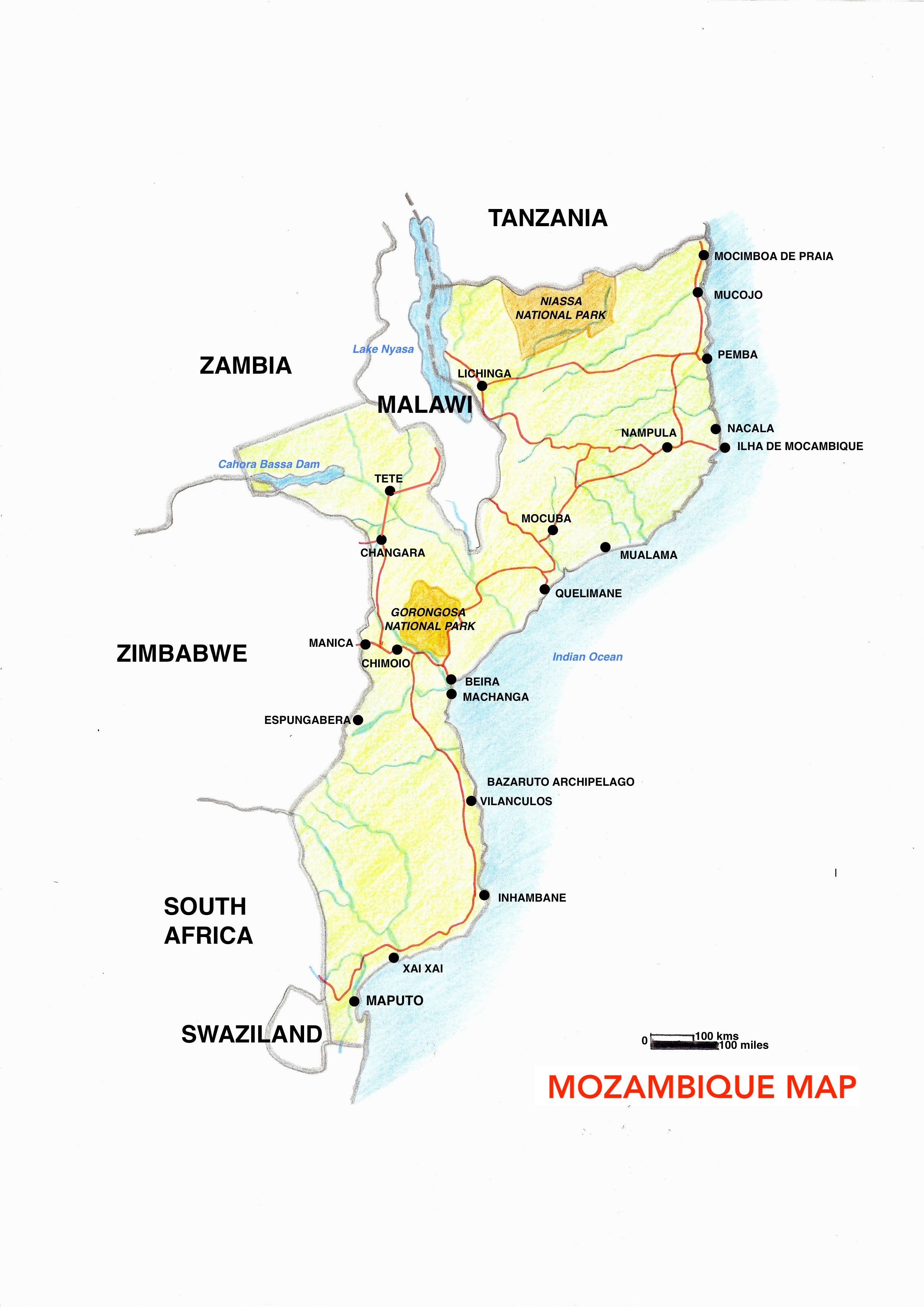
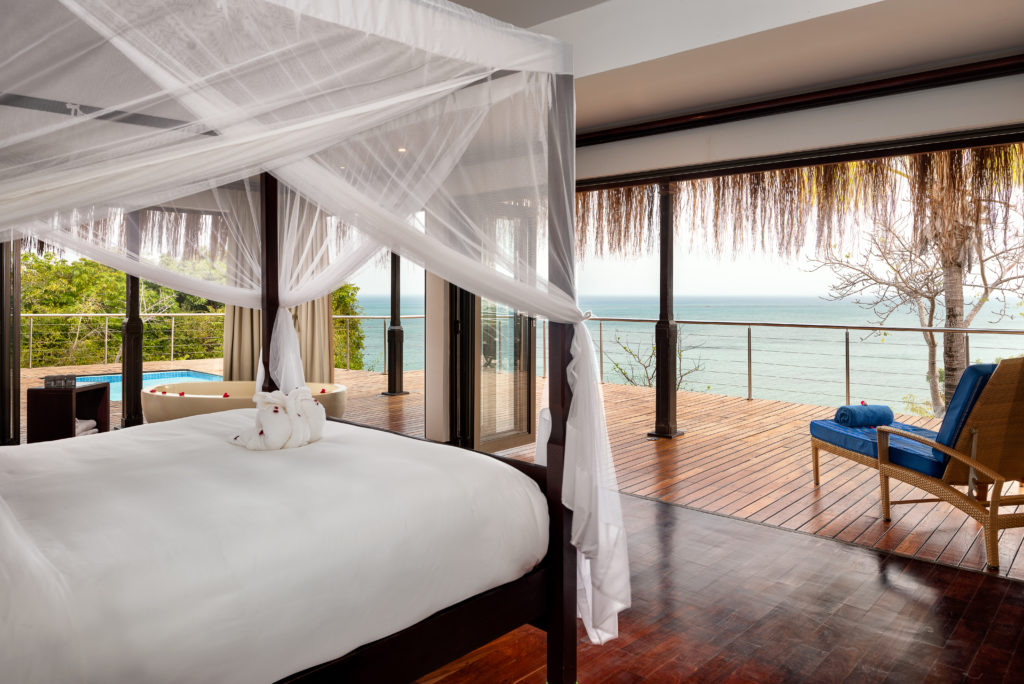
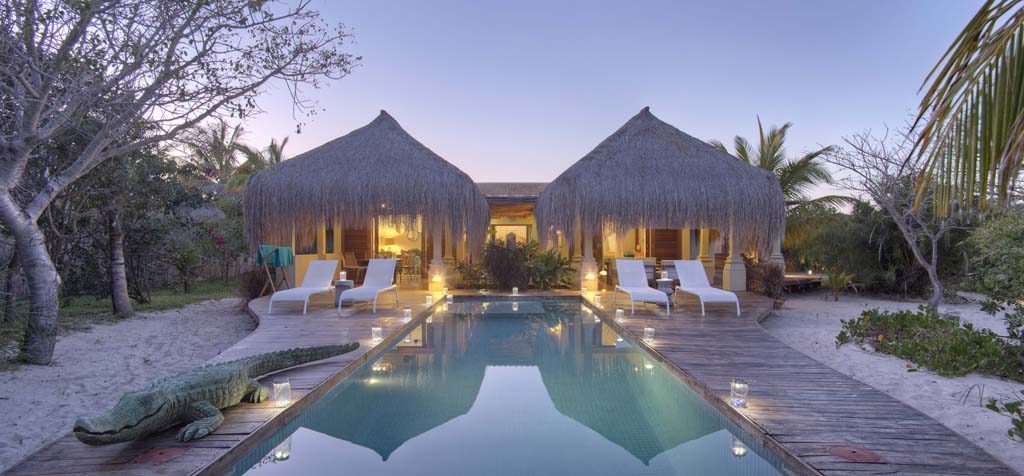
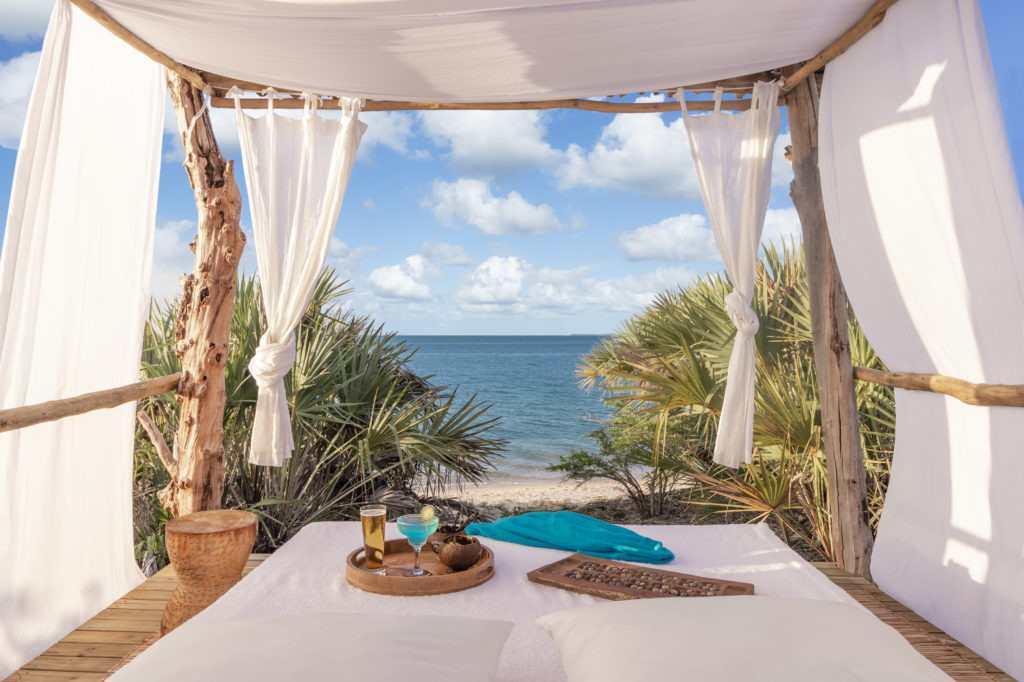
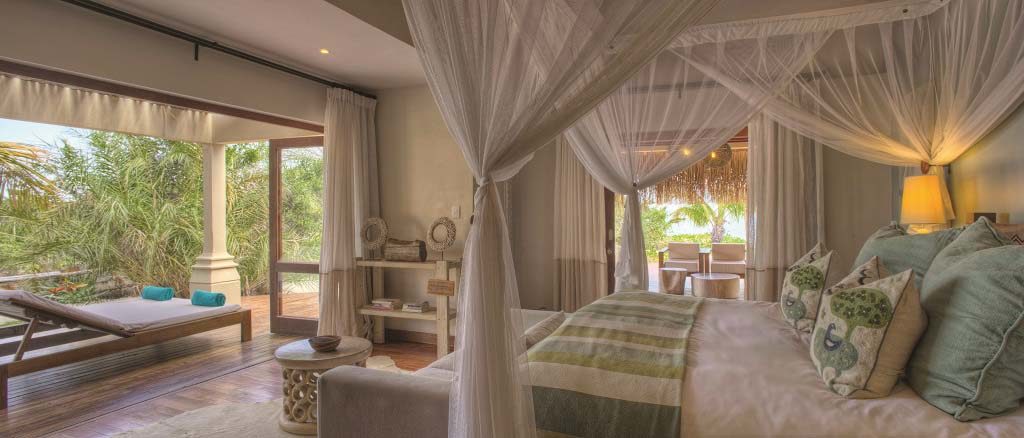
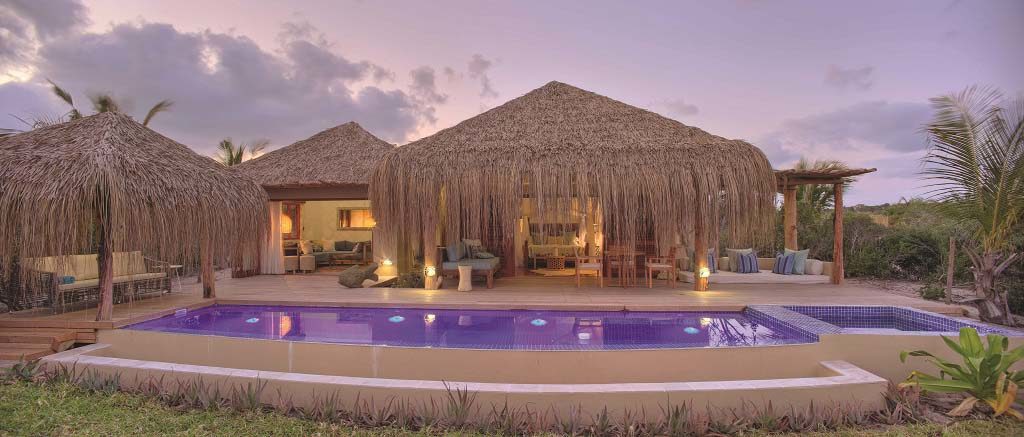
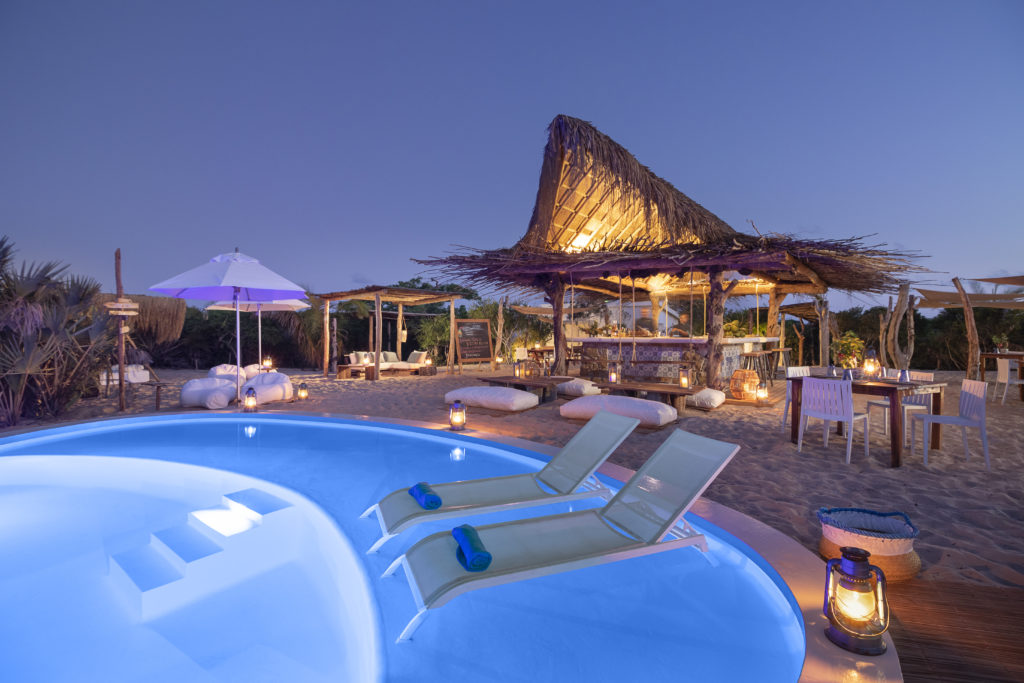
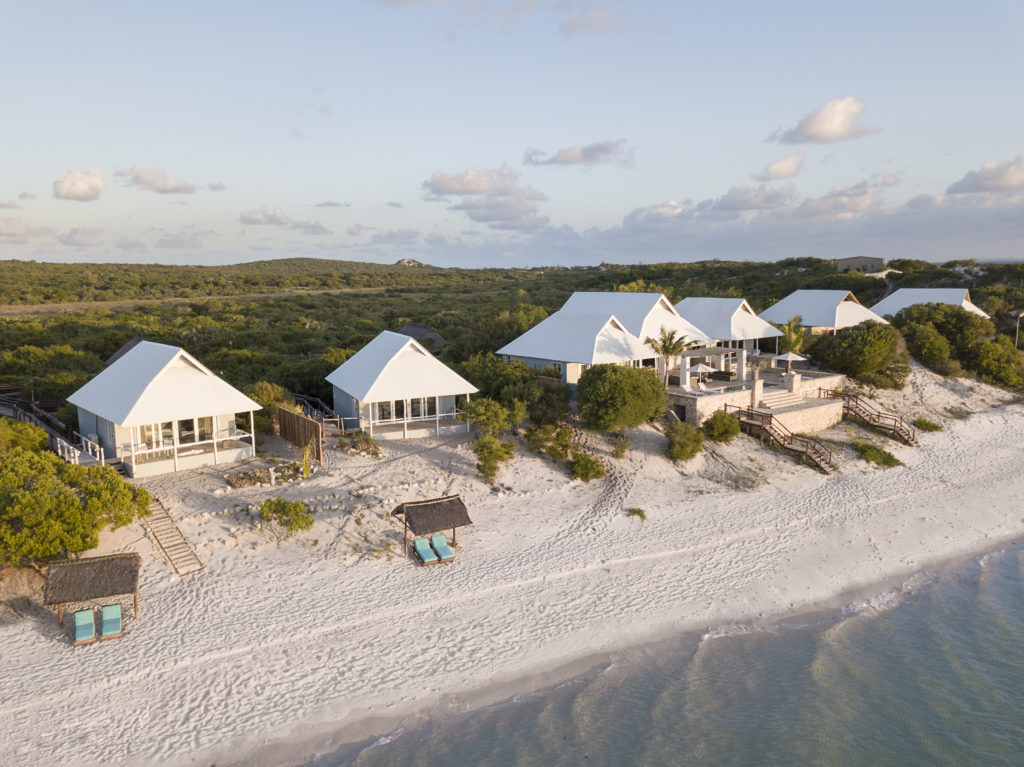
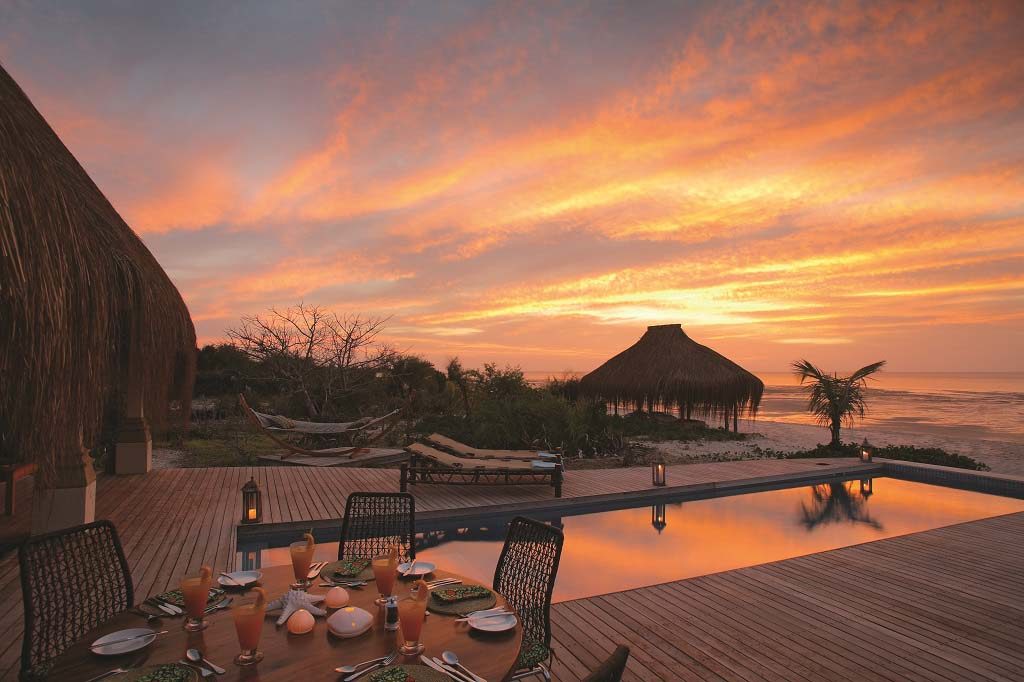
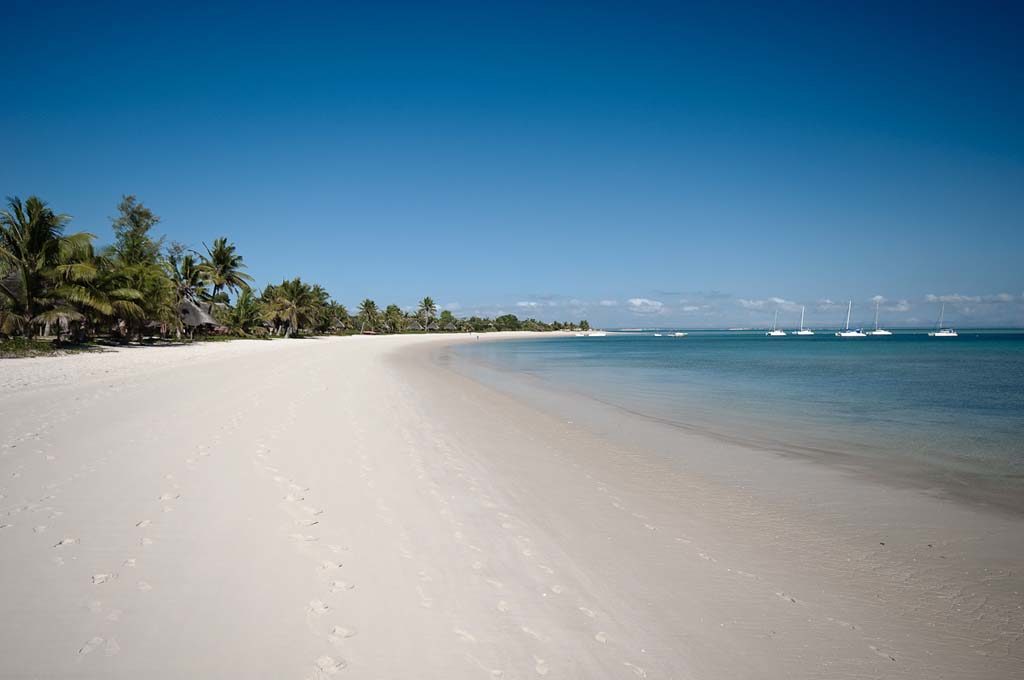
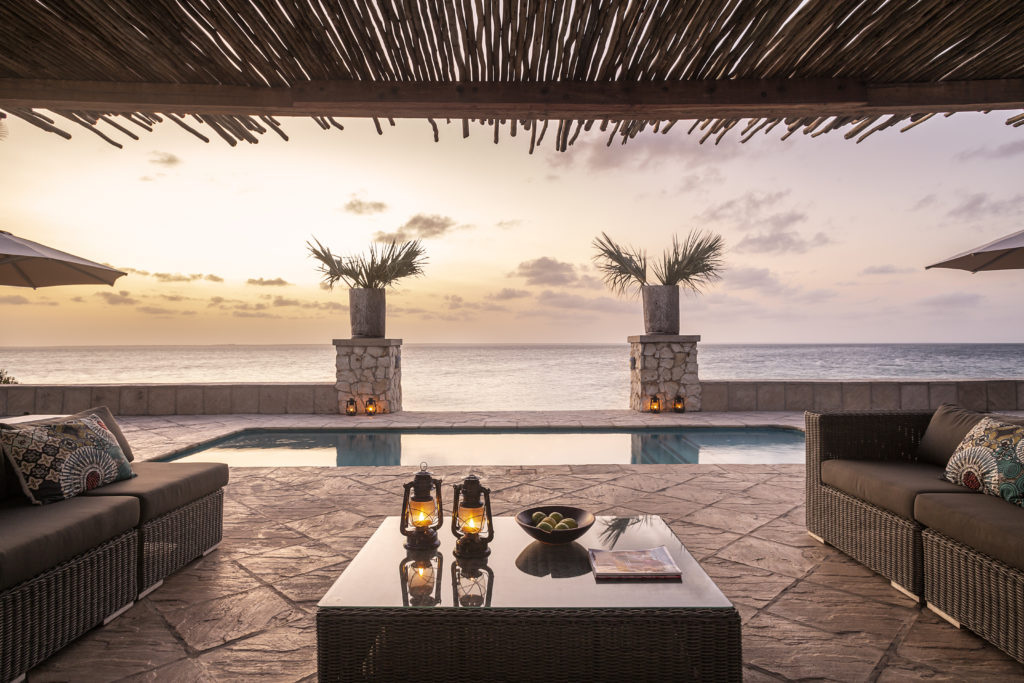
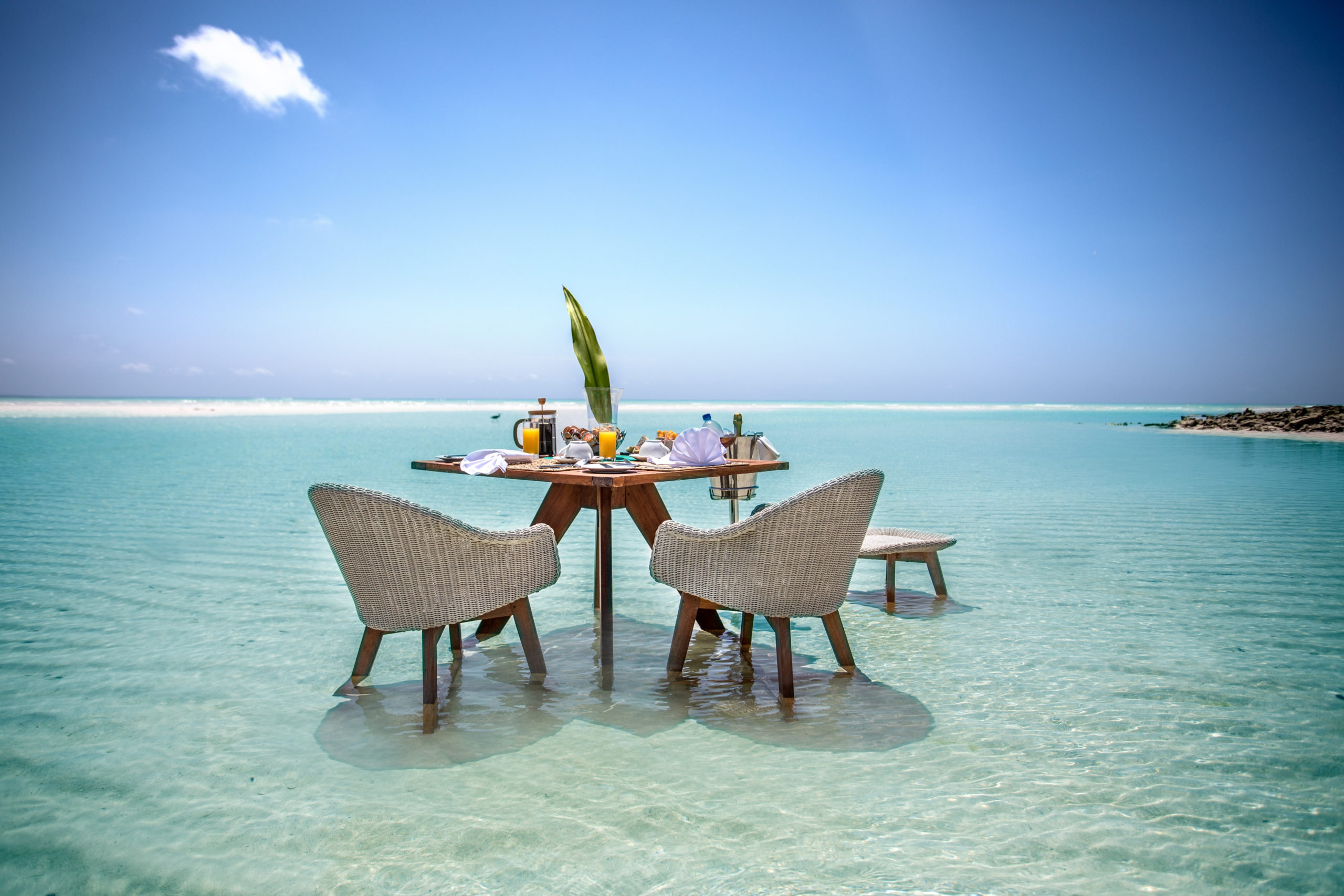
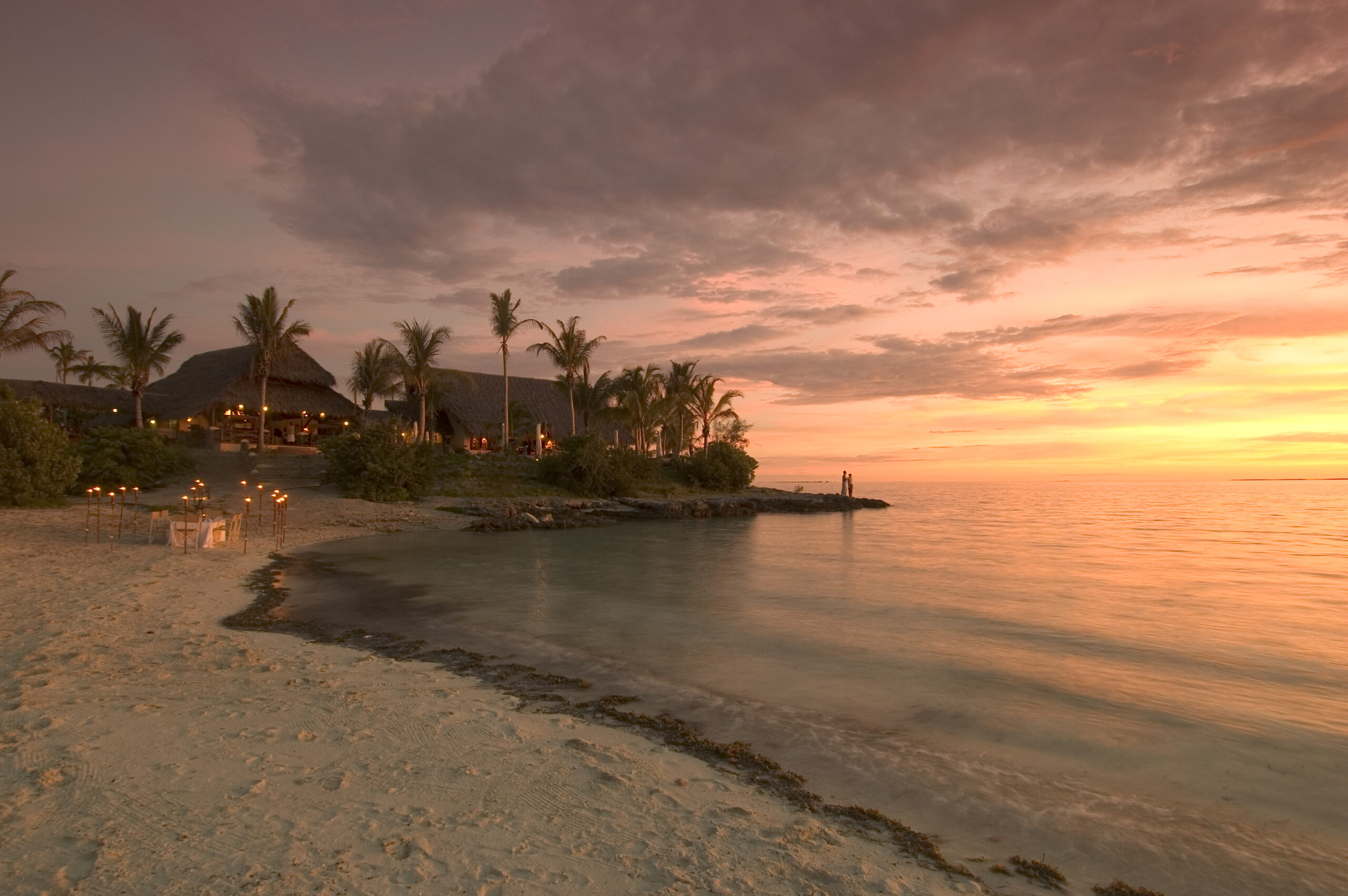
Mozambique … set amid translucent waters the islands and sandy palm-fringed beaches along the coast provide luxurious, remote hideaways, making Mozambique an idyllic holiday destination, perfect for total relaxation. From the Bazaruto Archipelago, Inhaca, Imhambane and Pemba you will find small elegantly appointed beachfront lodges offering friendly hospitality and wonderful cuisine. Visitors can choose to simply relax or to explore the deserted beaches.
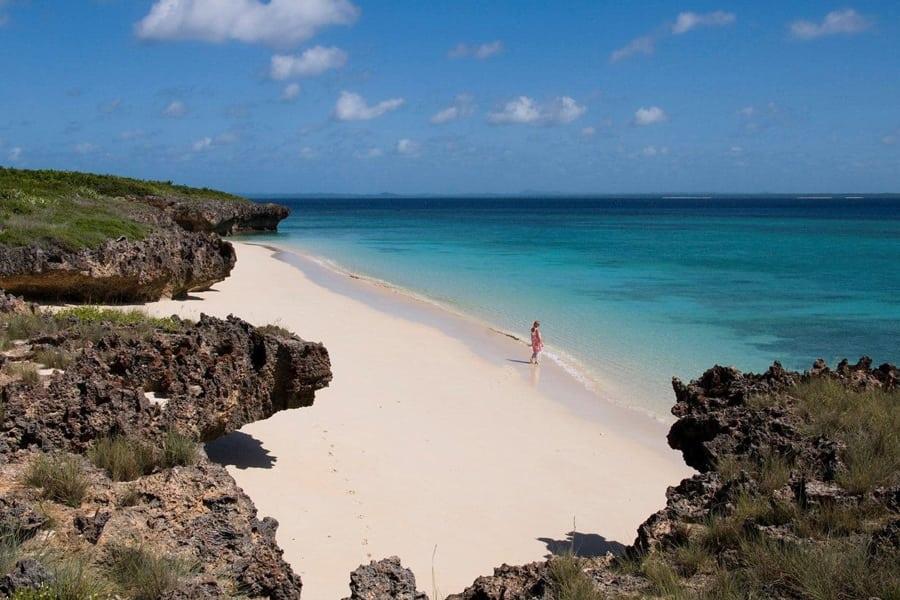
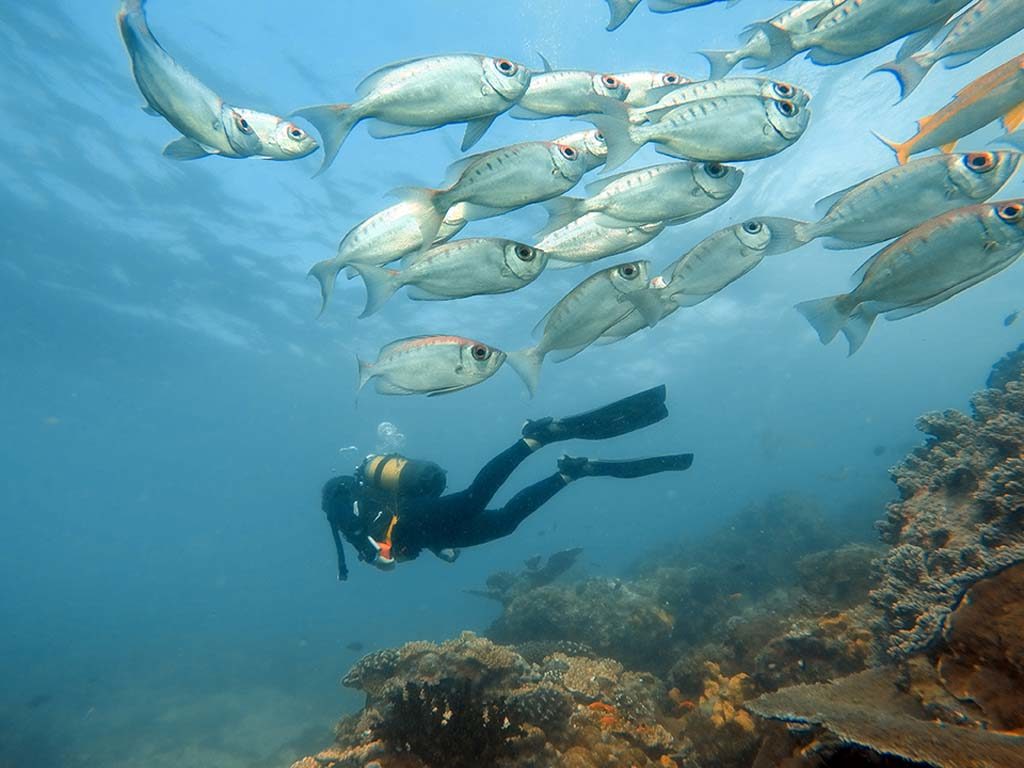
Mozambique is blessed with 2,750km of Indian Ocean coastline with azure seas, powder white beaches and pristine islands offer an alluring counterbalance to the drama of an African Safari. As such, Mozambique is a perfect beach destination for those looking for a “bush and beach combination vacation”. In addition to the appeal of lazy barefoot luxury (and there are many delightful beach and island lodges), the diving, snorkelling and fishing are excellent and rank with the best in the world . And the country isn’t short on wildlife experiences, with dugongs, whales and dolphins.
Money: The unit of currency is the metical (plural meticais) (M) which is divided into 100 centavos. If you are travelling in the southern parts of the country, South African Rands, US Dollars and Pounds Sterling are also accepted and can be used to pay for accommodation. North of Beira US Dollars and sterling are widely accepted. Credit cards are not widely accepted, except by the larger upmarket hotels.
Language: Mozambique is a multi-lingual country, with over 60 local Bantu dialects spoken. Portuguese remains the official language, although English is widely spoken in hotels and resorts.
Food & Drink: Mozambique is a top destination for foodies thanks to its rich culinary history! The country’s cuisine has been heavily influenced by its Portuguese colonisation, and regional dishes commonly feature garlic, peri-peri (pepper pepper), paprika and lemons. Think fresh seafood, stews, corn porridge, rice, millet and cassava. Steak and chicken are commonly used meats and are often accompanied by beans, cassava chips, potatoes and coconut.
Dress: Rule of thumb is relaxed! Shorts, t-shirts, sarongs, swimwear. No nudity or topless sunbathing. Please be modest when in the cities or any religious sites.
Travelling To and Around Mozambique
There are regular flights from Johannesburg into Maputo, and these in turn connect to continental flights and to longer haul destinations in the Middle East and Europe. The roads in Mozambique are generally poor, although the south is generally better than the north.
Scheduled and charter flights operate between Maputo, Vilanculos, Pemba and the Bazaruto and Quirimbas archipelagos. =
Mozambique's Top Attractions
What To Do in Mozambique
- Mainland Beaches
- Bazaruto Archipelago
- Quirimbas Archipelago
- Ilha da Mozambique
- Beach Holiday
- Honeymoon
- Snorkelling, scuba diving, fishing
Where to Go
Mainland Beaches
Mozambique is wildly beautiful and under-developed. One of its main attractions is the white sandy beaches lined with palm trees stretching along its coastline. Diving hotspots include Tofu and Barra Beaches. Other great mainland beach destinations include Vilanculos, Massinga and Zitundo and Zovara, all of which have a selection of eco-friendly and luxurious beach accommodations.
Mossuril Bay: Just north of Isle de Mocambique, the beaches of Mossuril Bay are beautiful, unspoilt and quiet. Beautiful, small and eco-friendly lodges sit right on the sand.
Baixo de Phinda Peninsular: This is one of the few areas where it is possible to dive from the beach. From July to November you may also be lucky enough to enjoy land-based whale watching, as humpback whales migrate through the warm waters of the Indian Ocean.
Vilanculos: With daily flights from Johannesburg, Vilanculos is a popular holiday destination, combining well with a safari in southern Africa. With a great selection of beach and water activities, Vilanculos itself is a small, vibey African town, so a holiday here allows you to immerse yourself in local culture as well as enjoy all that the beach life has to offer.
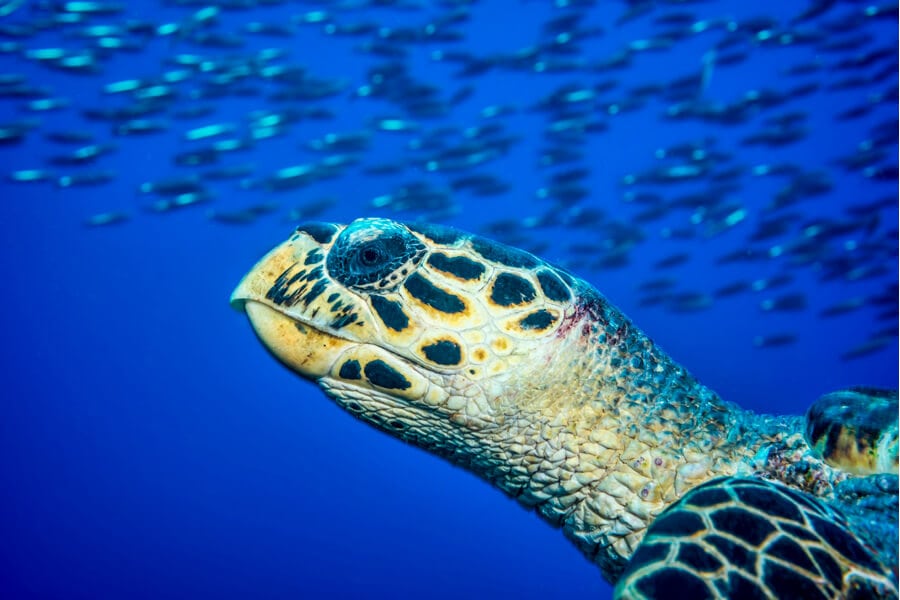
Ponta Manoli: Located in the far south of Mozambique, close to the South African border, Ponta Manoli has a spectacularly wild and untamed feeling, with wonderful diving, resident dolphins, and an annual influx of turtles which return to lay their eggs.
The Bazaruto Archipelago
The Bazaruto Archipelago comprises five white sandy islands surrounded by warm seas and pristine reefs. Bazaruto, Benguerra, Magaruque, Bangue and Santa Carolina (also called Paradise Island). Lodges offer an island paradise of relaxation with fine dining, combined with watersports (superb snorkelling and diving), island excursions, horse riding, dhow safaris, dune boarding, and excellent deep sea fishing.
An easily accessed archipelago, just off the coast at Vilanculos. Bazaruto and Benguerra Islands are the largest of the islands, with breathtaking views, clear turquoise waters, and wide, white powdery beaches. Both islands offer excellent fishing and superb dive sites, including the renowned Two-Mile Reef. Inland the islands have freshwater lakes (with crocodiles!), wetlands and forests. A stay on either Bazaruto or Benguerra offers a luxurious and idyllic beach vacation combined with a rich cultural island life.
In 1971 the entire archipelago and its surrounding reefs were declared a National Park, becoming one of the largest protected areas in the Indian Ocean.
The Quirimbas Archipelago
The Quirimbas Archipelago is a largely unexplored chain of 32 coral and sand islands stretching for almost 200km off the northern Mozambique coast accessed from Pemba town. The area is renowned for superb diving and fishing. Eleven of the islands are incorporated into the Quirimbas National Park, protecting this unique environment and the abundance of exotic fish and rare marine species found here, including dugongs, sea turtles and humpback whales.
Stunningly beautiful, and remote, the islands of the Quirimbas Archipelago are most easily reached by direct fight from Dar es Salaam in Tanzania to Pemba, then by boat or small plane from Pemba to the islands. A melting pot of African, Arabian and Portuguese influences, the Quirimbas tell stories of pirates, slaving and ivory trading. Intimate island lodges offer barefoot luxury in achingly beautiful surroundings in a desert island paradise.
Note: The Quirimbas are currently closed to tourism due to safety concerns.
Ilha da Mozambique
Located in northern Mozambique, a 2 hour drive from Nampula Airport, Ilha da Mozambique is a World Heritage Site, with a rich history as a Portuguese trading post and port. With spectacular natural beauty, friendly welcome and simple, traditional lifestyle, the island is one of Mozambique’s most enchanting beach destinations.
Climate & When to Visit
|
|
Jan |
Feb |
Mar |
Apr |
May |
June |
July |
Aug |
Sept |
Oct |
Nov |
Dec |
|
Mozambique |
✓ |
✓ |
✓ |
✓✓ |
✓✓✓ |
✓✓✓ |
✓✓✓ |
✓✓✓ |
✓✓✓ |
✓✓✓ |
✓✓✓ |
✓✓ |
Mozambique has a subtropical climate. The dry season lasts from April until December, when temperatures are between 25°C and 32°C. The rainy season generally lasts from January until March, with slightly hotter temperatures, at around 30°C to 33°C, and high humidity.
Mozambique’s beaches, whether on the mainland, or on either the Bazaruto or Quirimbas archipelagos, are absolutely lovely throughout the dry season, although the winter months from June to August can be breezy.
The best time to visit Mozambique is in the spring – from September to November, when game viewing is at its best, the humpback whale migration can be easily seen, and water clarity for diving and snorkelling is excellent. The weather is calm and hot, between about 27°C and 32°C.