What to Expect
Zimbabwe is a superb safari destination, with dramatically beautiful national parks, outstanding wildlife encounters with huge concentrations of animals, excellent fishing, high quality lodges and camps and the wonderful warmth of the Zimbabwean people. In terms of guest appeal, the extraordinary diversity of destinations and accommodations ensures that there is, quite literally, something for everyone – from high octane adventures such as white water rafting, canoe safaris, bungee jumping and gorge swinging to the calmer pursuits of romantic boat cruises, iconic steam trains, microlight and helicopter flights over the iconic Victoria Falls. With many lodges and camps catering for extended families, it’s a great option for a Family Safari.
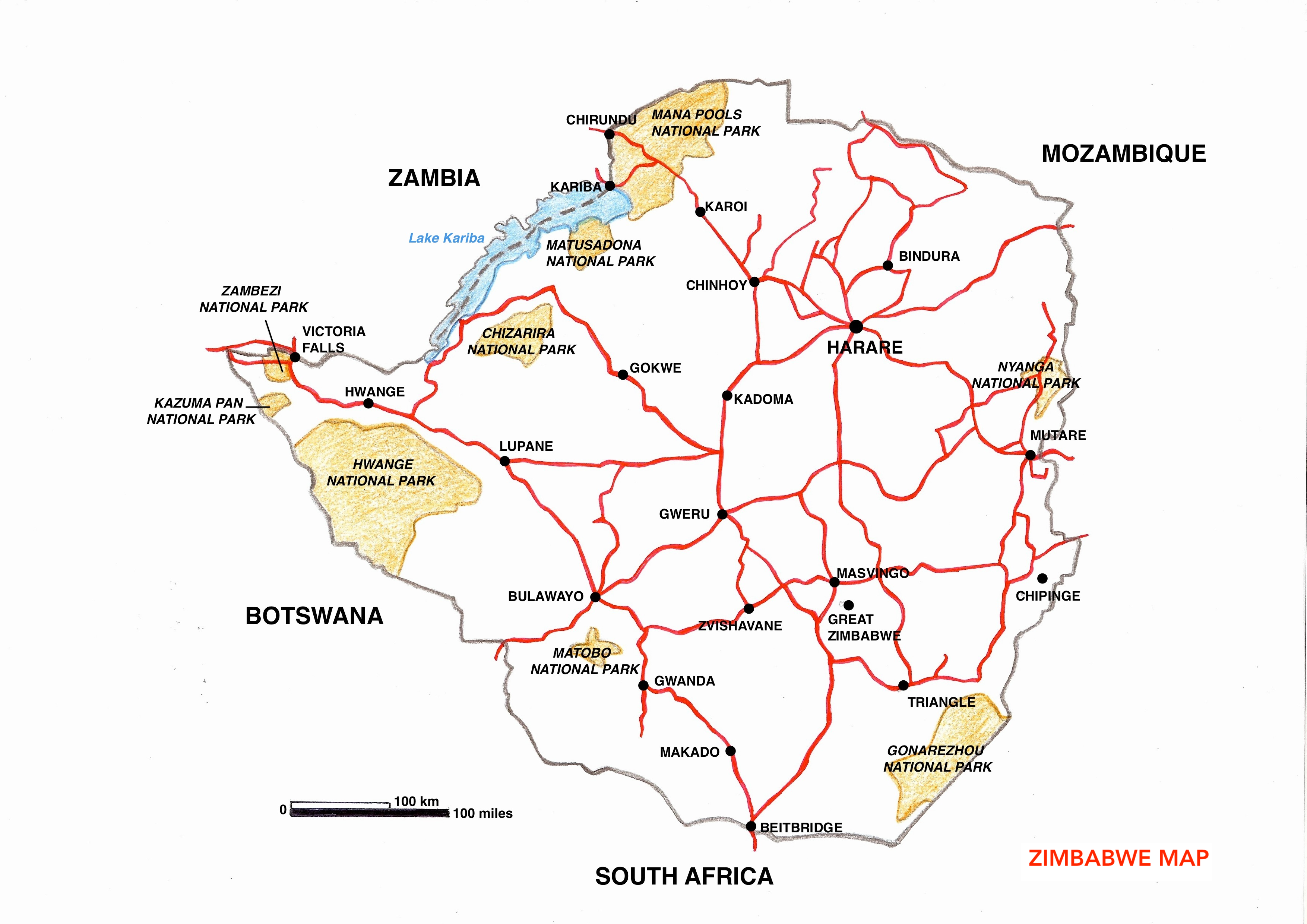
Zimbabwe National Parks are incredible and diverse wilderness regions that showcase the history of this land, ranging from mountain highlands to savannahs, vast lush primeval forests and the mighty Zambezi River, one of the world’s most ancient waterways. A safari in Zimbabwe is all about authentic wildlife encounters, both on land an on water. Destinations include Victoria Falls, Mana Pools National Park, Hwange National Park, Lake Kariba and Matusadona National Park, Motopos National Park, and the less frequented Nyanga National Park in the Eastern Highlands, and Gonarezhou National Park in the south.
A new international airport in Victoria Falls welcomes more long-haul direct flights, and Harare’s international airport is also currently undergoing significant improvements. The KazaVisa gives international visitors easy access to both Zimbabwe and Zambia, which bodes well for tourism to this vibrant and friendly country. There has never been a better time to visit Zimbabwe, combining an unforgettable safari with its most famous attraction, Victoria Falls – the “Smoke that Thunders”.
Money: For visitors, foreign currency is widely accepted (US$ preferred, although please ensure your $s are 2007 or later issue). International visitors must pay for their accommodations in foreign currency, preferably US$. Major credit cards are widely accepted, but some lodges and restaurants do not accept Diners or American Express. We strongly recommend bringing some cash in US$, preferably in low denominations, as tipping is greatly appreciated. Please be aware that if you pay for anything in foreign currency you will probably be given any change in Zimbabwe Dollars.
Language: The official language is English, with Shona and Ndebele being the most commonly spoken other languages.
Food & Drink: High quality European-style food is served in Zimbabwe’s safari camps and lodges, often combined with traditional dishes such as Sadza (a stiff porridge made from powdered maize and water). Peanuts are often used in traditional recipes, as are local vegetables such as squash, pumpkins, beans and yams. Beef and chicken are readily available, as well as game meats such as kudu and impala.
Dress: Zimbabwe has a very, informal, relaxed style. Shorts and T-shirts are acceptable everywhere. On safari, you will find loose fitting, natural fibres work best. Choose neutral colours such as khaki, olive, stone. Leave your camouflage at home please! A swimsuit, sarong or kikoi, sunhat and good quality sunglasses are essential.
Travelling Around Zimbabwe
Zimbabwe’s paved roads are generally in very poor shape, with plenty of potholes to keep drivers alert. With poor street lighting, frequent lack of fuel and broken traffic signals, we don’t recommend self-driving! Short private road transfers between safari destinations are frequently offered. For vacation itineraries with longer distances between destinations, we recommend making use of light aircraft scheduled and charter flights.
Zimbabwe's Top Attractions
What To Do in Zimbabwe
- Victoria Falls
- Mana Pools National Park
- Hwange National Park
- Lake Kariba & Matusadona National Park
- Matobo National Park
- Eastern Highlands & Nyanga National Park
- Gonarezhou National Park
- Big 5 Safaris
- Family Safaris
- Fly-In Safaris
- Birding Safaris
- Honeymoons
- Adventure Safaris & Activities
Where to Go
Victoria Falls
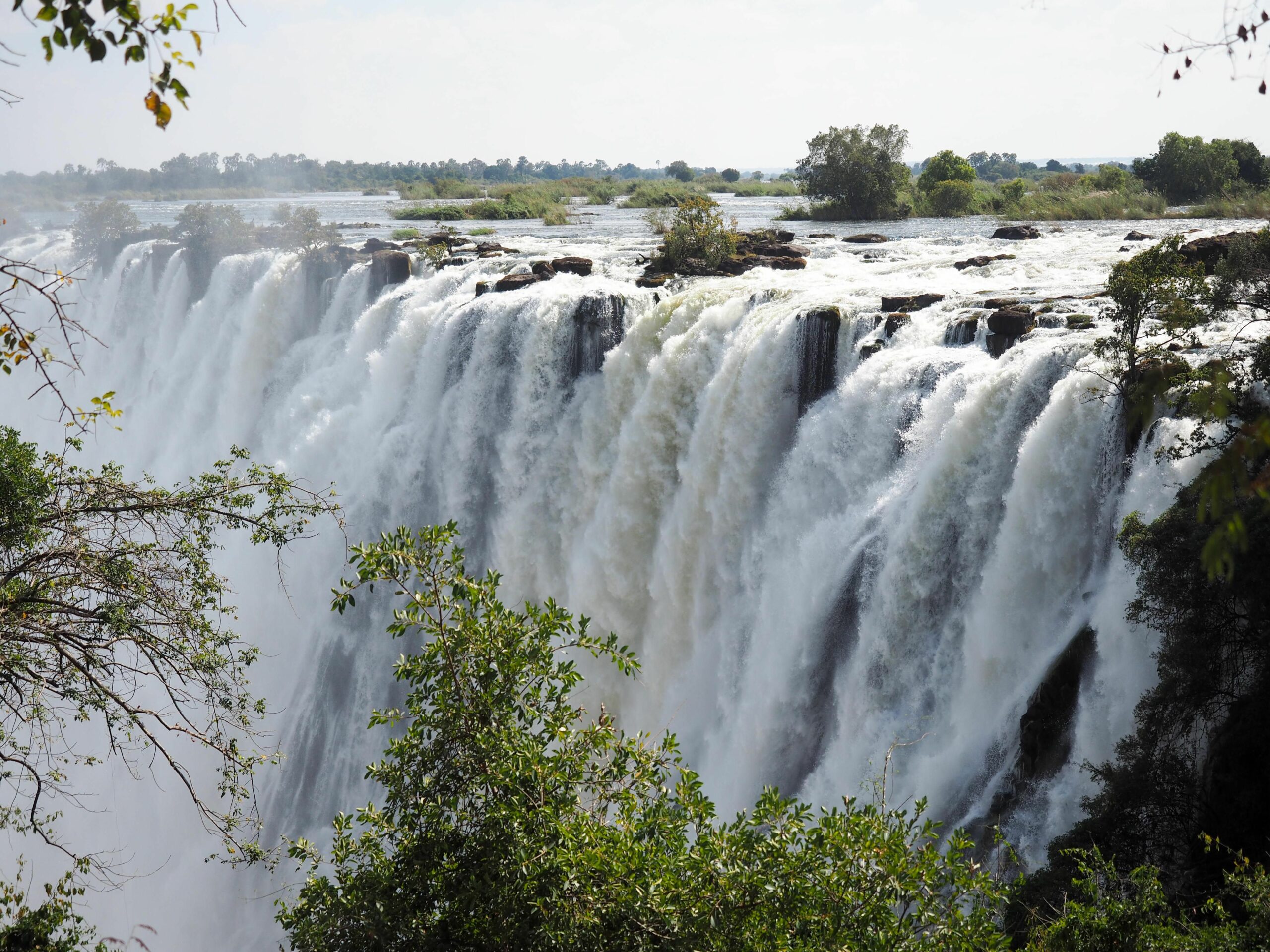
Known locally as Mosi-oa-Tunya (The Smoke That Thunders), the Victoria Falls are a spectacular sight of awe-inspiring beauty and grandeur on the Zambezi River, bordering Zambia and Zimbabwe. The mile-wide Zambezi River suddenly plunges 30 stories, spilling water at a volume of more than 1 million gallons per second (2 million gallons during the rainy season). Rainbows, and columns of spray envelope you as the water plummets with a thunderous roar – no other natural wonder in Africa matches the Victoria Falls’ raw power.
Facing the Falls is another sheer wall of basalt, rising to the same height and capped by mist-soaked rain forest. A path along the edge of the forest provides the visitor who is prepared to brave the tremendous spray with an unparalleled series of views of the Falls.
Victoria Falls actually consists of several separate falls, divided by islands in the river – the most impressive are Main Falls, Rainbow Falls, and the Devil’s Cataract.
The best time of year to visit Victoria Falls is midway through the dry season – during July or August. The volume of water pouring over the falls is at its highest at the end of the rainy season (March – May), but this isn’t a great time to visit as the immense amount of spray obscures views of the falls. Throughout the year there is a sufficient mist to sustain a lush rain forest in the gorge, even when the rest of the country is parched.
The Falls can be viewed from a number of different vantage points, on both the Zambian and Zimbabwean sides of the Zambezi. For aerial views, take the Flight of Angels (a twin-engine plane) or microlight along the length of the falls – it won’t break your budget and it’s really worth every penny!
The Falls are located within the Mosi-oa-Tunya National Park, which provides sanctuary to numerous antelope species, zebra, giraffe and the only white rhinos to be found in Zambia.
For the adventurous and extreme sports fans, Victoria Falls is rapidly becoming known as the ‘Adventure Centre’ of Southern Africa, with various adrenaline sports, and other leisure options in this breathtakingly beautiful scenery. Activities on offer include white rafting, bungee jumping, abseiling, gorge-swinging, helicopter and microlight flights over the falls, horseback trails along the Zambezi, and canoeing and boat cruises on the upper Zambezi.
Mana Pools
One of Southern Africa’s least developed national parks, Mana Pools is scenically beautiful, pristine and remote, offering the adventurous traveller an unforgettable and truly wild safari experience. This 2,500km² wilderness incorporates the mighty Zambezi River, islands, pools and sandbanks, towering mahogany forests, and great baobab trees. Mana Pools is not for the faint hearted. In this ultimate safari location you will learn to live in and with nature, rather than merely observe it.
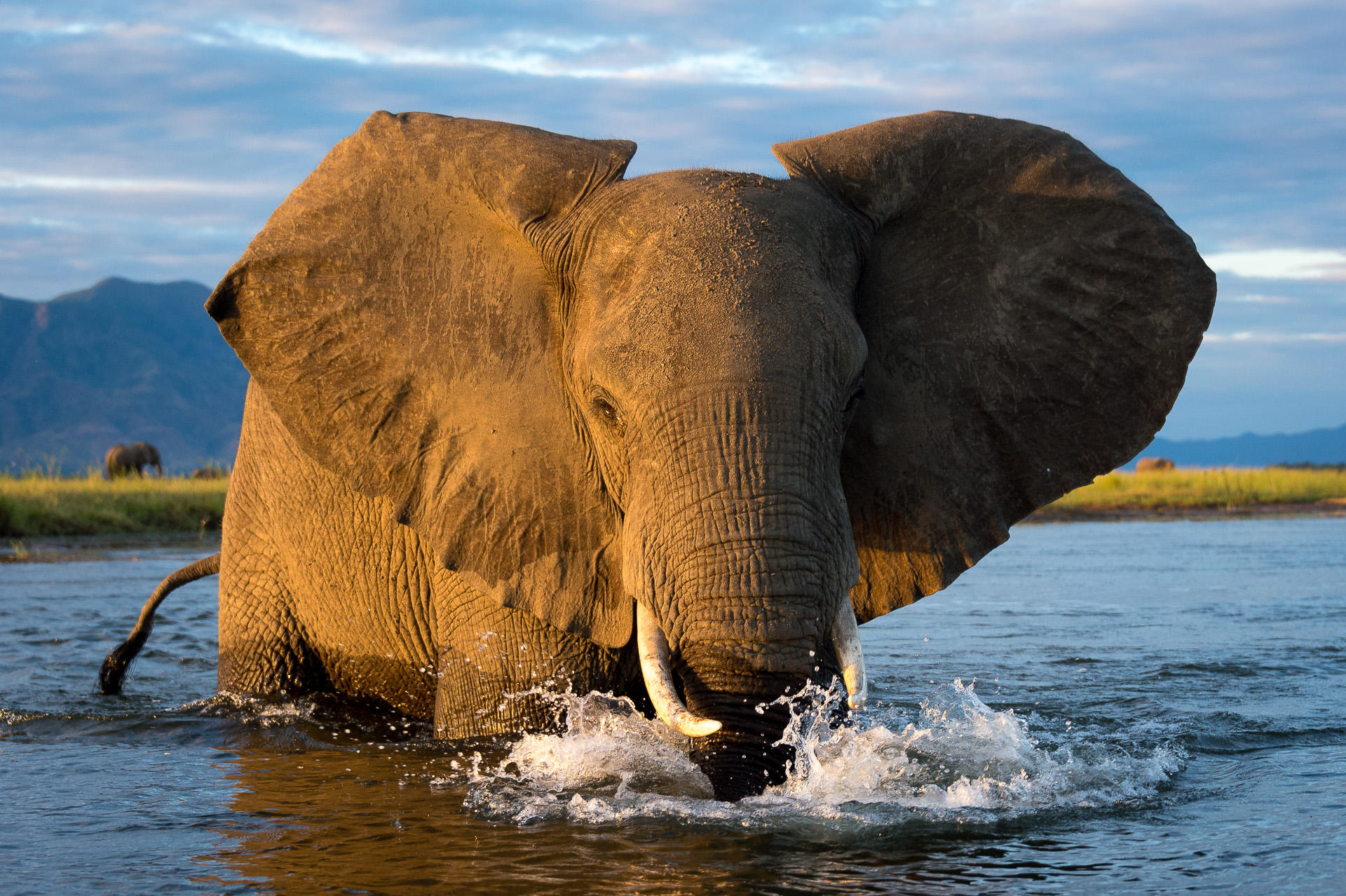
The succulent wide flood plains of the Zambezi River are constantly grazed by elephant, buffalo, waterbuck, nyala, impala and kudu; and it has Zimbabwe’s largest crocodile and hippo populations. During the dry winter season Mana Pools has the highest concentration of game in the entire continent. Predators such as lions, leopards, hyenas, jackal and wild dogs flourish here.
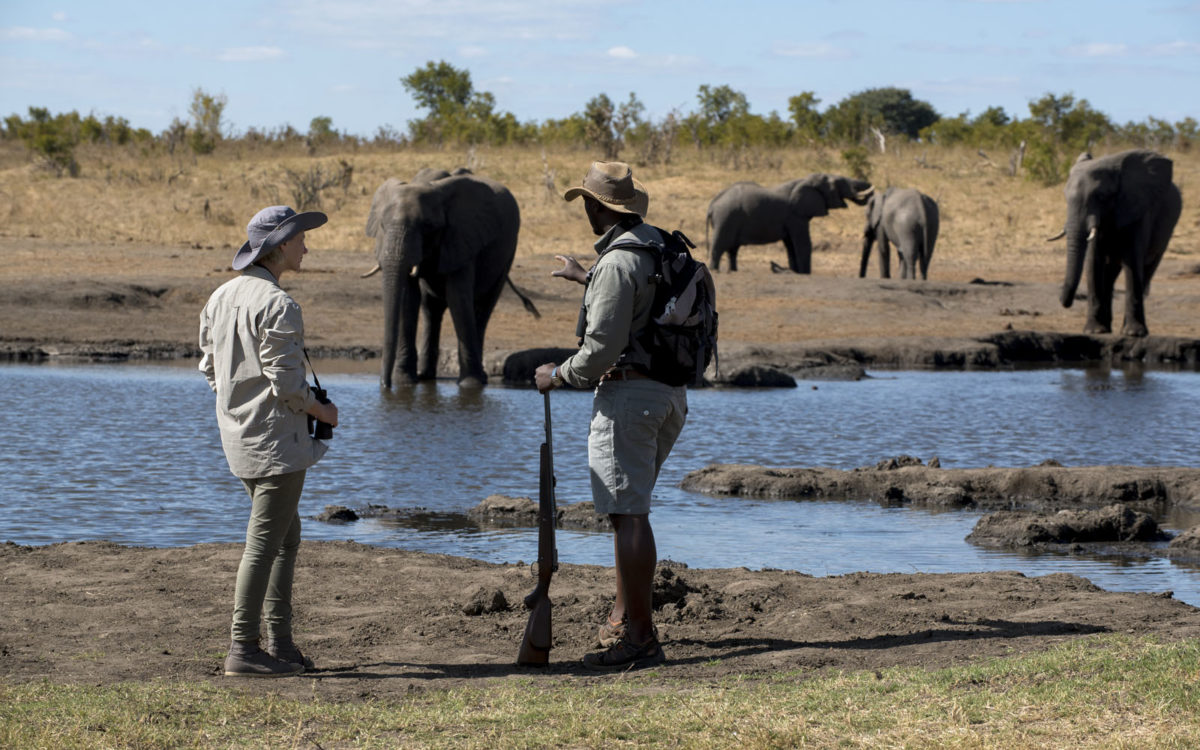
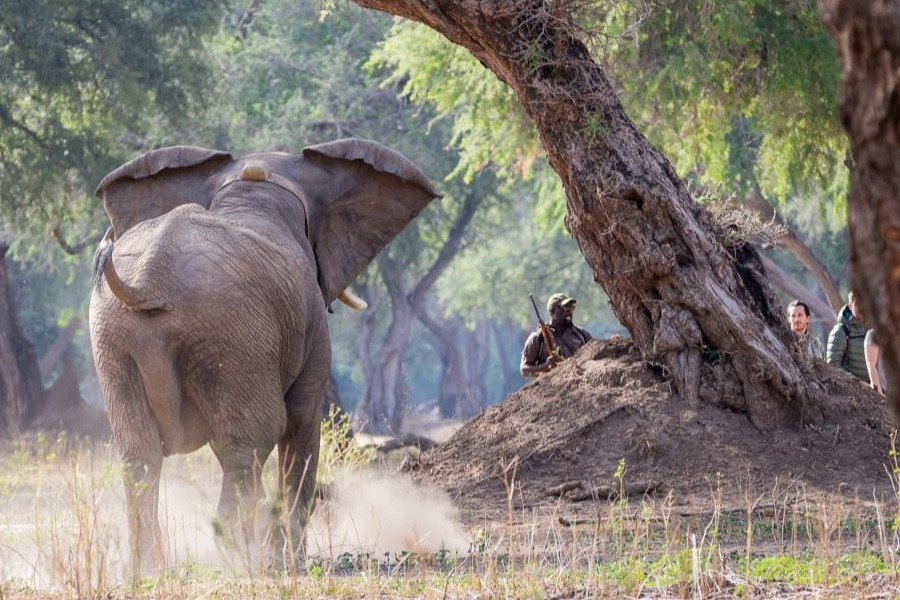
In Mana Pools you are immersed in the African bush. Canoe safaris on the Zambezi, and guided walking safaris allow you the closest possible encounters with wildlife on the greatest river in Africa! Abundant up-close wildlife viewing, spectacular birding safaris and remote and intimate safari accommodations make Mana Pools one of Africa’s most uniquely special safari experiences. For the fishermen (and women), tigerfish, bream, catfish and perch all provide an excellent challenge.
Mana Pools National Park is open during the dry winter months, from April to November. Accommodation is provided in remote safari lodges and camps, accessed by charter flight directly into the park. Visitor numbers are limited.
Hwange National Park
Hwange is Zimbabwe’s largest national park. This world-famous wildlife reserve of more than 14,600sq km is a sanctuary for more than 100 mammal species, including lion, rhino, elephant and leopard, and 400 different bird species.
Hwange offers premier Big 5 game viewing, and is home to huge elephant herds. The National Park is easily accessible, and the 500km network of game-viewing roads and good choice of lodges make it a popular safari destination. A large part of the park is only accessible to visitors staying in private lodges.
Lodge activities include day and night guided game drives in open 4×4 vehicles, guided walking safaris and birding safaris.
The best time to visit Hwange for game viewing is during the driest months from August to October, shortly before the beginning of the rainy season. Whilst you will miss the lush green landscapes of the wetter summer months, the large concentrations of game, and particularly herds of elephant, congregate around the water holes, ensuring superb up close wildlife experiences.
Lake Kariba & Matusadona National Park
Lake Kariba is a vast artificial inland sea, created when the mighty Zambezi River was dammed in the 1950s. This extraordinary feat of engineering and endeavour resulted in 282km² of the Zambezi Valley being drowned, creating the 280km long, 32km wide, lake. Operation Noah – a massive wildlife rescue mission – tracked and captured more than 5,000 animals of 35 different species to save them from the rising waters. Most of these animals were relocated to the Matusadona National Park, on the southern shores of the lake.
All along Kariba’s shores the bleached trunks of mighty hardwood trees project from the waters, a lasting reminder of the forests that grew here before the Zambezi was dammed. The skeletal branches provide perches for fish eagles, cormorants and other water birds. Renowned for magnificent watery sunsets, excellent game viewing and superb fishing, Lake Kariba is a popular holiday and safari location.
Matusadona National Park occupies over 1,400km² of wilderness on the southern shores of the lake, and is home to a multitude of wild animals including the Big 5. Matusadona is an excellent safari destination, combining the best of Lake Kariba’s water wildlife with good inland game viewing. Here you will see large herds of elephant, black rhino, lion, buffalo, waterbuck, eland, sable and roan. Huge numbers of hippos and crocodiles inhabit the secluded bays and inlets. Game drives, walking safaris, boating and canoe excursions are all offered. Birdlife here is exceptional.
There are regular charter flights from Harare, Victoria Falls and Hwange, and the National Park and surrounding area offers luxury accommodation in houseboats and safari camps along the shoreline. The best time to visit Matusadona is during the dry and cooler winter months, from May to September.
Matobo National Park
The 424 sq km Matobo National Park forms part of the Matopos Hills, an area of granite kopjes and distinctive rock formations, located a short distance south of Bulawayo. This ancient land is associated with early human settlement, and the rock shelters and caves house an impressive collection of rock paintings. Part of the national park is home to wildlife including black and white rhinos, but the national park itself is best known for the striking rock formations and enchanting topography.
Eastern Highlands & Nyanga National Park
The Eastern Highlands is a mountainous area spanning the eastern border of Zimbabwe, providing a picturesque landscape of rolling hills, lush forests, and captivating waterfalls. The region is known for its rich biodiversity, boasting a remarkable variety of plant and animal species that are a delight for nature enthusiasts.
One of the standout features is the Nyanga National Park, the oldest and largest national park in Zimbabwe. This expansive park covers an area of 470 sq km of rugged terrain, and is home to an array of natural wonders, including the iconic Nyangani Mountain, which is the highest peak in the country, and Mtarazi Falls, Africa’s 2nd highest waterfall. The park’s varied habitats support a rich diversity of wildlife including Samango Monkeys, a variety of antelope and prolific birdlife. Nyanga National Park is a popular destination for hiking, birdwatching, fly-fishing, rock climbing and mountain biking.
Gonarezhou National Park
Located in southeastern Zimbabwe, and stretching over 5050 sq km, Gonarezhou is Zimbabwe’s 2nd largest National Park, famed for its captivating and authentic wilderness areas. With dramatic landscapes, including the majestic Chilojo Cliffs and an extensive network of rivers and rugged terrain, Gonarezhou is a sanctuary for a diverse array of wildlife, with significant populations of elephants, lions, and over 400 bird species.
As part of the Great Limpopo Transfrontier Park, Gonarezhou is a conservation success story, and visitors can enjoy a truly immersive safari experience, with thrilling game drives, guided walking safaris, and the unique cultural heritage of the Shangaan people. A limited selection of luxury lodges and tented camps are available within the National Park.
Climate & When to Visit Zimbabwe
|
|
Jan |
Feb |
Mar |
Apr |
May |
June |
July |
Aug |
Sept |
Oct |
Nov |
Dec |
|
Hwange NP |
✓✓ |
✓✓ |
✓✓ |
✓✓ |
✓✓ |
✓✓✓ |
✓✓✓ |
✓✓✓ |
✓✓✓ |
✓✓ |
✓✓ |
✓✓ |
|
Victoria Falls |
✓✓ |
✓✓ |
✓✓✓ |
✓✓✓ |
✓✓✓ |
✓✓✓ |
✓✓✓ |
✓✓✓ |
✓✓✓ |
✓ |
✓ |
✓✓ |
|
Mana Pools |
✓ |
✓ |
✓ |
✓✓ |
✓✓✓ |
✓✓✓ |
✓✓✓ |
✓✓✓ |
✓✓✓ |
✓✓✓ |
✓ |
✓ |
|
Matobo Hills |
✓ |
✓✓ |
✓✓ |
✓✓ |
✓✓✓ |
✓✓✓ |
✓✓✓ |
✓✓✓ |
✓✓✓ |
✓✓✓ |
✓✓ |
✓✓ |
Zimbabwe is a year-round destination. The country has distinctive wet and dry seasons, which offer very different experiences, and which will influence the timing of your safari, depending on your interests.
Dry Season: The dry winter months of April to end October are the most comfortable for traveling to Zimbabwe. Days are dry, sunny and warm, with cool evenings, getting hotter in September and October. The lowland areas become increasingly hot and humid towards the end of October just before the rains. Game viewing is at its best.
Green Season: The hot summer months of November to March are characterized by hot sunny mornings, with frequent afternoon thunderstorms. Daytime temperatures can rise to 35ºC (and even hotter in the low lying valleys around the Zambezi, Victoria Falls and Kariba). Green Season birding is wonderful.
Victoria Falls: The Victoria Falls are truly magnificent at any time of the year. However for the best views of the Falls, plan your trip for midway through the dry season, from July to September, when the water level of the Zambezi River is low. Immediately after the rainy season in April and May, the Falls are again spectacular, although the heavy spray can absolutely drench you and obscure your view.
White Water Rafting: The rapids are at their most dramatic towards the end of the dry season when the lower river water plunges through the gorge. “Amateur” rafters can experience up to Grade 5 rapids at this time (generally August – November). Rafting on the Zambezi is generally limited during the height of the rainy season (December – March).