What to Expect
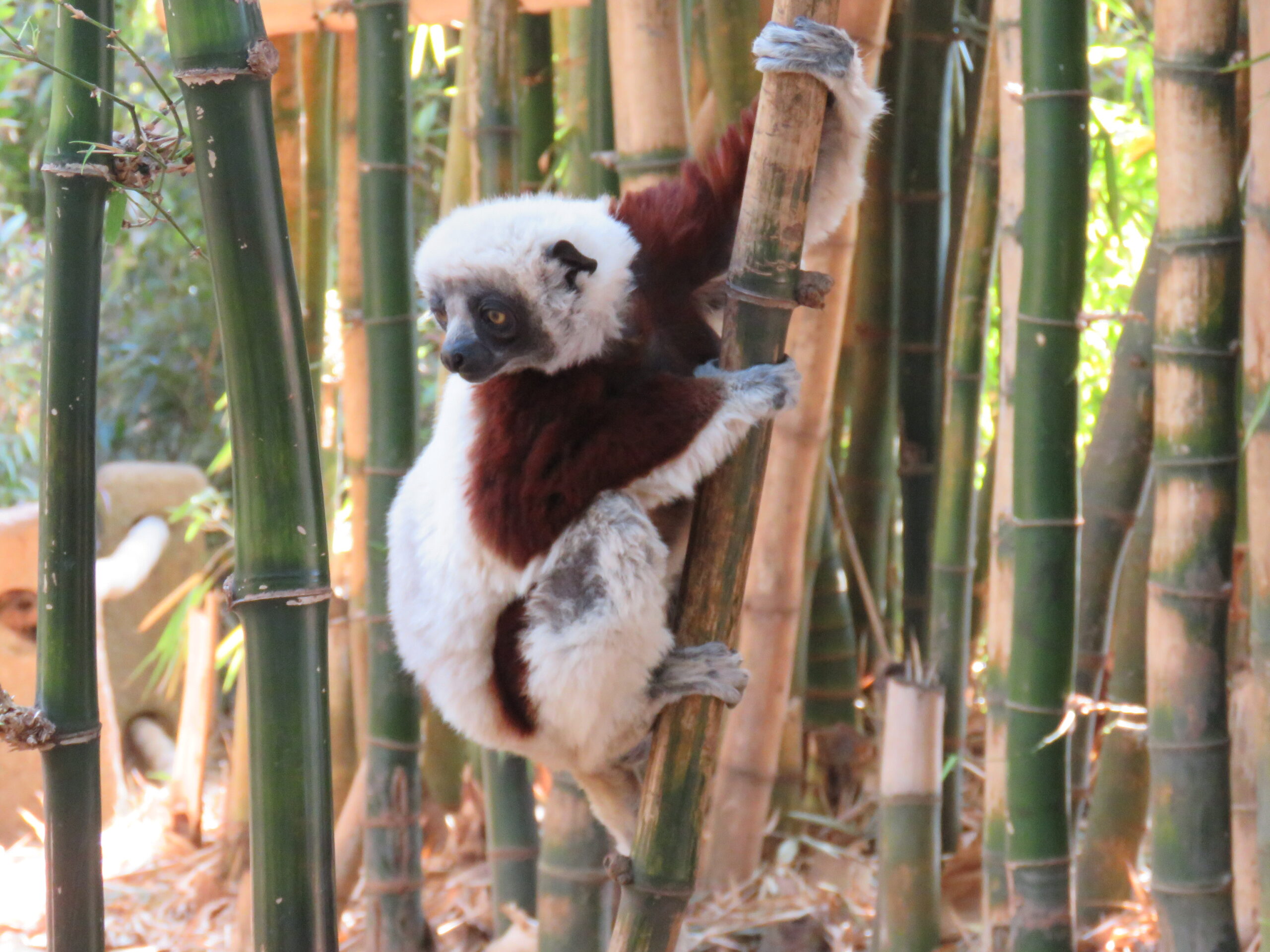
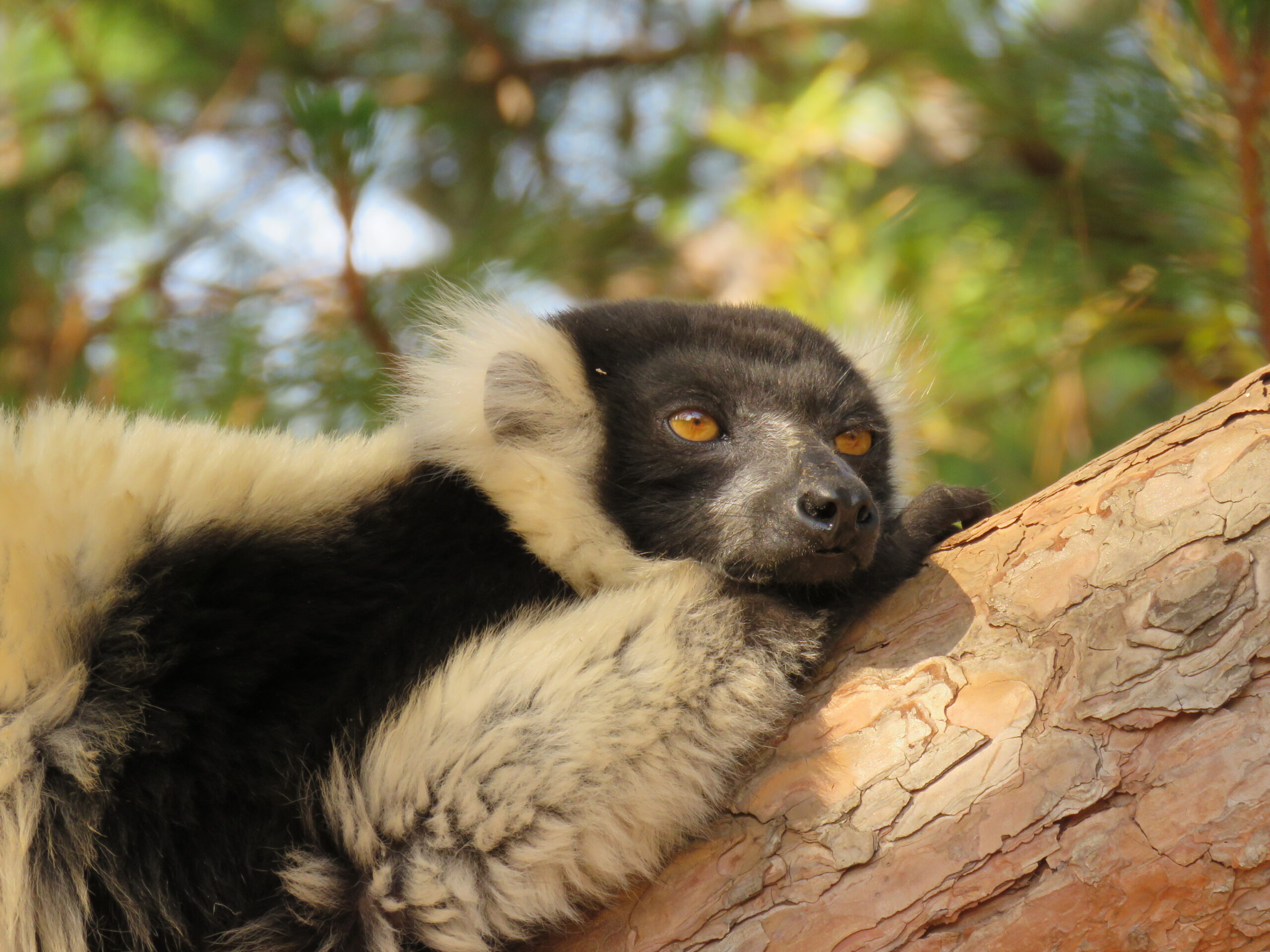
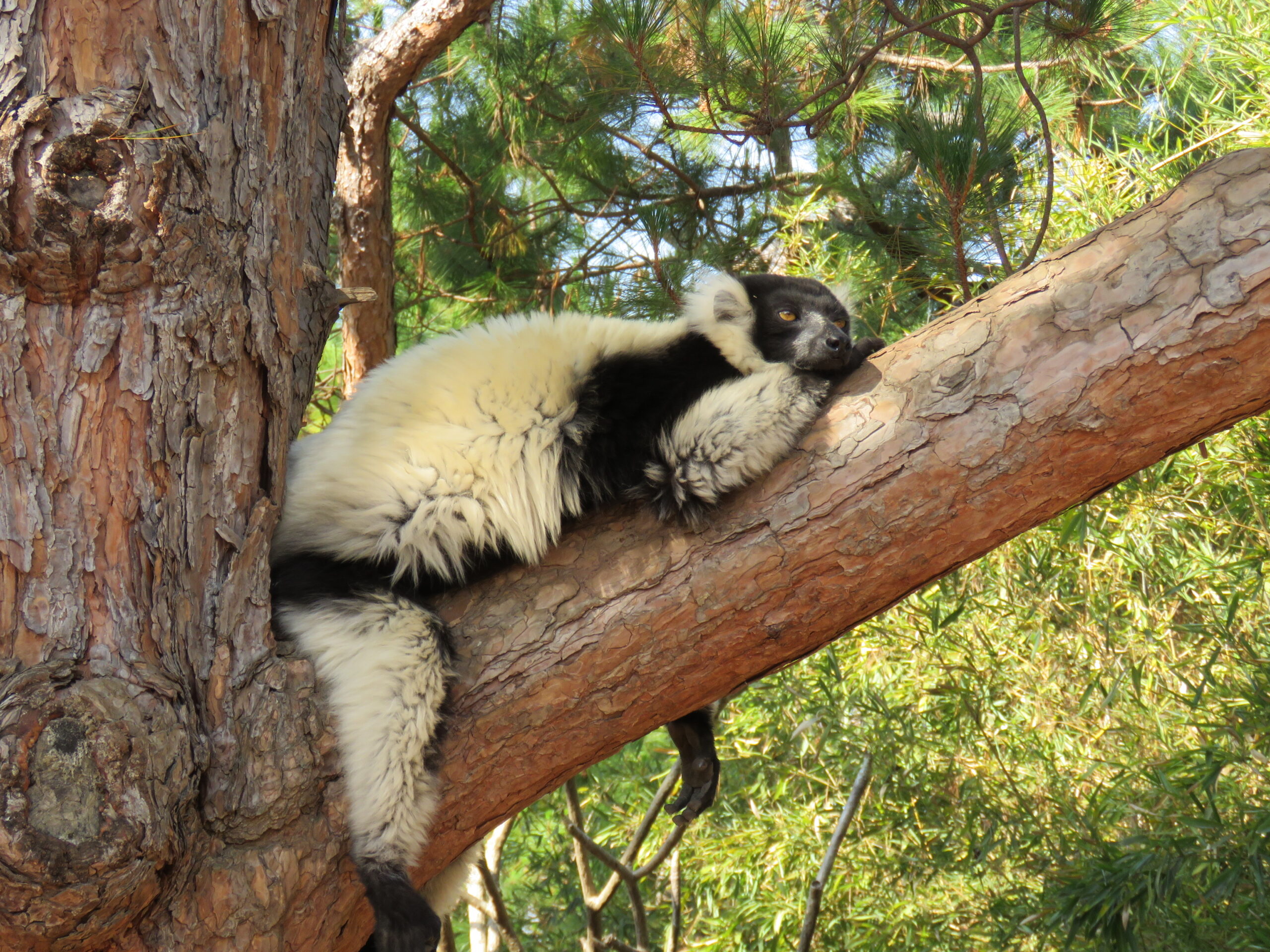
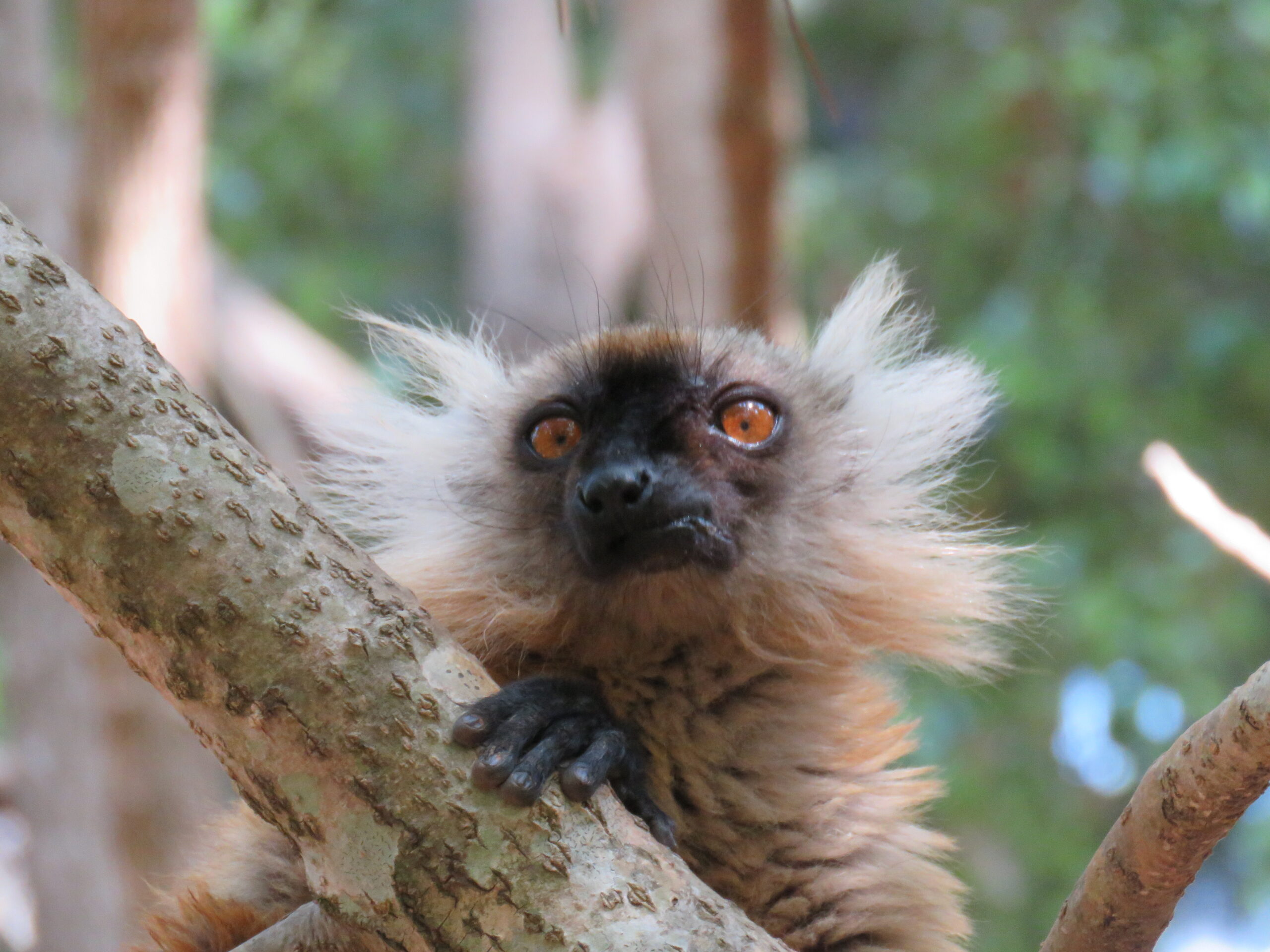
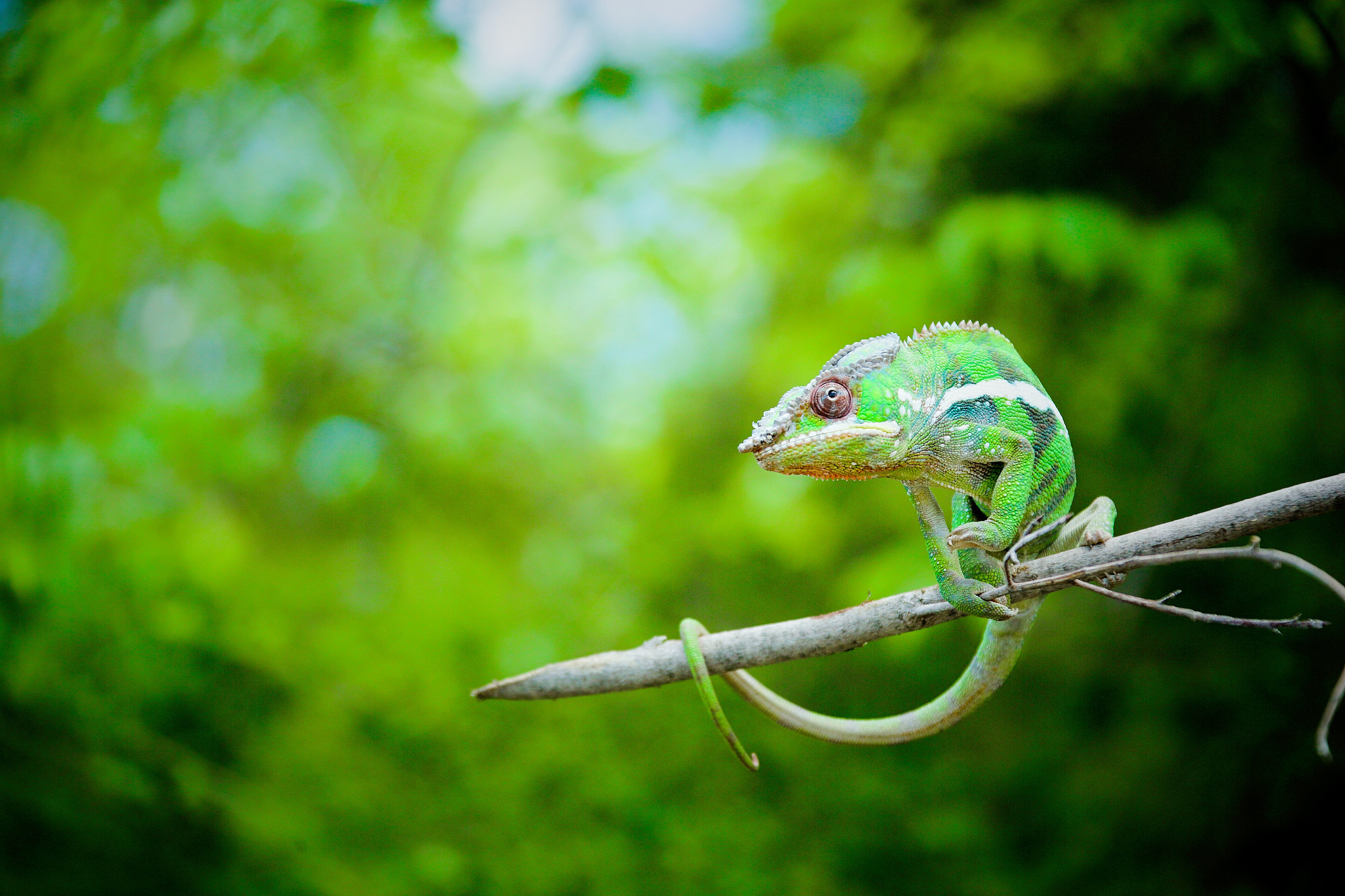
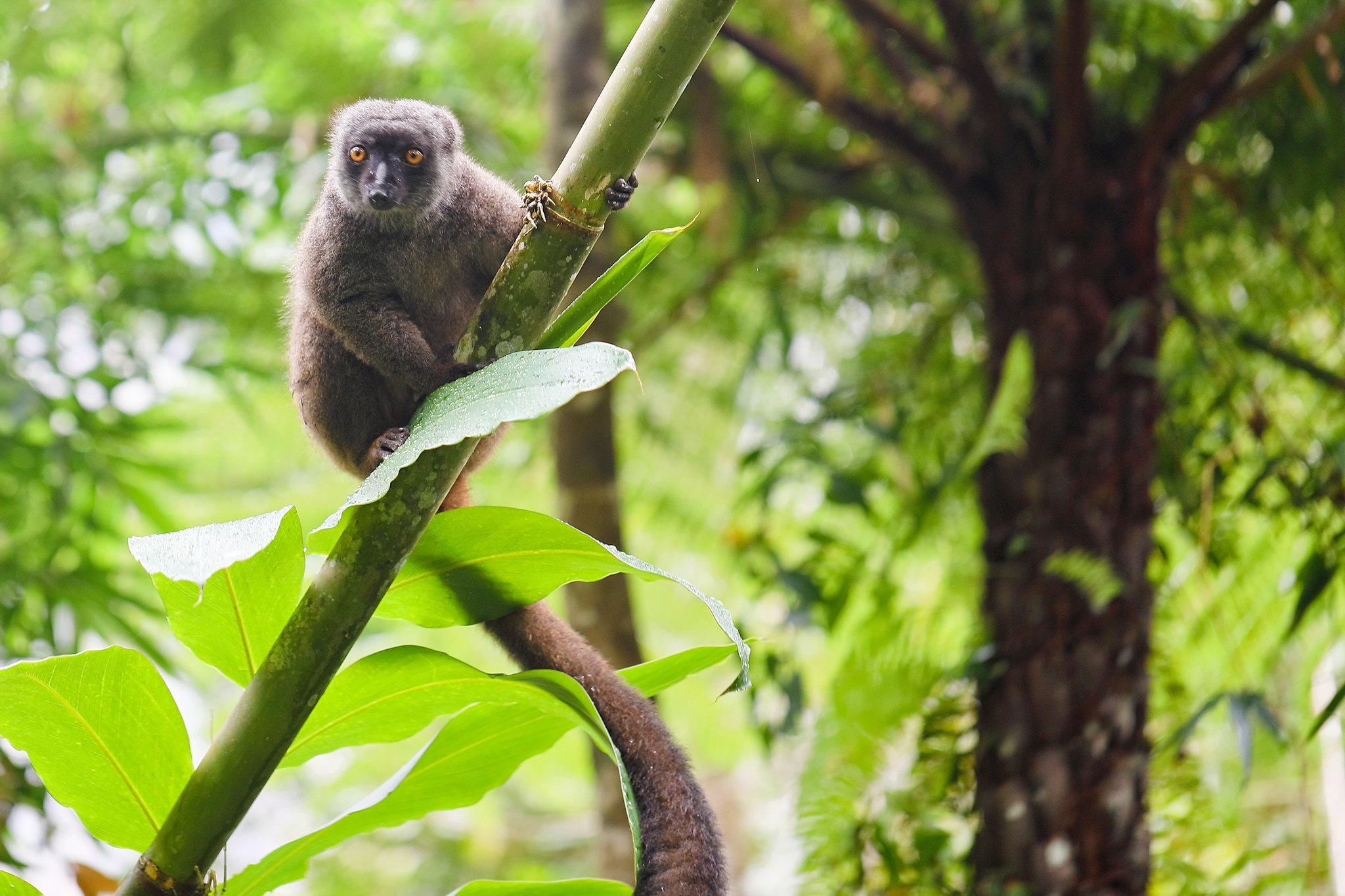
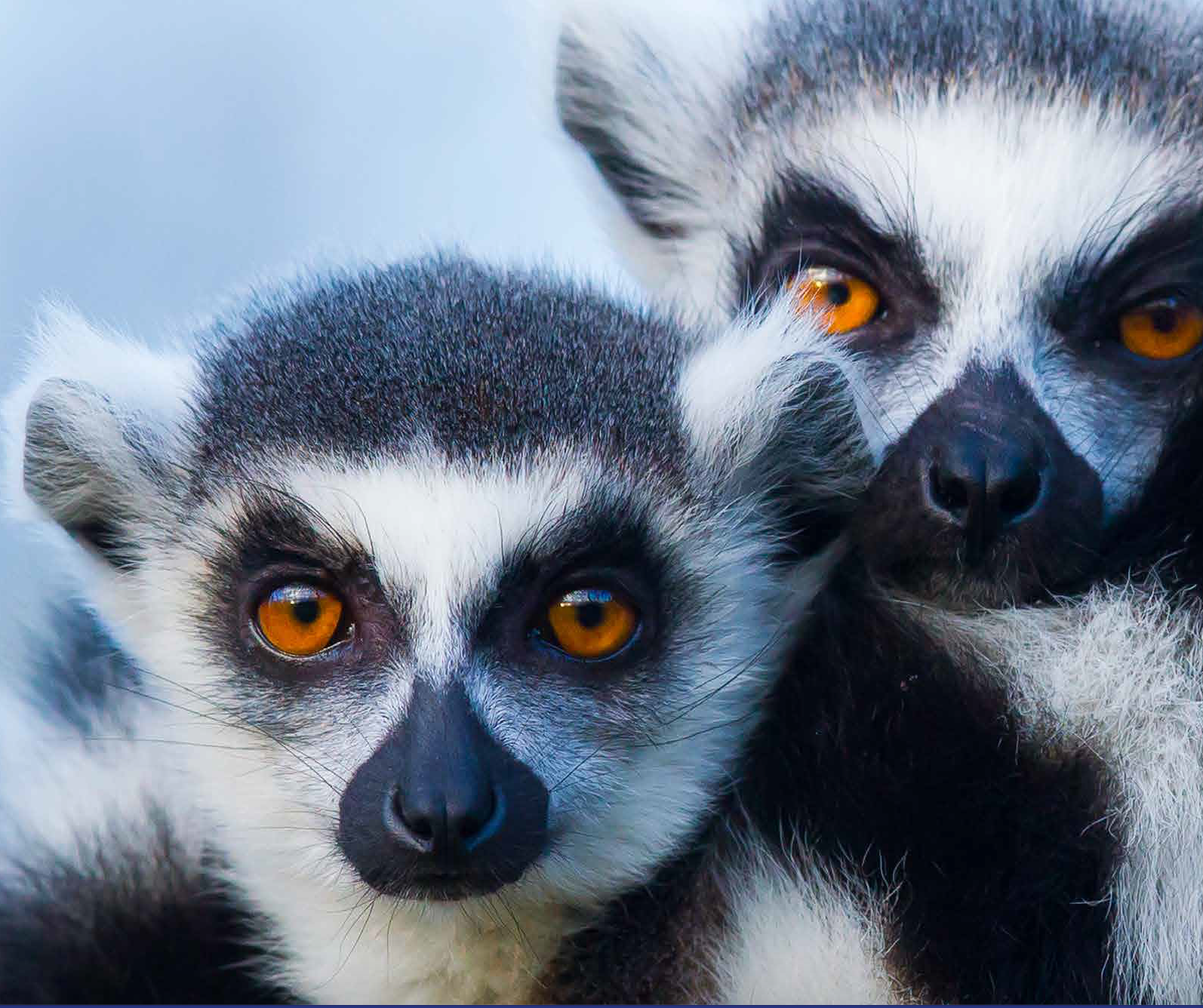
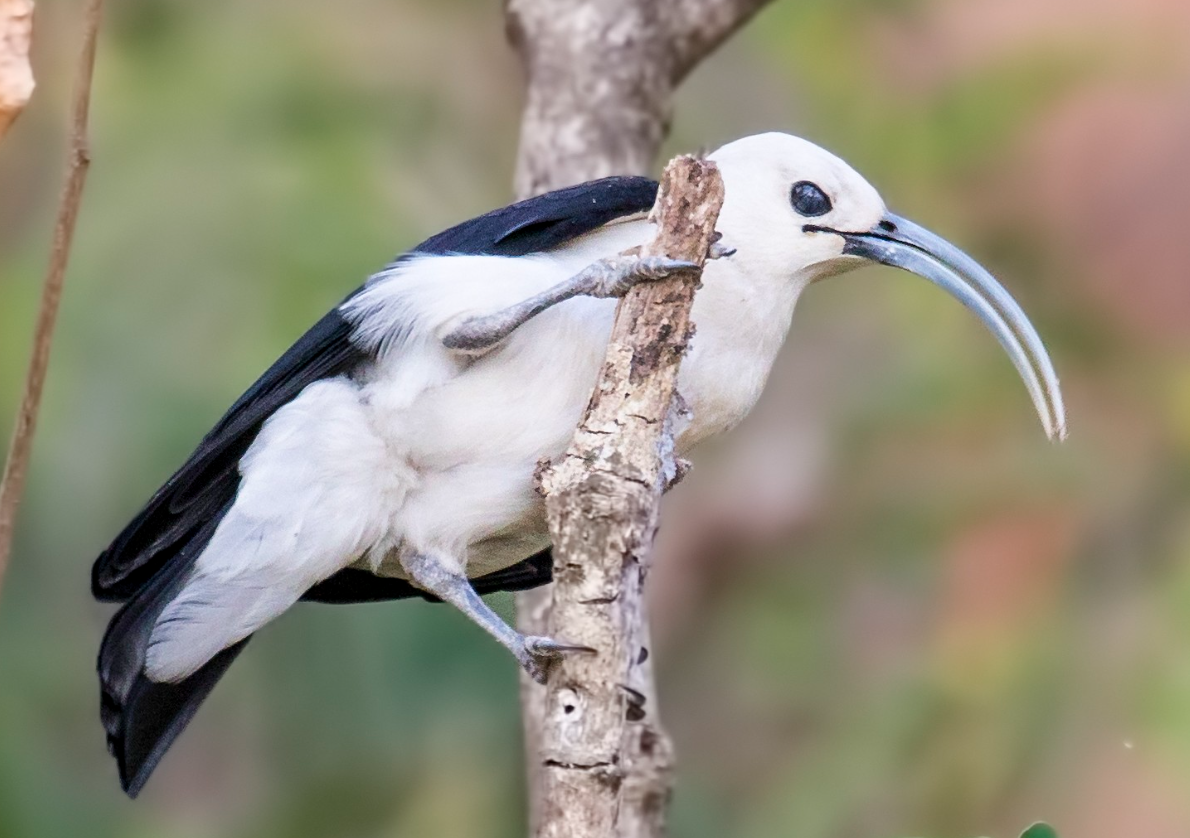
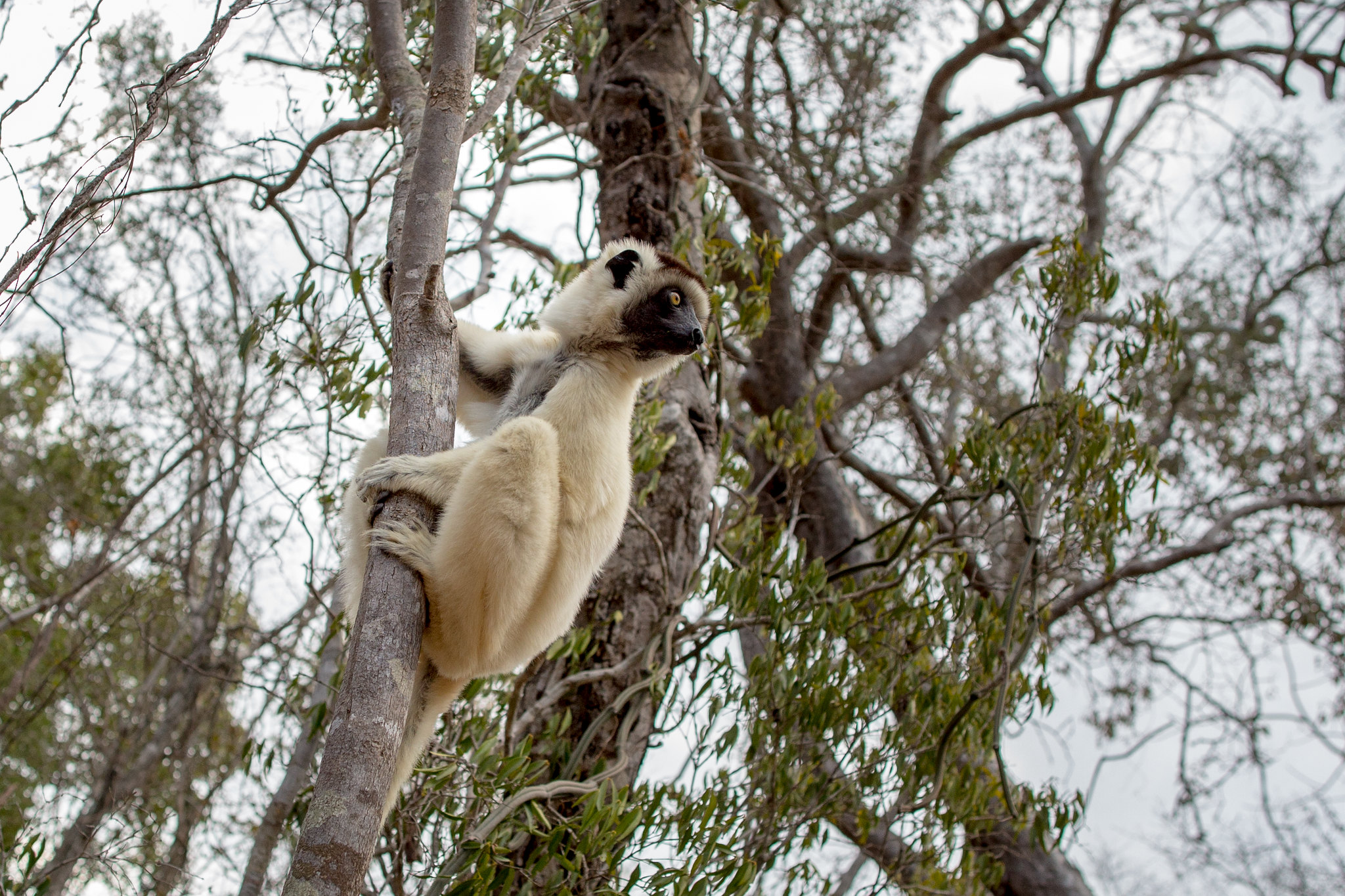
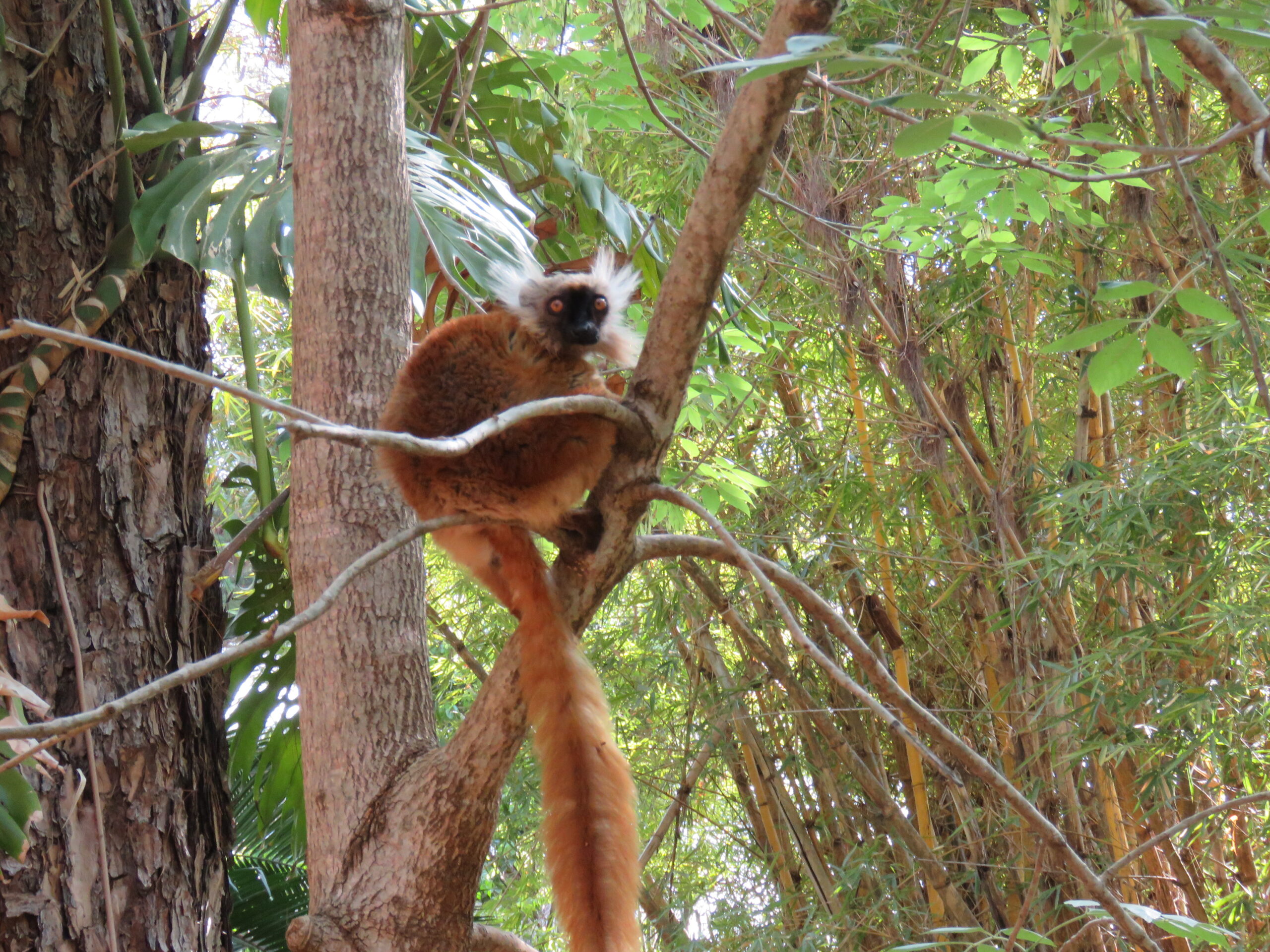
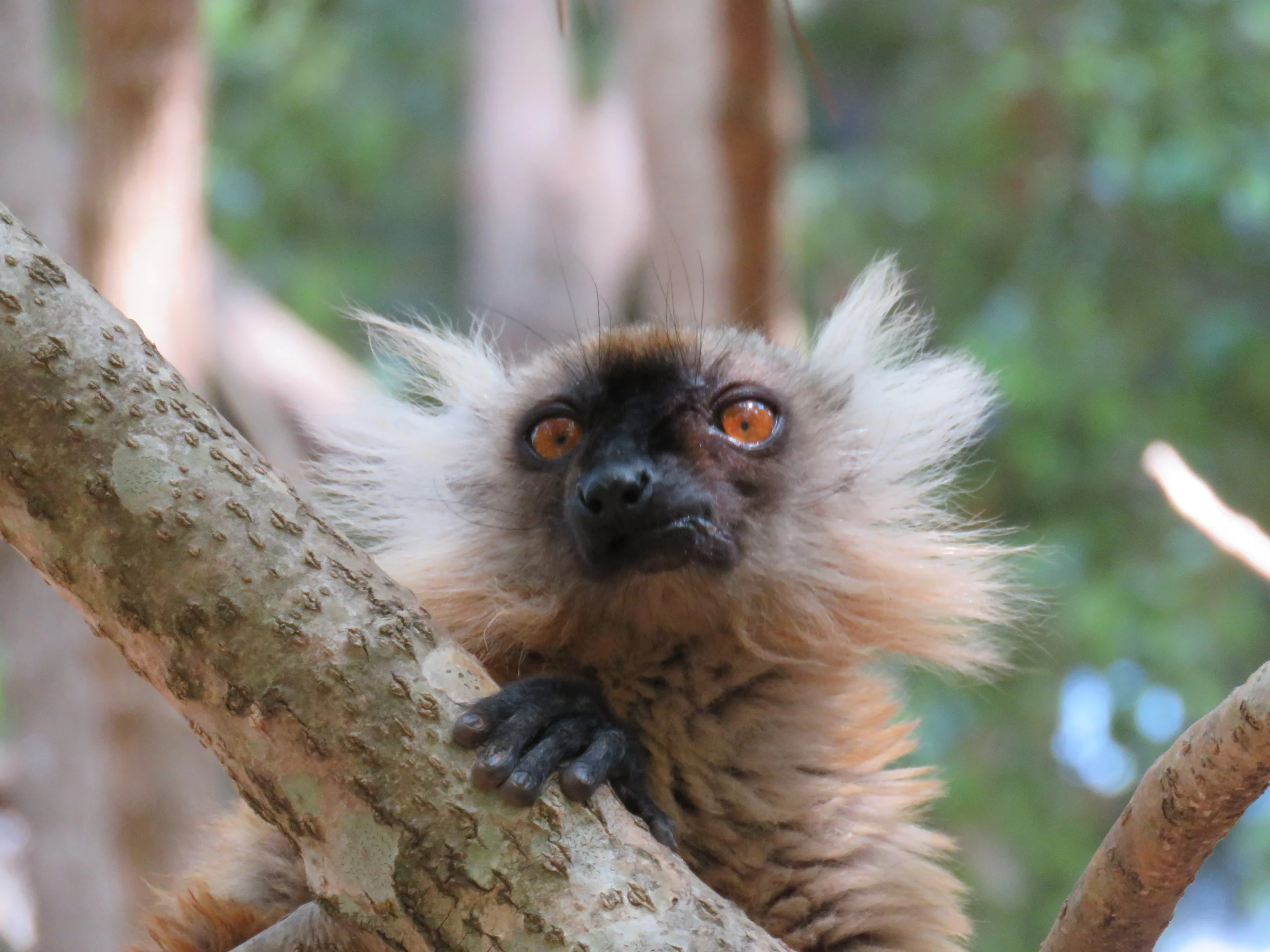
Madagascar, the world’s 4th-largest island, is a captivating destination located 400km off the southeast coast of the African continent. Known for its rich biodiversity, Madagascar has distinct climatic regions, divided by a high plateau that runs from north to south. The island continent’s landscapes range from lush rainforests and tropical beaches to dry desert areas and limestone plateaus. Renowned for its unique flora and fauna, 90% of species found in Madagascar are endemic and can’t be found anywhere else on Earth. This includes 107 different species of Lemurs, around 100 species of Chameleons! 311 bird species have been recorded here, of which 109 are found nowhere else! There are also 6 of the world’s 8 types of Baobab trees, and over 1000 species of Orchids, of which 90% are endemic.
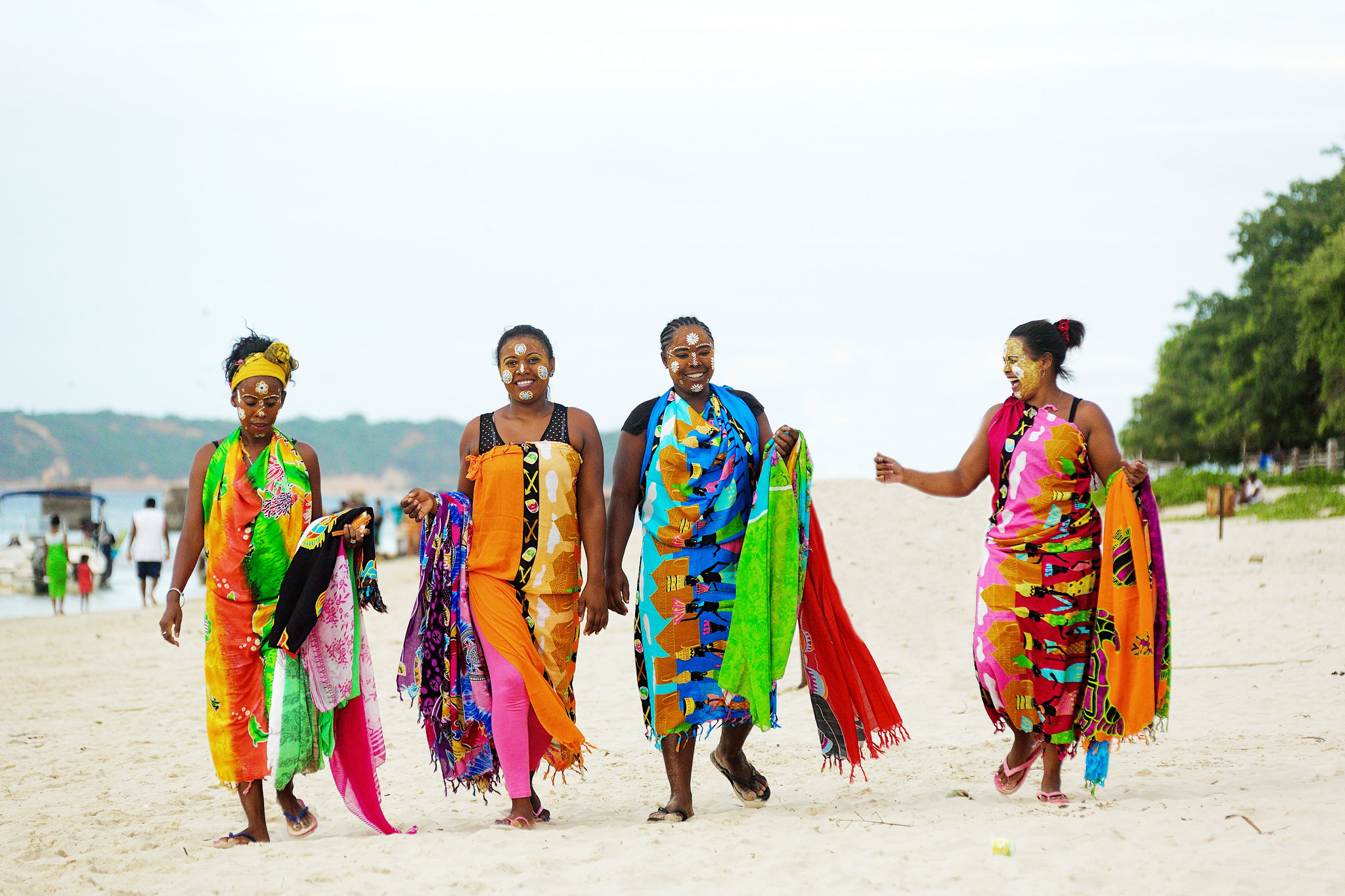
Culturally, Madagascar is a fascinating mix, with African, Asian, and French colonial influences, and the Malagasy people are known for warm hospitality, traditions and festivals.
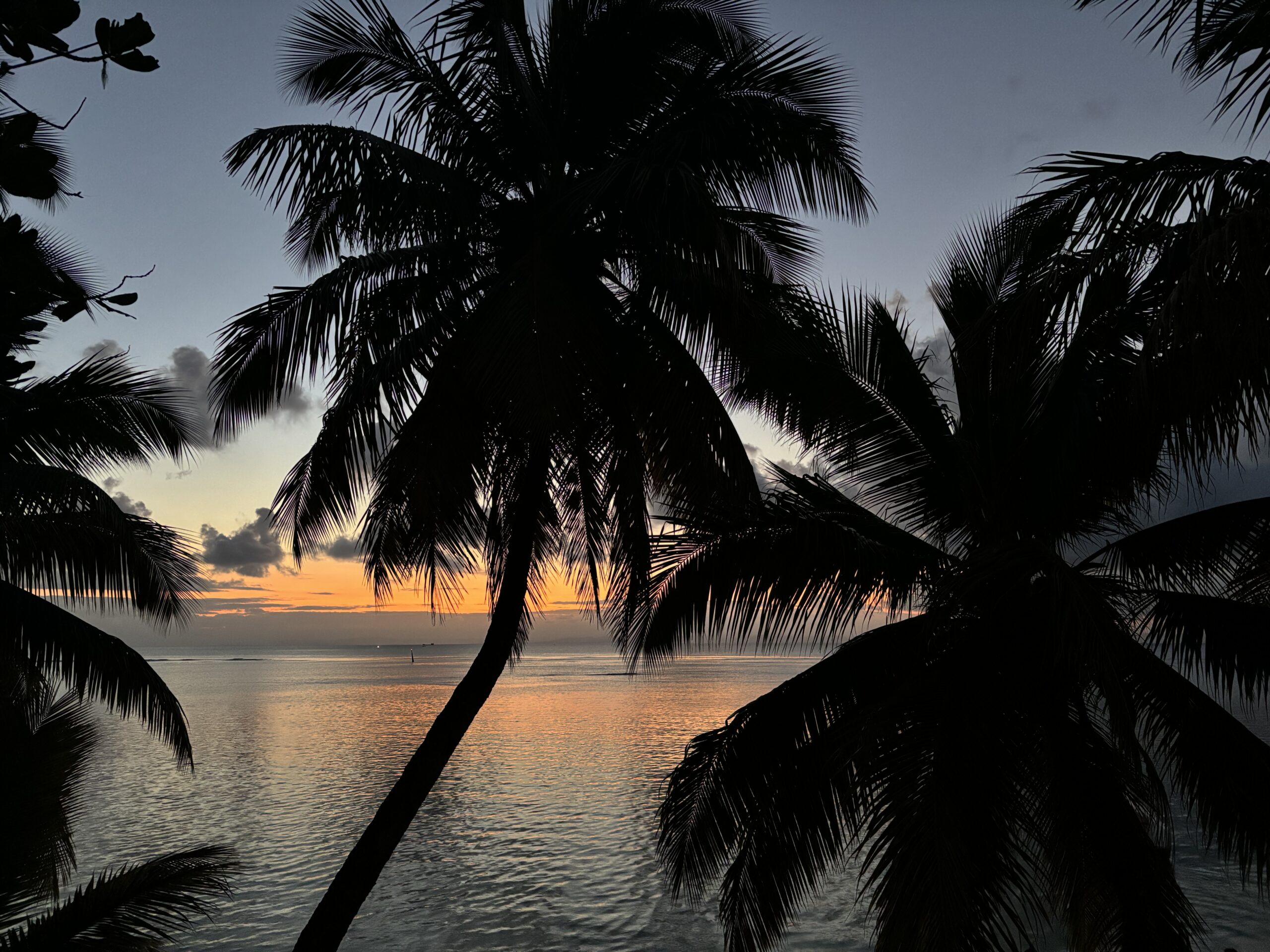
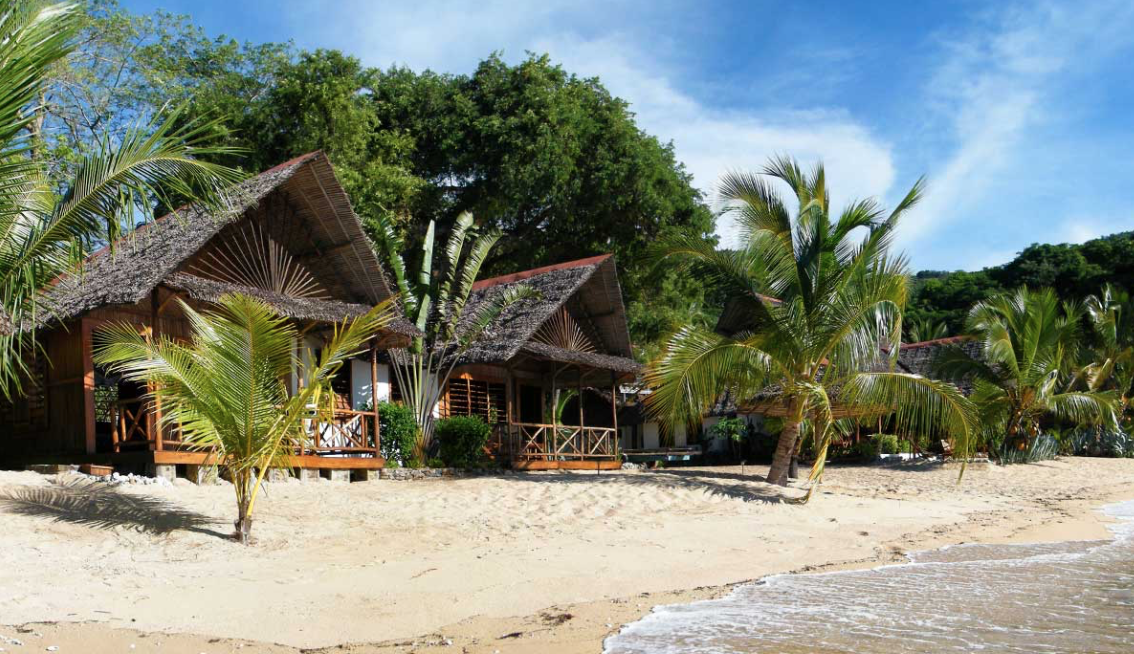
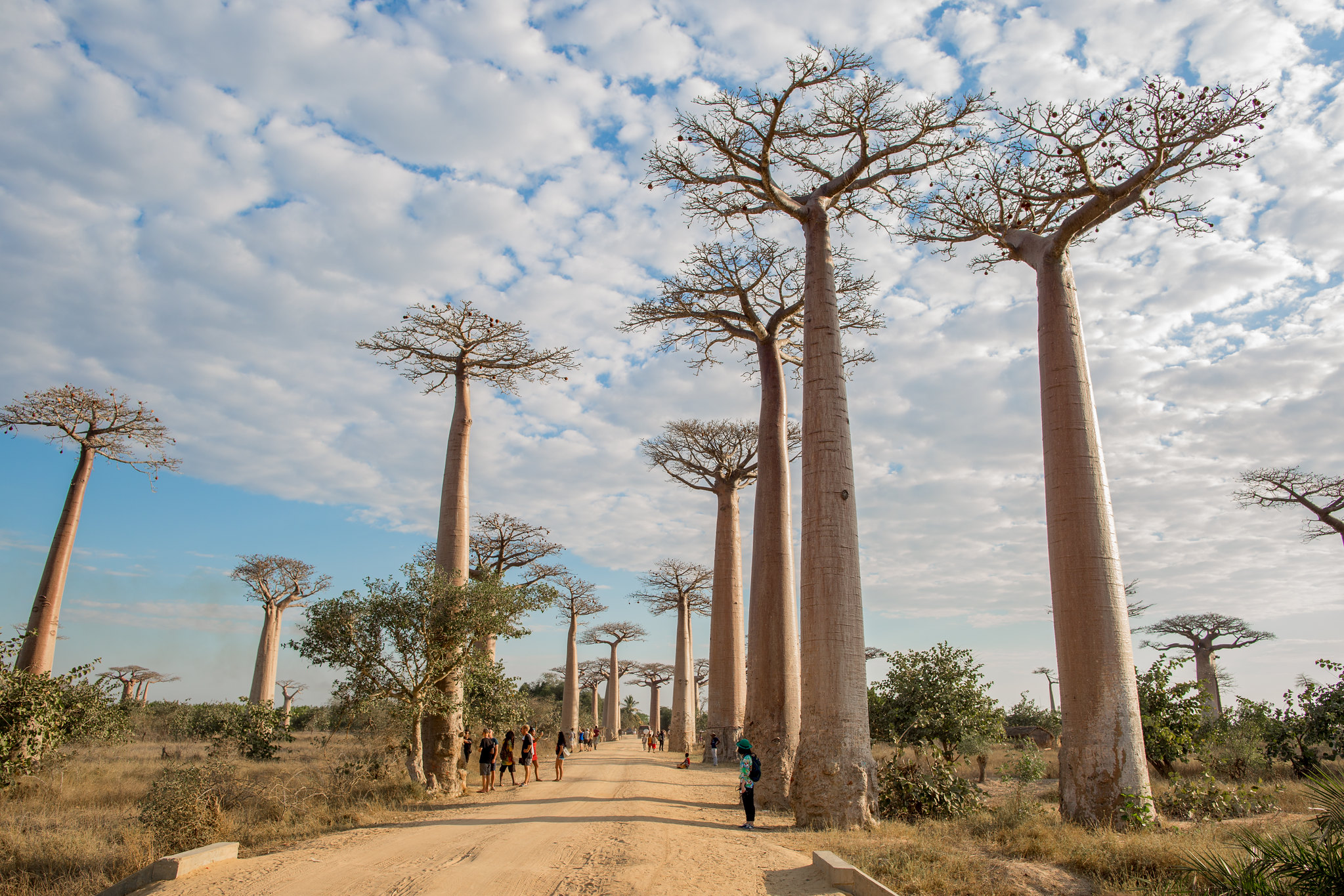
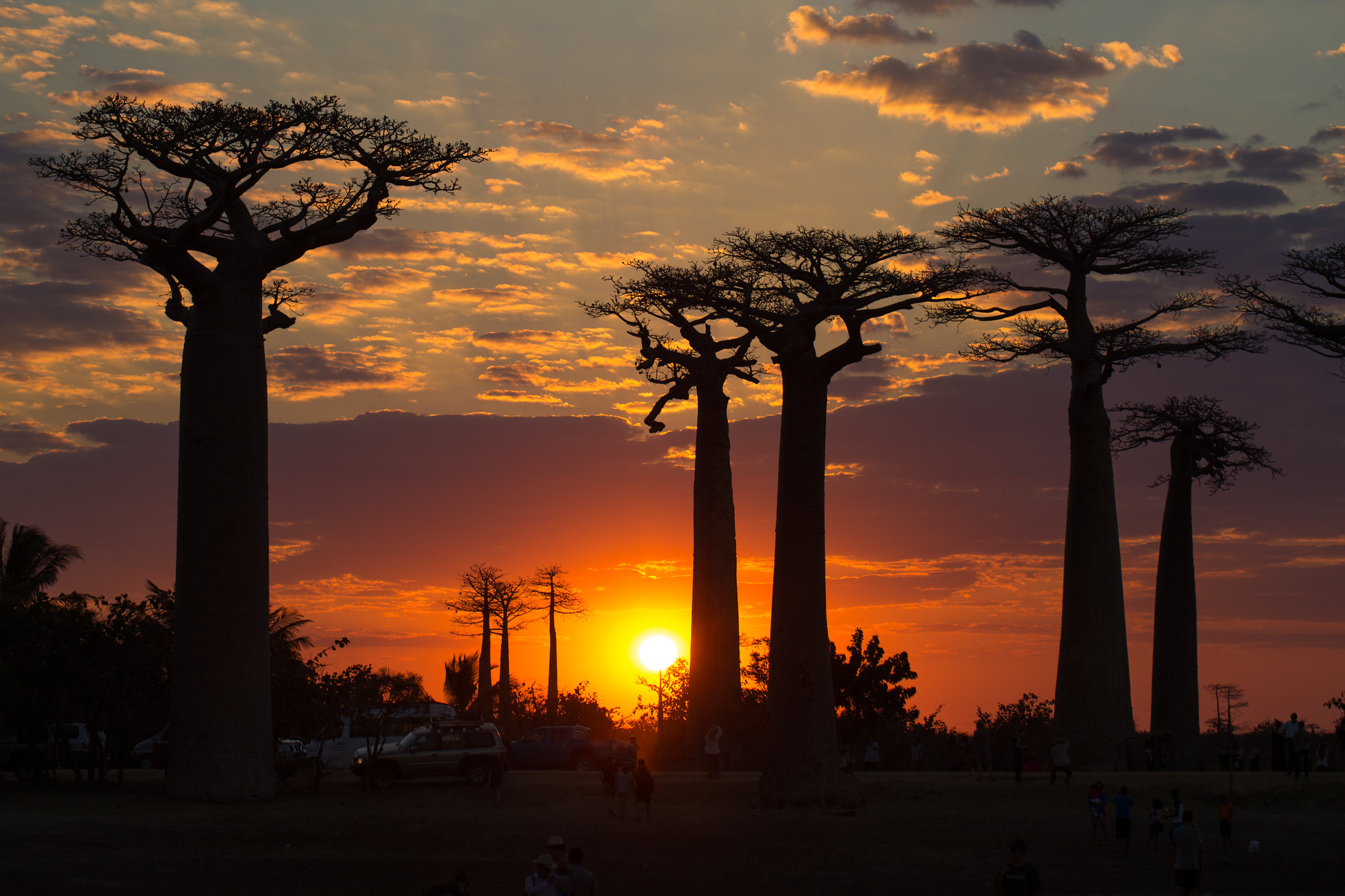
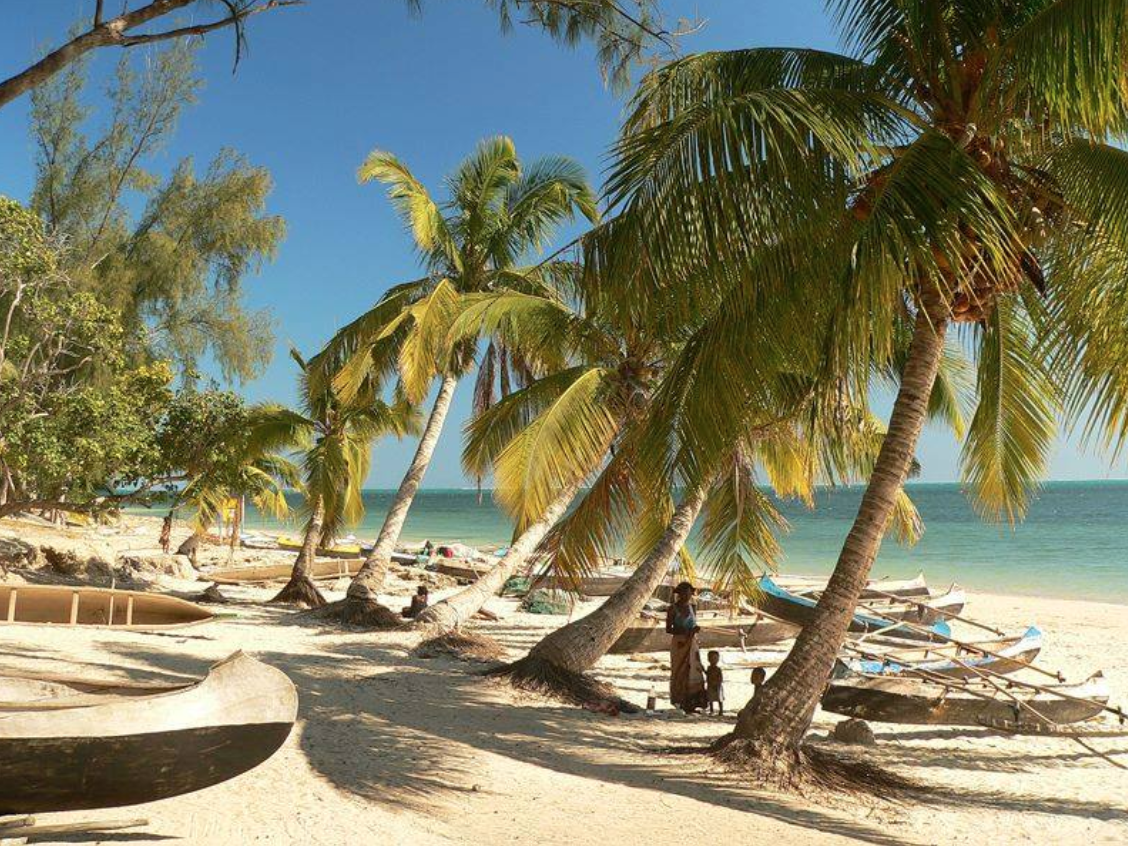
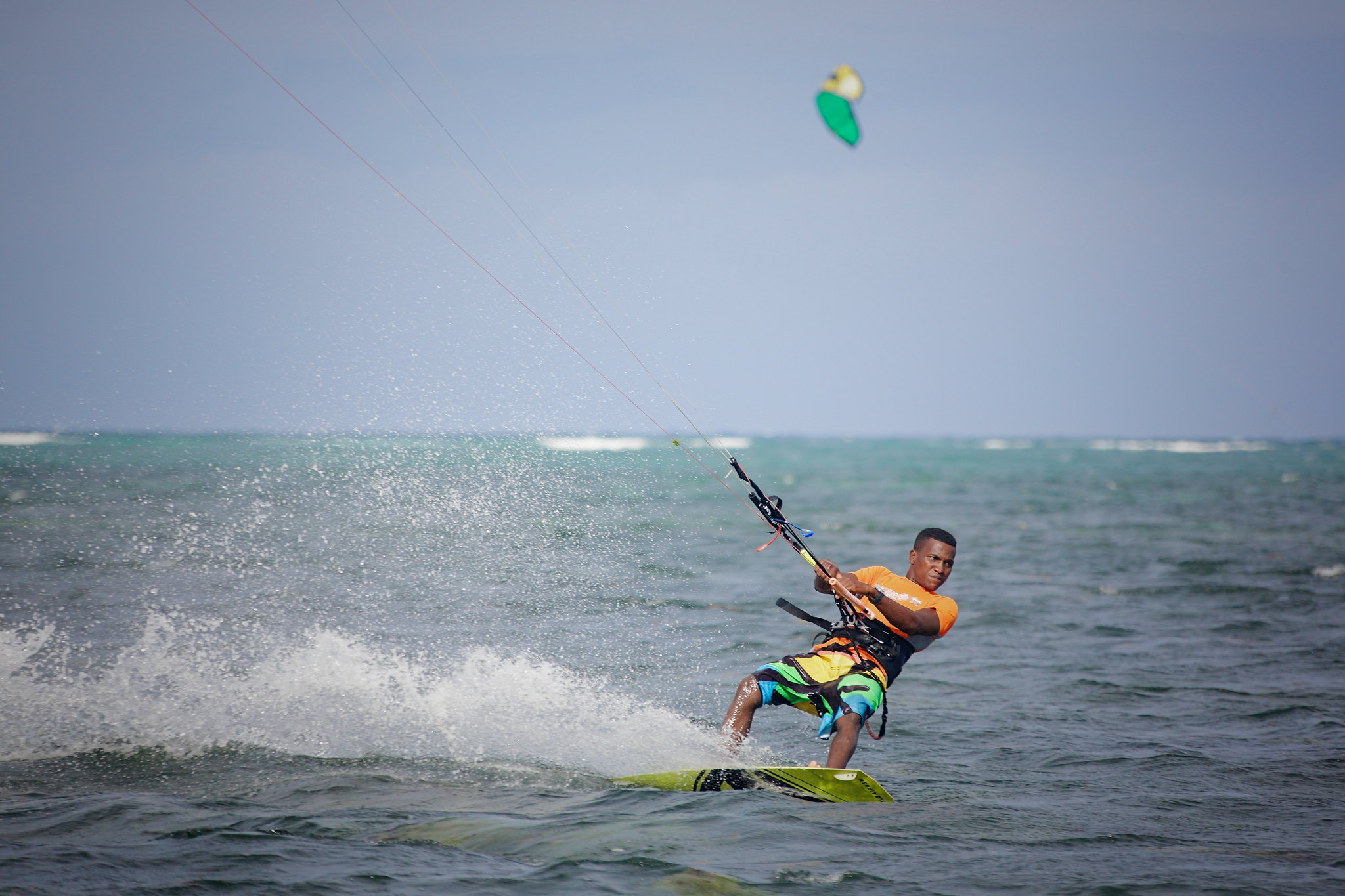
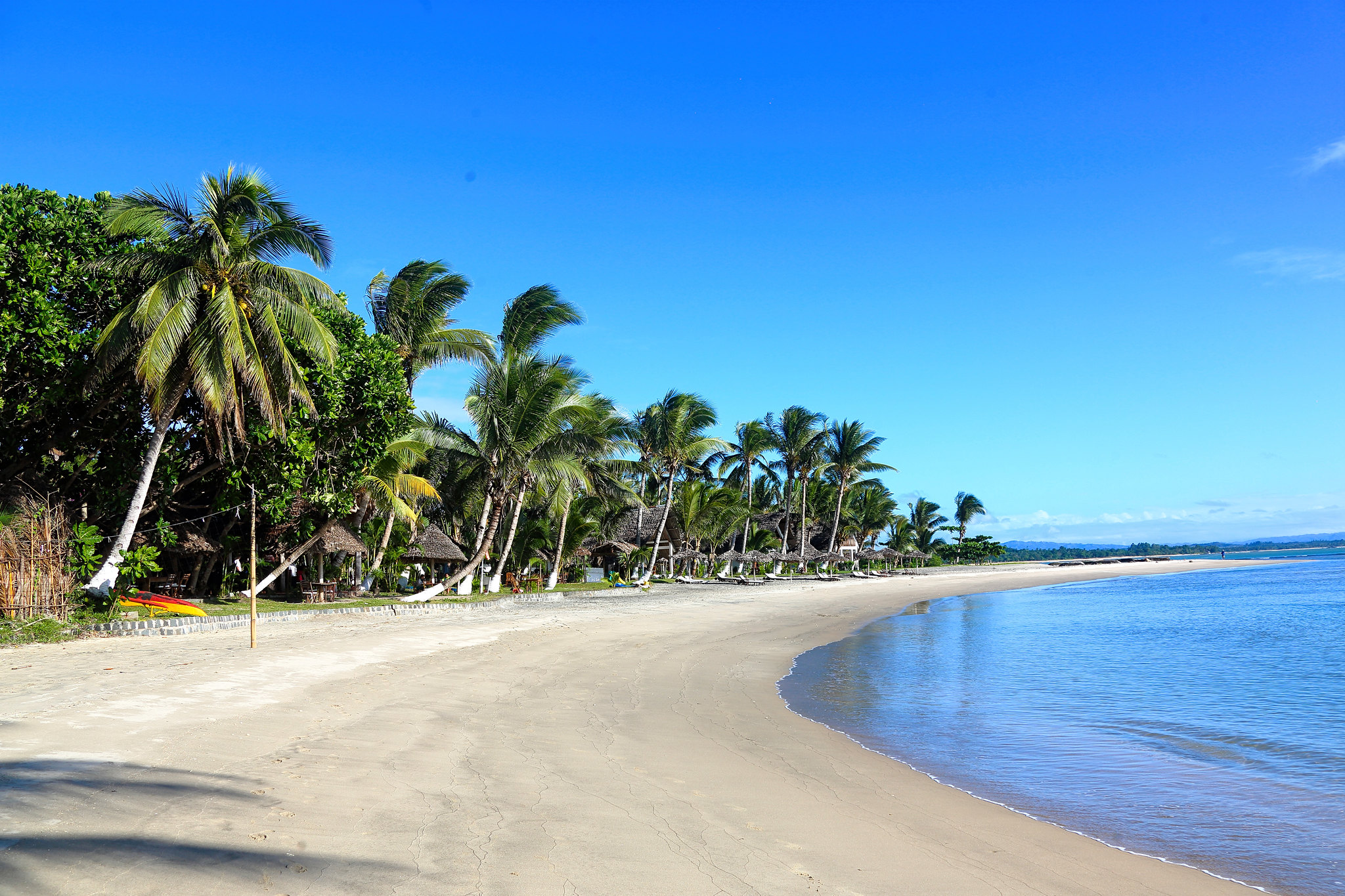
Madagascar offers a variety of attractions to adventurous travellers. The Avenue of the Baobabs, with its towering ancient trees, is a must-see, as is the UNESCO-listed Tsingy de Bemaraha National Park, known for its jagged limestone formations. The Andasibe-Mantadia National Park, to the east of Madagascar’s capital Antananarivo, is a great area for guided hikes to spot lemurs, chameleons, and exotic birds. Surrounded by the warm waters of the Indian Ocean, Madagascar’s beaches and islets are exotic and beautiful, offering a great range of water sports as well as picture-perfect relaxation.
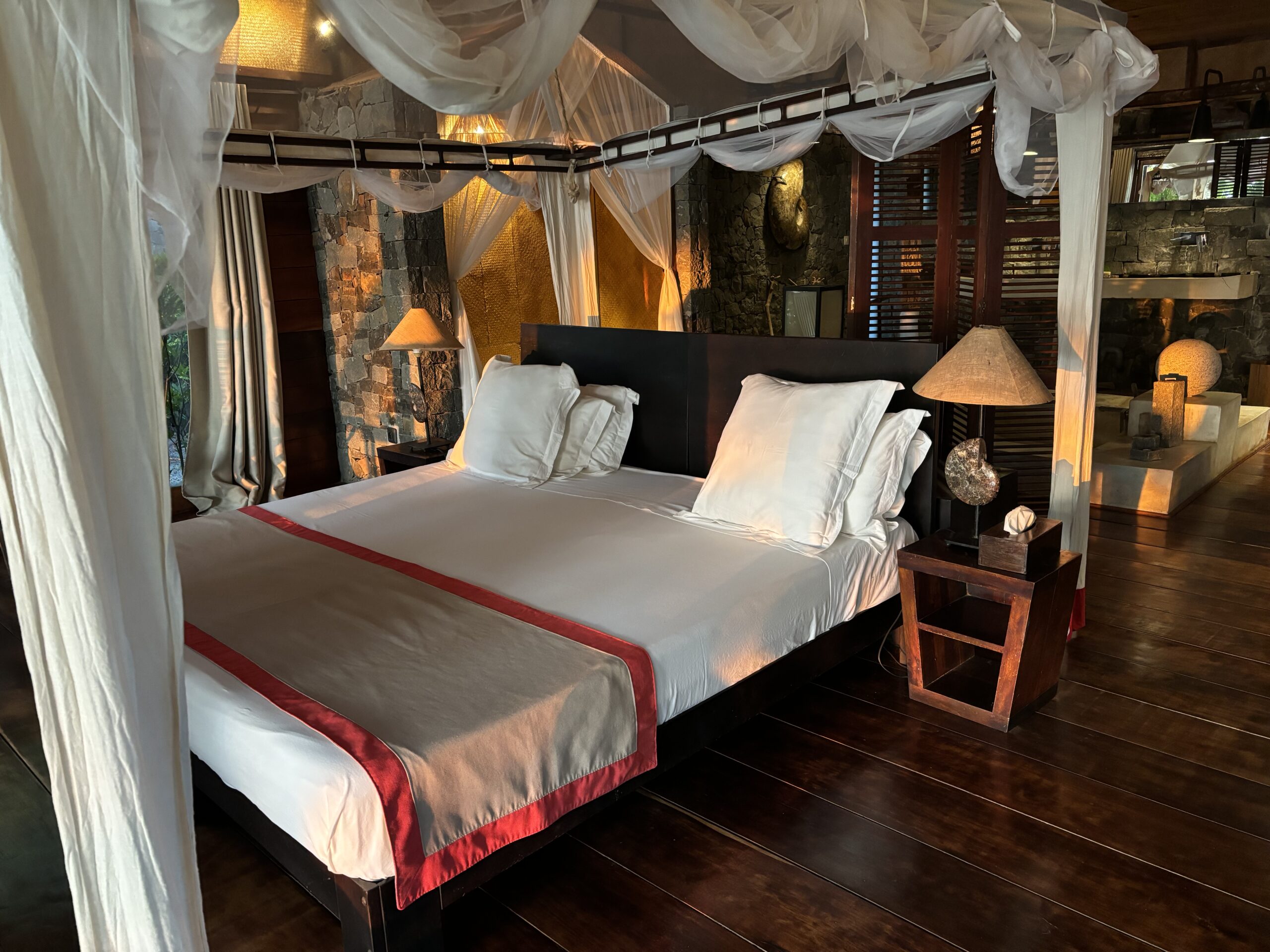
Historically, tourist accommodation has lacked the levels of luxury seen on the African mainland. However this is changing, with several beautiful beach lodges, as well as interesting high-end eco-properties at places of interest, including the national parks and Tsingys.
Currency: The Malagasy ariary (MGA) is the local currency. Credit card facilities are available at most tourist hotels and lodges, but you will want Ariary for any souvenir shopping. We recommend exchanging some Euros/Dollars for Ariary when you arrive.
Language: There are numerous dialects of the national language Malagasy. French is also widely spoken, especially in urban areas and by those in the tourism sector.
Food & Drink: The local cuisine is a blend of African, Asian and French influences, with rice as a staple. Dishes often include zebu (beef), chicken, and fresh seafood, flavoured with local spices such as ginger, cardamom, vanilla and cinnamon. There’s a huge variety of tropical fruits, delicious French pastries and strong coffee, and the local rums are legendary!
Dress: Light, loose, natural fibre clothing is ideal due to the tropical climate. Swimwear, sarongs and slip-slops are essential, with a wide-brimmed hat! Pack comfortable walking shoes and clothes for exploring nature reserves.
Travel To and Around Madagascar
There are almost daily flights into the capital Antananarivo, including Air France, Turkish Airlines, Kenya Airways, and Airlink from Johannesburg. Direct flights from Johannesburg into the islet of Nosy Be have resulted in this becoming a popular beach add-on to an African mainland safari.
Slightly larger than France, twice the size of the UK and almost as big as Texas, Madagascar is 1600km (995 miles) from north to south, and has 4800km (2983 miles) of coastline! It’s a huge country, and let’s be honest, the road network here is challenging. For travellers with the luxury of time, and a tolerance of very bumpy roads, it’s a fabulous country to explore on a guided 4×4 safari. However, most of our clients prefer to combine 3 or 4 diverse locations and experiences, travelling between them on the country’s domestic airline (Tsaradia), or using charter flights.
Light aircraft private charter flights cater to tourists seeking convenient and flexible travel across the island’s remote and diverse regions. Given the country’s vast size and limited road infrastructure, private charters are a popular option, allowing us to customise your vacation itinerary so you can explore multiple destinations on this unique island continent, whilst enjoying a more luxurious and exclusive travel experience.
Madagascar's Top Attractions
What To Do in Madagascar
- Antananarivo
- The East: Andisibe-Mantadia National Park, Masoala National Park
- The South: Isalo National Park, Fort Dauphin
- The North: Diego Suarez, Montagne d'Ambre National Park, Ankarana, Anjajavy
- The West: Avenue of the Baobabs, Tsingy de Bemaraha, Kirindy Reserve
- The Islands: Nosy Be, Nosy Ankao, Nosy Komba, Sainte Marie
- Beach Vacation
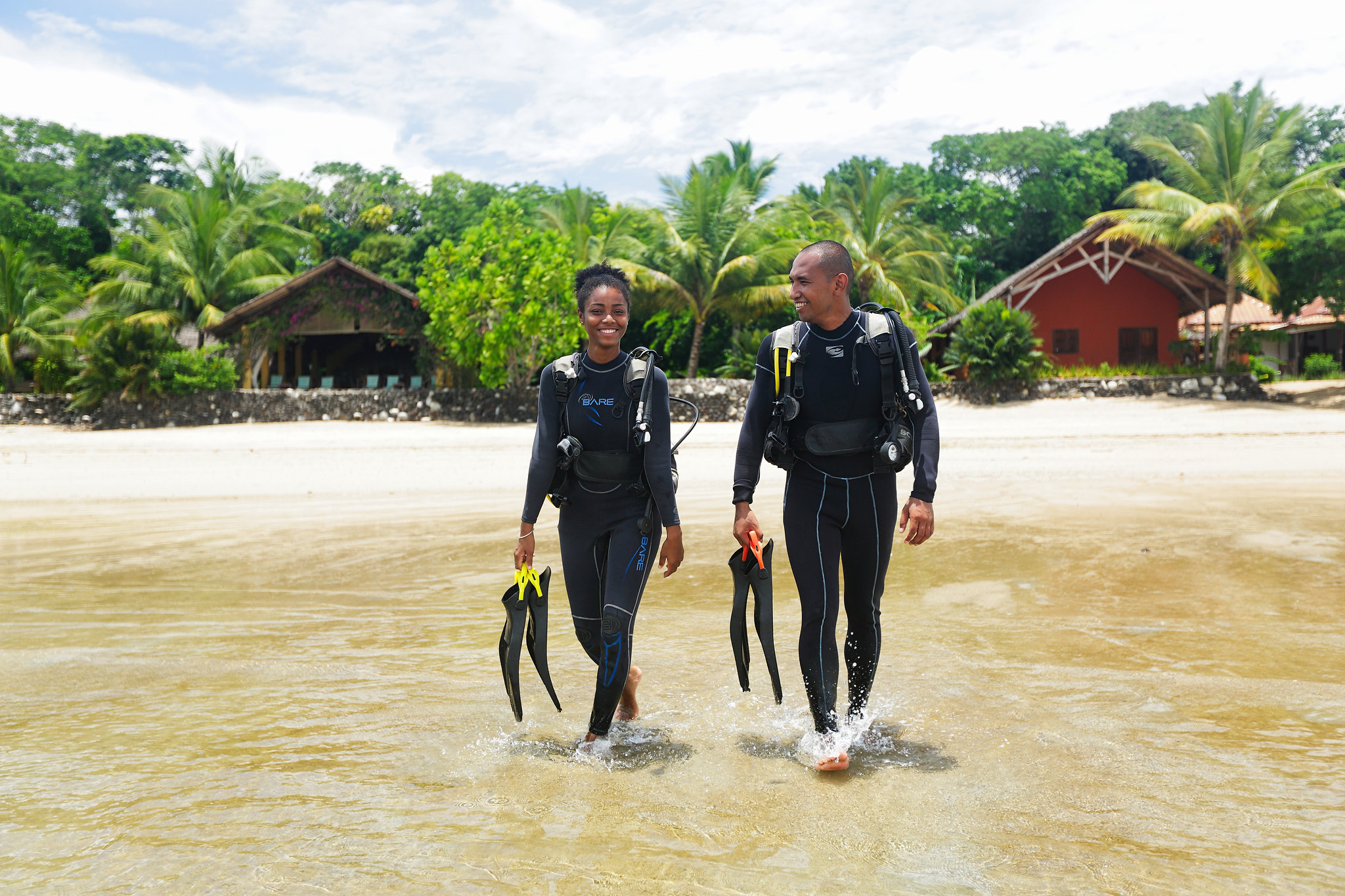
- Snorkelling, scuba-diving, kite-surfing, sport fishing
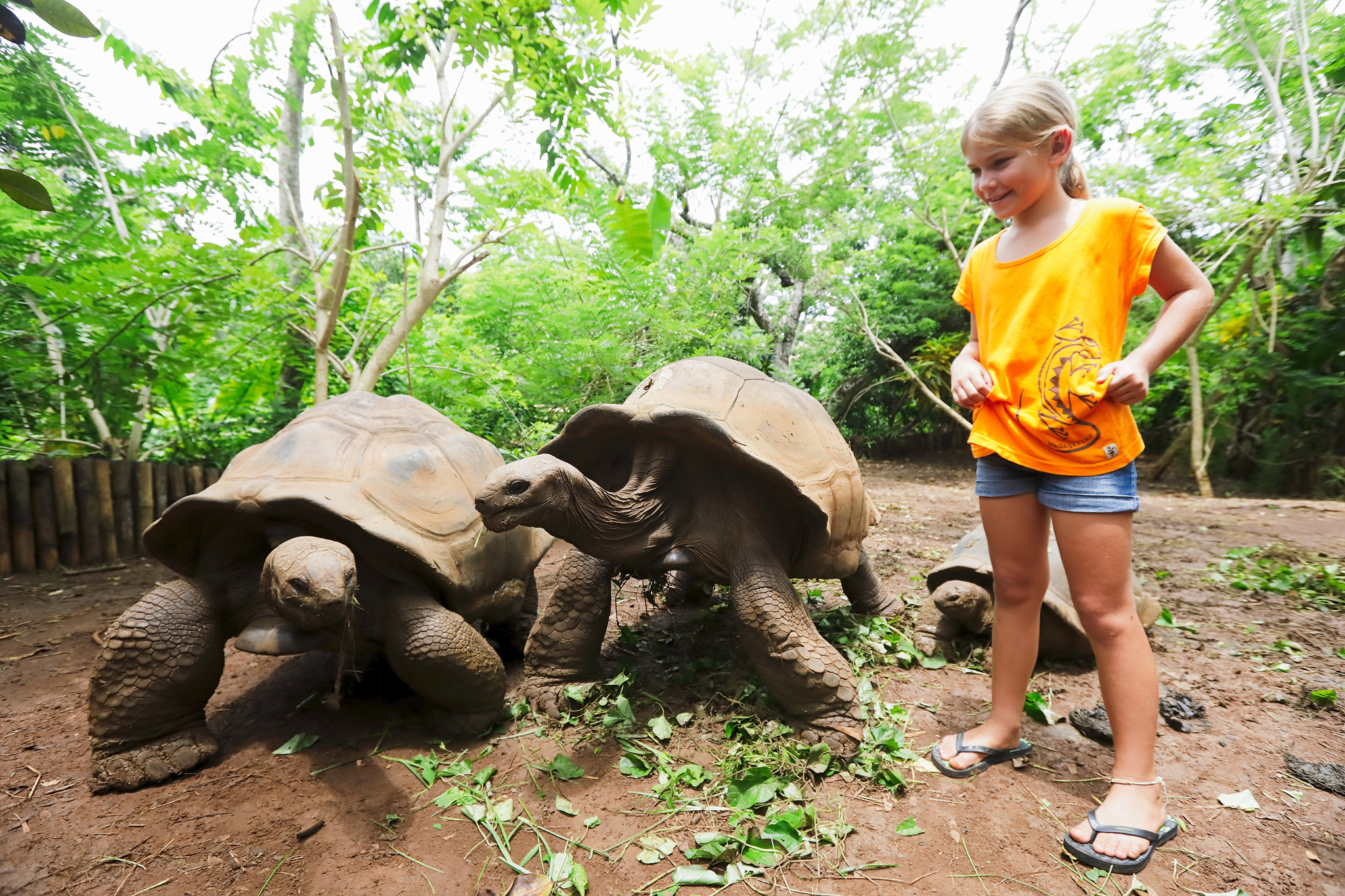
- Unique fauna and flora
- Birdwatching
- Trekking and Hiking
Where to Go
Antananarivo
Whilst you might not be in a rush to stay overnight in the capital, Madagascar’s poor road conditions and limited domestic airline network means visitors often need to spend a night in Antananarivo. “Tana” as it’s often called, is a bustling and vibrant capital, and being located in the highlands, it enjoys a cooler, more temperate climate than much of the rest of the country. There are currently only a handful of high quality hotels, and we generally recommend those located close to the airport due to heavy traffic congestion. If you do need to stay more than just overnight, there are several sites worth visiting. Most notable are: The Lemur Park, located 22km west of the city, where 9 species of lemurs can be seen in a semi-free environment.; Analakely Market, for souvenirs and spices; Andafiavaratra Palace with exhibits of historic Malagasy royalty. We organise guided 1/2 day and day tours.
The East
Andasibe Mantadia National Parks: A bio-diversity hotspot located to the east of Tana, Andasibe Mantadia comprises two protected areas – the Analamazotra Special Reserve and the Mantadia National Park. Easily accessible by road (a half-day drive), the lush rainforests are teeming with wildlife, and are home to 14 lemur species, including the largest of the lemurs, the Indri, as well as brown lemurs and the Sifaka. It’s also a birdwatcher’s paradise, with over 100 species recorded here, and plant enthusiasts will be delighted with the variety of orchids and ferns. Guided night walks additionally provide opportunities to spot a wide variety of reptiles including chameleons and tree frogs.
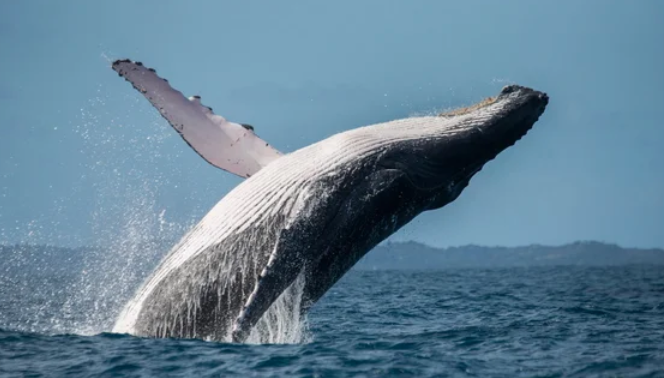
Masoala National Park: Located in the north-east of Madagascar, to the east of Antongil Bay, Masoala is a UNESCO World Heritage Site where dense rainforests meet pristine sandy beaches and vibrant coral reefs. With no direct roads, access is via a flight into Maroantsetra, combined with a 2-hour boat trip across Angontil Bay. Accommodation here is in eco-lodges and camps, and we recommend stays of at least 4 nights. Activities include rainforest walks, birdwatching, marine excursions, snorkelling and scubadiving. Humpback whales migrate through Antongil Bay from July to September.
The South
Fascinating and diverse landscapes and unique attractions offer a mix of natural wonders, wildlife, and cultural experiences.
Isalo National Park: Known for its striking sandstone formations, deep canyons, and natural pools, Isalo is a must-visit for trekkers and nature lovers. The park’s dramatic scenery includes the famous “Window of Isalo,” a rock formation that frames the sunset beautifully. Home to ring-tailed lemurs, Verreaux’s Sifaka, red-fronted brown lemurs and bamboo lemurs.
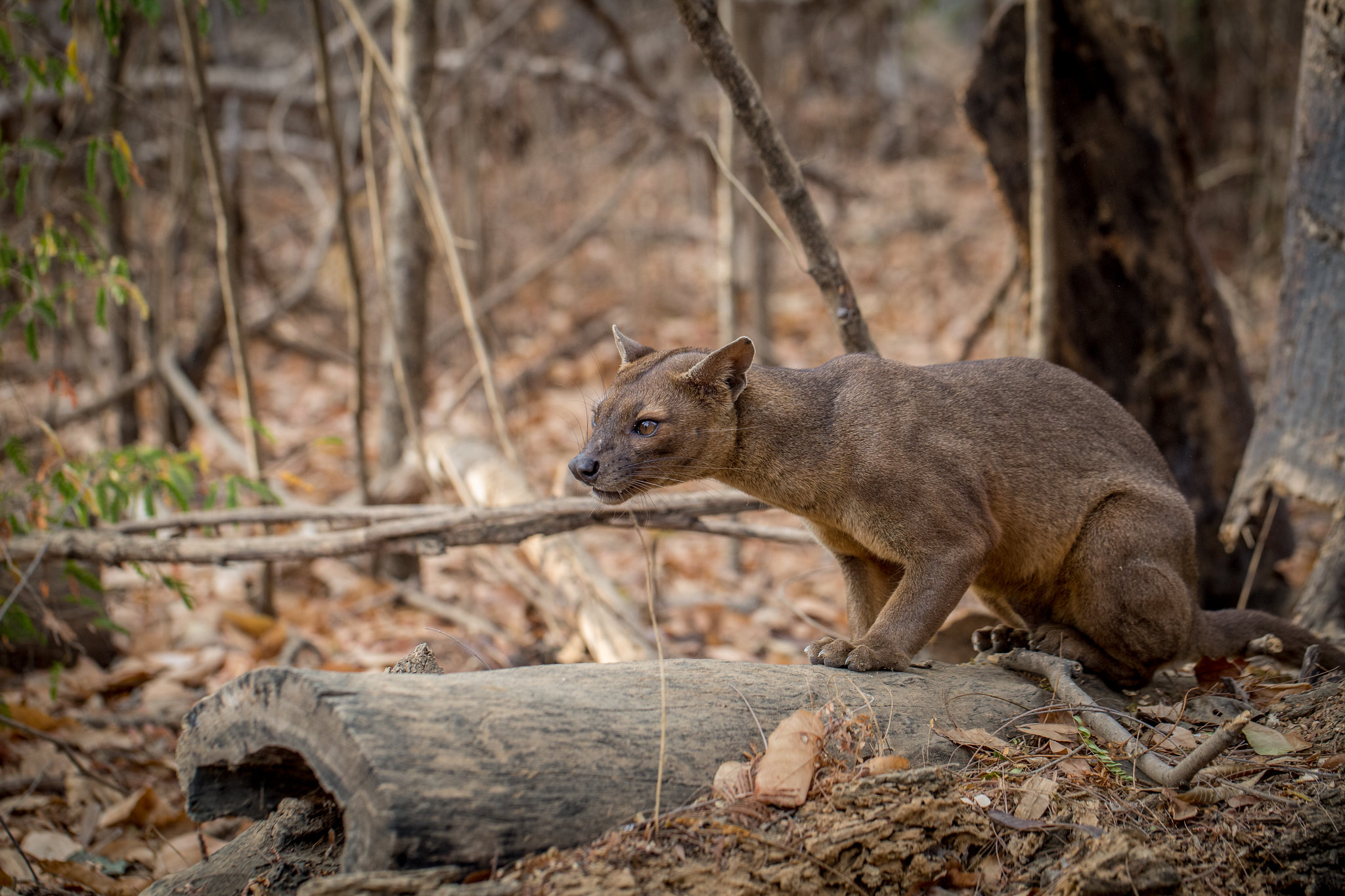
Ifaty: Near the coastal town of Tuléar (Toliara), Ifaty is one of the best areas to explore the spiny forest, a unique and distinctive eco-system characterised by semi-desert-adapted vegetation and endemic species, including Verreaux’s Sifaka and Fossa. Ifaty is also a great region for snorkelling and diving in the Mozambique Channel.
Fort Dauphin (Tolanaro): This charming town on the south-eastern tip of Madagascar is surrounded by beautiful beaches and remote natural reserves featuring both dry and rainforests. Regional biodiversity hotspots include Andohahela National Park and the private Berenty and Nahampoana Reserves. These reserves offer easy access, diverse vegetation and a fantastic range of Madagascar’s unique wildlife. Excellent rainforest and river camps / lodges provide comfort, and organised adventure for travellers seeking a luxurious and unique stay in the south of Madagascar.
The West
Offering a range of unique landscapes and wildlife experiences, the west of Madagascar is a key region for tourism.
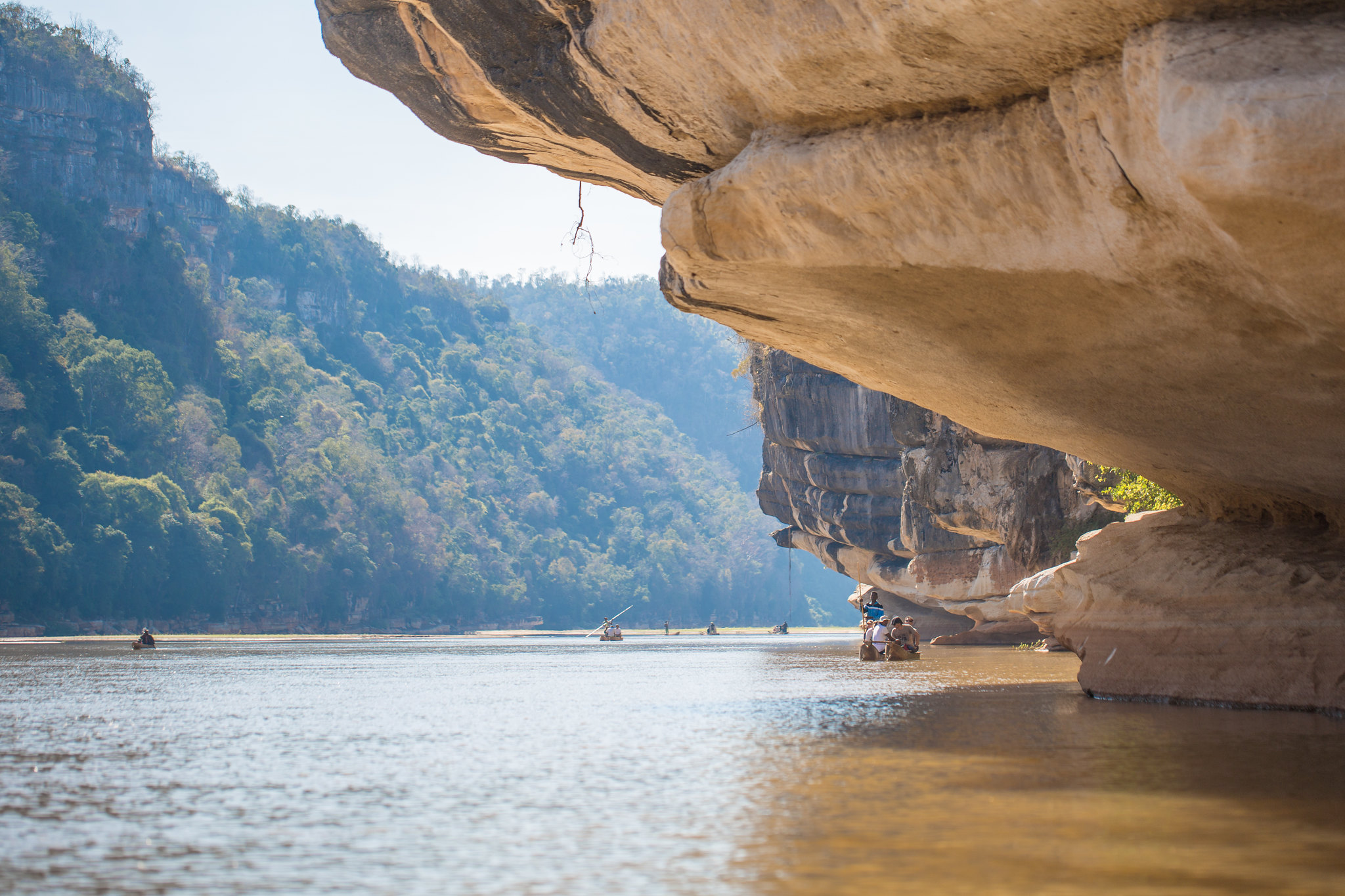
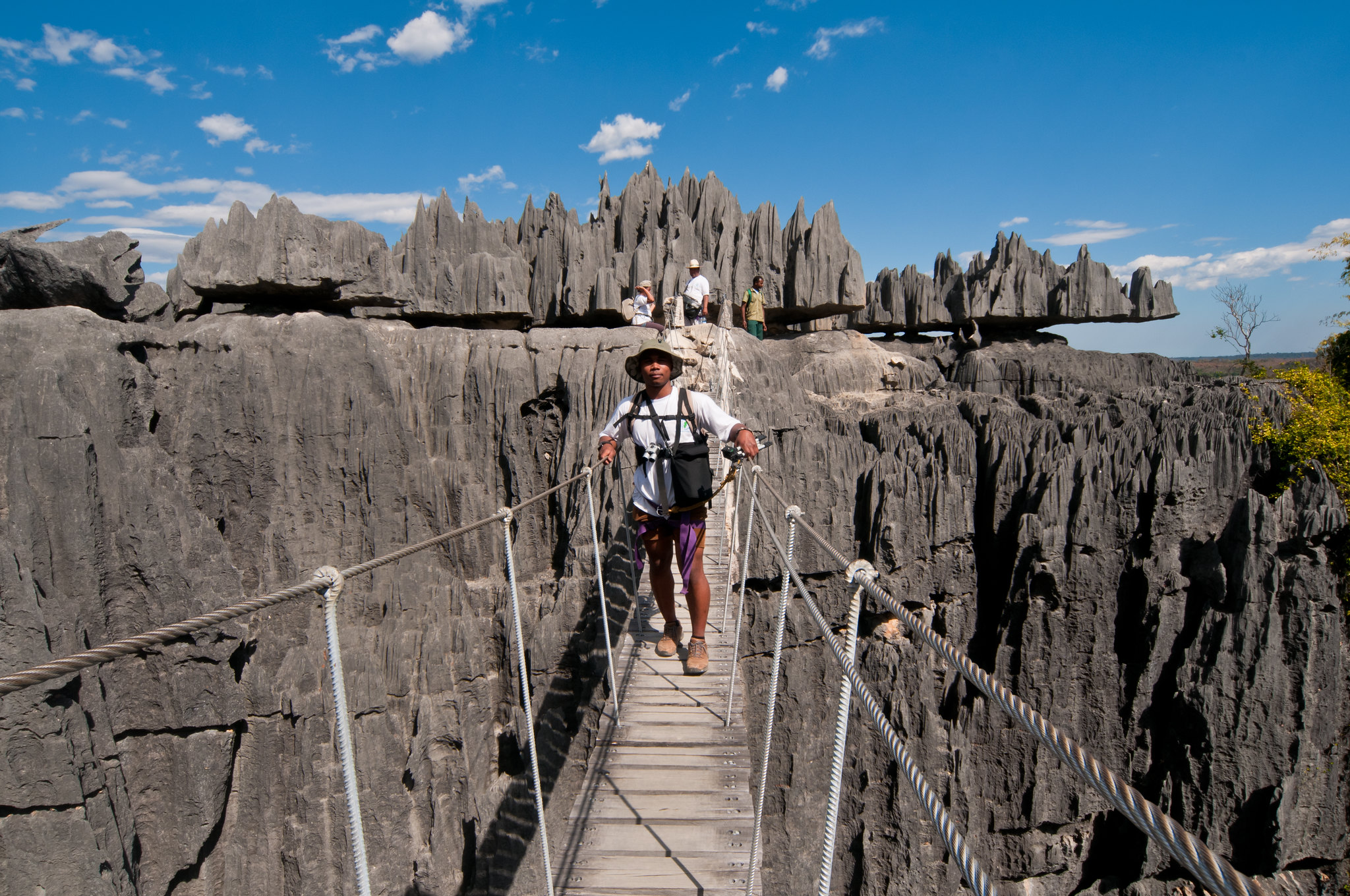
Tsingy de Bemaraha National Park, almost directly west of Tana, is famous for its dramatic limestone formations known as “Tsingy,” which create a labyrinth of sharp, needle-like peaks. The park is home to unique wildlife, including several lemur species and the endangered Fossa. This UNESCO World Heritage Site offers exceptional trekking opportunities through its canyons, suspension bridges, and caves, making it a must-visit for nature and adventure enthusiasts.
Avenue of the Baobabs: Perhaps Madagascar’s most scenic and famous tourist location, Avenue des Baobabs is a road lined with huge Adansonia Grandidieri baobab trees about 40km north of Morondava on the west coast. Almost essential in a Madagascar itinerary, the location combines well with Tsingy de Bemaraha and Kirindy Reserve.
Kirindy Reserve: A dry deciduous forest reserve famous for its high density of lemur species, including the iconic Verreaux’s Sifaka and the rare pygmy mouse lemur. Kirindy also offers one of the best chances to see the Fossa, an endemic carnivorous mammal that preys on lemurs.
The North
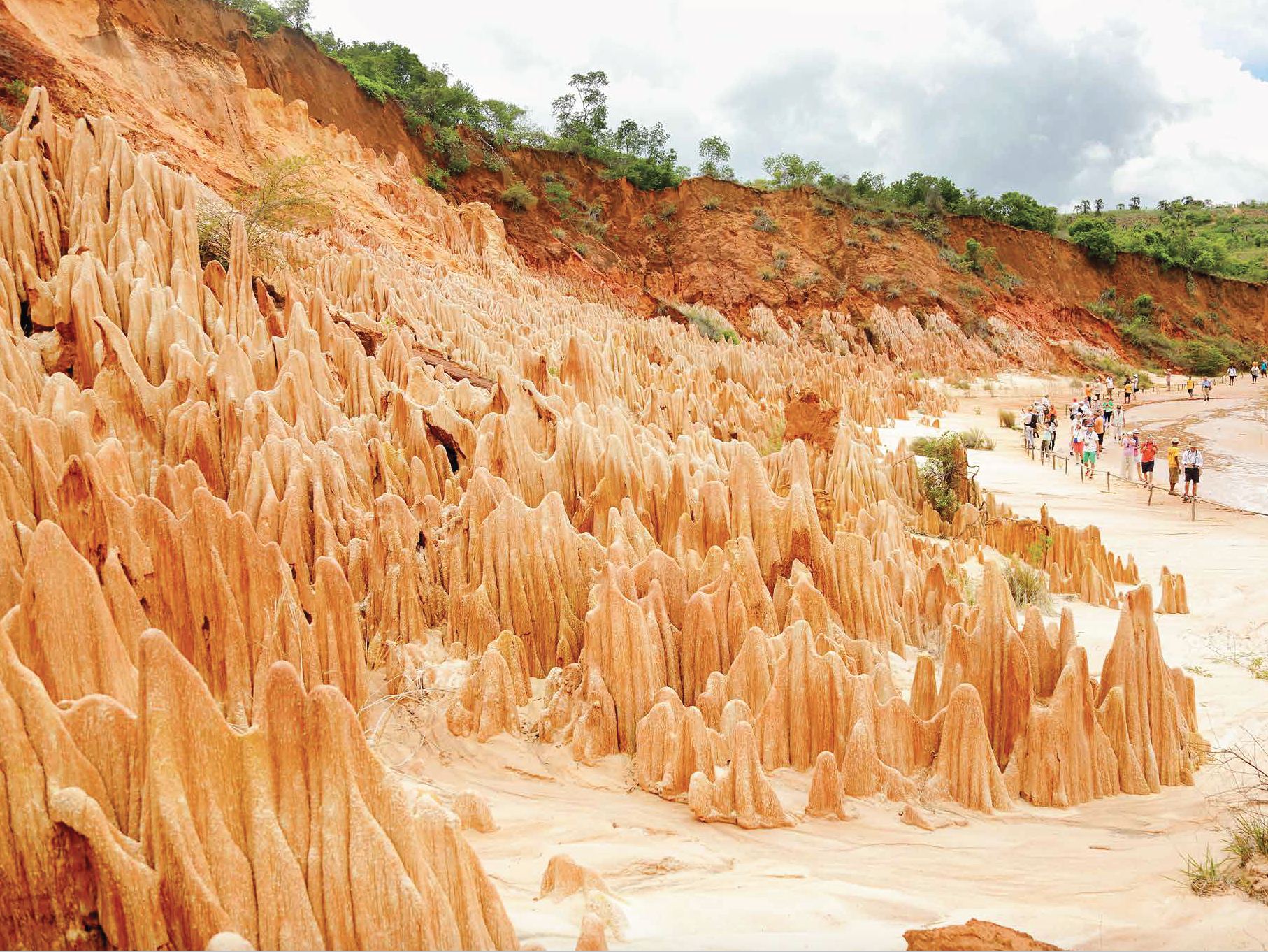
Diego Suarez (Antsiranana) is located in the far north of Madagascar. This pretty town has a laid-back vibe with colourful buildings, narrow streets and a combination of French colonial architecture, and vibrant Malagasy culture. Enjoy boat excursions, snorkelling and diving on the Turquoise Lagoon, explore artisanal markets and take a day tour to the striking red sandstone formations of Tsingy Rouge, about a 2 hour drive from the town. Diego is also the starting point for tours to Montagne d’Ambre and Ankarana National Parks.
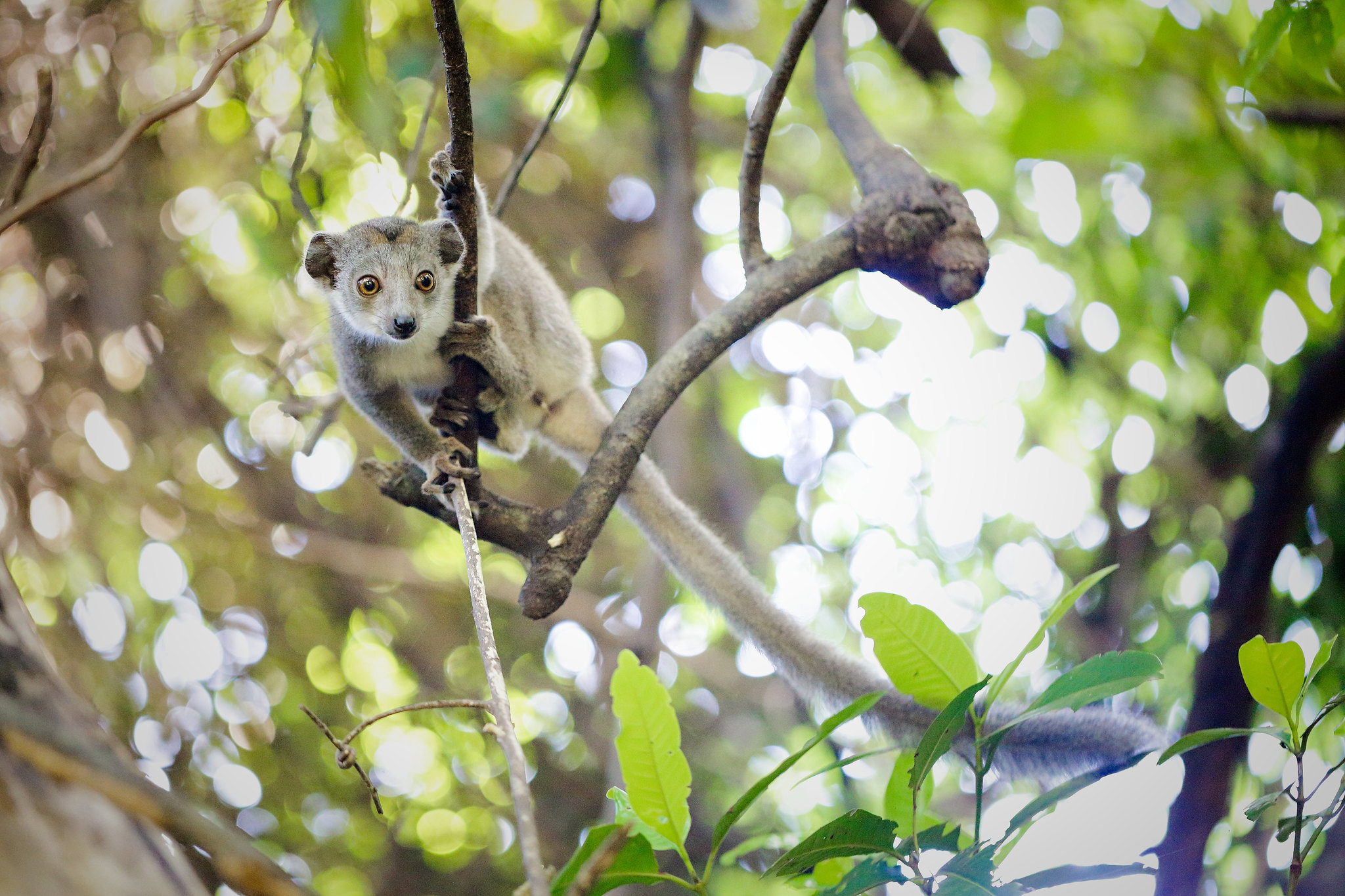
Ankarana National Park : Located approx 100km south of Diego Suarez, Ankarana is a must-see destination in the north of Madagascar! Renowned for the Tsingy de l’Ankarana – breathtaking limestone formations, hidden sacred caves, underground rivers and deep canyons, all interspersed with lush forests, as well as unique wildlife and cultural significance, the park offers both leisurely walks and more challenging hikes. A guide is mandatory, as they provide invaluable insights and ensure safety on the rugged terrain and suspension bridges. Shorter trails, like the one to the Tsingy Rary, are accessible to most visitors, while longer treks to the deeper canyons and caves require good fitness and stamina. It’s essential to bring strong, comfortable hiking shoes, plenty of water, sun protection, and a headlamp if you plan to explore caves. The park is rich in endemic wildlife, including crowned lemurs, Sanford’s brown lemurs, and various reptiles and birds. To fully experience the park, plan to spend 1 or 2 days, depending on your interests and energy level. There are nice eco-lodges/ bush camps close to the national park. Best time to visit is during the dry season (April to November)
Montagne d’Ambre National Park Located about 30km south of Diego Suarez, this lush, verdant paradise is characterized by dense, tropical rainforests draped in vines, orchids and moss. Towering trees form a thick canopy, creating a cool, shaded environment below. The landscape is punctuated by dramatic waterfalls and serene crater lakes, and is a biodiversity hotspot – home to crowned lemurs, Sanford’s brown lemurs, and a remarkable variety of reptiles and birds, including some of Madagascar’s smallest chameleons, and the Madagascar Crested Ibis. This rich, green world is alive with the calls of lemurs and the sounds of birds, making it a haven for nature lovers and photographers alike. Well-maintained hiking routes cater for easy walks to long, challenging explorations. A guide is recommended at all times, and is mandatory for night hikes.
Anjajavy is an idyllic luxury destination located on the northwest coast of Madagascar, known for its stunning landscapes, pristine beaches, and rich biodiversity. The private eco-lodge is perfect for those seeking a tranquil retreat with luxurious accommodation and an immersion in Madagascar’s natural beauty. The lodge is surrounded by a 1030 hectare private reserve, and can only be reached by light aircraft. Private charters are possible from most airports, and regular air transfers operate from Antananarivo on Tuesdays, Thursdays and Saturdays. Explore lush forests, mangroves and deserted beaches. The reserve is home to a wide variety of lemurs, chameleons, and a variety of bird species as well as other endemic flora and fauna.
The Islands
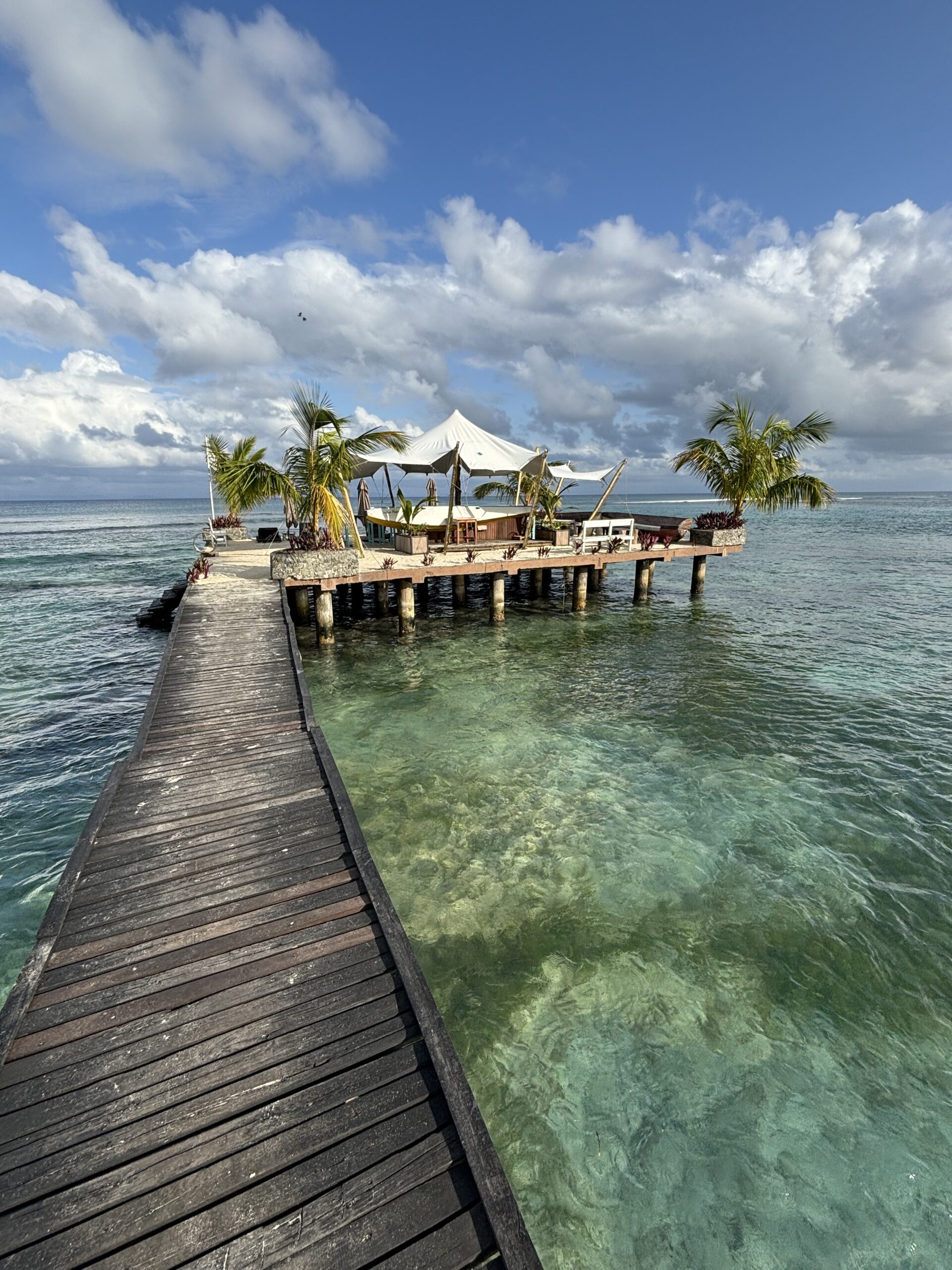
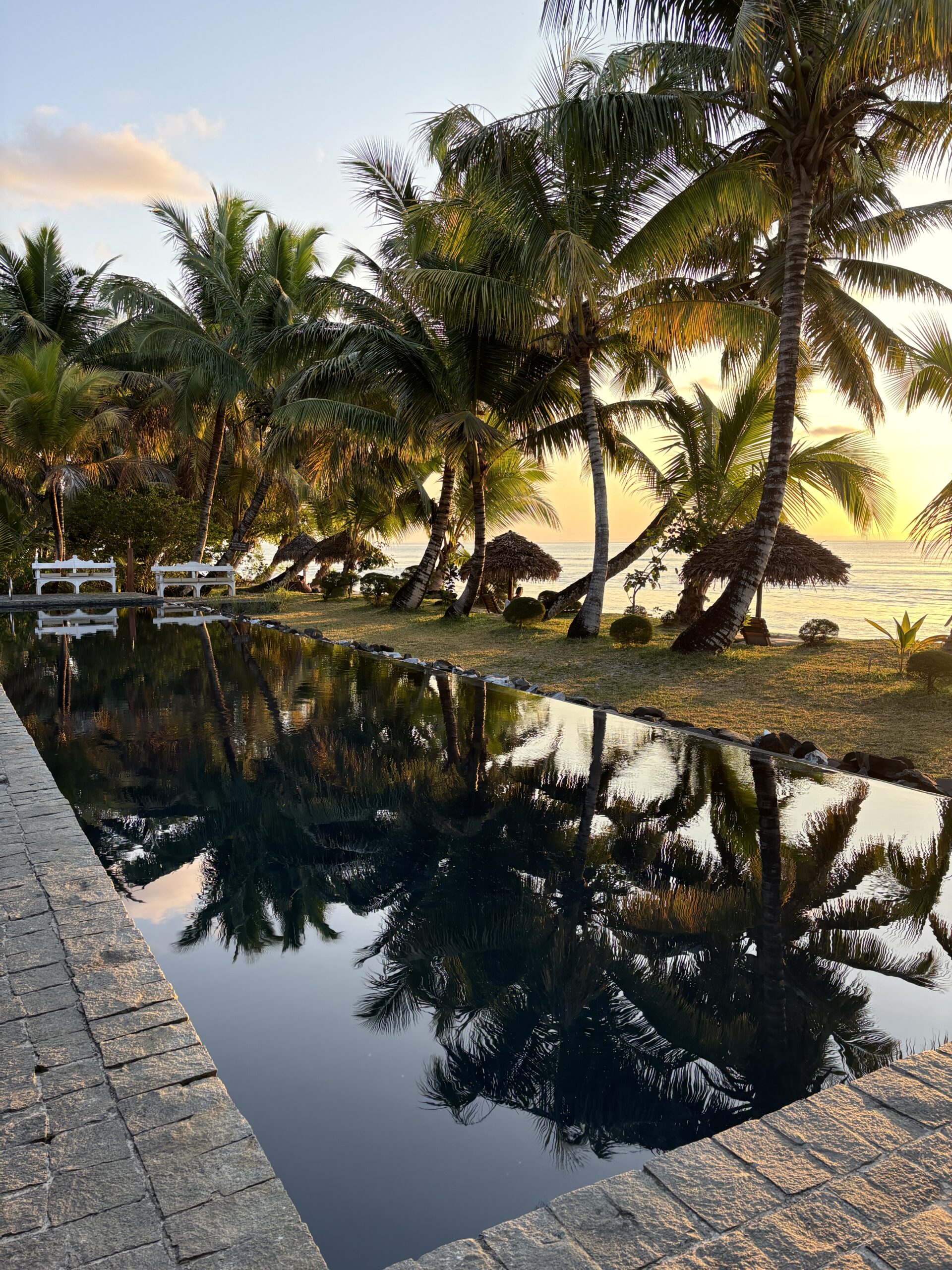
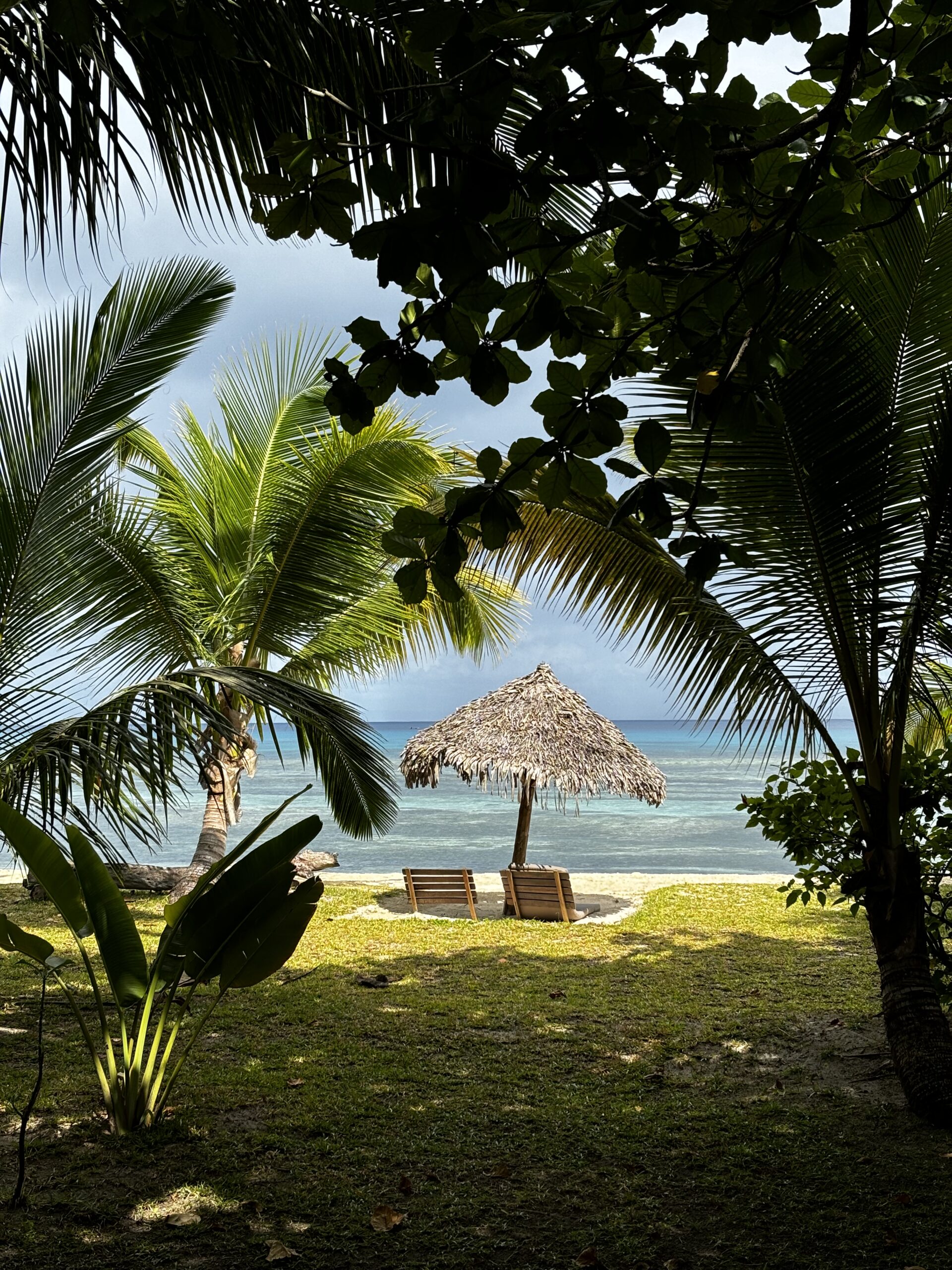
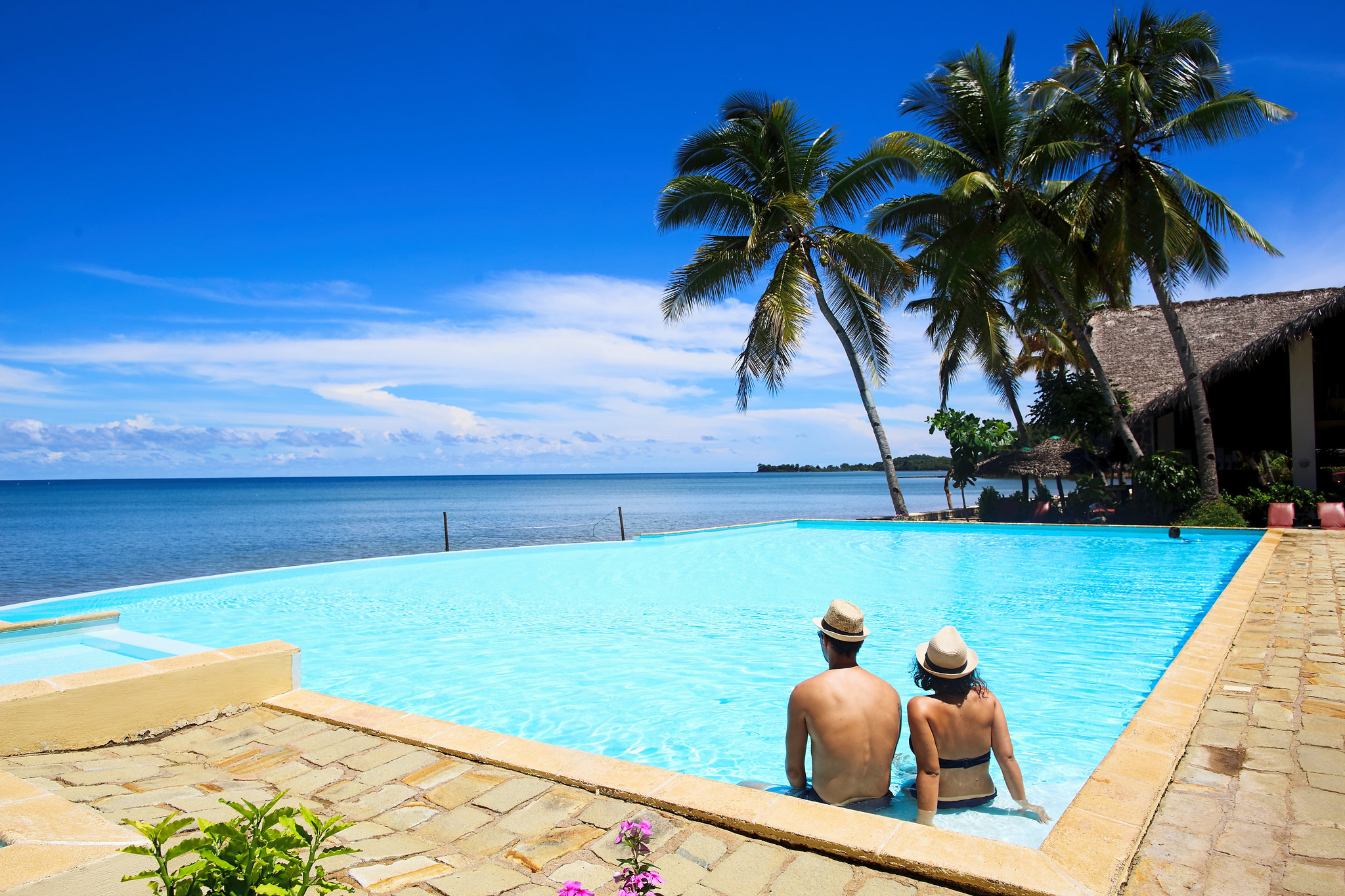
Nosy Be: Located in the north west, Nosy Be and its surrounding islands are amongst Madagascar’s premier holiday destinations, renowned for barefoot luxury, adventure and natural beauty. Enjoy pristine beaches, clear turquoise waters, vibrant marine life, and a variety of leisure activities, including snorkelling, diving, fishing, yacht charters and seasonal whale watching. Nosy Be offers a relaxed atmosphere, where tropical landscapes and unique wildlife combine with high-end accommodations and world-class service. Flights from Antananarivo into Nosy Be take about an hour. There’s also a weekly direct flight into the island from Johannesburg, making this a very desirable destination for a safari/beach combination vacation!
Other popular islands close to Nosy Be include Nosy Komba, Nosy Tanikely, Nosy Sakatia, and Nosy Iranja, each with their own distinct appeal. Most islands are reached by a short boat ride or private charter flight from Nosy Be.Talk with us to discover which island is best for your dream vacation!
Nosy Ankao: Located off the north east coast of Madagascar, Nosy Ankao is home to Madagascar’s only 5* Deluxe Property, Miavana. Helicopter transfers from Nosy Be or Diego Suarez provide the only access to this private and remote sanctuary. Perfect for honeymoons, privacy, and as an ultra-luxurious beach add-on to an African safari.
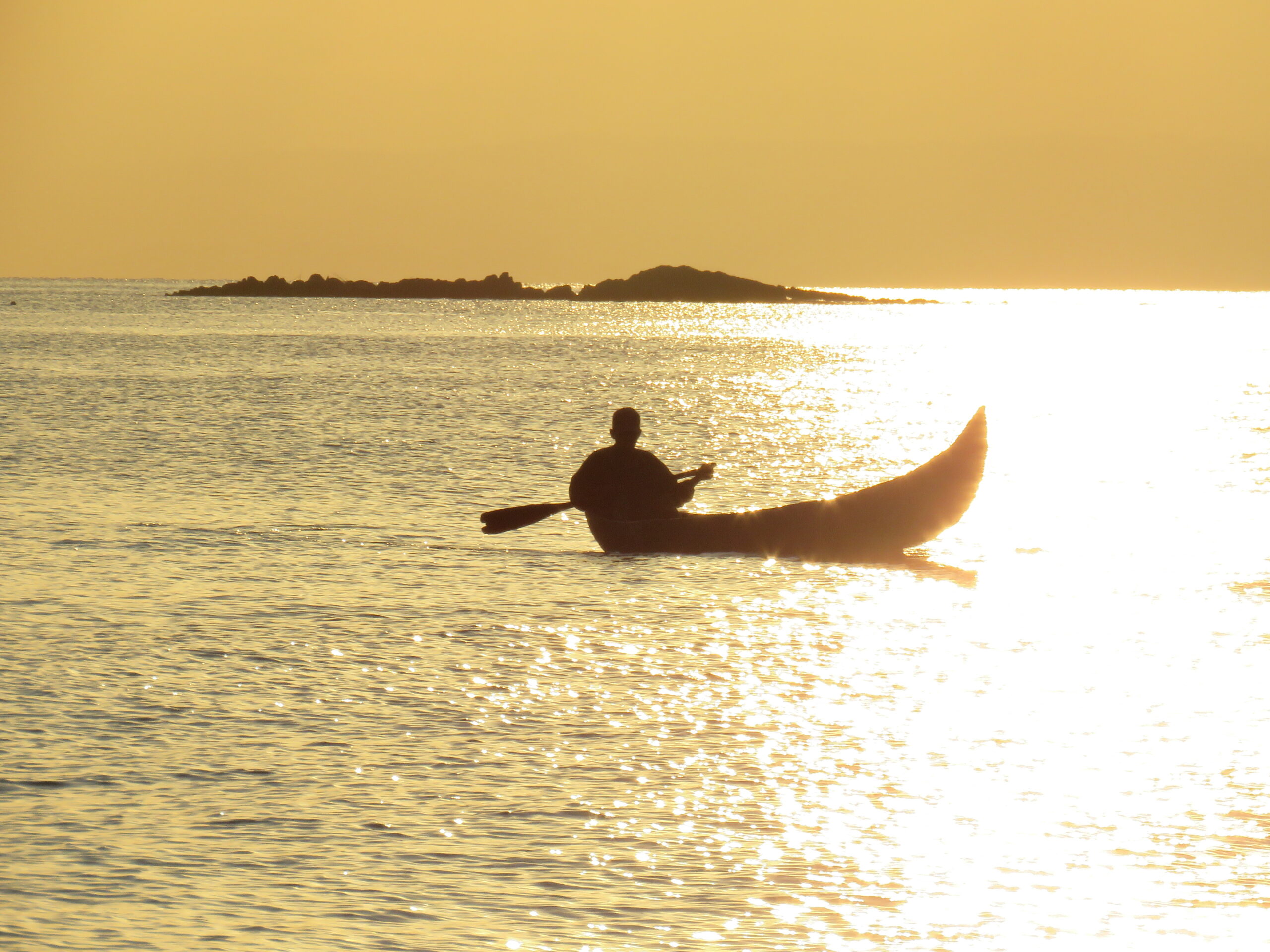
Sainte Marie Island, or Nosy Boraha lies off the north east coast of mainland Madagascar. Most visitors fly in from Tana, although it’s also accessible by ferry from Soanierana-Ivongo. Largely uncommercialised, Sainte Marie is a serene tropical getaway with a very relaxed vibe. A handful of beach hotels and eco-lodges offer a barefoot break for those seeking authenticity and warm hospitality. Explore the coastline in motor boats and traditional pirogues, and take 4×4 excursions inland to the Pirates’ Cemetery, mangrove lagoons and the remote east coast. Hire bikes to cycle through local villages; Snorkel or scuba dive on vibrant coral reefs.
Ile aux Nattes: To the south of Sainte Marie Island, and accessed by a short pirogue ride, this tiny island is perfect for chilled, rustic getaways. Both islands are renowned for pristine white sandy beaches, crystal-clear turquoise waters, and unpretentious atmosphere.
Climate & When to Visit Madagascar
|
|
Jan |
Feb |
Mar |
Apr |
May |
June |
July |
Aug |
Sept |
Oct |
Nov |
Dec |
|
The Highlands |
✓ |
✓ |
✓ |
✓✓ |
✓✓✓ |
✓✓✓ |
✓✓✓ |
✓✓✓ |
✓✓✓ |
✓✓✓ |
✓✓ |
✓✓ |
|
North West & Nosy Be |
✓✓ |
✓✓ |
✓✓ |
✓✓✓ |
✓✓✓ |
✓✓✓ |
✓✓✓ |
✓✓✓ |
✓✓✓ |
✓✓✓ |
✓✓ |
✓✓ |
|
North |
– |
– |
– |
✓✓ |
✓✓✓ |
✓✓✓ |
✓✓✓ |
✓✓✓ |
✓✓✓ |
✓✓ |
✓✓ |
✓✓ |
|
East |
– |
– |
– |
✓ |
✓✓ |
✓✓ |
✓✓ |
✓✓✓ |
✓✓✓ |
✓✓✓ |
✓✓✓ |
✓✓ |
|
West |
✓✓ |
✓✓ |
✓ |
✓ |
✓✓✓ |
✓✓✓ |
✓✓✓ |
✓✓✓ |
✓✓✓ |
✓✓✓ |
✓✓✓ |
✓✓ |
|
South |
✓ |
✓ |
✓ |
✓✓ |
✓✓✓ |
✓✓✓ |
✓✓✓ |
✓✓✓ |
✓✓✓ |
✓✓✓ |
✓✓ |
✓✓ |
Madagascar has a subtropical climate, with a hot, rainy summer season from November to March, and a cooler, drier winter from May to October. However, there are significant variations in temperature and climate depending on geographical location and altitude. However, at all times of the year there is a big temperature variation depending on altitude and geographical position. The central highlands, including the capital Antananarivo, which has an altitude of 1300m, are generally pleasant and temperate. The east coast is very much wetter than the west coast. The far south and south-west of Madagascar are arid, semi-desert regions with low rainfall throughout the year, and to the north and north-west you can expect some rain throughout the year, again depending on location.
The Highlands including Antananarivo: The higher altitude of the mountainous central region impact both the temperature and rainfall. It’s generally cooler here than at the coast. The hot rainy season lasts from November until late March or early April, with temperatures around 28-30. The winter months from May to October are cooler and drier, and night time temperatures can be quite chilly!
The East including Sainte Marie Island & Ile aux Nattes: The wettest region in the country, with a year-round humid tropical climate. It’s driest between August and December, although you can still expect some rain almost daily. Rains are heaviest during the cyclone season from end December to March, with hottest temperatures from December to April. The coolest time of year to visit is during the winter months of August and September.
The South: Arid region with a dry tropical climate and low rainfall. Really the only time it could rain here is January to March. Temperatures are very high from February to May and from October to December. The winter months from June to September are best to visit, when temperatures are around 25ºC.
The West: The western region of Madagascar is significantly drier than the east. It usually doesn’t rain at all between May and November, with pleasant temperatures (20-25). The rainy season extends from December to April, but rainfall is very much less than in the tropical rainforest regions to the East. The hottest months are March & April, and from early November to early January.
The North including Anjajavy and Nosy Be: The northern region of Madagascar has several micro climates. On the north west coast, around Mahajanga, it’s generally dry and warm from May to November (20ºC), and significantly hotter and wetter from December to April. The islands around Nosy Be have similar seasons, but with a more evenly spread rainfall pattern throughout the year. Temperatures here average 25 ºC. In the north east of the country, there is year-round rainfall, although May to November is drier. Heavy rains and cyclones affect this region from January to March.